Reheating isn’t just heating; it’s a vital safety step to prevent foodborne illnesses. You need to guarantee your food reaches an internal temperature of at least 165°F (74°C) to destroy harmful bacteria. Using a food thermometer helps you verify safety, while evenly microwaving and letting food sit afterward improves heat distribution. Proper storage and avoiding multiple reheats also reduce health risks. Keep learning how to reheat safely to keep your meals both delicious and safe.
Key Takeaways
- Reheating food to at least 165°F (74°C) kills harmful bacteria, preventing foodborne illnesses.
- Proper reheating involves stirring and resting food to ensure even heat distribution.
- Using microwave-safe containers and correct settings reduces the risk of chemical contamination and uneven heating.
- Quick cooling and proper storage limit bacterial growth, making reheating safer.
- Reheat leftovers only once to avoid toxin formation and maintain food safety.
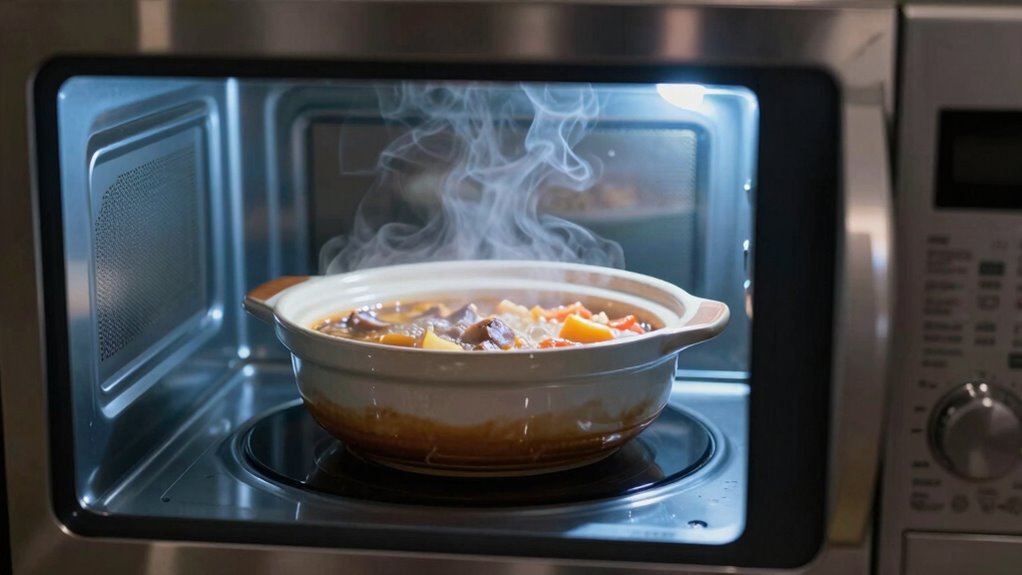
Reheating food safely is vital to prevent foodborne illnesses and guarantee your meals remain delicious. The way you reheat leftovers impacts not only taste but also safety, so paying attention to food temperature is essential. When you reheat, aim for an internal temperature of at least 165°F (74°C) to ensure harmful bacteria are destroyed. This temperature isn’t just a guideline; it’s your best defense against pathogens that can cause food poisoning. Using a food thermometer helps you verify that your food has reached the right heat level, avoiding the common mistake of relying solely on appearance or smell, which can be misleading.
Reheat leftovers to at least 165°F (74°C) to ensure safety and prevent foodborne illnesses.
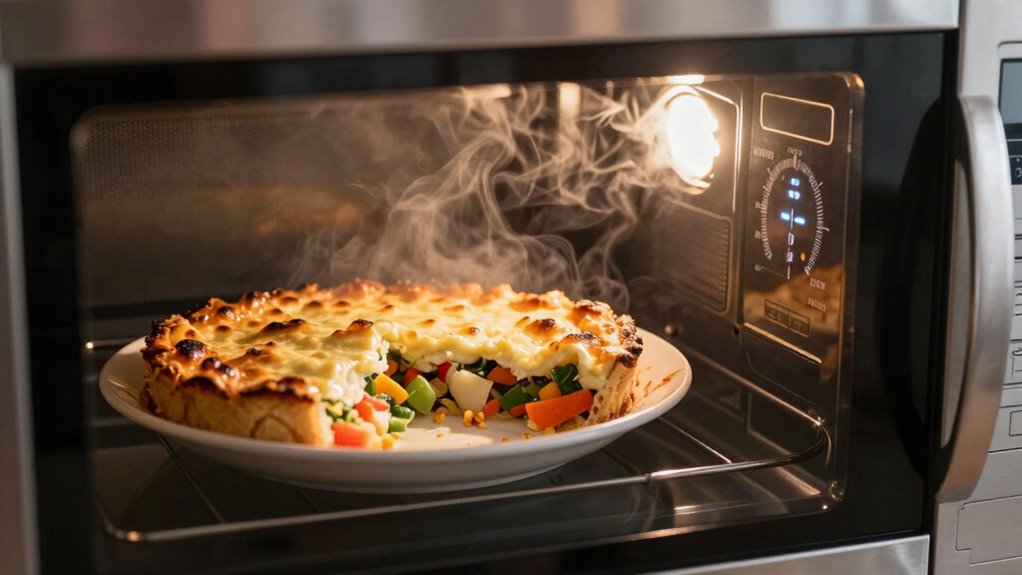
Microwave safety plays a significant role in reheating, especially when using a microwave oven, which is quick and convenient but can sometimes heat unevenly. To prevent cold spots where bacteria might survive, stir your food during reheating and let it sit for a minute or two afterward. This resting period allows the heat to distribute evenly, raising the overall food temperature to a safe level. Always cover your food with a microwave-safe lid or wrap to trap steam, which helps heat the food more thoroughly and prevents splatters in the microwave. Proper container selection is crucial to avoid chemical leaching and ensure even heating.
Be cautious about the type of containers you use for reheating. Not all plastics are microwave-safe, and some can leach harmful chemicals into your food when heated. Use microwave-safe glass or ceramic containers whenever possible. If you’re reheating liquids or foods with high moisture content, make sure they are heated at a medium power setting to allow even heat distribution. Overly high settings can lead to uneven heating, leaving parts of the food underheated and unsafe to eat. Additionally, understanding how to properly handle leftovers is key to maintaining food safety. Proper storage techniques also help prevent bacterial growth during the cooling process.
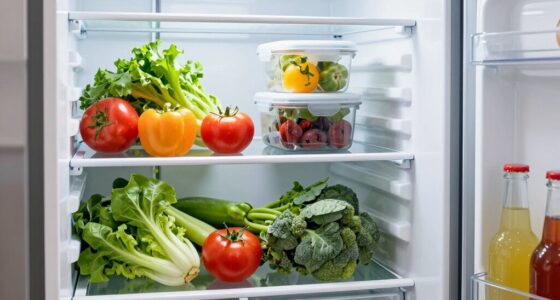
Remember that leftovers should be cooled quickly and stored properly if you plan to reheat them later. The longer food stays in the danger zone (between 40°F and 140°F), the higher the risk of bacterial growth. When reheating, avoid multiple cycles—reheat only what you plan to eat and avoid reheating the same leftovers repeatedly. This minimizes the risk of bacteria multiplying and producing toxins that might not be destroyed by subsequent reheating. Proper storage and handling are essential to maintaining food safety and preventing bacterial growth. Additionally, understanding the importance of food safety practices can help you avoid health risks associated with improper reheating.

Alpha Grillers Instant Read Meat Thermometer Digital, Cooking, Food, Grill
- Fast Response Time: Reads temperature in 1-2 seconds
- Versatile Use: Suitable for grilling, baking, frying, and more
- Easy to Read Display: Bright blue backlight for clear readings
As an affiliate, we earn on qualifying purchases.
As an affiliate, we earn on qualifying purchases.
Frequently Asked Questions
Can Reheating Cause Food Allergies to Develop?
Reheating itself doesn’t cause food allergy development, but it can increase reheating risks like bacterial growth if not done properly. If you have food allergies, reheating might expose you to allergens in a more potent form or cause cross-contamination, which could trigger reactions. Always reheat food thoroughly and store leftovers safely to minimize these risks. Proper handling helps prevent allergic responses and keeps your meals safe to eat.
Is Reheating the Same as Cooking From Scratch?
Reheating isn’t the same as cooking from scratch. While both involve heating food, reheating focuses on restoring the proper temperature for safety, not preparing it from raw ingredients. Food safety and temperature control are vital during reheating to prevent bacterial growth. Cooking from scratch starts with raw ingredients, requiring more attention to flavors and textures. Reheating simply warms leftovers, but always guarantee proper temperature to keep your food safe.
How Does Reheating Affect Nutrient Content?
Reheating can cause nutrient degradation, leading to some vitamin loss, especially with sensitive nutrients like vitamin C and B vitamins. When you reheat food, heat exposure over time may reduce its nutritional value, but the impact is generally minimal if done properly. To minimize nutrient loss, reheat food quickly and at moderate temperatures, and avoid reheating multiple times. This way, you preserve as many nutrients as possible while ensuring safety.
Should Certain Foods Never Be Reheated?
Some foods are like delicate dancers—you shouldn’t rehearse their steps twice. You should avoid reheating foods like rice, eggs, and potatoes, as bacteria can thrive if not heated properly. Food safety hinges on using the right reheating methods—microwave, stovetop, or oven—to guarantee even heat. Reheating these foods can turn them into safety hazards, so it’s best to enjoy them fresh or discard leftovers that aren’t reheated properly.
What Are the Signs of Improperly Reheated Food?
You’ll notice improperly reheated food might have a strange smell, odd texture, or appear discolored. If it’s not heated evenly, some parts could stay cold, allowing foodborne bacteria to survive. This indicates a failure in temperature safety. Always guarantee your food reaches the right internal temperature, around 165°F, to kill bacteria and prevent foodborne illnesses. If in doubt, discard it to keep yourself safe.
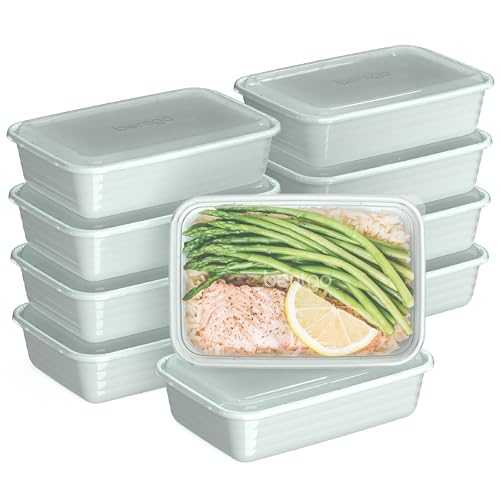
Bentgo Prep Meal Prep Containers with Lids, 20 Piece, PFAS & BPA-Free
- Top Brand for Meal Prep: Lightweight, portable 20-piece set
- Supports Portion Control: 4-cup capacity with embossed measurements
- Keeps Food Fresh: Stackable lids for organization
As an affiliate, we earn on qualifying purchases.
As an affiliate, we earn on qualifying purchases.
Conclusion
Remember, reheating isn’t just about warming your food—it’s a vital safety step. Proper reheating guarantees harmful bacteria are killed, protecting you and your loved ones from illness. Do you really want to risk eating food that’s been improperly heated? Taking a moment to reheat thoroughly can make all the difference. So next time you’re in the kitchen, ask yourself: am I reheating my leftovers safely? It’s a small step that keeps everyone healthier.
instant-read digital food thermometer
As an affiliate, we earn on qualifying purchases.
As an affiliate, we earn on qualifying purchases.
microwave cover for even heating
As an affiliate, we earn on qualifying purchases.
As an affiliate, we earn on qualifying purchases.