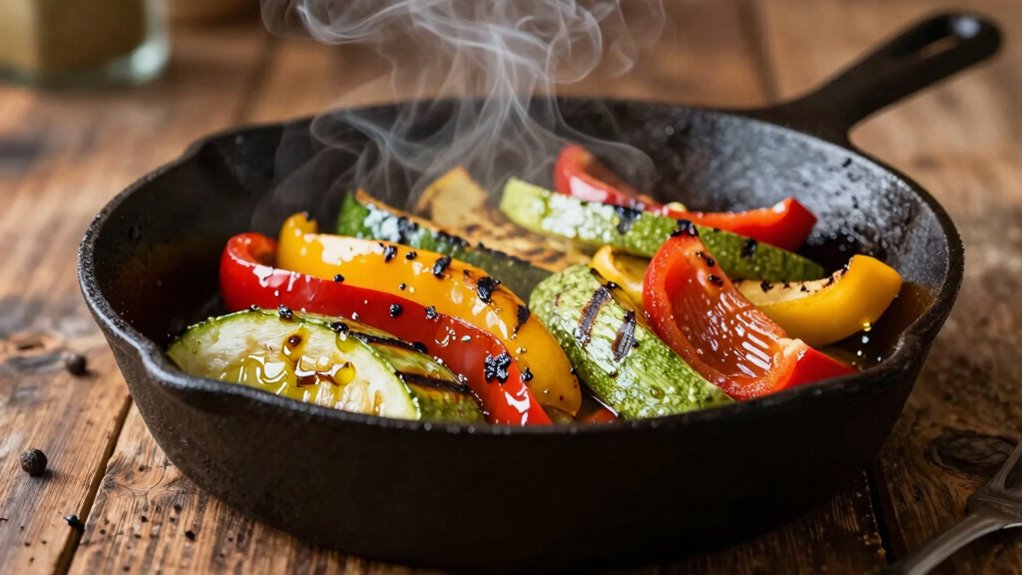

You’ll find that cooking methods like frying, roasting, and grilling change more than just calories—they enhance flavor through browning reactions like caramelization and the Maillard process, while also affecting nutrient content. For example, boiling can leach vitamins into water, reducing nutrition, while steaming preserves water-soluble vitamins. Modern techniques like sous vide precisely control temperature to keep nutrients intact. Want to discover how choosing the right method can boost flavor and nutrition? Keep exploring to learn more.
Key Takeaways
- Cooking methods like boiling can leach water-soluble vitamins, significantly reducing nutrient content beyond just calorie changes.
- Grilling and roasting induce Maillard reactions, altering flavor, aroma, and chemical composition beyond calorie modification.
- Steaming preserves delicate nutrients and antioxidants, maintaining food’s nutritional profile more than methods that cause nutrient loss.
- Sous vide allows precise temperature control, optimizing nutrient retention and texture without drastically changing calorie content.
- Frying introduces unhealthy fats and chemical changes, impacting health and nutritional quality beyond simple calorie increase.
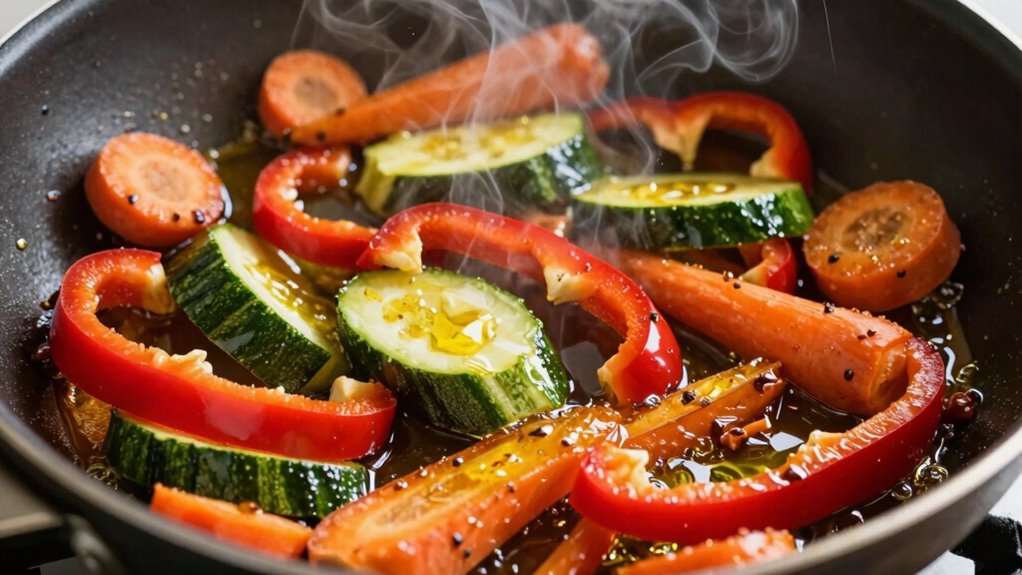
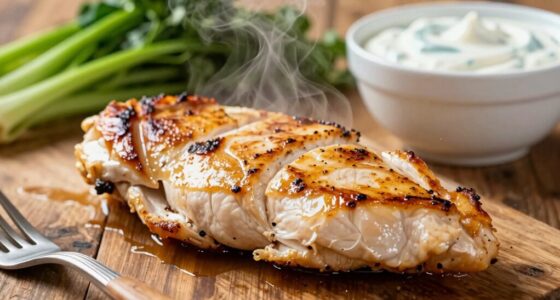
Have you ever wondered how cooking methods have evolved over time? It’s fascinating to see how different techniques not only change the way food tastes but also impact its nutritional value. When you choose a cooking method, you’re doing more than just heating ingredients; you’re influencing flavor enhancement and nutrient retention in ways you might not immediately realize. For example, roasting and grilling bring out deeper, richer flavors by caramelizing sugars and browning proteins. This process intensifies taste, making your dishes more satisfying without additional seasoning. At the same time, these methods often preserve nutrients better than boiling, which can leach vitamins into water.
As you experiment with different techniques, you notice that some methods help retain essential nutrients better than others. Steaming, for instance, is excellent for nutrient retention because it cooks food gently and keeps water-soluble vitamins from washing away. Conversely, frying might enhance flavor through the Maillard reaction, but it can also lead to nutrient loss and the addition of unhealthy fats. Recognizing these differences allows you to make smarter choices in the kitchen, balancing flavor and health benefits. Additionally, understanding cooking technologies can help you appreciate how innovative methods are shaping modern culinary practices and health-conscious cooking.
Over time, cooking methods have shifted from simple, raw preparations to more complex techniques designed to optimize taste and nutrition. Traditional methods like boiling and roasting have been supplemented by steaming, sautéing, and even sous vide cooking, which uses precise temperature control to maximize both flavor and nutrient preservation. Sous vide, in particular, exemplifies how technology has advanced cooking, allowing you to cook foods evenly while maintaining their delicate nutrients. This method ensures that you get the best of both worlds: enhanced flavor and high nutrient retention. Moreover, modern appliances continue to expand the possibilities of healthful and flavorful cooking techniques. Exploring cooking innovations offers insight into how these advancements can transform everyday meals into nutritious, gourmet experiences.
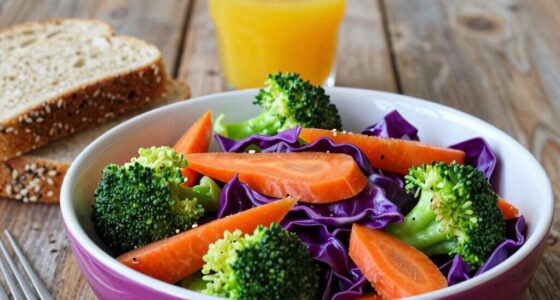
Furthermore, understanding how cooking impacts nutritional quality influences your overall approach to eating. Instead of focusing solely on calories, you begin to consider how different techniques preserve vitamins, minerals, and antioxidants. This awareness encourages healthier choices that don’t compromise taste. For instance, lightly steaming vegetables keeps their vibrant color, crisp texture, and nutritional profile intact, making the meal more appealing and nourishing. Additionally, awareness of cooking technology helps you see how innovations like sous vide are shaping healthier and more flavorful culinary experiences. Recognizing the importance of nutrient preservation can motivate you to explore new cooking methods that maximize health benefits without sacrificing flavor. As you explore these methods, you realize that the evolution of cooking isn’t just about making food more palatable—it’s about preserving its integrity and health benefits.

Anova Culinary Sous Vide Precision Cooker 3.0 (WiFi), 1100 Watts, Stainless Steel
- Precise Temperature Control: Consistent, edge-to-edge cooking results
- Enhanced Connectivity: Dual band WiFi for reliable connection
- User-Friendly Display: Two-line touch screen for easy viewing
As an affiliate, we earn on qualifying purchases.
As an affiliate, we earn on qualifying purchases.
Frequently Asked Questions
How Does Cooking Method Affect Nutrient Absorption?
You can profoundly influence nutrient absorption through your chosen cooking method. For example, steaming retains flavor and preserves nutrients better than boiling, which can leach vitamins into water. Cooking also modifies texture, making some nutrients more accessible for your body to absorb. By selecting gentle methods like steaming or sautéing, you help maintain flavor retention and optimize nutrient uptake, ensuring you get the most health benefits from your food.
Can Different Methods Reduce Harmful Compounds in Food?
Think of cooking as a sculptor shaping a masterpiece—different methods carve away harmful compounds while enhancing flavor and texture. Grilling, steaming, or boiling can reduce carcinogens or toxins, turning a potentially hazardous raw ingredient into a safer delight. These techniques not only amplify taste but also alter textures, making foods more appealing and digestible. So, choose your method wisely to balance flavor, safety, and mouthfeel, transforming your meals into nourishing art.
What Cooking Techniques Preserve Antioxidants Best?
You should choose steaming or microwaving to preserve antioxidants, as these methods maintain flavor enhancement and texture preservation without exposing food to high heat or water. Steaming gently cooks vegetables, helping retain their nutrients and antioxidants while keeping their natural flavor and texture intact. Microwaving also preserves antioxidants efficiently, offering quick cooking that minimizes nutrient loss, ensuring your food remains flavorful and textured just as nature intended.
How Does Temperature Influence Food’s Chemical Composition?
Did you know that cooking at high temperatures can cause up to 50% of antioxidants to degrade? Temperature substantially influences food’s chemical composition, leading to flavor transformation and texture alteration. When you heat food, it can become softer or develop new flavors, but excessive heat may also break down delicate nutrients and alter colors. So, controlling temperature helps preserve nutrients while optimizing taste and texture.
Do Certain Methods Make Food More Allergenic?
Yes, certain cooking methods can make food more allergenic by altering allergenic proteins. For instance, high-heat cooking like roasting or frying can modify allergenic proteins through allergenic protein modification, potentially increasing allergen exposure. Conversely, boiling or steaming may reduce allergenic potential by denaturing proteins. Understanding how different methods influence allergenic proteins helps you manage food allergies and avoid unexpected allergic reactions during cooking or eating.
As an affiliate, we earn on qualifying purchases.
Conclusion
So, next time you cook, remember how your choice of method can do more than just alter calories — it can change texture, flavor, and even nutritional value. It’s funny how a simple switch from steaming to frying can turn a healthy meal into something indulgent, isn’t it? Sometimes, the smallest change in your cooking routine can unexpectedly influence your health and taste buds. Keep experimenting; you might just find your perfect balance without even realizing it.
As an affiliate, we earn on qualifying purchases.
As an affiliate, we earn on qualifying purchases.