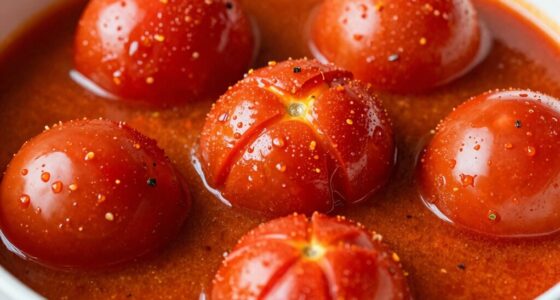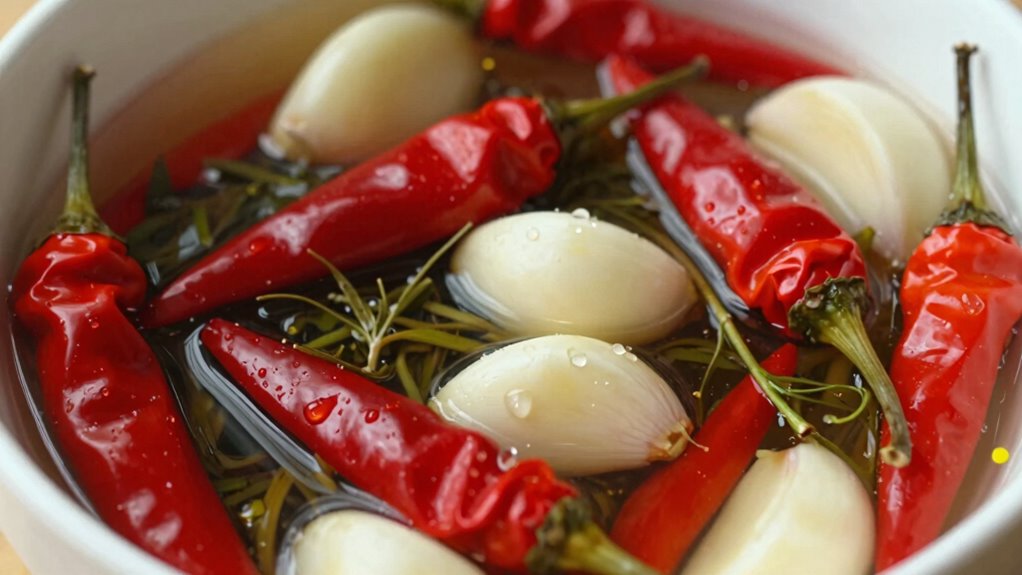

You might notice that some ingredients taste stronger the next day because of chemical changes and flavor melding happening during storage. As ingredients sit, flavors develop further as compounds like essential oils and acids intensify. Oxidation also plays a role, making flavors richer and more robust. These processes deepen natural qualities and create a layered taste. If you want to understand exactly how these transformations work, there’s more detailed information to explore.

Get kitchen staples and gadgets delivered free — and shop member deals
- Fast, free delivery on millions of items
- Access to Prime Big Deal Days deals on October 6–7
- Prime Video, Amazon Music and more included
Key Takeaways
- Flavors deepen over time due to chemical reactions, making ingredients taste more intense the next day.
- Oxidation during storage enhances aroma and flavor strength in ingredients like garlic and herbs.
- Spices release essential oils over time, increasing their potency and flavor impact.
- Acidity in ingredients like tomatoes can intensify, boosting overall flavor strength.
- Flavor compounds develop and meld, creating a richer, more robust taste profile after resting.
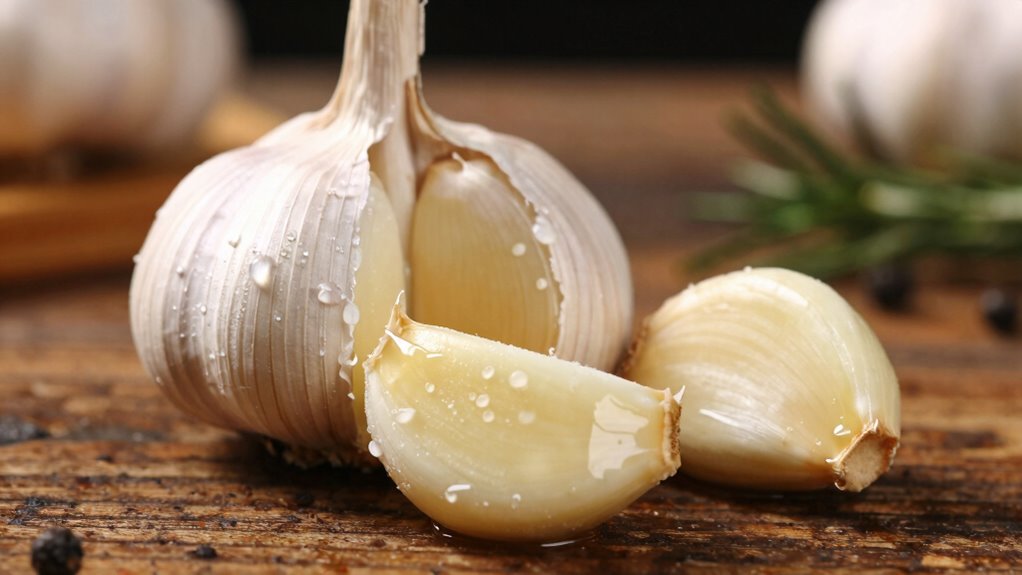
Have you ever noticed that certain ingredients taste more intense the day after preparing a dish? This phenomenon often surprises people, but it’s rooted in natural processes like flavor maturation and ingredient oxidation. When you cook, the flavors of individual ingredients don’t remain static. Instead, they evolve over time as they sit in the dish, leading to a richer, more concentrated taste the next day. This is especially true for foods like soups, stews, and marinated vegetables, where prolonged exposure allows flavors to meld and deepen. The process is driven by chemical changes that happen during storage, which enhance the ingredients’ natural qualities.
Flavor maturation plays a key role here. Over time, the chemical compounds responsible for taste and aroma continue to develop, often becoming more pronounced. For example, the spices in your dish may release more essential oils, or the acidity in a tomato-based sauce might intensify. As the dish sits, these compounds break down or combine in new ways, resulting in a more complex flavor profile. This is why leftovers often taste better the next day; the ingredients have had a chance to fully develop their flavors. The longer you wait, the more these chemical interactions occur, leading to a taste that feels deeper and more layered. Additionally, the chemical changes that occur during storage can alter the texture of ingredients, sometimes making them more tender or easier to digest.
Meanwhile, ingredient oxidation also influences why flavors become more intense over time. Oxidation is a natural process where oxygen interacts with the molecules in ingredients, altering their structure. This process can enhance certain flavors, especially in ingredients like garlic, onions, or herbs. When these ingredients are exposed to air during storage, oxidation can produce new flavor compounds that weren’t as noticeable immediately after cooking. For instance, garlic may develop a richer, mellower aroma, while herbs might release more of their essential oils, intensifying their taste. This slow transformation often makes the dish taste more robust and satisfying when you eat it the next day.
food storage containers with airtight seal
As an affiliate, we earn on qualifying purchases.
As an affiliate, we earn on qualifying purchases.
Frequently Asked Questions
Can Storage Containers Affect Ingredient Taste Over Time?
Yes, storage containers can affect ingredient taste over time. If you use containers made from certain materials like plastic, flavors can sometimes leach into your food, altering taste. Additionally, storage temperature plays a role; if ingredients are kept at inconsistent or warm temperatures, it can cause flavors to intensify or degrade. Using high-quality, airtight containers and maintaining a consistent, cool temperature helps preserve the original flavor of your ingredients.
Does Refrigeration Impact the Flavor Intensity of Certain Ingredients?
Refrigeration can impact the flavor intensity of certain ingredients by slowing down their flavor evolution, but it can also lead to aroma intensification in some cases. Cold temperatures may preserve ingredients better, but they can also cause flavors to become more concentrated or change over time. You might notice a stronger aroma or altered taste after refrigeration, as the cold can enhance certain volatile compounds, amplifying overall flavor experience.
Are There Specific Ingredients That Naturally Develop Stronger Flavors Overnight?
Think of some ingredients like good wine, growing richer and more complex overnight. Certain ingredients, such as onions, garlic, and spices, naturally develop stronger flavors through ingredient maturation. This process increases flavor concentration, making them taste more intense the next day. You might notice this in dishes with herbs or fermented foods, where the flavors deepen as they sit, giving your meals a more robust and layered taste.
How Does Humidity Influence Ingredient Flavor Changes After Preparation?
Humidity influences ingredient flavor changes after preparation by promoting moisture absorption and flavor diffusion. When humidity is high, ingredients absorb more moisture, which can dilute or alter their flavors, sometimes dulling or intensifying certain tastes. Conversely, low humidity helps preserve the original flavor profile. You’ll notice that in humid conditions, flavors tend to become more pronounced or change altogether because moisture interacts with the ingredients, affecting how flavors diffuse and develop over time.
Can Marination or Soaking Times Alter Flavor Strength the Next Day?
Yes, marination or soaking times can alter flavor strength the next day through flavor absorption and taste intensification. When you soak ingredients longer, they absorb more marinade, deepening the flavors and making the taste more pronounced. Similarly, extended marination allows enzymes and acids to break down the ingredients, resulting in a richer, more intense flavor profile. So, adjusting soaking times can help you control the strength of flavors in your dish.
As an affiliate, we earn on qualifying purchases.
Conclusion
So, next time you notice that your dish tastes bolder the day after, remember that flavors can intensify as ingredients meld and develop. It’s almost like your food is aging into a richer version of itself. Don’t you find it fascinating how patience can turn a simple meal into something more complex? Embrace the wait, and you might just discover new depths of flavor you didn’t expect. After all, isn’t good food worth a little extra time?
garlic and onion storage solutions
As an affiliate, we earn on qualifying purchases.
As an affiliate, we earn on qualifying purchases.
marinating containers for vegetables
As an affiliate, we earn on qualifying purchases.
As an affiliate, we earn on qualifying purchases.
NFL season / tailgating Picks
team gear
As an affiliate, we earn on qualifying purchases.