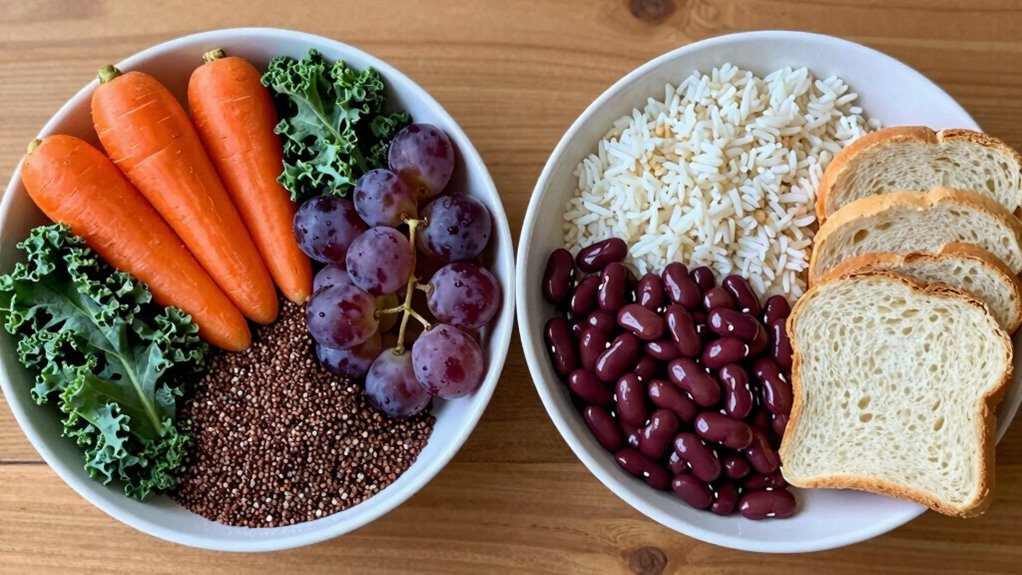

Refined foods are processed to remove fiber, vitamins, and minerals, which can cause quick blood sugar spikes and lead to energy crashes. Whole foods, on the other hand, retain their natural nutrients and fiber, providing sustained energy and better nutrient absorption. Choosing less processed options helps prevent deficiencies and supports overall health. If you want to understand how food processing impacts your health and how to make smarter choices, keep exploring further.

Get kitchen staples and gadgets delivered free — and shop member deals
- Fast, free delivery on millions of items
- Access to Prime Big Deal Days deals on October 6–7
- Prime Video, Amazon Music and more included
Key Takeaways
- Whole foods retain natural nutrients, fiber, and antioxidants, while refined foods have these removed during processing.
- Refined foods have a higher glycemic index, causing rapid blood sugar spikes; whole foods promote sustained energy.
- Processing removes vital vitamins and minerals from foods, reducing their nutritional value compared to unprocessed, whole options.
- Whole foods support better digestion and nutrient absorption due to their fiber content; refined foods digest quickly and less efficiently.
- Consuming whole foods may help prevent chronic diseases and support overall health better than heavily processed, refined foods.
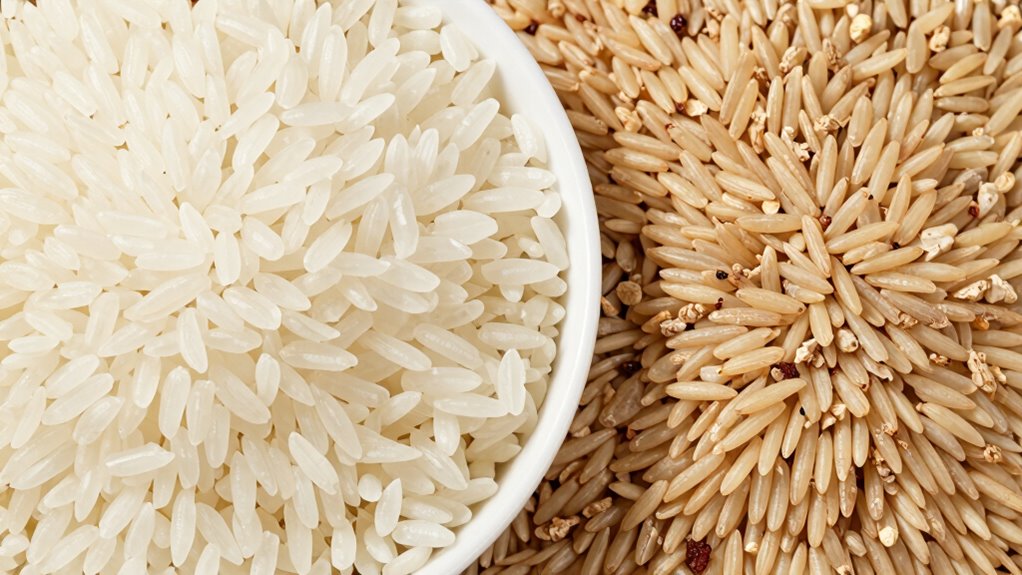
When choosing between refined and whole foods, understanding their differences can help you make healthier decisions. One key aspect to consider is how each type affects your blood sugar levels, which is where the glycemic index comes into play. Foods with a high glycemic index cause rapid spikes in blood sugar, leading to quick energy but also potential crashes later. Refined foods, such as white bread or white rice, typically have a higher glycemic index because they’ve been processed to remove fiber and other components that slow digestion. Whole foods, like brown rice or whole-grain bread, usually have a lower glycemic index, providing more sustained energy and helping you avoid those sugar highs and lows.
Another important factor is nutrient density, which refers to the amount of essential nutrients you get relative to the calorie content. Whole foods tend to be more nutrient-dense because they retain their natural vitamins, minerals, and fiber. When you eat a whole apple instead of apple juice, you’re consuming more fiber, antioxidants, and micronutrients, which support overall health and help keep you full longer. On the other hand, refined foods often lack these crucial nutrients because they’ve been stripped during processing. For instance, refined grain products have most of their fiber and nutrients removed, leaving behind mainly carbohydrates and calories. This means you might consume more calories without getting the same nutritional benefits, potentially leading to weight gain and nutritional deficiencies over time.
Choosing whole foods also supports better nutrient absorption. The fiber in whole foods slows digestion, which helps your body absorb nutrients more gradually and efficiently. Understanding the impact of processing can help you make more informed dietary choices and prioritize foods that contribute to long-term health. Additionally, nutrient absorption is enhanced by the presence of fiber and phytochemicals found in whole foods, which are often lost during refining. Incorporating unprocessed foods into your diet ensures you maximize nutrient intake and overall health benefits. Recognizing the role of processing methods highlights the importance of choosing minimally processed, whole options to maintain your health. Refined foods, lacking fiber, are digested quickly, causing rapid blood sugar increases and often leaving you feeling hungry sooner. This can lead to overeating and difficulty maintaining a balanced diet. Moreover, whole foods often contain phytochemicals and antioxidants that contribute to disease prevention, which are largely lost during refining. Additionally, understanding the impact of food processing can help you make smarter choices to support your overall health and wellbeing.
As an affiliate, we earn on qualifying purchases.
Frequently Asked Questions
How Does Processing Affect Nutrient Levels in Refined Foods?
Processing impacts nutrient levels in refined foods by causing significant nutrient loss. When grains are refined, their outer layers, which contain fiber, vitamins, and minerals, are removed, leading to reduced nutritional value. This nutrient loss makes refined foods less nutritious compared to their whole counterparts. As a result, consuming processed foods with extensive processing impact can mean missing out on essential nutrients crucial for your health.
Are There Health Risks Associated With Consuming Too Many Refined Foods?
Jumping the gun on health, consuming too many refined foods can pose risks, like increasing your glycemic index and lowering dietary fiber intake. This can lead to blood sugar spikes, energy crashes, and long-term issues like weight gain or diabetes. Think of it as a modern-day “trial by fire”; moderation is key. Balance your diet with whole foods rich in fiber to keep your blood sugar steady and your health on track.
Can Whole Foods Be Preserved Longer Than Refined Foods?
Yes, whole foods can sometimes have a longer shelf life than refined foods because their natural fibers and nutrients help slow spoilage. However, their shelf life varies depending on the type and storage conditions. To prevent spoilage, you should keep whole foods in cool, dry, airtight environments. Proper storage helps extend freshness and prevents mold or decay, making whole foods a viable option for longer-lasting nutrition.
Do Refined Foods Have a Lower Environmental Impact?
Refined foods generally have a lower environmental impact because they require less land and water during processing. Did you know that refining can reduce the environmental footprint by up to 30%? However, this often means sacrificing nutritional value. While they may be more sustainable, refined foods typically contribute less to health. Balancing sustainability and nutrition is key to making mindful choices that support both your health and the planet.
How Do Taste and Texture Differ Between Refined and Whole Foods?
Refined foods often have a milder, more neutral flavor profile, making them versatile for various recipes, while whole foods retain richer, more complex flavors due to their natural components. Texture-wise, refined options tend to be smoother and softer, enhancing their culinary versatility, especially in baked goods and sauces. Whole foods, on the other hand, usually have a coarser or chewier texture, adding depth and authenticity to your dishes.
As an affiliate, we earn on qualifying purchases.
Conclusion
Now that you know the real difference between refined and whole foods, it’s clear that choosing whole options is like hitting two birds with one stone—you’re nourishing your body while savoring better flavor. Keep in mind, it’s all about making smarter choices daily. Don’t let the perfect be the enemy of the good; small steps toward whole foods can lead to big health benefits over time. Your body will thank you for it!
As an affiliate, we earn on qualifying purchases.
As an affiliate, we earn on qualifying purchases.
Halloween Picks
halloween
As an affiliate, we earn on qualifying purchases.