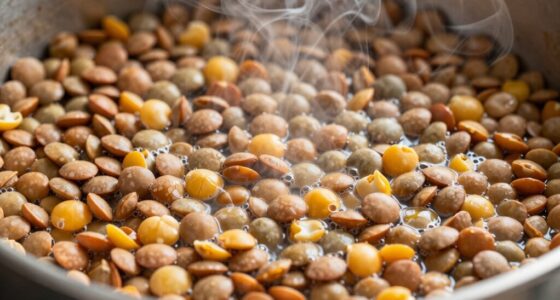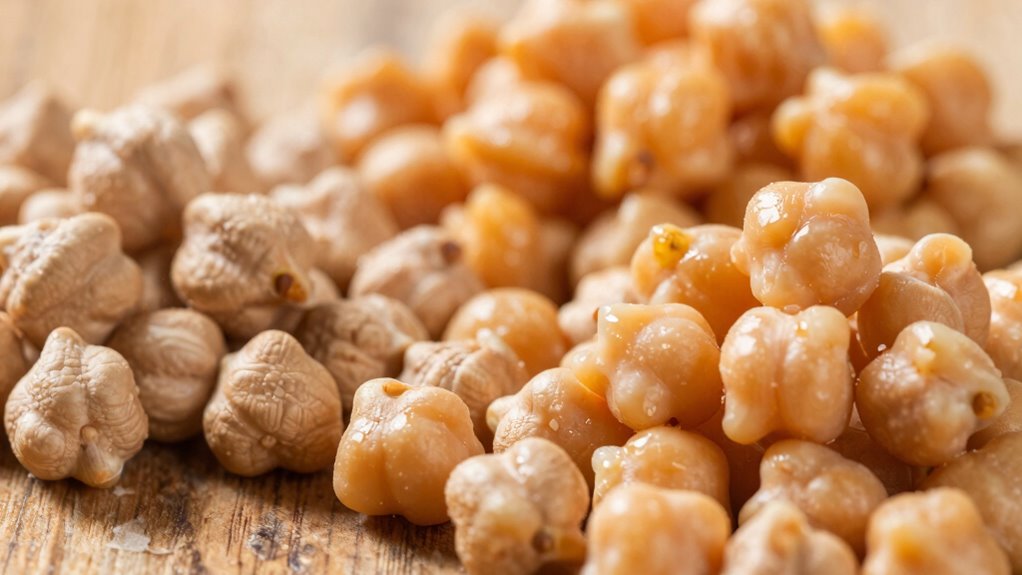

Dried chickpeas pack a nutritional punch with minimal processing, but require soaking and longer cooking time. Canned chickpeas are convenient, ready to eat, and retain most nutrients, though they may have added sodium. Fresh cooked chickpeas offer a bright flavor and texture, but take more effort to prepare. Each method has its benefits depending on your needs. Keep exploring to discover tips on how to get the most out of each type.

Get kitchen staples and gadgets delivered free with Prime
- Fast, free delivery on millions of items
- Prime Video, Amazon Music and more included
- Member-only deals all year
Key Takeaways
- Dried chickpeas require soaking and longer cooking but retain maximum nutrients and flavor.
- Canned chickpeas are pre-cooked, convenient, and retain most nutrients but may contain added salt or preservatives.
- Fresh cooked chickpeas have a milder flavor and softer texture, but are less commonly available and have a shorter shelf life.
- Nutritional differences between dried, canned, and fresh are minimal if processed and prepared properly.
- Choice depends on time, convenience, and culinary preference, with minimal impact on nutritional value.
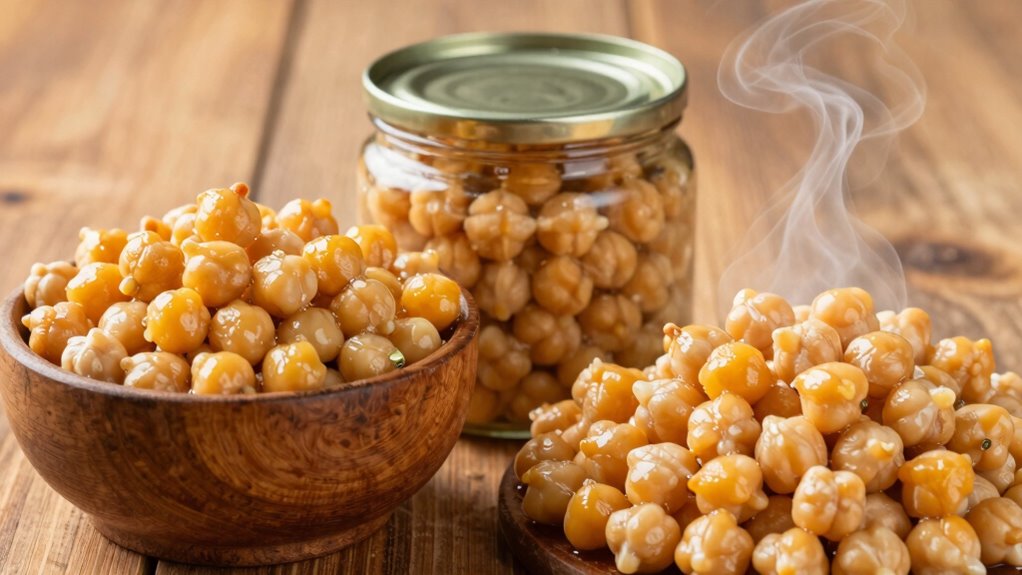
Have you ever wondered what secrets lie beneath the humble surface of chickpeas? These small, beige legumes might seem simple, but they hold a fascinating world of cultivation and nutritional value. Chickpea cultivation is an ancient practice that dates back thousands of years, primarily thriving in regions with warm, dry climates like the Middle East, India, and parts of Africa. When grown properly, chickpeas flourish in well-drained soil, and their cultivation process involves careful planting, watering, and harvesting to maximize yield. As a crop, they’re not only resilient but also environmentally friendly, fixing nitrogen in the soil and improving soil health for future crops. Once harvested, chickpeas undergo minimal processing, but the way you prepare and consume them can dramatically change their flavor, texture, and nutritional benefits. Additionally, the cultivation process of chickpeas demonstrates their role in sustainable agriculture by enriching soil naturally. This sustainable aspect highlights how chickpeas contribute to biodiversity and reduce the need for synthetic fertilizers. Their climate-resilient nature also makes them a reliable food source in the face of unpredictable weather patterns and climate change. Understanding the environmental benefits of chickpeas further emphasizes their importance in sustainable farming practices and global food security. Chickpeas are also considered a climate-resilient crop, making them an important choice for adapting to changing weather patterns and promoting agricultural sustainability. When it comes to nutritional benefits, chickpeas are a powerhouse. They’re packed with plant-based protein, making them an excellent choice for vegetarians and vegans. Plus, they provide a rich source of dietary fiber, which supports digestion and helps regulate blood sugar levels. Chickpeas are also loaded with essential vitamins and minerals, including folate, iron, magnesium, and zinc, all contributing to overall health. Their low glycemic index makes them a smart carb option for sustained energy, and their antioxidant components help combat inflammation. Whether you enjoy them in salads, stews, or snacks, chickpeas deliver a nutritional punch that’s hard to beat.
As an affiliate, we earn on qualifying purchases.
Frequently Asked Questions
How Long Do Dried Chickpeas Last Before Spoiling?
Dried chickpeas typically last about 1 to 2 years if stored properly in an airtight container in a cool, dark, and dry place. To maximize shelf life, follow storage tips like keeping them away from moisture and sunlight. Check for signs of spoilage, such as a strange smell or mold, before cooking. Proper storage guarantees your dried chickpeas stay fresh longer and prevents spoilage.
Are Canned Chickpeas More Nutritious Than Fresh?
Think of canned chickpeas like a well-preserved photo; they retain much of their essence but undergo processing effects. While canned chickpeas offer convenience, their nutritional comparison to fresh varies slightly due to processing effects like sodium addition and nutrient loss. Fresh chickpeas often have higher vitamin C and fewer additives, making them more nutritious overall. So, when choosing, consider your priorities—quick convenience or maximum nutrition.
Can Chickpeas Be Eaten Raw?
You shouldn’t eat chickpeas raw because raw consumption can pose health risks due to antinutrients and toxins. Cooking chickpeas thoroughly not only enhances their nutritional safety but also makes them easier to digest and reveals their full flavor. While some people might consider raw consumption, it’s safer and more nutritious to cook chickpeas fully before eating, ensuring you avoid potential digestive issues and maximize their health benefits.
What Is the Environmental Impact of Canned Versus Dried Chickpeas?
Canned chickpeas generally have a higher environmental impact than dried ones, mainly due to the energy used in processing and the packaging. In a sustainability comparison, dried chickpeas tend to have a lower carbon footprint because they require less energy to produce and store. Choosing dried over canned chickpeas helps reduce your environmental impact, especially if you minimize packaging waste and opt for local, sustainably farmed varieties.
How Do Cooking Times Differ Between Fresh and Dried Chickpeas?
Cooking fresh chickpeas is like a quick sprint, taking only 30 to 45 minutes with simmering or boiling, while dried chickpeas need a marathon—soaking overnight and then boiling for 1 to 2 hours. The texture differences are clear: fresh chickpeas are tender and creamy, whereas dried ones become soft but retain a firmer bite after longer cooking. Your choice depends on your time and desired dish texture.
As an affiliate, we earn on qualifying purchases.
Conclusion
Just like a hidden treasure waiting to be uncovered, chickpeas hold secrets in every form. Whether dried, canned, or fresh-cooked, each offers a unique flavor and texture that can elevate your meals. Think of them as the Cinderella of legumes, transforming from humble ingredients into culinary delights. Embrace the versatility and mystery of chickpeas, and you’ll discover a world of delicious possibilities—waiting, like a fairy tale, to be explored in your kitchen.
As an affiliate, we earn on qualifying purchases.
chickpea soaking and cooking kit
As an affiliate, we earn on qualifying purchases.
As an affiliate, we earn on qualifying purchases.
NFL season / tailgating Picks
team gear
As an affiliate, we earn on qualifying purchases.