
Before buying a cooker, it’s important to understand how the safety valve works. It releases excess pressure to prevent dangerous over-pressurization, acting as a vital safety feature. Make certain it moves freely, releases pressure smoothly, and isn’t blocked by debris or corrosion. Regular checks and maintenance guarantee it functions properly, reducing safety risks. If you want to learn more about keeping your cooker safe and reliable, there’s plenty more to discover.

Get kitchen staples and gadgets delivered free with Prime
- Fast, free delivery on millions of items
- Prime Video, Amazon Music and more included
- Member-only deals all year
Key Takeaways
- Ensure the safety valve releases pressure smoothly and reliably during operation.
- Check for signs of damage, debris, or corrosion before purchase.
- Understand the safety valve’s maintenance requirements and ease of cleaning.
- Verify the safety lock or indicator mechanisms function properly.
- Choose a cooker with a certified, standards-compliant safety valve for maximum safety.
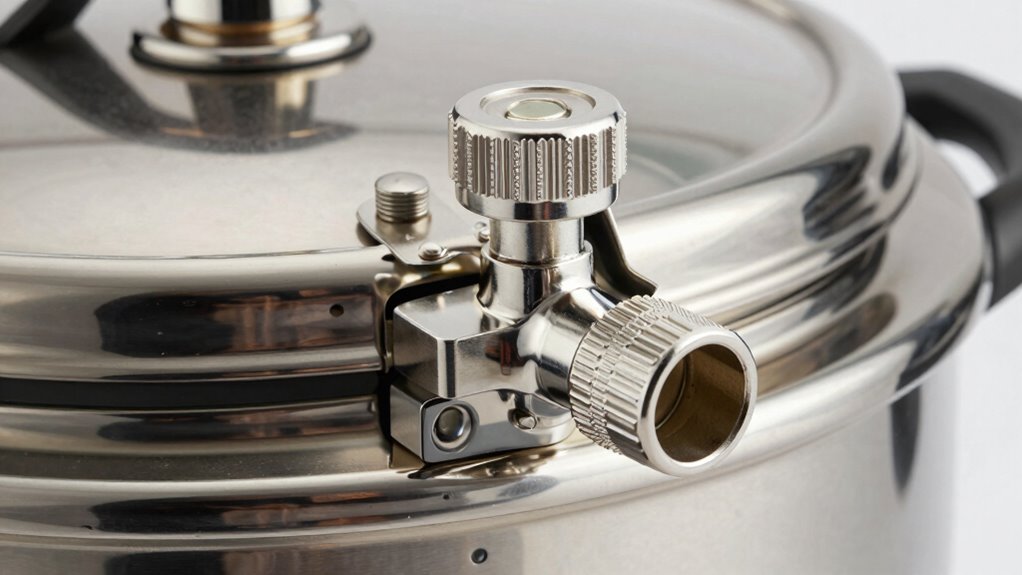
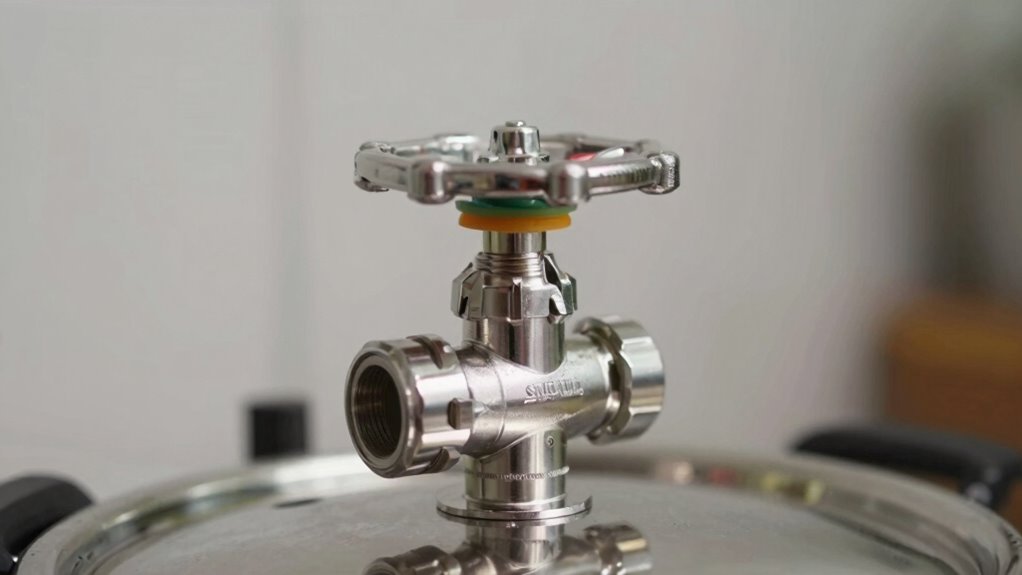
When shopping for a cooker, understanding the safety valve is essential, as it plays a critical role in preventing accidents. The safety valve is designed to release excess pressure, ensuring the cooker doesn’t become dangerously over-pressurized during use. This small but vital component acts as a safeguard, releasing steam when internal pressure reaches a preset limit, which helps prevent potential explosions or malfunctions. Recognizing how the safety valve works and its condition can make a significant difference in your safety and the longevity of your cooker.
One of the most important aspects to consider is pressure release. A properly functioning safety valve should release pressure smoothly and consistently when needed. If it fails to do so, pressure can build up beyond safe levels, risking damage or accidents. During your valve inspection, check that the valve moves freely and isn’t stuck or obstructed by debris, corrosion, or residue. A jammed valve can prevent proper pressure release, which is dangerous. It’s also wise to inspect the valve for any signs of damage, such as cracks or corrosion, as these can impair its ability to function correctly. Regular pressure release checks are vital to ensure ongoing safety.
Ensure your safety valve moves freely, free of debris, cracks, or corrosion for reliable pressure release.
Regular valve inspection should be part of your routine maintenance. Before each use, verify the valve is clean, free from food particles, or any other blockages that could hinder pressure release. Use a soft brush or cloth to gently clean around the valve. If your cooker has a safety lock or indicator, confirm that it’s operating properly and that the valve’s mechanism isn’t compromised. If you notice any irregularities—such as difficulty in pressing the valve, strange noises, or if it doesn’t release pressure at all—you should have it checked or replaced immediately. A faulty safety valve compromises safety, and ignoring such issues can lead to dangerous situations. Additionally, understanding the design features of safety valves can help you identify potential issues early. Being aware of manufacturing standards can also assure you of the safety and reliability of the component. Proper maintenance practices can extend the lifespan of the safety valve and ensure it functions optimally.
Understanding the importance of a properly functioning safety valve and performing routine pressure release checks and valve inspections help you use your cooker safely and effectively. Never ignore signs of wear or malfunction, as they can lead to serious accidents. When in doubt, consult the manufacturer’s instructions or seek professional help to confirm your safety features are in top condition. Remember, the safety valve is your first line of defense against over-pressurization, so giving it proper attention is crucial. With diligent inspection and maintenance, you can enjoy your cooker with peace of mind, knowing that this critical safety feature is working as intended. Regular safety valve inspections and understanding how it functions are essential for safe cooking.
As an affiliate, we earn on qualifying purchases.
Frequently Asked Questions
How Often Should the Safety Valve Be Inspected or Replaced?
You should inspect your pressure release valve at least once a year to guarantee proper valve maintenance. Look for signs of wear, corrosion, or damage, and replace the valve if you notice any issues. Regular inspections help prevent accidents and ensure safe cooker operation. Always follow the manufacturer’s guidelines for replacement intervals, and remember, a well-maintained safety valve is essential for safe pressure release and overall safety during cooking.
Can a Safety Valve Be Repaired or Only Replaced?
Think of your safety valve as the heart of your cooker’s safety system—can it be repaired or only replaced? Usually, a safety valve can only be repaired if the issue is minor, but significant damage or wear demands replacement. Regular safety valve maintenance is essential to meet cooker safety standards. If you’re unsure, consult a professional, because neglecting this step could turn safety into a risky game.
What Signs Indicate a Faulty or Malfunctioning Safety Valve?
If your safety mechanism or valve shows signs of malfunction, it’s vital to pay attention. Look for excessive steam leaks, difficulty in releasing pressure, or if the valve doesn’t respond during pressure buildup. These are signs your safety valve might be faulty. Regular valve maintenance is essential for safety. If problems persist, replace the valve instead of attempting repairs, ensuring your cooker remains safe and effective.
Are Safety Valves Standard Across All Cooker Brands?
You might think safety valves are a given, but not all cookers have them as standard. Safety valve materials and manufacturer standards vary, so it is crucial to check if your chosen brand includes a reliable safety valve. Some models meet strict standards, ensuring your safety, while others might not. Always read product specifications carefully; don’t put all your eggs in one basket without confirming safety features are up to snuff.
How Does Altitude Affect Safety Valve Function?
Altitude impacts safety valve function because higher elevations require altitude adjustment to guarantee proper pressure regulation. You need to check if your cooker’s safety valve is designed for your altitude, as it may need valve calibration. Without proper adjustment, the valve might release pressure too early or too late, risking safety. Always follow manufacturer instructions for altitude adjustment to keep your cooker functioning safely and efficiently at different elevations.
pressure cooker valve replacement
As an affiliate, we earn on qualifying purchases.
As an affiliate, we earn on qualifying purchases.
Conclusion
Understanding the safety valve is like knowing the gentle rhythm of a lighthouse guiding you through calm and stormy seas. Before choosing your cooker, make sure this essential feature is in tune with your needs, offering peace of mind like a warm, steady breeze. When you pay attention to these details, you’re not just buying a cooker — you’re inviting a trusted companion into your kitchen, ready to serve safely and reliably, no matter what culinary adventures await.
As an affiliate, we earn on qualifying purchases.
As an affiliate, we earn on qualifying purchases.
Halloween Picks
halloween
As an affiliate, we earn on qualifying purchases.