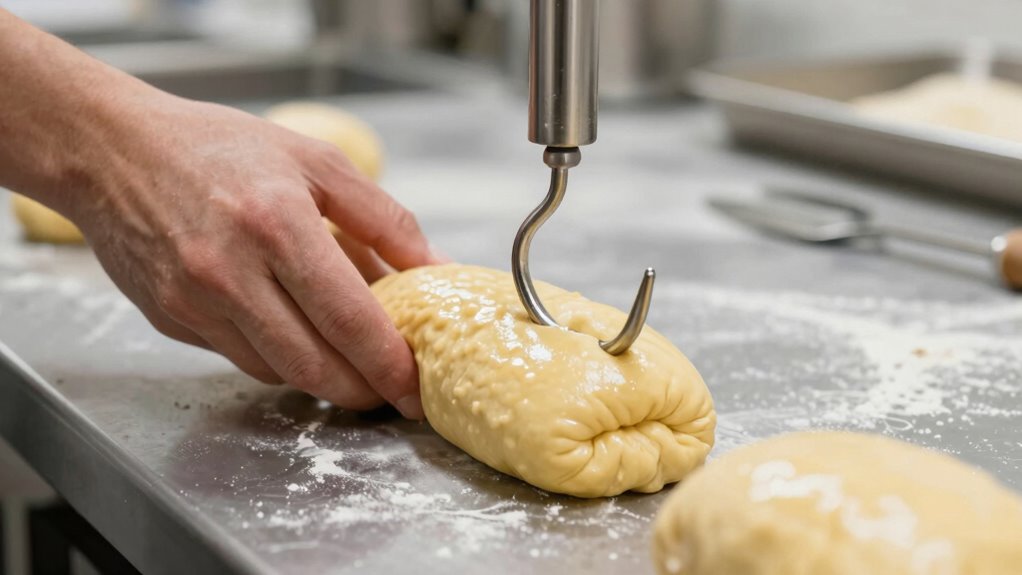

To prevent dough from climbing the hook and making a mess, make certain your dough has proper hydration—it should be tacky but not sticky. Start mixing at low speed and gradually increase, as high speeds can cause climbing. Ensure the hook is tightly secured in the mixer, and use appropriate tools like scrapers for sticky doughs. Paying attention to dough consistency and adjusting accordingly helps keep things tidy. Explore more tips to keep your baking stress-free.
Listen free for 30 days with Audible
Thousands of audiobooks and originals — cancel anytime.
As an affiliate, we earn on qualifying purchases.
Key Takeaways
- Ensure the dough has proper hydration to prevent it from becoming overly sticky and climbing the hook.
- Secure the hook tightly to avoid wobbling and irregular spinning during mixing.
- Start mixing at low speed and gradually increase to control dough movement and reduce splattering.
- Use a scraper or paddle attachment suited for sticky or high-hydration doughs to keep dough contained.
- Regularly scrape down the bowl sides to prevent dough from climbing and sticking to the mixer.
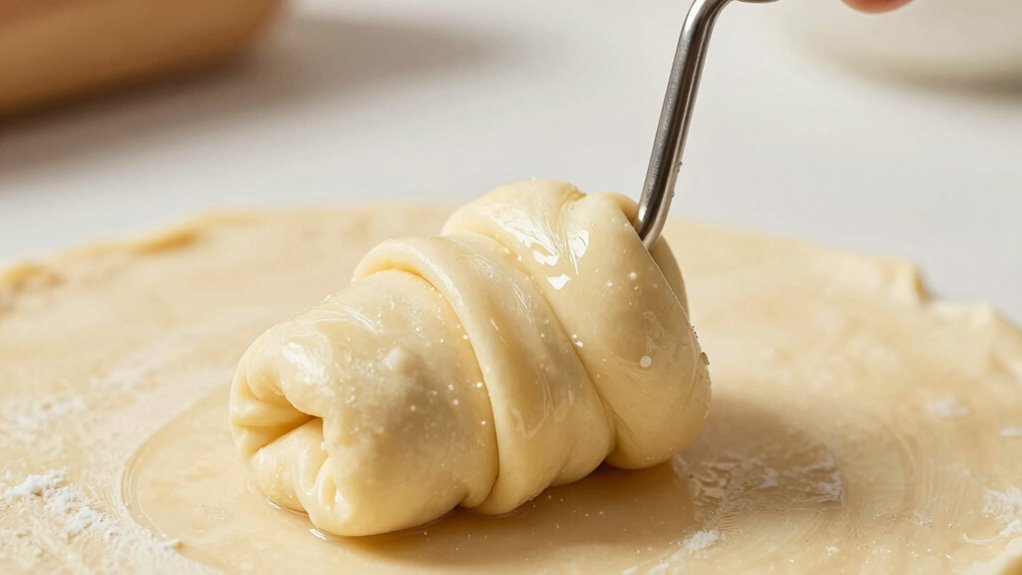
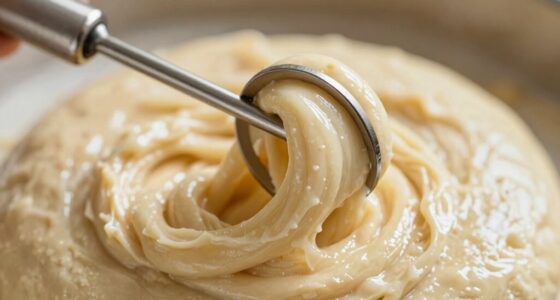
Ever wondered why dough often climbs up the hook and creates a mess during mixing? It’s a common frustration, but understanding a few key factors can help you prevent this. One of the main reasons dough climbs the hook is because of improper dough hydration. If your dough is too wet, it becomes sticky and loose, making it more prone to climbing and splattering. On the other hand, if it’s too dry, it’ll be stiff and difficult to knead. Achieving the right dough hydration is essential. You want a dough that’s tacky but not overly sticky — it should stick to itself without sticking excessively to the sides of the bowl or the hook. Adjust your water or liquid gradually, adding small amounts until you reach that perfect balance. This will not only improve the texture but also minimize the chances of the dough climbing the hook during mixing. Proper dough consistency is crucial for a smooth baking process and to prevent messes.
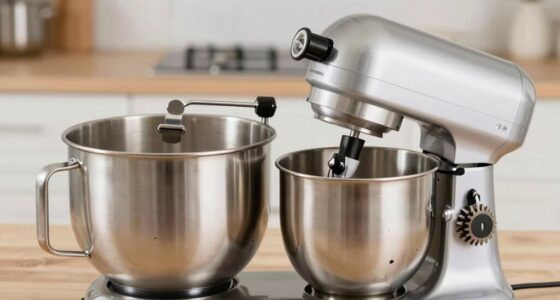
Another critical element is hook tension, which refers to the connection between the hook and the mixer’s motor. If your hook is loose or not properly secured, it can wobble or spin irregularly, causing the dough to climb and make a mess. Make sure the hook is tightly fitted into the mixer’s attachment point before starting. A well-secured hook ensures even mixing and reduces unnecessary movement, which keeps the dough from climbing up and sticking to the sides of the bowl or splattering out. It’s a simple check that can save you from cleaning up a sticky disaster later.
The speed at which you mix also plays a role. Starting at a low speed helps the dough come together gradually, preventing the hook from pulling on the dough too aggressively. Once the ingredients are combined, you can increase the speed slightly, but avoid going too fast too soon. This controlled approach reduces the likelihood of the dough climbing the hook and splattering everywhere.
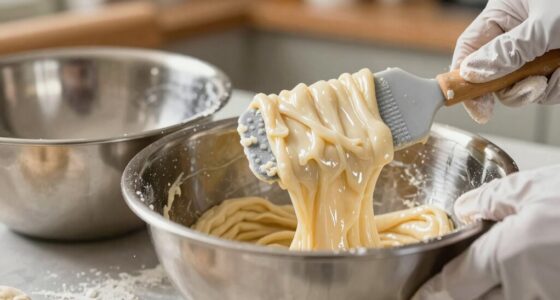
Finally, consider the type of dough you’re working with. Some recipes naturally produce wetter or stickier doughs, which are more prone to climbing. In those cases, you might want to use a dough scraper or paddle attachment designed to handle sticky doughs better. Regularly scraping down the sides of the bowl during mixing can also help keep everything contained and prevent the dough from climbing up the hook.
As an affiliate, we earn on qualifying purchases.
Frequently Asked Questions
Can the Type of Flour Affect Dough Climbing the Hook?
Yes, the type of flour affects dough climbing the hook. Flours with higher protein content, like bread flour, develop more gluten, which creates a stronger dough structure. This increased gluten development can cause the dough to stick to the hook more easily and climb. Using lower-protein flours, like all-purpose or cake flour, results in less gluten and reduces the likelihood of dough climbing the hook, keeping your mixing cleaner.
Does the Humidity in My Kitchen Influence Dough Behavior?
Did you know that humidity levels can vary by 20% in different kitchens? Yes, your kitchen environment directly influences dough behavior. Higher humidity keeps dough moist and sticky, making it more prone to climbing the hook. Conversely, low humidity dries out dough, leading to less stickiness. Adjust your recipes or environment accordingly, perhaps by adding a bit more flour or controlling humidity, to prevent messes and keep your dough manageable.
Should I Adjust Recipe Ingredients to Prevent Dough Messes?
Yes, you should adjust your ingredients to prevent dough messes. If your dough is too sticky or runs up the hook, consider tweaking the dough consistency by adding a little more flour or reducing liquids. These ingredient adjustments help control the dough’s texture, making it easier to work with and preventing it from climbing the hook. Always adjust gradually and observe how your dough responds to find the perfect balance.
How Does the Mixing Speed Impact Dough Climbing Issues?
Adjusting your mixing speed directly impacts dough adhesion and climbing issues. Using a low to medium speed helps prevent the dough from climbing the hook, reducing messes. High speeds can cause excessive aeration and stickiness, making the dough cling to the hook and climb. Keep the mixing speed steady and moderate throughout, especially during initial mixing, to maintain control and prevent dough from climbing and creating a mess.
Can Using Different Mixers Reduce Dough Climbing Problems?
Yes, using different mixers can reduce dough climbing problems. Proper mixer maintenance guarantees the machine operates smoothly, preventing uneven mixing that causes dough to climb the hook. Additionally, different mixers may handle dough consistency better, especially for sticky or high-hydration doughs. Choosing the right equipment and maintaining it regularly helps control dough behavior, minimizes messes, and results in a cleaner, more efficient mixing process.
As an affiliate, we earn on qualifying purchases.
Conclusion
To keep your baking tidy, make sure your dough isn’t too sticky by properly hydrating it and using enough flour on your work surface. Regularly check your mixer’s hook and adjust speed if needed. Did you know that over 60% of home bakers report frustration with dough climbing the hook? By following these simple tips, you’ll avoid messes and enjoy smoother, more enjoyable baking sessions every time.
kitchen mixer attachments for bread
As an affiliate, we earn on qualifying purchases.
As an affiliate, we earn on qualifying purchases.
high hydration dough mixing tools
As an affiliate, we earn on qualifying purchases.
As an affiliate, we earn on qualifying purchases.
Flea & tick season Picks
flea and tick prevention
As an affiliate, we earn on qualifying purchases.