
Dill seeds and dill leaves have distinct jobs in your kitchen and health routines. You’ll find that the leaves add fresh, tangy flavor to salads and garnishes, while the seeds bring warm, earthy notes to pickles, breads, and stews. Nutritionally, both offer health benefits — seeds aid digestion, and leaves boost antioxidants. Their medicinal uses also differ, so knowing these differences helps you use the right part for your needs; explore further to discover more.
Key Takeaways
- Dill leaves are used fresh or dried for flavoring salads, sauces, and garnishes, while dill seeds are dried and used in pickling, baking, and spice blends.
- The leaves have a bright, tangy flavor suited for fresh dishes; seeds have a stronger, earthier taste ideal for preserved and hearty foods.
- Dill leaves support digestion and inflammation reduction; dill seeds help with bloating, gas, menstrual discomfort, and act as a mild diuretic.
- Both parts contain essential oils with antimicrobial properties, but their applications differ based on flavor profile and culinary use.
- Nutritionally, dill leaves are rich in vitamins and antioxidants for overall health; seeds offer concentrated flavor and medicinal benefits.

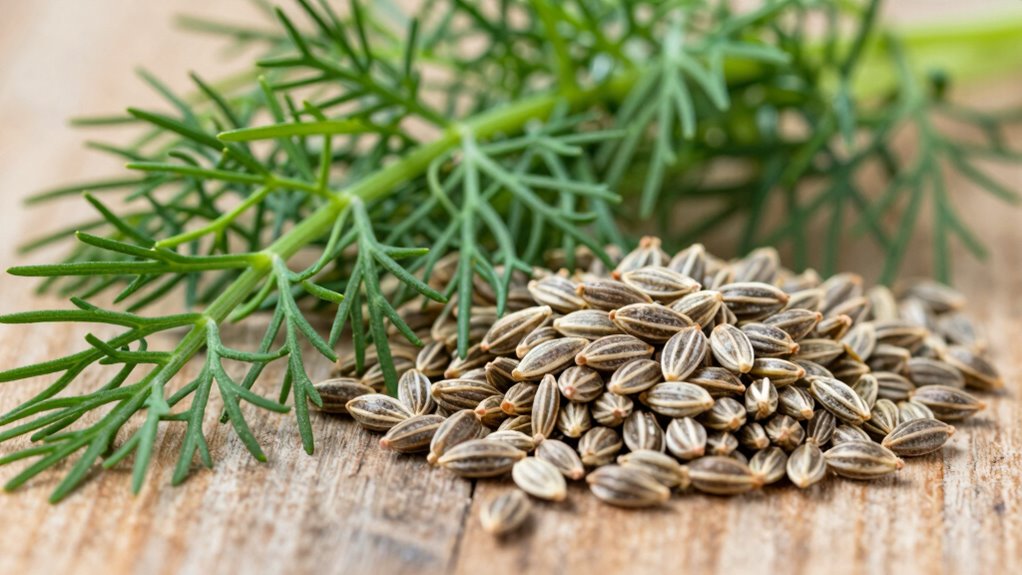
When it comes to using dill in your cooking, you might wonder whether to choose the seeds or the leaves. Both parts of the plant bring unique flavors and benefits, but they serve very different purposes in your culinary and medicinal routines. Dill leaves, also called dill weed, are fresh or dried and are prized for their bright, slightly tangy flavor. They’re a staple in salads, sauces, and garnishes, adding a fresh, herbal note that enhances many dishes. Their culinary uses are versatile—they can be sprinkled over potatoes, fish, or cucumber salads to impart a delicate, aromatic touch. In addition to their culinary appeal, dill leaves also have medicinal properties. They’re known to aid digestion, reduce inflammation, and even help with sleep issues. Many people use dill leaf tea to soothe stomach discomfort or to promote relaxation, making it a popular natural remedy. Dill leaves are also rich in vitamins and antioxidants, supporting overall health and wellness.
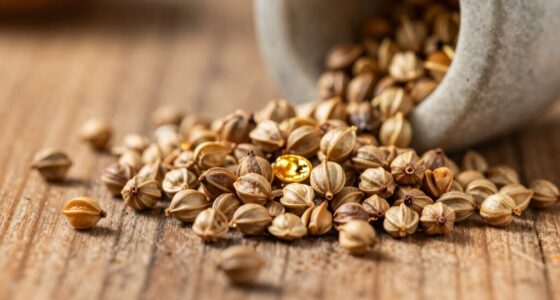
On the other hand, dill seeds are harvested when the plant flowers and are dried for use. They have a stronger, more concentrated flavor—earthier and somewhat more bitter than the leaves. Their culinary uses are quite different; you’ll often find dill seeds incorporated into pickling spices, bread recipes, or spice blends. They lend a warm, aromatic quality that complements hearty dishes and preserves. Because of their robust flavor, dill seeds are also used in curries, stews, and marinades, where their potent aroma can stand up to rich ingredients. Beyond their role in cooking, dill seeds boast notable medicinal properties. They’ve been traditionally used to relieve bloating, gas, and indigestion. Some cultures also believe dill seeds can help with menstrual discomfort and act as a mild diuretic. The seeds contain essential oils with antimicrobial and antioxidant effects, which contribute to their reputation as a natural remedy.

The Spice Way Dill Seed – Dill seeds for pickling, vegetables, pasta, salads and soups. 8 oz Dill Weed Seeds dill seasoning
DILL SEEDS – flavorful seeds that have so many uses. pickles, seafood, vegetables, dill pickle soup and more.
As an affiliate, we earn on qualifying purchases.
As an affiliate, we earn on qualifying purchases.
Frequently Asked Questions
Can Dill Seeds and Leaves Be Used Interchangeably in Recipes?
No, you can’t use dill seeds and leaves interchangeably in recipes because their flavor profiles and culinary uses differ markedly. Dill leaves offer a fresh, grassy taste ideal for salads and garnishes, while dill seeds have a warm, slightly spicy flavor perfect for pickling and seasoning. Substituting one for the other might alter your dish’s flavor, so it’s best to use each according to its specific culinary role.
How Do Dill Seeds and Leaves Differ Nutritionally?
Dill seeds and leaves differ markedly in nutritional content, offering unique health benefits. For example, dill seeds contain higher levels of dietary fiber and essential oils, which promote digestion and immune health. In contrast, dill leaves are rich in vitamins like A and C, supporting vision and immune function. These differences make each suitable for specific health benefits, so you should choose accordingly to maximize their nutritional advantages.
Are Dill Seeds and Leaves Harvested at Different Times?
Yes, dill seeds and leaves are harvested at different times. You’ll typically gather dill leaves when the plant reaches full maturity, usually during the flowering stage in late spring or early summer. In contrast, dill seeds are harvested once the plant has fully matured and the seed heads turn brown and dry. Timing is key, so pay attention to the plant’s growth cycle to guarantee you harvest at the right moment.
Do Dill Seeds and Leaves Have Distinct Storage Requirements?
Yes, dill seeds and leaves have distinct storage requirements. You should store dill seeds in an airtight container in a cool, dark, and dry place to preserve their flavor and potency. For dill leaves, especially fresh ones, keep them refrigerated in a plastic bag or airtight container, and use them within a few days. Proper storage methods and preservation techniques maintain both retain their aroma and quality longer.
What Are the Traditional Dishes That Prominently Feature Dill Seeds Versus Leaves?
Think of dill as a versatile artist, painting flavors across dishes. Dill seeds often star in pickling traditions, adding deep warmth and spice, especially in Scandinavian and Eastern European cuisines. Meanwhile, dill leaves brighten herbal teas and salad dressings, common in Mediterranean and Middle Eastern recipes. Both bring unique character, with seeds offering robust taste and leaves providing fresh, herbaceous notes, making each essential in its culinary canvas.

APSOGO Organic Dried Dill Weed (Anethum Graveolens) – Greek Premium Dill Seasoning – Fresh Aromatic Herb for Cooking – Organic Dill Leaves – Resealable Eco Pouch 1.76oz
PREMIUM ORGANIC GREEK DILL – SUPERIOR ORIGIN – Sourced from certified organic farms in Greece, our dried dill…
As an affiliate, we earn on qualifying purchases.
As an affiliate, we earn on qualifying purchases.
Conclusion
Remember, dill seeds and leaves are like two sides of the same coin—each playing a unique role in your culinary symphony. While seeds are the quiet, sturdy bass notes adding warmth and depth, leaves are the bright, lively melody that brings freshness to your dish. Embrace their differences, and you’ll craft flavors that dance beautifully on the palate. Like a well-orchestrated tune, your cooking becomes richer, more vibrant, simply irresistible.
The Spice Way Dill Seed – Dill seeds for pickling, vegetables, pasta, salads and soups. 8 oz Dill Weed Seeds dill seasoning
DILL SEEDS – flavorful seeds that have so many uses. pickles, seafood, vegetables, dill pickle soup and more.
As an affiliate, we earn on qualifying purchases.
As an affiliate, we earn on qualifying purchases.

Amazon Grocery, Organic Dill, 0.5 Oz
One 0.5 ounce package of Organic Dill
As an affiliate, we earn on qualifying purchases.
As an affiliate, we earn on qualifying purchases.