
When choosing cookware, you’ll find riveted handles are sturdy but have crevices that trap dirt, making cleaning more difficult. Welded handles are seamless, offering smoother surfaces that resist grime buildup and are easier to wipe clean. Durability varies based on quality, but welded handles generally last longer thanks to fewer weak points. Understanding these differences helps you pick the best option for your cooking style—if you keep going, you’ll discover tips to maintain and choose the perfect handle for your needs.

Get kitchen staples and gadgets delivered free — and shop member deals
- Fast, free delivery on millions of items
- Access to Prime Big Deal Days deals on October 6–7
- Prime Video, Amazon Music and more included
Key Takeaways
- Riveted handles have crevices around the rivets that trap food and grime, making cleaning more difficult.
- Welded handles feature seamless surfaces, which are easier to wipe clean and resist dirt buildup.
- Crevices in riveted handles require extra effort and tools for thorough cleaning, increasing maintenance time.
- Seamless welded handles reduce crevices, minimizing dirt trapping points and simplifying hygiene routines.
- Proper handle design and material choice influence cleaning ease and long-term cookware hygiene.
welded cookware with seamless handles
As an affiliate, we earn on qualifying purchases.
As an affiliate, we earn on qualifying purchases.
What Are Riveted and Welded Handles?
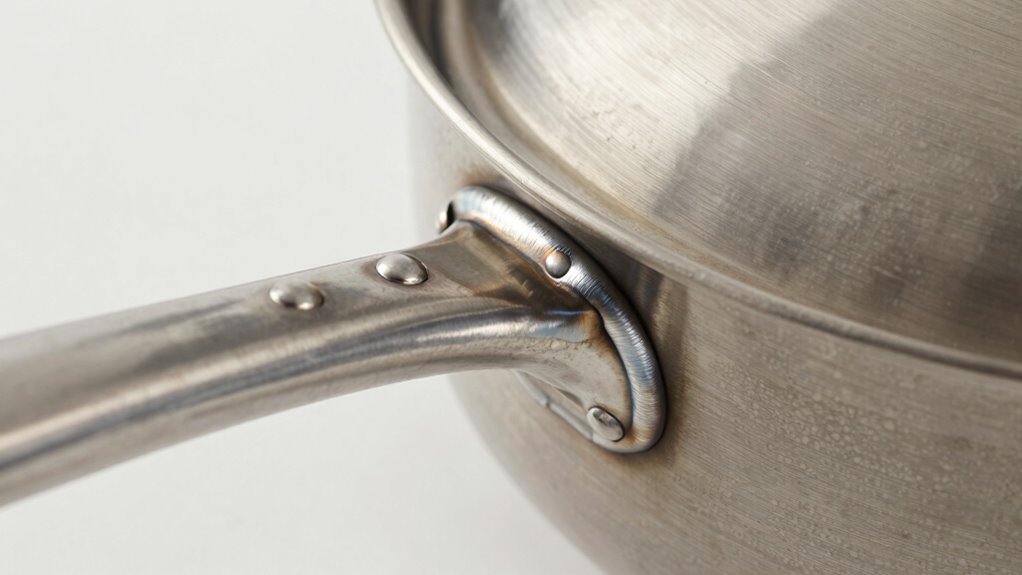
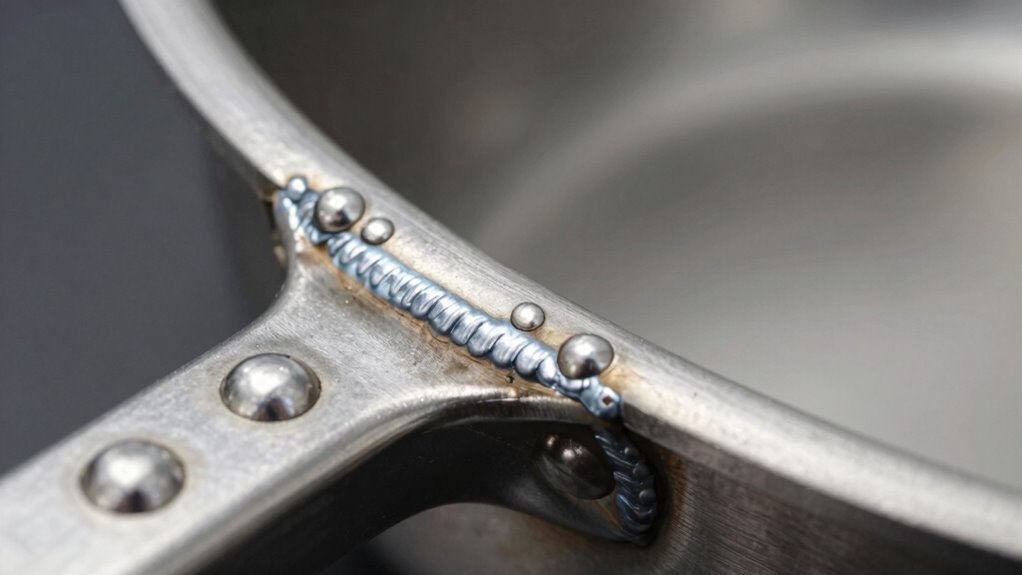
When it comes to attaching handles, two common methods are riveting and welding. Riveted handles involve inserting a metal pin through the handle and the cookware, securing it firmly. This method often enhances handle insulation, as the rivet acts as a barrier, reducing heat transfer. It also offers a traditional, sturdy look that many find appealing. Welding, on the other hand, fuses the handle directly onto the pan with intense heat, creating a seamless connection. This method results in a sleek, clean appearance that boosts aesthetic appeal. While welds may lack the handle insulation properties of rivets, they provide a smooth surface with fewer crevices, which can make cleaning easier. Both techniques serve different needs, but each influences the handle’s functionality and visual style. Additionally, manufacturing processes play a significant role in determining the durability and quality of the handle attachment, especially regarding material strength and long-term performance. Properly executed manufacturing techniques ensure that handles withstand daily use without loosening or breaking over time.
riveted handle cookware cleaning tools
As an affiliate, we earn on qualifying purchases.
As an affiliate, we earn on qualifying purchases.
How Do Handle Attachment Methods Impact Cleaning and Maintenance?
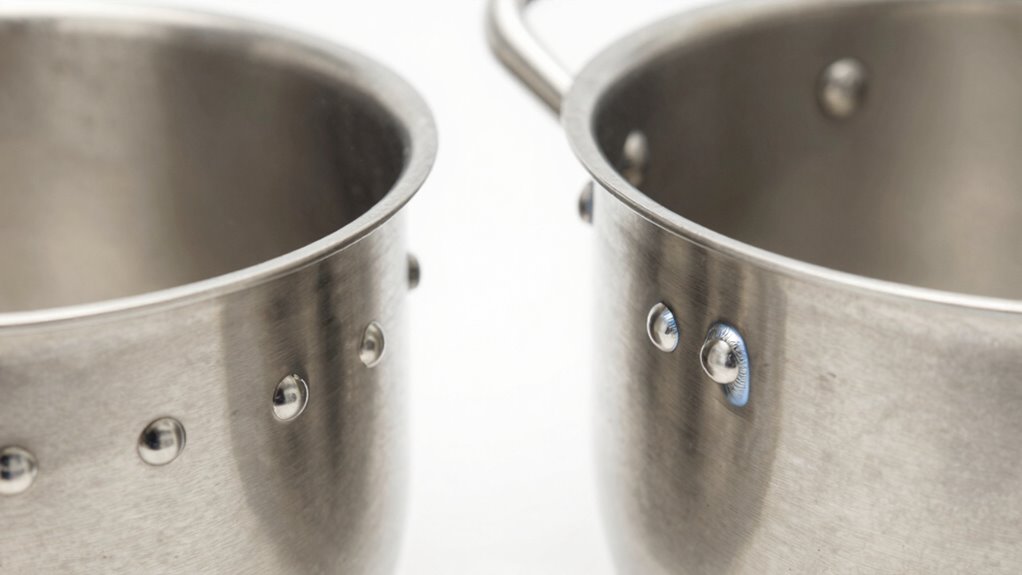
Riveted handles, with their protruding pins and crevices, can trap food particles and grime, making them harder to clean thoroughly. The handle design creates small spaces where dirt and residue can hide, reducing cleaning ease. You’ll find that scrubbing around rivets takes more effort and may require extra tools like brushes to reach tight spots. Additionally, advances in nanotechnology are beginning to influence cookware manufacturing, potentially leading to surfaces that resist dirt and grime more effectively. Surface treatments can also play a role in making handles more resistant to buildup and easier to maintain. When considering handle attachment methods, think about how handle design influences your maintenance routine. Handles that are easier to clean save you time and reduce the risk of buildup, helping keep your cookware sanitary and in good condition. Moreover, innovative materials are being developed to create handles that are more durable and easier to clean.
non-stick cookware with easy-to-clean handles
As an affiliate, we earn on qualifying purchases.
As an affiliate, we earn on qualifying purchases.
Which Handle Type Is More Durable and Long-Lasting?
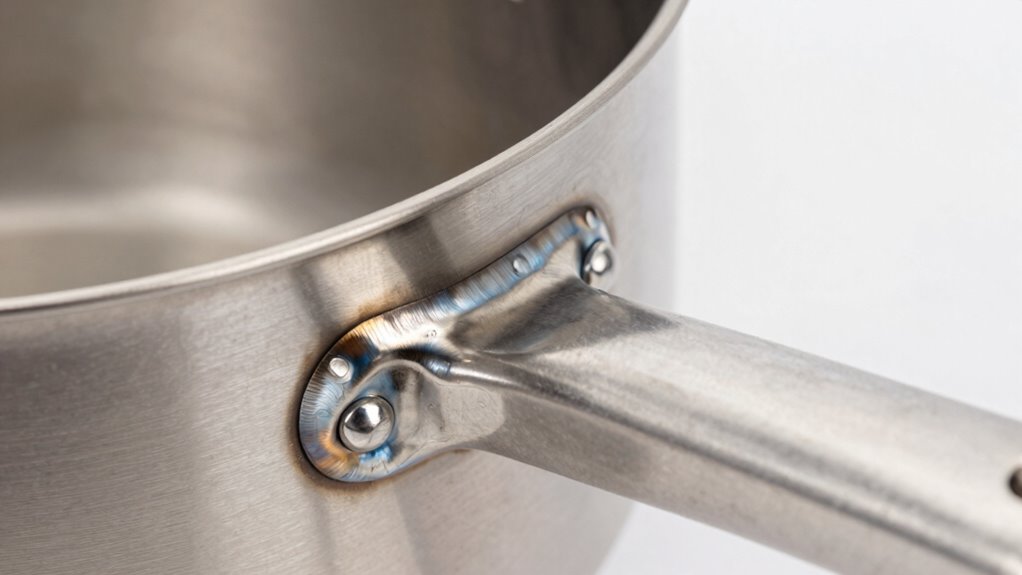
Welded handles generally offer greater durability and long-lasting performance because they form a seamless connection with the cookware, reducing the risk of failure over time. This method guarantees superior handle quality by eliminating weak points where cracks or loosening could develop. The material durability is typically higher because the welds are less prone to corrosion or wear. When considering handle longevity, welded options tend to withstand high temperatures and frequent use better. Additionally, weld quality plays a crucial role in ensuring the long-term stability of the handle, making it an important factor to consider when selecting cookware. A manufacturing process that emphasizes precision and quality control can further improve the longevity of welded handles, providing peace of mind for the user. Proper quality control measures during production can prevent defects that might compromise handle durability over time. Ensuring that the handles are properly welded during assembly is essential for maximizing their durability and safety in everyday use. Moreover, understanding the material compatibility between the handle and the cookware can help prevent issues like corrosion or detachment over time.
durable welded handle pots and pans
As an affiliate, we earn on qualifying purchases.
As an affiliate, we earn on qualifying purchases.
Why Are Riveted Handles Popular for Traditional Cookware?
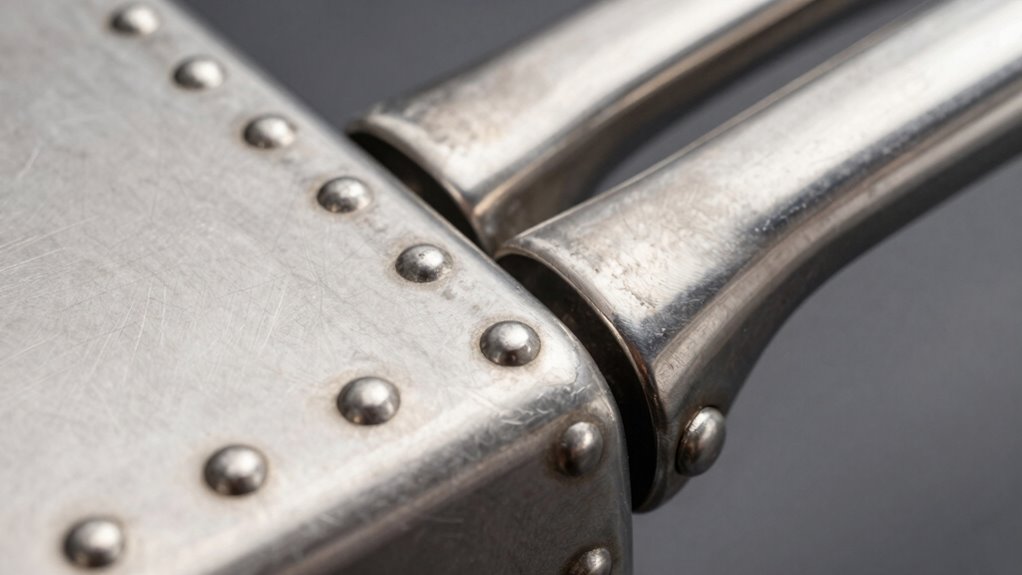
Many traditional cookware designs favor riveted handles because they offer a straightforward, reliable attachment method that has stood the test of time. Rivets provide a strong handle design, ensuring durability even with frequent use. This method works well across various materials, making it versatile for different cookware types, from cast iron to stainless steel. Riveted handles are less dependent on complex manufacturing processes, which keeps costs down and maintains a classic look. They also allow for secure attachment without relying on adhesives or welding, which can sometimes be less durable. Because of their proven stability and compatibility with many materials, riveted handles remain popular among cooks who value reliability and tradition in their cookware. Additionally, understanding auditory feedback can help manufacturers improve handle design and attachment techniques for better durability and user experience. Emphasizing manufacturing quality can further enhance the longevity of riveted handles and the overall cookware. Proper handling techniques can also extend the lifespan of riveted handles by reducing undue stress during use.
What Makes Welded Handles Easier to Clean and Maintain?
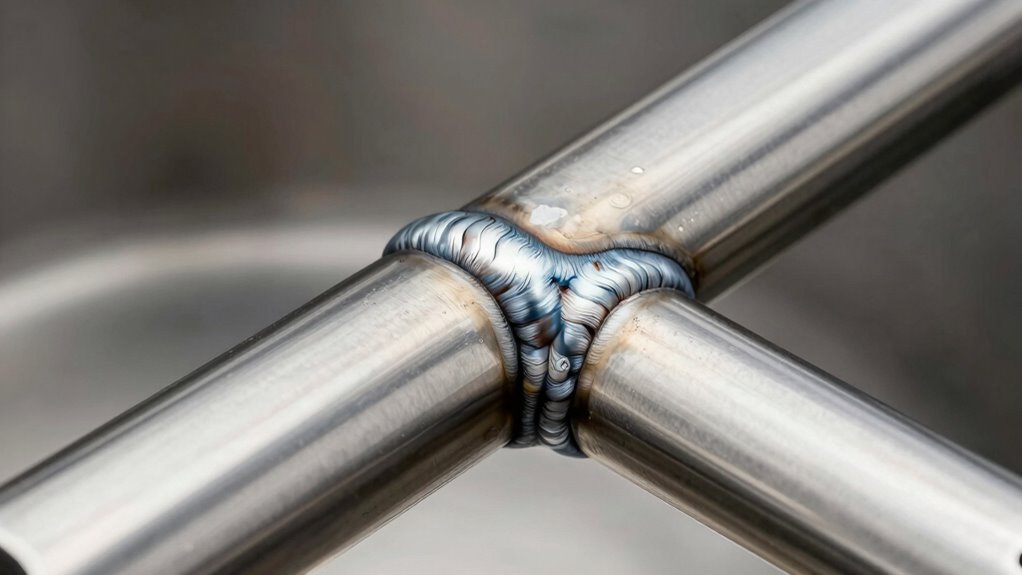
Welded handles have a smooth, seamless surface that makes cleaning straightforward. With fewer nooks and crannies, food and grime don’t get trapped as easily. This design allows you to wipe down your cookware quickly and keep it looking new. Additionally, ease of maintenance is often improved with welded handles due to their simple, uniform surface. The cleaning process is simplified because there are no joints or crevices where dirt can accumulate. Furthermore, the design simplicity of welded handles contributes to overall durability and longevity of the cookware. Because of these benefits, welded handles are often preferred for their minimal maintenance requirements, which aligns with the principles of modern home design emphasizing efficiency and ease of care.
Seamless Surface Design
Because seamless surfaces lack gaps or joints, welded handles are much easier to clean and maintain. Without crevices, food and grime can’t hide, making cleanup quicker and more effective. The smooth, uninterrupted surface enhances handle ergonomics, allowing for a comfortable grip and reducing strain during use. Additionally, the sleek design boosts aesthetic appeal, giving your cookware a modern, polished look. When cleaning, you’ll appreciate the absence of hard-to-reach spots that riveted handles often create. This seamless design also minimizes corrosion risks, ensuring longevity. For ideal performance, look for handles with:
- Continuous surface without gaps
- Smooth finish for easy wiping
- No joints or seams to trap debris
- Enhanced handle ergonomics for comfort
- Sleek aesthetic appeal that complements cookware design
- Corrosion resistance, which is more achievable with welded handles due to their seamless construction.
A seamless surface also reduces the likelihood of debris accumulation, making maintenance even simpler. Additionally, seamless surface design can help prevent the buildup of bacteria, promoting safer and more hygienic use. Research indicates that material choice plays a crucial role in corrosion resistance and durability, further enhancing handle longevity.
Fewer Nooks and Crannies
Fewer nooks and crannies make welded handles considerably easier to clean and maintain. Without rivets or seams, the smooth, continuous surface minimizes areas where dirt, grease, and food particles can hide. This streamlined design enhances handle ergonomics, allowing you to grip and wipe down the handle effortlessly. Additionally, a seamless surface boosts aesthetic appeal, giving your cookware a sleek, modern look. You won’t have to worry about catching residue in crevices, making routine cleaning quicker and more effective. This simplicity not only improves hygiene but also prolongs the handle’s lifespan by reducing corrosion risks associated with trapped debris. Overall, welded handles with fewer nooks and crannies offer a practical, attractive solution that keeps your cookware easier to maintain. Using support breakfast concepts, such as supporting local sources and streamlined designs, can inspire you to choose cookware that aligns with your values of quality and ease of care.
Easier to Wipe Down
Since welded handles create a seamless connection, they eliminate the small gaps and crevices where dirt, grease, and food particles tend to hide, making them much easier to wipe clean. Without seams or rivets, you’ll find cleaning requires less effort and fewer tools. Additionally, welded handles often provide better grip comfort, so you can clean more thoroughly without discomfort. Their smooth surface enhances aesthetic appeal, giving your cookware a sleek look. To maximize ease of cleaning, look for handles that:
- Have a smooth, continuous surface
- Resist staining and discoloration
- Require minimal scrubbing
- Don’t trap debris
- Maintain their appearance over time
This combination of design features ensures welded handles stay cleaner with less maintenance, making your cooking routine more efficient.
What Problems Can Handle Attachment Failures Cause?
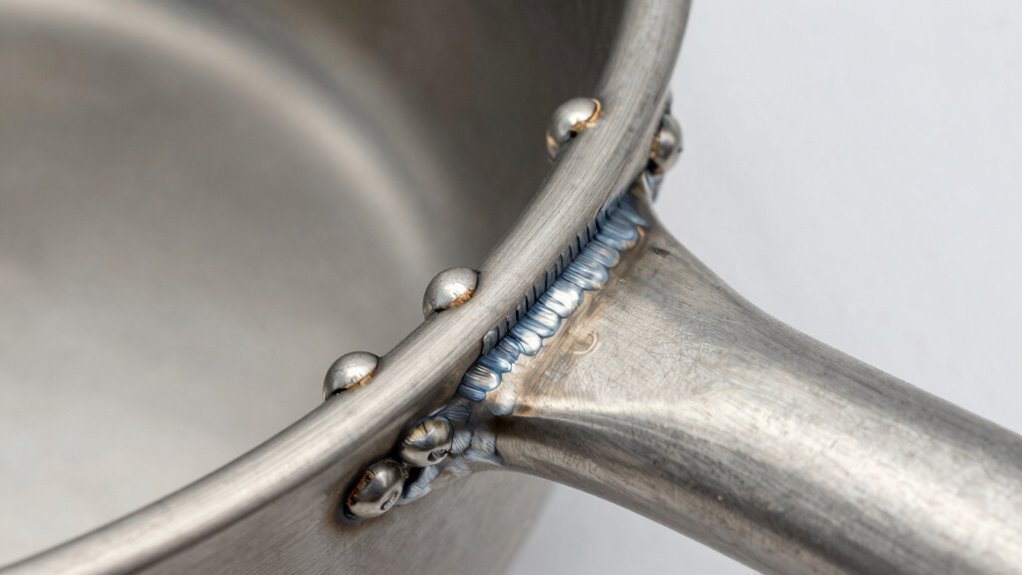
Handle attachment failures can lead to unexpected detachment, which might cause accidents or damage. These failures not only disrupt operations but also pose serious safety risks to you and others nearby. Understanding these problems helps you choose the right attachment method to prevent such issues.
Handle Detachment Risks
When handle attachments fail, the consequences can be serious, leading to safety risks and operational disruptions. A detached handle can cause hot cookware to slip, risking burns or spills. Handle detachment also damages the cookware’s aesthetic appeal, making it look worn or unsafe. The choice of handle material influences attachment strength, affecting overall durability. Weak attachments may loosen over time, especially with frequent cleaning or thermal stress. To avoid these issues, consider:
- Using sturdy rivets or welds for secure attachment
- Selecting handle materials suited for high temperatures
- Ensuring proper installation techniques
- Regularly inspecting handle integrity
- Prioritizing safety over aesthetics in attachment design
Proper handle attachment not only protects your safety but also maintains the cookware’s appearance and longevity.
Safety Concerns Arising
A failure in handle attachment can pose serious safety risks, potentially causing accidents that result in burns or spills. Handle corrosion weakens the connection over time, increasing the chance of detachment during use. When a handle fails unexpectedly, hot cookware can fall, leading to burns or dangerous spills. Poor ergonomic design can exacerbate these risks by making handles harder to grip securely, especially when wet or greasy. If the attachment isn’t sturdy, you might struggle to lift or maneuver your cookware safely. Riveted handles generally resist corrosion better and maintain strength longer, reducing the risk of failure. Welded handles, if not properly finished, may be more prone to corrosion or cracking, which can compromise safety. Ensuring a durable, corrosion-resistant, and ergonomically sound attachment is vital for safe cooking.
Which Handle Attachment Is Best for Your Cooking Style and Needs?
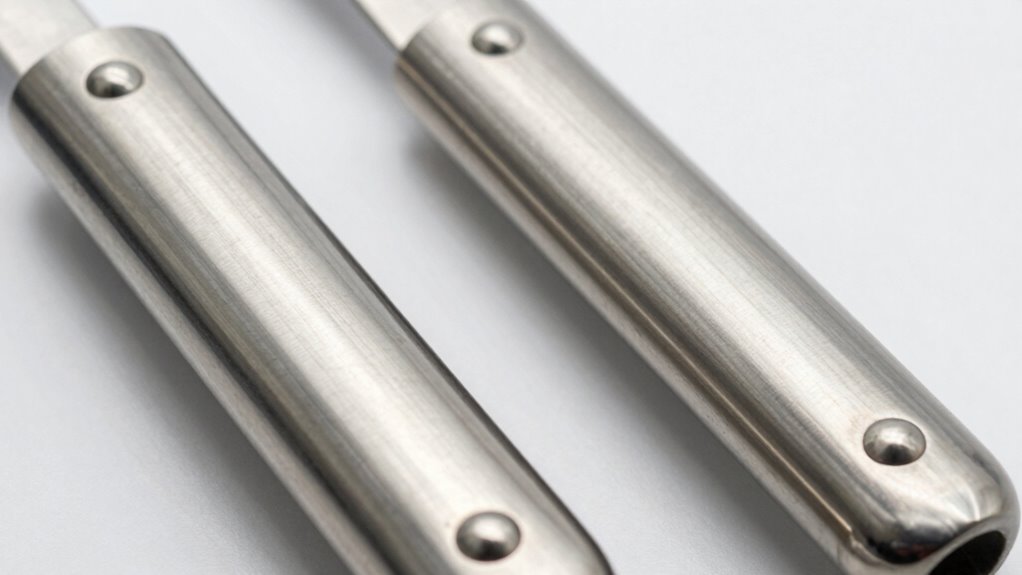
Choosing the right handle attachment depends on how you cook and what you prioritize in your kitchen. Your decision should consider the handle material and ergonomic design, ensuring comfort and durability. If you prefer lightweight cookware, look for handles made from materials like silicone or bakelite. For heavy-duty use, stainless steel handles provide strength and longevity. Consider ergonomic design if you value comfort during prolonged cooking sessions.
Here are key points to guide your choice:
- Handle material impacts heat transfer and cleaning ease
- Ergonomic design offers better grip and comfort
- Riveted handles tend to be more secure
- Welded handles provide a sleek look and fewer crevices
- Your cooking style influences whether durability or ease of maintenance matters most
How to Choose Cookware Handles Based on Construction and Use
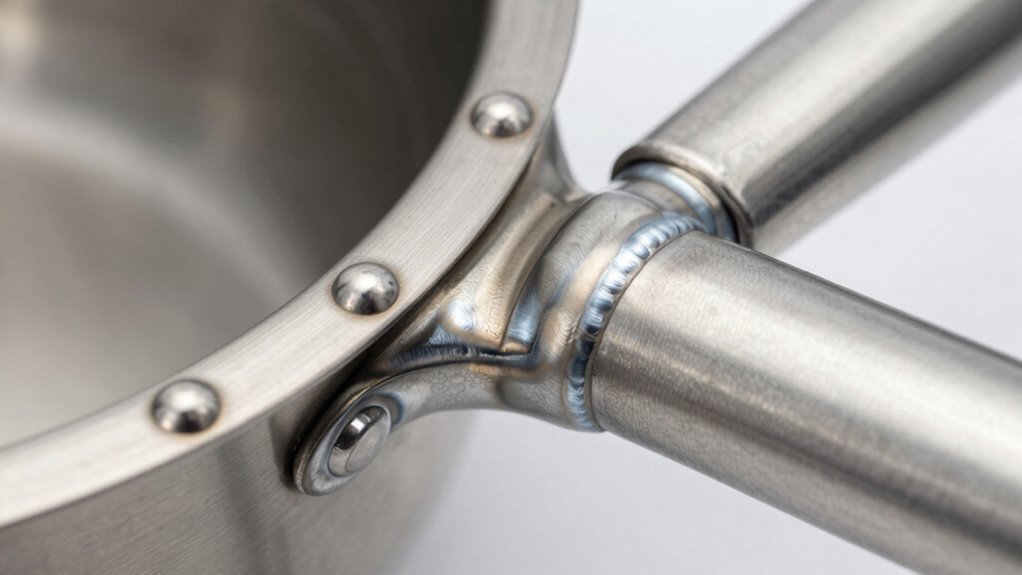
The way cookware handles are constructed substantially affects their durability, safety, and ease of use. When choosing handles, consider the handle material—metal, silicone, or heat-resistant plastic—as each offers different heat transfer and grip qualities. Metal handles are durable and oven-safe but can get hot, so an ergonomic design with a comfortable grip is essential. Silicone or plastic handles tend to stay cool and provide better control, especially for frequent use. Assess your cooking style: if you often transfer pots from stove to oven, opt for handles with an ergonomic design that offers a firm, comfortable grip. The construction—riveted or welded—also influences stability and cleaning. Prioritize handles that match your needs for safety, comfort, and longevity.
Maintenance Tips to Keep Riveted and Welded Handles in Top Shape
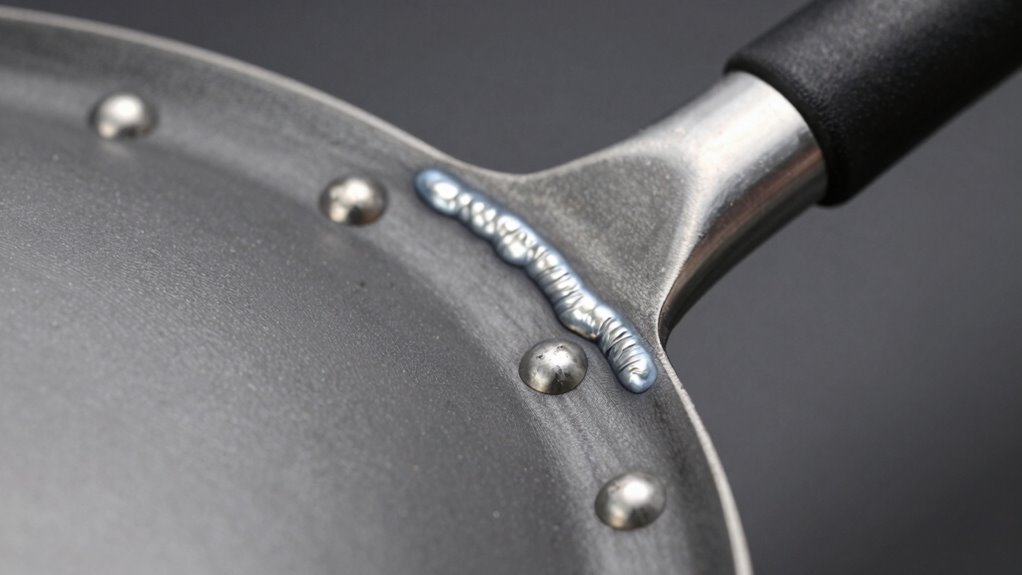
Regular maintenance is essential to keep riveted and welded handles in ideal condition, ensuring safety and durability over time. To preserve the handle material and ergonomic design, clean handles after each use with mild soap and warm water. Regularly inspect for looseness or corrosion, tightening rivets or addressing weld issues promptly. Avoid abrasive cleaners that can damage finishes or compromise structural integrity. Keep handles dry to prevent rust or deterioration, especially for metal handles. Consider applying a light coating of mineral oil or handle-specific protectant for added longevity.
- Check for loose rivets or welds
- Clean handle material gently
- Avoid harsh scrubbers or abrasives
- Dry handles thoroughly after washing
- Maintain ergonomic design for comfort
Frequently Asked Questions
Are Riveted Handles More Prone to Bacteria Buildup Than Welded Handles?
Yes, riveted handles are more prone to bacteria accumulation than welded handles because the rivet holes can trap dirt and grime. This makes cleaning more difficult, especially around the rivets, increasing the chance of bacteria hiding in hard-to-reach spots. Welded handles usually have a smoother surface with fewer crevices, making cleaning easier and reducing bacteria buildup. So, if easy cleaning is your priority, welded handles are a better choice.
How Do Handle Types Affect Cookware’s Overall Safety During Cooking?
Handle types substantially influence your cookware’s safety during cooking. Did you know that handles with poor stability can cause accidents, with 30% of kitchen injuries linked to handle failures? Riveted handles often provide better stability and ergonomic design, reducing slips and burns. Welded handles, while sleek, may lack the same grip, increasing risk. Choose cookware with secure, ergonomically designed handles to guarantee safer, more comfortable cooking experiences.
Can Handle Attachment Methods Influence Heat Transfer to the Handle?
Yes, handle attachment methods influence heat transfer to the handle. If the handle material is poorly insulated or the attachment isn’t durable, heat can transfer more easily, making it hot and unsafe to touch. Rivets or welds that aren’t well-made might also conduct heat, increasing risk. Choosing handles with good insulation and strong attachment methods helps keep handles cooler, enhancing safety and comfort during cooking.
Do Riveted or Welded Handles Impact Cookware’s Resale Value?
Irony strikes again—riveted handles might actually boost your cookware’s resale value, contrary to what you’d expect. They often suggest better handle durability and a traditional feel, appealing to collectors. Welded handles, while sleeker and cheaper to produce, can raise concerns about long-term strength. So, if you’re after a higher resale value, choose cookware with riveted handles; they hint at quality despite higher manufacturing costs.
Are There Specific Brands Known for Superior Riveted or Welded Handle Designs?
You’ll find that brands like All-Clad and Le Creuset are known for superior handle durability, whether riveted or welded. These brands have strong reputations for high-quality construction, ensuring long-lasting handles that withstand frequent use and cleaning. Their focus on craftsmanship means you get handles that stay secure and comfortable, boosting overall cookware performance. Choosing these trusted brands guarantees you’re investing in cookware with handles designed for durability and reliable everyday use.
Conclusion
Choosing between riveted and welded handles depends on your cooking style and cleaning preferences. Did you know that 70% of home cooks prefer welded handles for easier maintenance? While riveted handles are known for durability, welded options often require less effort to keep spotless. Consider what matters most—long-term durability or ease of cleaning—and select the handle type that best fits your needs. Your cookware’s handle can make a big difference in your overall kitchen experience.
NFL season / tailgating Picks
team gear
As an affiliate, we earn on qualifying purchases.