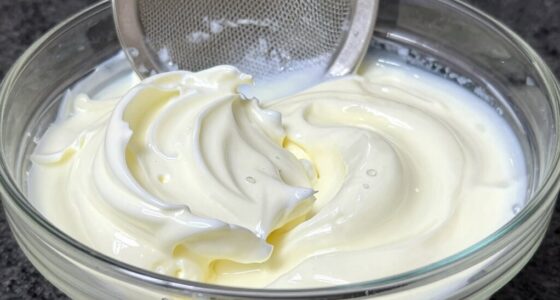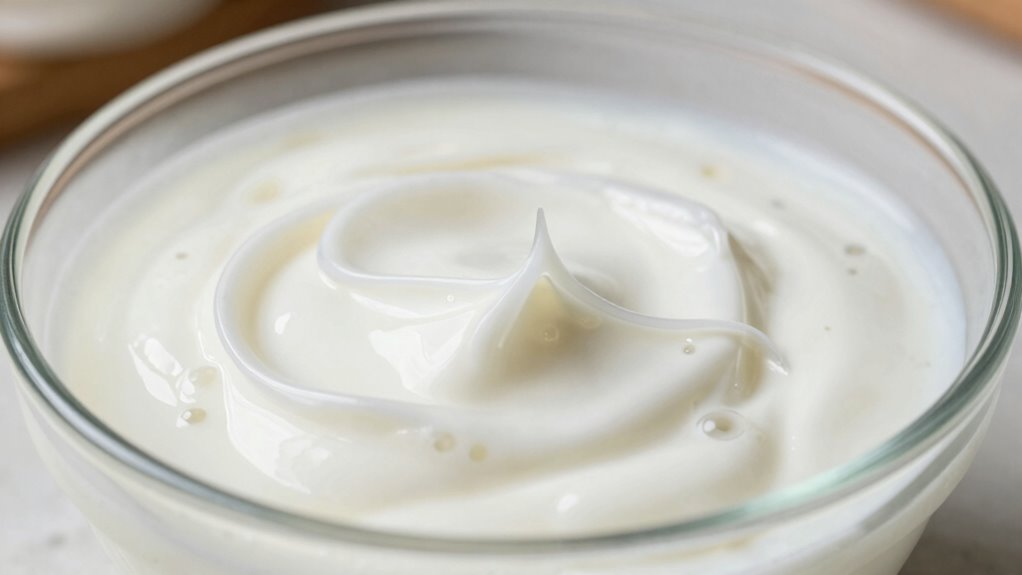

If your yogurt turns slimy, it’s often due to an imbalance of bacteria caused by temperature issues or contamination. When fermentation temperatures fluctuate, beneficial bacteria may die off or become sluggish, allowing spoilage microbes to dominate. Warm temps can kill helpful bacteria, while cold temperatures slow their activity. Maintaining a steady, proper temperature helps keep the microbial balance intact. To prevent sliminess, proper hygiene and consistent conditions are key—explore further to learn how to keep your yogurt smooth and delicious.
Prime for Young Adults — start your free trial
Fast free delivery, streaming and member deals for eligible 18–24 year olds.
As an affiliate, we earn on qualifying purchases.
Key Takeaways
- Excessive or fluctuating temperatures can kill beneficial bacteria, allowing spoilage microbes to dominate and produce slimy textures.
- Low temperatures slow beneficial bacteria activity, disrupting fermentation and enabling spoilage organisms to proliferate.
- Reduced microbial diversity from poor hygiene or improper storage allows slime-producing spoilage bacteria to overgrow.
- High temperatures during incubation can cause beneficial bacteria death, leading to uneven fermentation and sliminess.
- Maintaining steady, optimal temperatures promotes microbial balance, preventing spoilage bacteria that cause slimy yogurt.
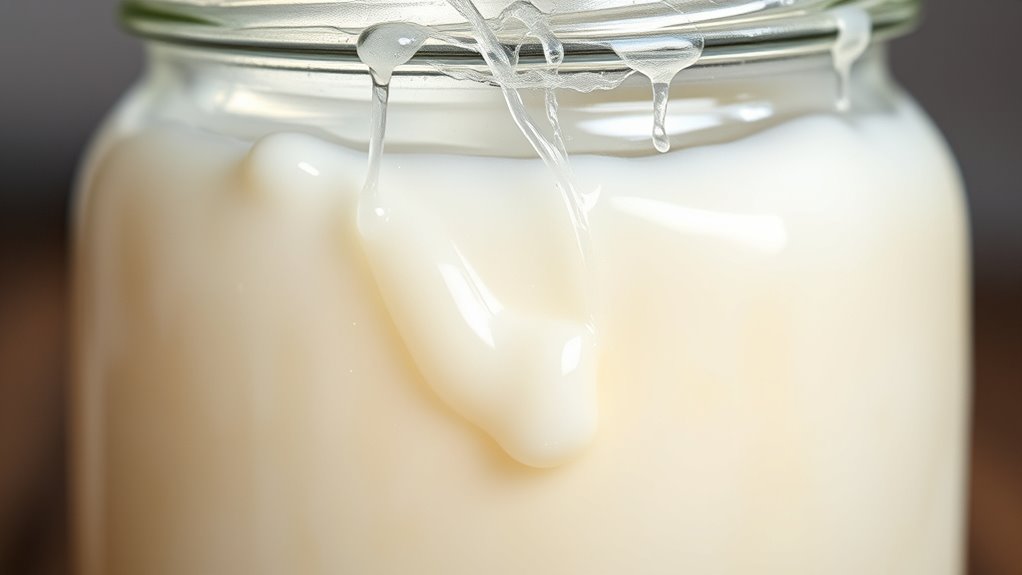
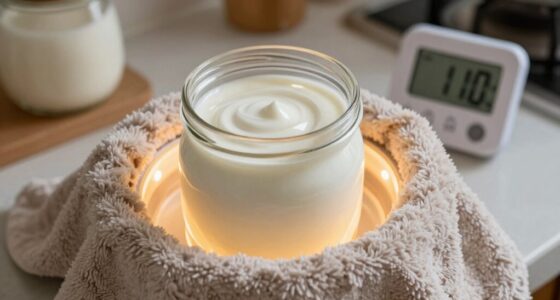
During fermentation, specific beneficial bacteria—mainly Lactobacillus and Streptococcus species—break down lactose and produce lactic acid, which thickens the yogurt. This controlled process relies on maintaining the right conditions, particularly temperature. If the temperature is too high or too low, it can disturb the microbial diversity, allowing spoilage bacteria or yeasts to thrive. These unwanted microbes often produce slimy or gelatinous textures as they grow and metabolize, disrupting the smoothness you expect from homemade yogurt. Maintaining a stable environment also supports microbial diversity, which is essential for a healthy fermentation. In addition, temperature fluctuations can cause stress to beneficial bacteria, making it even easier for spoilage organisms to dominate. Proper temperature management encourages beneficial bacteria to remain dominant, ensuring a consistent texture. Temperature plays a vital role in managing the fermentation process. When you incubate yogurt at the proper temperature—around 110°F or 43°C—you create an ideal environment for the beneficial bacteria to flourish. This helps guarantee a consistent, healthy fermentation. But if the temperature drops too low, the bacteria become sluggish and may not fully ferment the milk, leading to an inconsistent texture. Conversely, if it gets too hot, it can kill off the good bacteria or encourage the growth of spoilage microbes, which often produce slimy filaments or mucous-like textures. So, maintaining a stable, appropriate temperature is essential for controlling microbial activity. Microbial diversity is also key. A diverse community of microbes during fermentation helps create a balanced environment that favors beneficial bacteria while suppressing harmful ones. When this diversity is compromised—either by contamination, improper storage, or fluctuating temperatures—certain microbes can dominate, producing undesirable textures like sliminess. This is why it’s important to keep your yogurt-making environment clean and consistent. Using fresh starter cultures and maintaining steady temperatures ensures that the natural microbial balance stays intact, promoting a smooth, creamy consistency. Proper temperature control also helps prevent the growth of spoilage bacteria, which can produce the slimy textures you want to avoid. Additionally, proper hygiene during preparation reduces the risk of introducing spoilage microbes that can disrupt fermentation. Overall, understanding the impact of temperature control can greatly improve the quality of your homemade yogurt. In short, your yogurt turns slimy because the delicate balance of the fermentation process gets disrupted—often by temperature fluctuations or reduced microbial diversity—allowing spoilage bacteria to take hold. By understanding these factors and controlling your incubation conditions, you can prevent sliminess and enjoy homemade yogurt that’s both delicious and perfectly textured.
yogurt incubator with temperature control
As an affiliate, we earn on qualifying purchases.
As an affiliate, we earn on qualifying purchases.
Frequently Asked Questions
Can Slimy Yogurt Still Be Safe to Eat?
Slimy yogurt can sometimes still be safe to eat, but you should check its storage duration and look for signs of spoilage. If it’s been stored beyond the recommended time or shows an unusual smell, color, or mold, it’s best to discard it. The bacterial strains involved in fermentation can produce slime without being harmful. When in doubt, trust your senses and err on the side of caution to avoid potential health risks.
Does the Type of Milk Affect Yogurt’s Sliminess?
Yes, the milk type can affect yogurt’s sliminess because different milk types impact fermentation. For example, cow’s milk is most common and produces a consistent texture, while plant-based milks like almond or soy may lead to different fermentation impacts, sometimes causing more sliminess. Your choice of milk influences the bacterial activity, which in turn affects the yogurt’s texture, so experimenting with milk types can help you achieve your preferred consistency.
How Long Does It Take for Yogurt to Become Slimy?
You might notice your yogurt becoming slimy after just a few days, often coinciding with the fermentation stages where bacterial activity speeds up. As bacteria multiply rapidly, the texture changes, leading to slime. Typically, this happens within 4 to 7 days, especially if stored at warmer temperatures. Keep an eye on it; early signs of bacterial activity can turn your creamy yogurt into a slimy surprise sooner than you think.
Can Homemade Yogurt Turn Slimy Faster?
Yes, homemade yogurt can turn slimy faster if you use starter cultures that are overly active or if you incubate it at too high a fermentation temperature. Maintaining a suitable temperature, around 110°F (43°C), slows down bacteria activity, preventing sliminess. If the temperature is too warm, bacteria multiply quickly, leading to early sliminess. Keep your fermentation steady and use fresh starter cultures to avoid this issue.
Are There Natural Ways to Prevent Yogurt From Turning Slimy?
You can prevent yogurt from turning slimy naturally by choosing the right probiotic strains and controlling the fermentation process. When you select strains like Lactobacillus acidophilus and Bifidobacterium, it helps maintain a smooth texture. Ensuring the fermentation occurs at a consistent, moderate temperature also slows down unwanted bacteria. These simple, natural steps work together to keep your yogurt creamy and delicious, avoiding that slimy texture.
As an affiliate, we earn on qualifying purchases.
Conclusion
So, next time your yogurt turns slimy, remember it’s not just about bacteria or temperature—sometimes, it’s a quiet reminder that even the best intentions can be affected by subtle, unexpected factors. Maybe it’s a forgotten container or a slight shift in your fridge’s climate. Life’s small coincidences often reveal how delicate balance truly is. Pay attention, and you’ll catch those tiny signals before they change your favorite snack into an unwanted surprise.
digital food thermometer for yogurt making
As an affiliate, we earn on qualifying purchases.
As an affiliate, we earn on qualifying purchases.
yogurt fermentation temperature controller
As an affiliate, we earn on qualifying purchases.
As an affiliate, we earn on qualifying purchases.
Fall yard work Picks
leaf blowers
As an affiliate, we earn on qualifying purchases.