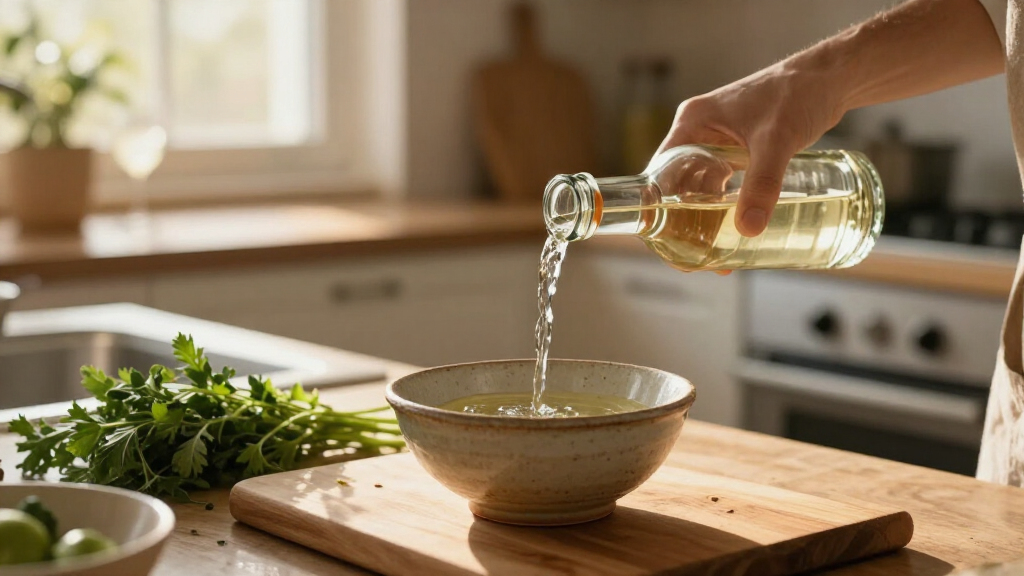

For an all-purpose choice, I’d start with 365 by Whole Foods Market White Wine Vinegar; its familiar style and standard bottle format make it a practical pantry pick. Haxan Ferments Riesling White Wine Vinegar stands out for shoppers seeking an unpasteurized option, while Sanniti Chardonnay White Wine Vinegar specifies 7% acidity for cooks who want a clearly stated strength. The main tradeoffs are flavor character, organic or varietal sourcing, acidity information, and whether a single bottle or multipack suits your cooking habits. No one bottle fits every dressing, marinade, or recipe. Read on for the full comparison and recommendations by buyer type.

Get kitchen staples and gadgets delivered free with Prime
- Fast, free delivery on millions of items
- Prime Video, Amazon Music and more included
- Member-only deals all year
Key Takeaways
- 365 by Whole Foods Market is my all-purpose starting point, while the varietal vinegars offer more specific style cues for shoppers who want them.
- Haxan Ferments Riesling is the distinct pick for buyers seeking an unpasteurized vinegar; that feature may matter less to cooks who mainly need a reliable acidic ingredient.
- Sanniti Chardonnay and Nonna Pia’s Chardonnay both state 7% acidity, making them easier to compare by labeled strength than options without acidity listed in their names.
- Napa Valley Naturals Organic and Madhava Organic give organic-minded shoppers dedicated options, while the product names alone do not establish that every vinegar is certified organic.
- Colavita’s two-bottle Prosecco listing suits households that use vinegar regularly, but a single bottle is the safer fit for occasional cooks who want to limit pantry stock.
| 365 by Whole Foods Market White Wine Vinegar 16.9 fl oz |  | Best Everyday Italian Pick | Volume: 16.9 fl oz | Origin: Italy | Type: White wine vinegar | VIEW LATEST PRICE | See Our Full Breakdown |
| Colavita Prosecco White Wine Vinegar, 16.9 oz |  | Best for Aromatic Italian Flavor | Volume: 16.9 oz | Country of origin: Italy | Type: White wine vinegar | VIEW LATEST PRICE | See Our Full Breakdown |
| Organic Pedro Ximénez White Wine Vinegar, 250 ml |  | Best for Sweet-Tart Cooking | Volume: 250 ml | Type: White wine vinegar | Origin: Spain | VIEW LATEST PRICE | See Our Full Breakdown |
| Monari White Wine Vinegar, 16.9 oz |  | Best for Stocking a Pantry | Product type: White wine vinegar | Package quantity: 6 bottles | Bottle size: 16.9 oz | VIEW LATEST PRICE | See Our Full Breakdown |
| Napa Valley Naturals Organic White Wine Vinegar, 12.7 oz |  | Best for Organic and Allergy-Aware Kitchens | Volume: 12.7 oz | Type: White wine vinegar | Origin: Napa Valley | VIEW LATEST PRICE | See Our Full Breakdown |
| Haxan Ferments Riesling White Wine Vinegar, Unpasteurized, 12 Oz |  | Best for Unfiltered Riesling Character | Type: White wine vinegar | Grape variety: Riesling | Origin: Yakima Valley, Washington | VIEW LATEST PRICE | See Our Full Breakdown |
| Sanniti Chardonnay White Wine Vinegar, 16.9 Fl Oz – Product of France, 7% Acidity, Gourmet Vinegar for Dressings, Marinades & Cooking |  | Best for High-Acidity Cooking | Type: Chardonnay white wine vinegar | Volume: 16.9 fl oz | Origin: France | VIEW LATEST PRICE | See Our Full Breakdown |
| Organic White Wine Vinegar, 16.9 fl oz, Madhava Natural Sweeteners |  | Best for Everyday Organic Cooking | Brand: Madhava Natural Sweeteners | Product type: Organic white wine vinegar | Volume: 16.9 fl oz | VIEW LATEST PRICE | See Our Full Breakdown |
| Organic Italian White Wine Vinegar, 16.9 fl oz |  | Best for Aged Italian Organic Vinegar | Type: White wine vinegar | Volume: 16.9 fl oz | Origin: Piedmont, Italy | VIEW LATEST PRICE | See Our Full Breakdown |
| IL TINELLO White Wine Vinegar, 250 ml |  | Best Compact Italian Bottle | Type: White wine vinegar | Volume: 250 ml (8.45 fl oz) | Acidity: 7% | VIEW LATEST PRICE | See Our Full Breakdown |
| Colavita Prosecco White Wine Vinegar – 17 oz (2 Bottles) |  | Best for Stocking the Pantry | Brand: Colavita | Type: White wine vinegar | Wine style: Prosecco | VIEW LATEST PRICE | See Our Full Breakdown |
| Nonna Pia’s Chardonnay White Wine Vinegar, 8.45 fl oz, 7% Acidity |  | Best for Flavor-Specific Cooking | Volume: 8.45 fl oz (250 mL) | Acidity: 7% | Grape variety: 100% Italian Chardonnay | VIEW LATEST PRICE | See Our Full Breakdown |
| Tuscanini Italian White Wine Vinegar, 16.9 oz |  | Best for Versatile Everyday Cooking | Volume: 16.9 oz | Origin: Italy | Flavor description: Balanced tartness with subtle natural sweetness | VIEW LATEST PRICE | See Our Full Breakdown |
| white wine vinegar | Volume | Origin | Type | Suggested uses |
|---|---|---|---|---|
| 365 by Whole Foods Market Whit | 16.9 fl oz | Italy | White wine vinegar | — |
| Colavita Prosecco White Wine V | 16.9 oz | — | White wine vinegar | — |
| Organic Pedro Ximénez White Wi | 250 ml | Spain | White wine vinegar | — |
| Monari White Wine Vinegar | — | Not specified in supplied product data | — | — |
| Napa Valley Naturals Organic W | 12.7 oz | Napa Valley | White wine vinegar | Salads, marinades, and cooking |
| Haxan Ferments Riesling White | 12 oz | Yakima Valley, Washington | White wine vinegar | — |
| Sanniti Chardonnay White Wine | 16.9 fl oz | France | Chardonnay white wine vinegar | Dressings, marinades, sauces, and cooking |
| Organic White Wine Vinegar | 16.9 fl oz | — | — | Dressings, marinades, and cooking |
| Organic Italian White Wine Vin | 16.9 fl oz | Piedmont, Italy | White wine vinegar | Dressings, marinades, sauces, vegetables, fish, and brines |
| IL TINELLO White Wine Vinegar | 250 ml (8.45 fl oz) | Italy | White wine vinegar | Salads, dressings, sauces, marinades, and seafood |
| Colavita Prosecco White Wine V | — | — | White wine vinegar | Salad dressings and marinades |
| Nonna Pia’s Chardonnay White W | 8.45 fl oz (250 mL) | — | — | — |
| Tuscanini Italian White Wine V | 16.9 oz | Italy | — | Dressings, marinades, and sauces |
More Details on Our Top Picks
365 by Whole Foods Market White Wine Vinegar 16.9 fl oz
I’d choose this as a straightforward pantry vinegar when I want Italian origin and a useful everyday bottle without a specialty flavor profile. Its 16.9 fl oz size gives it more capacity than Napa Valley Naturals’ 12.7-ounce bottle, while its non-GMO and vegan attributes suit shoppers checking ingredient standards. The product data does not specify grape variety, aging method, or acidity, so it offers fewer flavor cues than Colavita Prosecco White Wine Vinegar, which highlights its wine source and barrel aging. That makes 365 a sensible flexible option for dressings and marinades, but less distinctive for recipes where vinegar character is meant to stand out. Availability may also be less convenient outside Whole Foods channels, and no organic certification is listed.
Pros:- Italian origin provides a clear sourcing point
- 16.9 fl oz bottle offers more volume than Napa Valley Naturals’ 12.7-ounce bottle
- Listed as non-GMO and vegan
- Fat-free and sodium-free according to the supplied product data
Cons:- No organic certification is listed
- Grape variety, aging method, and acidity are not specified
- May be harder to find outside Whole Foods locations
Best for: Home cooks seeking an Italian-origin, vegan-friendly vinegar for regular dressings, marinades, and pantry use
Not ideal for: Shoppers who need a stated organic certification, a distinctive grape-led flavor, or easy availability beyond Whole Foods channels
- Volume:16.9 fl oz
- Origin:Italy
- Type:White wine vinegar
- Non-GMO:Yes
- Vegan:Yes
- Fat:Fat-free
- Sodium:Sodium-free
Our verdict“Choose 365 for an Italian-origin everyday vinegar with useful dietary details, but pick Colavita if a more specific wine and aging profile matters.”
Colavita Prosecco White Wine Vinegar, 16.9 oz
Colavita has the clearest flavor identity among these picks: it is made from Prosecco wine from Valdobbiadene and aged in wooden barrels. Those details give cooks a better sense of what they are buying than the more general profile provided for 365 by Whole Foods Market White Wine Vinegar. Its aromatic character may bring more presence to a simple vinaigrette or sauce, though that distinction is less useful when a recipe needs an unobtrusive acidic ingredient. The 16.9 oz bottle is a familiar pantry format, but the listing offers only one size, unlike Monari’s six-bottle pack for buyers stocking up. I’d favor Colavita for cooks who want provenance and a defined production style, while noting that the supplied data does not state acidity.
Pros:- Made from Prosecco wine associated with Valdobbiadene
- Wooden-barrel aging offers a more distinctive production profile than the general 365 listing
- Aromatic flavor character suits vinaigrettes and sauces where vinegar can be noticed
- Frustration-Free Packaging is specified
Cons:- Available in only one stated bottle size
- Acidity level is not provided in the product data
- Aromatic character may be less suitable when a recipe calls for a very neutral vinegar
Best for: Cooks who want an Italian white wine vinegar with a specified Prosecco source and barrel-aged aromatic character
Not ideal for: Buyers who need a multi-bottle format, a specified acidity level, or a neutral vinegar for recipes where aroma should stay subtle
- Volume:16.9 oz
- Country of origin:Italy
- Type:White wine vinegar
- Wine source:Prosecco wine
- Grape region:Valdobbiadene
- Aging:Traditionally aged in wooden barrels
- Packaging:Amazon Certified Frustration-Free Packaging
Our verdict“Pick Colavita for an aromatic, Prosecco-based Italian vinegar, while choosing 365 for a more general everyday pantry option.”
Organic Pedro Ximénez White Wine Vinegar, 250 ml
This Spanish vinegar is the most flavor-specific choice here: its semi-sweet Pedro Ximénez profile brings caramel, oak, raisin, and honey notes alongside balanced acidity. That makes it better suited to glazes, dessert applications, and sauces that can use a hint of sweetness than 365 by Whole Foods Market White Wine Vinegar, whose listing gives no comparable tasting notes. The organic certification also sets it apart from 365, but the 250 ml bottle is much smaller than the 16.9-ounce options from Colavita and Monari. That size makes sense for cooks exploring a distinctive vinegar, not for frequent use as a general-purpose sharp acid. I’d skip it for recipes that depend on a clean, assertive vinegar bite or need a larger bottle for regular cooking.
Pros:- Organic certification is specified
- Pedro Ximénez wine gives it a distinct grape-based profile
- Balanced acidity and semi-sweet notes suit both savory recipes and desserts
- Caramel, oak, raisin, and honey notes offer more flavor detail than the 365 listing
Cons:- Semi-sweet character may clash with recipes calling for a sharper vinegar
- 250 ml bottle is substantially smaller than the 16.9-ounce Colavita and Monari formats
- Distinctive flavor may be less versatile as a neutral pantry acid
Best for: Cooks seeking an organic, semi-sweet vinegar for glazes, marinades, sauces, and desserts
Not ideal for: Buyers who want a sharp, neutral white wine vinegar for everyday dressings or need a larger bottle for frequent use
- Volume:250 ml
- Type:White wine vinegar
- Origin:Spain
- Wine variety:Pedro Ximénez
- Flavor:Semi-sweet
- Flavor notes:Caramel, oak, raisin, and honey
- Organic:Yes
Our verdict“Choose this organic Spanish vinegar when its sweet-tart notes suit the recipe, not as a replacement for a sharper everyday white wine vinegar.”
Monari White Wine Vinegar, 16.9 oz
Monari’s main advantage is practical rather than flavor-led: the listing describes a six-bottle pack, with each bottle holding 16.9 oz. That format suits a busy kitchen or anyone who would rather keep a reserve on hand than reorder after a single bottle. Compared with Colavita Prosecco White Wine Vinegar, Monari comes with less information about wine source, origin, and aging, so I can’t recommend it for a specific aromatic profile. It also lacks the listed organic and dietary details provided for options such as Napa Valley Naturals and 365 by Whole Foods Market. The pack is a poor fit for occasional cooks with limited storage, especially since the product data does not clarify acidity or flavor notes. Its appeal rests on quantity, not documented distinction.
Pros:- Six bottles provide a substantial pantry supply
- Each bottle holds 16.9 oz, matching the single-bottle size of Colavita
- Useful format for kitchens that use white wine vinegar frequently
Cons:- Six-bottle pack may take up too much storage for occasional users
- Origin, wine source, aging, and acidity are not provided
- No organic or dietary certifications are listed in the supplied data
Best for: Frequent home cooks, shared kitchens, or small food businesses that use white wine vinegar regularly and have room to store multiple bottles
Not ideal for: Occasional cooks, small households, or buyers who want stated origin, organic status, or a defined flavor profile
- Product type:White wine vinegar
- Package quantity:6 bottles
- Bottle size:16.9 oz
- Total stated volume:101.4 oz across 6 bottles
- Origin:Not specified in supplied product data
- Wine source:Not specified in supplied product data
Our verdict“Choose Monari when a six-bottle supply matters more than detailed sourcing or flavor information; occasional cooks should favor a single bottle such as 365.”
Napa Valley Naturals Organic White Wine Vinegar, 12.7 oz
Napa Valley Naturals is the clearest fit for buyers prioritizing organic certification and production in a dedicated gluten-free, allergy-friendly facility. That facility detail gives it a more specific place in a sensitive-diet pantry than Colavita Prosecco White Wine Vinegar, which stands out instead for its Prosecco source and barrel aging. Its 12.7-ounce bottle is smaller than the 16.9-ounce 365 and Colavita bottles, so regular users may run through it sooner. The product is described for salads, marinades, and general cooking, but the supplied data does not include grape variety, acidity, or tasting notes. I’d pick it for ingredient and facility priorities rather than for a distinctive flavor profile, and skip it if you need a larger format or detailed sourcing information.
Pros:- Organic certification is specified
- Made in a dedicated gluten-free, allergy-friendly facility
- Described as suitable for salads, marinades, and other cooking uses
- Napa Valley origin is stated
Cons:- 12.7 oz bottle is smaller than the 16.9 oz 365 and Colavita bottles
- Grape variety, acidity, and flavor notes are not provided
- Single bottle size may not suit high-volume use
Best for: Organic-focused cooks and households that prioritize vinegar made in a dedicated gluten-free, allergy-friendly facility
Not ideal for: Frequent vinegar users who want a larger bottle, or cooks seeking stated grape variety, acidity, and tasting details
- Volume:12.7 oz
- Type:White wine vinegar
- Origin:Napa Valley
- Organic:Yes
- Facility:Dedicated gluten-free facility
- Facility attributes:Allergy-friendly
- Suggested uses:Salads, marinades, and cooking
Our verdict“Choose Napa Valley Naturals for organic and allergy-aware facility priorities, but opt for a larger bottle if you use vinegar often.”
Haxan Ferments Riesling White Wine Vinegar, Unpasteurized, 12 Oz
Riesling grape character and slow fermentation set Haxan Ferments apart from broader, more conventional choices such as Madhava Organic White Wine Vinegar. Its Yakima Valley grapes give this pick a clear sense of origin, while the unfiltered, unpasteurized process suits cooks seeking a less processed vinegar. At 5% acidity, it is less assertive on paper than Sanniti Chardonnay White Wine Vinegar at 7%, making Haxan a gentler fit for dressings and pickles where a sharper bite is not the goal. The tradeoff is a 12-ounce bottle, which may run out quickly for frequent cooking, and unpasteurized vinegar may not suit every buyer. I would choose it for distinctive grape notes, not for maximum acidity or bulk use.
Pros:- Made with Riesling grapes from Washington’s Yakima Valley
- Slow fermentation and unfiltered, unpasteurized processing preserve a less processed style
- 5% acidity offers a gentler alternative to Sanniti’s 7% vinegar
- Works across salads, dressings, and pickling
Cons:- The 12-ounce bottle may be limiting for heavy kitchen use
- Unpasteurized vinegar may not suit buyers who avoid unpasteurized foods
- Its lower stated acidity may not deliver the punch some recipes need
Best for: Cooks who want an unfiltered, unpasteurized vinegar made from Riesling grapes for dressings and small-batch pickling
Not ideal for: Frequent vinegar users who want a larger bottle, or buyers who prefer pasteurized products
- Type:White wine vinegar
- Grape variety:Riesling
- Origin:Yakima Valley, Washington
- Acidity:5%
- Volume:12 oz
- Processing:Unfiltered and unpasteurized
- Fermentation:Traditional, slow fermentation
Our verdict“Choose Haxan if you want a gently acidic, unfiltered Riesling vinegar and are comfortable with its small bottle and unpasteurized style.”
Sanniti Chardonnay White Wine Vinegar, 16.9 Fl Oz – Product of France, 7% Acidity, Gourmet Vinegar for Dressings, Marinades & Cooking
7% acidity gives Sanniti a firmer edge than Haxan Ferments Riesling White Wine Vinegar, which is listed at 5%. That extra sharpness can help a marinade or sauce hold its brightness against rich ingredients, while the Chardonnay base and described smooth flavor keep it suited to more than punchy pickles. Its 16.9-ounce bottle also offers more working volume than IL TINELLO’s 250 ml format, making it a practical choice for cooks who reach for vinegar often. Sanniti is made in France, but the provided details do not specify organic certification or fermentation method. Buyers seeking a particularly mild vinegar may find its acidity too pronounced, and those who want a smaller bottle for occasional use may prefer IL TINELLO.
Pros:- 7% acidity offers a sharper profile than Haxan Ferments’ 5% vinegar
- Chardonnay wine base is described as balanced and crisp
- 16.9-ounce volume suits regular cooking better than IL TINELLO’s 250 ml bottle
- Made in France and suited to dressings, marinades, sauces, and cooking
Cons:- The higher acidity may overpower recipes calling for a gentler vinegar
- Organic status and processing details are not specified
- The larger bottle is less suited to cooks who use white wine vinegar only occasionally
Best for: Home cooks who regularly make marinades, sauces, and dressings and want a clearly stated 7% acidity
Not ideal for: Buyers seeking a mild, low-acidity vinegar or a small bottle for occasional use
- Type:Chardonnay white wine vinegar
- Volume:16.9 fl oz
- Origin:France
- Acidity:7%
- Flavor description:Balanced, crisp, light, and smooth
- Suggested uses:Dressings, marinades, sauces, and cooking
Our verdict“Pick Sanniti if you want a French Chardonnay vinegar with stronger stated acidity and enough volume for frequent cooking.”
Organic White Wine Vinegar, 16.9 fl oz, Madhava Natural Sweeteners
Madhava is the straightforward pick for cooks who put organic sourcing and a mild, clean flavor ahead of grape variety or a stated acidity level. Its 16.9-ounce size matches Sanniti Chardonnay White Wine Vinegar, but Madhava is presented as the gentler everyday option; Sanniti gives buyers a specified 7% acidity when more bite matters. The described lack of artificial additives may also appeal to shoppers who want a simple pantry vinegar, although the product details do not identify a certification standard. It can move between dressings, marinades, and general cooking without a strong flavor profile taking over. The tradeoff is limited detail about its grapes, origin, and acidity, so I would not choose it over Haxan Ferments when a distinct Riesling character or unfiltered processing is the priority.
Pros:- Made from organically grown grapes
- Described as mild and clean for flexible everyday use
- 16.9-ounce bottle suits household cooking
- No artificial additives are specified
Cons:- Acidity level is not provided, unlike Sanniti’s stated 7%
- Grape variety and origin are not specified
- Only one bottle size is listed, and shelf life after opening may decrease
Best for: Households seeking a mild, organic white wine vinegar in a standard-size bottle for dressings and everyday cooking
Not ideal for: Cooks who need a specified acidity, a named grape variety, or detailed origin and processing information
- Brand:Madhava Natural Sweeteners
- Product type:Organic white wine vinegar
- Volume:16.9 fl oz
- Grape sourcing:Organically grown grapes
- Flavor description:Mild and clean
- Additives:No artificial additives
- Suggested uses:Dressings, marinades, and cooking
Our verdict“Choose Madhava for a mild organic pantry vinegar, but select Sanniti or Haxan if acidity or grape details matter more.”
Organic Italian White Wine Vinegar, 16.9 fl oz
This is the most specific choice for buyers who want organic Italian wine paired with extra aging: the vinegar is made in Piedmont and aged 20% longer than the stated Modena Consortium minimums. That aging is described as producing a smooth, balanced flavor, giving it a different appeal from Madhava Organic White Wine Vinegar, whose details emphasize a mild profile but provide no aging information. It also has the same 16.9-ounce volume as Madhava and Sanniti, with a broader stated range of uses that includes fish and brines. The drawbacks are the missing acidity figure and grape variety, so cooks who need predictable sharpness may prefer Sanniti’s stated 7%. Its certification and aging are useful distinctions, but they do not establish a particular intensity.
Pros:- USDA certified organic with at least 95% organic content
- Made from organic wines in Piedmont, Italy
- Aged 20% longer than the stated Modena Consortium minimums
- Listed for dressings, marinades, sauces, vegetables, fish, and brines
Cons:- Acidity level is not specified, unlike Sanniti’s 7%
- Grape variety is not provided
- The aging comparison does not specify a total aging duration
Best for: Buyers who prioritize USDA-certified organic sourcing, Piedmont origin, and an aged, smooth profile for varied cooking
Not ideal for: Recipe-focused cooks who need a stated acidity level or shoppers seeking a named grape variety
- Type:White wine vinegar
- Volume:16.9 fl oz
- Origin:Piedmont, Italy
- Certification:USDA Certified Organic
- Organic content:At least 95%
- Ingredients:White wine vinegar
- Aging:20% longer than Modena Consortium minimums
- Suggested uses:Dressings, marinades, sauces, vegetables, fish, and brines
Our verdict“Choose this vinegar if certified organic sourcing and Piedmont aging matter more than a stated acidity or grape variety.”
IL TINELLO White Wine Vinegar, 250 ml
IL TINELLO pairs 7% acidity with a delicate fruity flavor, making it a compact Italian option for cooks who want more punch than Haxan Ferments’ 5% Riesling vinegar but not a flavor described as overpowering. Its 250 ml bottle is much smaller than the 16.9-ounce formats from Sanniti and Madhava, which helps keep the commitment modest for occasional use but makes it a weak fit for a busy kitchen. The family-owned estate production in Reggio Emilia gives it a specific regional identity, though the supplied details do not state organic certification or a grape variety. I would pick it for salads, seafood, and small batches of sauce; for routine marinades or frequent cooking, Sanniti’s larger bottle is the more practical alternative.
Pros:- 7% acidity provides more bite than Haxan Ferments’ 5% vinegar
- Delicate fruity flavor is described as complementing rather than overpowering dishes
- Made in Italy by family-owned estate Il Borgo del Balsamico
- Compact 250 ml bottle suits occasional use
Cons:- 250 ml volume is much smaller than Sanniti’s 16.9 fl oz bottle
- Frequent users may need to replace it often
- Organic certification and grape variety are not specified
Best for: Occasional cooks who want a compact Italian vinegar with 7% acidity for salads, seafood, and small batches
Not ideal for: Households that use vinegar frequently or want a larger bottle for repeated marinades and cooking
- Type:White wine vinegar
- Volume:250 ml (8.45 fl oz)
- Acidity:7%
- Origin:Italy
- Producer:Il Borgo del Balsamico
- Producer type:Family-owned estate
- Flavor description:Delicate and fruity
- Suggested uses:Salads, dressings, sauces, marinades, and seafood
Our verdict“Choose IL TINELLO for a compact, fruity Italian vinegar with 7% acidity, not for high-volume household use.”
Colavita Prosecco White Wine Vinegar – 17 oz (2 Bottles)
The two-bottle format makes this Colavita pick a practical choice for cooks who reach for white wine vinegar often, especially for dressings and marinades. Its Prosecco base gives it a wine-derived identity, though the product details do not spell out specific tasting notes or acidity, so buyers seeking a precisely described flavor may prefer Nonna Pia’s Chardonnay vinegar, which lists both grape variety and acidity. Compared with the single 16.9-ounce Tuscanini bottle, this set offers more vinegar overall and a spare bottle for continued use. The tradeoff is less variety per purchase: it is a straightforward vinegar rather than a flavored or blended condiment, and two bottles take more pantry space than a single bottle. I’d choose it for regular, repeat-use cooking, not for a small household trying an unfamiliar style.
Pros:- Prosecco-based white wine vinegar offers a distinct grape-wine identity
- Two 17-ounce bottles suit frequent dressing and marinade preparation
- Useful for everyday cooking applications such as dressings and marinades
Cons:- Two bottles require more storage space than a single-bottle option such as Tuscanini
- The product information does not provide a detailed flavor profile or acidity level
Best for: Home cooks who make vinaigrettes and marinades regularly and want two bottles of Prosecco-based white wine vinegar on hand.
Not ideal for: Occasional users with limited pantry space or shoppers who want detailed tasting notes and acidity information before choosing.
- Brand:Colavita
- Type:White wine vinegar
- Wine style:Prosecco
- Bottle volume:17 oz
- Pack size:2 bottles
- Suggested uses:Salad dressings and marinades
Our verdict“Choose this two-bottle set if white wine vinegar is a regular pantry staple and you value a Prosecco base over detailed flavor specifications.”
Nonna Pia’s Chardonnay White Wine Vinegar, 8.45 fl oz, 7% Acidity
Nonna Pia’s Chardonnay vinegar is the most clearly specified choice here for cooks who want a particular grape character and a defined acidity level. Made from 100% Italian Chardonnay grapes, it is described with apple, pear, and citrus notes, while its 7% acidity gives buyers a concrete point of comparison with Colavita’s Prosecco vinegar, whose acidity and tasting notes are not provided. The small 8.45-ounce bottle is suited to trying a single-varietal vinegar or using it selectively for seafood, pan deglazing, and dressings; it is less convenient for heavy, everyday use than the larger Tuscanini bottle. Its clean-label details—zero sugar, non-GMO, and gluten-free—may also appeal to label-conscious shoppers. The tradeoffs are limited capacity and naturally occurring sulfites, which may not suit sulfite-sensitive buyers.
Pros:- Made from 100% Italian Chardonnay grapes with described apple, pear, and citrus notes
- Stated 7% acidity helps buyers select it for recipes with a defined tang
- Zero sugar, non-GMO, and gluten-free
- Suitable for dressings, marinades, deglazing, and seafood
Cons:- At 8.45 fl oz, the bottle may run out quickly for frequent cooking
- Contains naturally occurring sulfites, which may affect sensitive individuals
Best for: Cooks who want a single-varietal Italian Chardonnay vinegar with stated acidity and plan to use it for seafood, finishing, or smaller batches.
Not ideal for: Frequent vinegar users who need a larger bottle, or shoppers who avoid products containing naturally occurring sulfites.
- Volume:8.45 fl oz (250 mL)
- Acidity:7%
- Grape variety:100% Italian Chardonnay
- Pack size:1 bottle
- Gluten-free:Yes
- Non-GMO:Yes
- Sugar:Zero
- Sulfites:Naturally occurring
Our verdict“Pick Nonna Pia’s if grape variety and stated 7% acidity matter more to you than getting a larger everyday bottle.”
Tuscanini Italian White Wine Vinegar, 16.9 oz
Tuscanini’s 16.9-ounce bottle suits cooks who want one Italian white wine vinegar for more than salads. Its described balanced tartness with subtle sweetness is intended to work in dressings, marinades, and sauces, and the product can also stand in for white cooking wine or sherry wine. That broader stated use gives it an edge over Colavita’s two-bottle set, whose details focus on dressings and marinades, while Nonna Pia’s Chardonnay offers more specific grape and acidity information. Tuscanini instead emphasizes flexibility and a larger single bottle. The tradeoff is that its grape variety and acidity level are not specified, so it may be less appealing to shoppers who want precise flavor or acidity guidance. Its Kosher for Passover and year-round certification is another useful distinction for households with those requirements.
Pros:- Balanced tartness with subtle sweetness is suited to varied recipes
- Can be used in dressings, marinades, and sauces
- Listed as a substitute for white cooking wine or sherry wine
- Made in Italy and certified Kosher for Passover and year-round use
Cons:- Grape variety and acidity level are not specified
- Supplied as one bottle rather than a multi-bottle set
Best for: Home cooks who want a single Italian white wine vinegar for dressings, sauces, marinades, and cooking-wine substitutions.
Not ideal for: Shoppers seeking a specified grape variety or acidity level, or those who need a two-bottle supply for frequent use.
- Volume:16.9 oz
- Origin:Italy
- Flavor description:Balanced tartness with subtle natural sweetness
- Suggested uses:Dressings, marinades, and sauces
- Substitution use:White cooking wine or sherry wine
- Certification:Kosher for Passover and year-round use
Our verdict“Choose Tuscanini for a versatile Italian vinegar with a stated cooking-wine substitution use, rather than for detailed grape or acidity specifications.”

How We Picked
I compared the 13 listed products on the details a shopper can use to make a choice: vinegar style and named grape where provided, stated acidity, organic or unpasteurized positioning, bottle size, and whether the listing is for one bottle or a multipack. These details affect how easily a vinegar fits a recipe, how much information a buyer has before purchasing, and whether the format suits occasional or frequent use. I did not treat a varietal name or country-of-origin claim as proof of a particular taste, and I avoided assigning sensory qualities that the supplied product information does not establish.
The order gives priority to useful everyday fit, then to products with clear differentiators for specific needs. The general-purpose 365 option leads as a straightforward pantry choice; named-grape, organic, and unpasteurized bottles follow where their stated attributes help a particular buyer choose. The multipack ranks for regular users rather than everyone, since buying more at once can be inconvenient for low-use households. Where product details are limited, I keep the recommendation narrower rather than claiming advantages that cannot be supported.
| white wine vinegar | Type |
|---|---|
| 365 by Whole Foods Market Whit | White wine vinegar |
| Colavita Prosecco White Wine V | White wine vinegar |
| Organic Pedro Ximénez White Wi | White wine vinegar |
| Monari White Wine Vinegar | — |
| Napa Valley Naturals Organic W | White wine vinegar |
| Haxan Ferments Riesling White | White wine vinegar |
| Sanniti Chardonnay White Wine | Chardonnay white wine vinegar |
| Organic White Wine Vinegar | — |
| Organic Italian White Wine Vin | White wine vinegar |
| IL TINELLO White Wine Vinegar | White wine vinegar |
| Colavita Prosecco White Wine V | White wine vinegar |
| Nonna Pia’s Chardonnay White W | — |
| Tuscanini Italian White Wine V | — |
Factors to Consider When Choosing Best White Wine Vinegars
I’d choose a white wine vinegar by matching its label and format to the way it will be used, not by assuming all bottles behave alike. These factors can help narrow the field before you buy.
Match the Vinegar to the Recipe
For vinaigrettes and quick pan sauces, a standard white wine vinegar is often the most flexible place to start. When a recipe depends on a specific grape or wine style, a varietal bottle such as Riesling, Chardonnay, Prosecco, or Pedro Ximénez may be worth trying, but the name is not a guarantee of a particular flavor profile. Read the ingredient and product details rather than treating the grape name as a tasting note. A common mistake is buying a more specialized bottle for every use when one everyday vinegar would cover most recipes. If you are unsure, choose a versatile bottle first and reserve distinctive styles for dishes where you can notice the difference.
Read Acidity Labels in Context
Acidity affects a vinegar’s sharpness and its role in preserving or balancing a recipe, so a stated percentage can help with comparison. Among these listings, Sanniti and Nonna Pia’s identify 7% acidity, while many product names do not provide a figure. That does not make an unlabeled option unsuitable; it simply gives you less information for comparing strength in advance. Avoid substituting vinegar percentages casually in preservation recipes, where tested acidity requirements matter. For everyday dressings and marinades, follow the recipe and adjust gradually rather than assuming every white wine vinegar has identical intensity.
Decide Whether Organic or Unpasteurized Matters to You
Organic labeling is relevant if certification or production standards are part of your shopping priorities, but check the package for the exact certification rather than relying only on a product title. Napa Valley Naturals and Madhava are specifically presented as organic options in this lineup. Haxan Ferments is identified as unpasteurized, which may appeal to shoppers seeking that production style; it is not automatically a better fit for every kitchen. These attributes do not replace the practical questions of recipe fit, storage directions, and taste preference. Choose based on the standard you care about, and do not pay attention to a label feature that does not change your buying priorities.
Choose a Bottle Size You Can Use
The lineup ranges from smaller bottles such as 250 ml and 8.45 fl oz to standard formats around 16.9 oz, plus a two-bottle Colavita listing. A larger or multipack format can suit a household that uses vinegar in dressings, marinades, and cooking every week. If vinegar is an occasional ingredient for you, a smaller bottle limits how much pantry stock you need to manage. Check the label for storage instructions and follow them after opening; do not assume every vinegar has identical guidance. Buying the largest format solely for convenience can backfire if you have limited storage or prefer to keep several styles on hand.
Treat Origin and Brand as Clues, Not Guarantees
Some products identify an Italian or French origin, while others emphasize a named grape, organic positioning, or fermentation method. Such details can help you shortlist bottles that match your preferences, but they do not tell you on their own how a vinegar will taste in a finished dish. Product names can also be similar across brands, so check bottle size, ingredients, and stated acidity before choosing between them. If you are comparing two options with little information available, select the one with labeling that answers your actual question. Avoid paying extra for a story or origin claim when what you need is simply a dependable cooking vinegar.
Frequently Asked Questions
Which white wine vinegar is the safest first bottle if I have no specific preference?
I’d begin with 365 by Whole Foods Market White Wine Vinegar as the roundup’s general-purpose choice. Its role here is straightforward pantry versatility rather than a specific grape, production method, or stated acidity. If you want a labeled strength before buying, Sanniti or Nonna Pia’s lists 7% acidity, which gives you a more explicit point of comparison. Choose a varietal bottle instead only if that named style is part of what you want to explore. For a first purchase, broad usefulness is usually more valuable than choosing the most specialized label.
Does 7% acidity mean I can use Sanniti or Nonna Pia’s in any recipe?
No. A stated 7% acidity helps describe the product, but it does not make every vinegar interchangeable in every recipe. Follow the instructions for the dish, especially for pickling or preservation, where the required acidity can be specific. For a salad dressing or marinade, the listed strength can help explain why you may want to adjust the amount to your taste. The two labels provide useful information, but you should still check the full product directions and recipe requirements. Do not rely on a vinegar’s name alone when food safety depends on acidity.
Should I buy the two-bottle Colavita listing or a single bottle?
The two-bottle Colavita Prosecco listing makes more sense if you already use vinegar regularly across dressings, marinades, and cooking. If you cook with vinegar only now and then, a single bottle is a more cautious way to try the style without committing to extra pantry stock. Consider how much storage space you have and whether you want to keep more than one vinegar open or available. The multipack offers quantity, not a different role in the lineup. I’d choose the single bottle when you are still deciding whether Prosecco-style vinegar belongs in your regular rotation.
Is an unpasteurized white wine vinegar the right choice for everyday cooking?
It can be, if you specifically want an unpasteurized option, but that feature is not required for ordinary cooking. Haxan Ferments Riesling is the listing in this roundup identified as unpasteurized, so it is the clearest fit for that preference. If your priority is a general cooking vinegar, compare bottle size, label details, and recipe use instead of treating unpasteurized status as a mark of universal superiority. Check the product’s storage instructions and follow them. Buyers who do not seek that production style may find a more conventional option simpler to choose.
How should I choose between an organic vinegar and a varietal vinegar?
Start with the reason you are shopping: choose an organic-labeled option if certification or production standards matter most, and a varietal option if you want a vinegar identified by a grape or wine style. This lineup includes organic-positioned choices such as Napa Valley Naturals and Madhava, alongside bottles named for Riesling, Chardonnay, Prosecco, or Pedro Ximénez. Those categories answer different questions and do not automatically compete on the same basis. Check the package for certification details, and do not assume the varietal name guarantees a particular taste. If neither feature matters to your recipes, an all-purpose bottle may be the simpler buy.
Conclusion
For a dependable first choice, I recommend 365 by Whole Foods Market White Wine Vinegar as the best overall fit in this lineup. Best value for regular users goes to the Colavita Prosecco two-bottle listing, while occasional cooks may prefer a single bottle to avoid extra stock. For a more distinctive production choice, Haxan Ferments Riesling is my best premium-style pick for shoppers specifically seeking unpasteurized vinegar; buyers who value stated acidity can choose Sanniti Chardonnay or Nonna Pia’s Chardonnay. Beginners should keep the choice simple with the all-purpose 365 bottle, and organic-minded shoppers should compare Napa Valley Naturals with Madhava by checking the package details. Pick the bottle whose label and format match your recipes and buying habits, rather than paying for features you will not use.