
To prevent sticky idlis, use high-quality, well-washed rice and urad dal, maintaining proper soaking times. Make certain your batter is smooth, slightly thick, and fermented just right—about 8-12 hours in a warm environment—until it doubles in size. When steaming, use boiling water and avoid overfilling molds. Lightly grease molds and steam until fluffy. Want to know how to get perfect idlis every time? Keep exploring these simple tips for success.
Key Takeaways
- Use high-quality, properly soaked rice and urad dal, and maintain correct rice-to-urad dal ratios for fluffy, non-sticky idlis.
- Ferment batter in a warm, draft-free environment for 8-12 hours to achieve the right rise and consistency.
- Ensure batter is smooth, slightly thick, and not overly wet before steaming to prevent excess moisture.
- Steam with boiling water, cover properly, and cook for at least 10-12 minutes for evenly cooked, fluffy idlis.
- Lightly oil molds, avoid overfilling, and clean them thoroughly to facilitate easy release and prevent sticking.
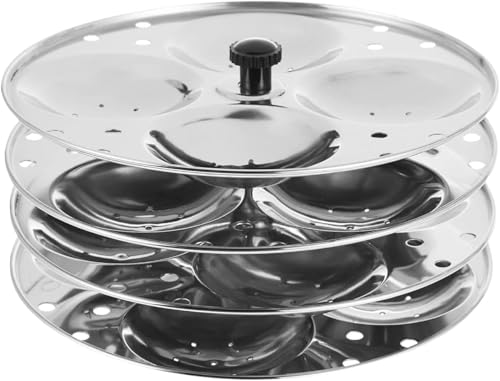
Idli Maker Stand – 4 Tier, Makes 16 Idlis, Fits 5/6/8 Quart Multi Cooker, Pressure Cooker, Steamer – South Indian Idli Cooker Rack
4-Tier Design: Makes 16 fluffy idlis at once, perfect for family meals, parties, and meal prep
As an affiliate, we earn on qualifying purchases.
As an affiliate, we earn on qualifying purchases.
Why Idlis Turn Out Sticky and How to Prevent It
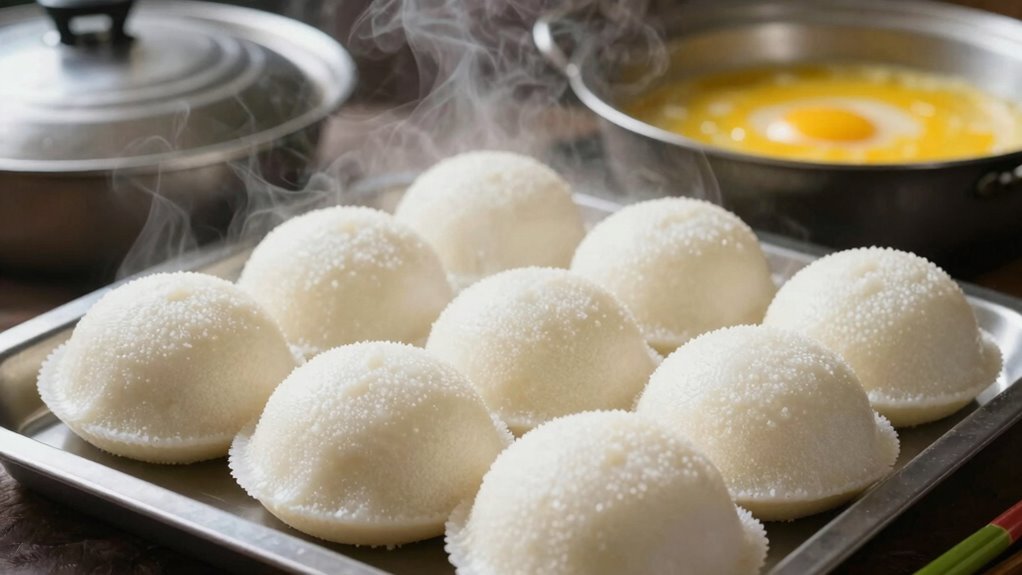
If your idlis turn out sticky, the main cause is often excess moisture or over-fermentation of the batter. The rice quality you choose vitally impacts the texture; low-quality or overly wet rice can introduce extra moisture, making the batter too wet. Proper fermentation techniques are essential, as over-fermentation releases too much gas and moisture, resulting in sticky idlis. To prevent this, use high-quality rice that’s been soaked properly and drained thoroughly before grinding. Maintaining a consistent fermentation process, avoiding over-fermenting by checking the batter regularly and refrigerating it if it ferments too quickly, is crucial. Controlling moisture levels and fermentation time ensures a light, fluffy texture, preventing sticky idlis and achieving perfect results every time. Additionally, ventilation considerations can help regulate humidity during fermentation, further reducing the risk of stickiness. Proper humidity control can also influence fermentation efficiency and batter consistency. Ensuring good airflow around the batter during fermentation can help maintain optimal humidity levels, promoting even fermentation and preventing excess moisture buildup. Being mindful of fermentation environment conditions, such as temperature and humidity, is equally important to achieve the ideal idli texture. Using the right fermentation containers can also help in maintaining consistent conditions for better results.

B0C5HR691Z
As an affiliate, we earn on qualifying purchases.
As an affiliate, we earn on qualifying purchases.
Choosing the Right Rice and Urad Dal Ratios for Fluffy Idlis

Choosing the right rice and urad dal ratios is vital to making fluffy idlis. You need to select the proper rice type and use the correct proportion of rice to dal for the best texture. Proper soaking and grinding techniques also play an essential role in achieving light, airy idlis. Ensuring the right piercing hygiene practices during preparation can also prevent contamination and improve overall results.
Rice Type Selection
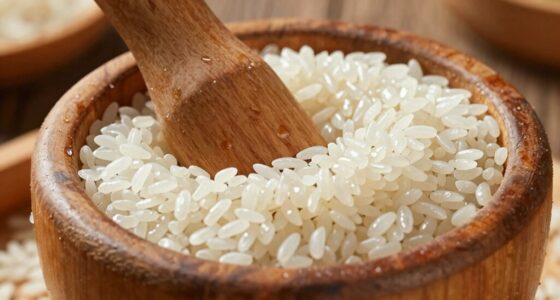
Selecting the right rice is essential for achieving soft, fluffy idlis, and the type of rice you use directly influences the texture. Choose rice varieties like parboiled or sona masoori, which are known for their ability to produce light, smooth batter. Look for rice with high amylose content, as it helps prevent stickiness during steaming. The urad dal quality also matters; select fresh, dehusked urad dal to ensure ideal fermentation and fluffiness. Using the correct rice variety and quality guarantees the batter ferments well and results in tender idlis.
- Use short or medium-grain rice for better stickiness control
- Avoid aged rice, which can make batter dense
- Select high-quality urad dal for consistent fermentation
- Rinse rice thoroughly to remove excess starch
Correct Rice to Urad Ratio
Achieving fluffy idlis depends heavily on getting the right balance between rice and urad dal. The correct rice to urad ratio typically ranges from 3:1 to 4:1, depending on your preference and rice quality. Using high-quality rice ensures better fermentation and texture. When sourcing urad dal, choose fresh, well-sourced dal that’s free from impurities and has a good level of purity. Too much urad dal can make the batter dense and sticky, while too little can lead to less fermentation and fluffiness. Ideally, start with a 3.5:1 ratio and adjust based on your results. Remember, the right ratio, combined with quality ingredients, is key to achieving soft, fluffy idlis every time.
Soaking and Grinding Techniques
Getting the right soaking and grinding techniques is key to ensuring your batter ferments properly and results in fluffy idlis. Proper soaking techniques soften the rice and urad dal evenly, making grinding easier and more effective. Use cold water and soak rice for 4-6 hours, and urad dal for 2-4 hours. When grinding, opt for wet grinding methods to develop a smooth, airy batter. Use a high-powered blender or stone grinder for best results, ensuring the mixture is light and fluffy. Consider these tips:
- Soak rice and urad dal separately for ideal texture.
- Rinse rice thoroughly before soaking to remove debris.
- Grind urad dal until it’s silky and light.
- Add water gradually during grinding to maintain consistency.
- Incorporating free floating fermentation practices can further enhance the rise and fluffiness of your idlis.

IdliRise Pro Digital Fermentation System, Temperature Controlled Dosa and Idli Batter Maker
PERFECT FERMENTATION EVERY TIME – IdliRise Pro is specifically designed for fermenting authentic dosa and idli batter with…
As an affiliate, we earn on qualifying purchases.
As an affiliate, we earn on qualifying purchases.
How to Properly Ferment Your Batter for Light, Soft Idlis

To guarantee your idlis come out light and soft, proper fermentation of the batter is essential. Use effective fermentation techniques by keeping the batter in a warm, humid environment to encourage natural fermentation. Make certain your batter has the right consistency—smooth but not too thick or runny—since this aids even fermentation. Avoid overmixing after fermentation begins, as this can deflate the batter’s rise. Cover the batter with a clean cloth or lid to prevent contamination and moisture loss. Check for fermentation by observing bubbles or a slight increase in volume. Proper fermentation creates a slightly tangy aroma and airy texture, key indicators of readiness. Incorporating proper storage methods ensures the batter maintains optimal conditions during fermentation, which helps produce the soft, fluffy idlis you desire.

Swad Urad Dal Matpe Beans, Split, 4 Pound
The package dimension of the product is 6"L x 5"W x 4"H
As an affiliate, we earn on qualifying purchases.
As an affiliate, we earn on qualifying purchases.
Getting the Perfect Batter Consistency for Steaming Success
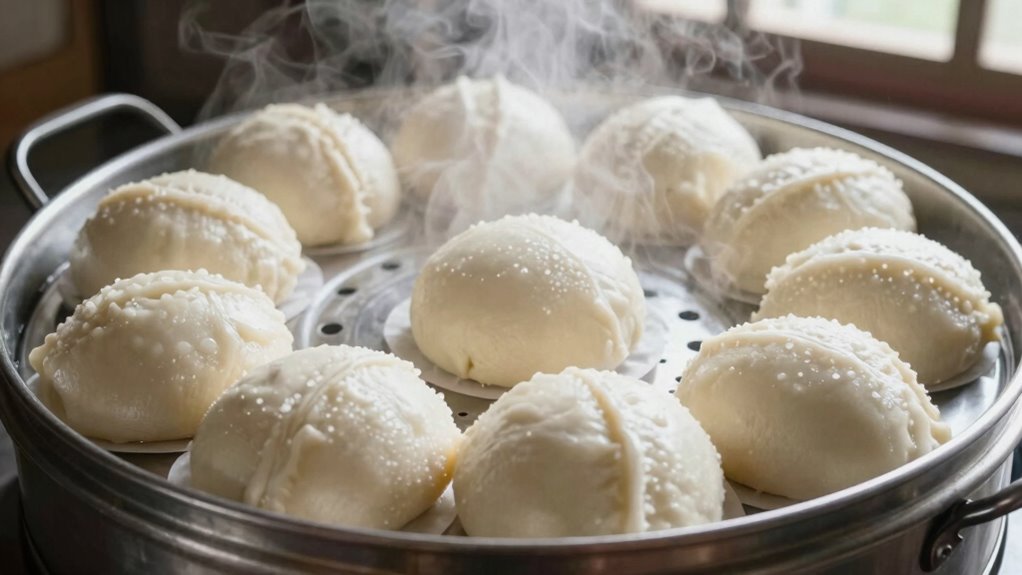
Getting the perfect idlis, focus on the right batter proportions and guarantee it ferments properly. You want the batter to be thick enough to hold its shape but not too stiff, which affects steaming. Achieving the ideal consistency is key to soft, fluffy idlis every time. Additionally, understanding fermentation process can help in sharing your culinary journey and connecting with a wider audience. Proper fermentation not only enhances flavor but also ensures batter leavening for lightness and texture.
Correct Batter Proportions
Achieving the right batter consistency is essential for perfectly steamed idlis. Proper proportions ensure the batter ferments well and results in soft, fluffy idlis. If the batter is too thick, it won’t rise properly, leading to dense idlis. If it’s too thin, they may turn out sticky or runny. To get the correct proportions, balance rice and urad dal, maintaining a smooth, slightly runny texture that holds air. Keep in mind, the fermentation process depends heavily on batter consistency; a well-proportioned batter ferments evenly. Using appropriate soaking techniques can also improve the texture and fermentation process. The layering of flavors during fermentation can enhance the overall taste and aroma of your idlis. Additionally, understanding the plant properties of ingredients can help optimize fermentation and texture. – Use a 3:1 ratio of rice to urad dal for balanced fermentation. – Rinse and soak ingredients thoroughly for even grinding. – Adjust water during grinding for the right flow and thickness. – Let the batter ferment until it doubles in size and develops a slightly sour aroma. – Remember, eco-friendly practices such as using sustainable ingredients can also contribute to an environmentally conscious kitchen.
Achieving Proper Fermentation
Once your batter has the right proportions and a smooth, slightly runny texture, fermentation begins the next essential step. The fermentation duration depends heavily on ambient temperature; warmer environments speed up the process, while cooler ones slow it down. Ideally, the batter should ferment for 8 to 12 hours, but this varies based on your climate. During fermentation, the batter will rise and develop a slightly sour aroma, indicating good fermentation. If it doesn’t rise or smells off, it may need more time or adjustments in temperature. To achieve the best results, keep the batter in a warm, draft-free place. Proper fermentation ensures the batter’s natural leavening, leading to soft, fluffy idlis with minimal stickiness.
Ideal Batter Thickness
Getting the batter thickness right is essential for soft, well-steamed idlis. The ideal batter consistency should be smooth yet pourable, not too thick or runny. Proper fermentation timing affects batter texture, making it fluffier and easier to achieve the right thickness. If the batter is too thick, idlis may turn out dense and sticky; if too thin, they may fall apart. To get it just right, consider these tips:
- Use a ladle or spoon to check pourability without drips
- Let the batter ferment until it doubles in size, which improves batter consistency
- Adjust with a little water or rice flour if needed, post-fermentation
- Avoid over-fermenting, as it can make the batter too airy and affect thickness
Idli Steaming Tips: How to Prevent Excess Moisture and Sticking
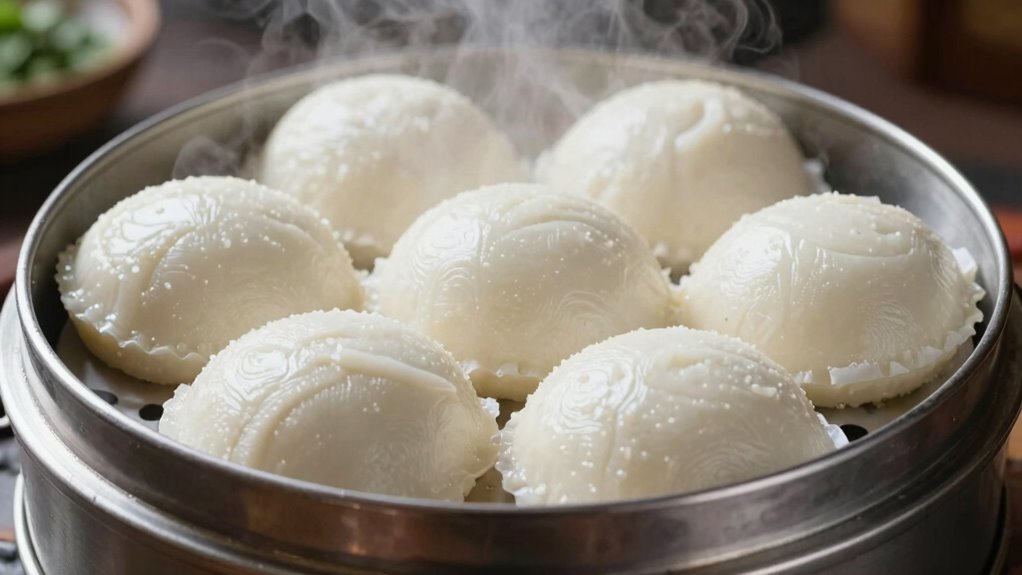
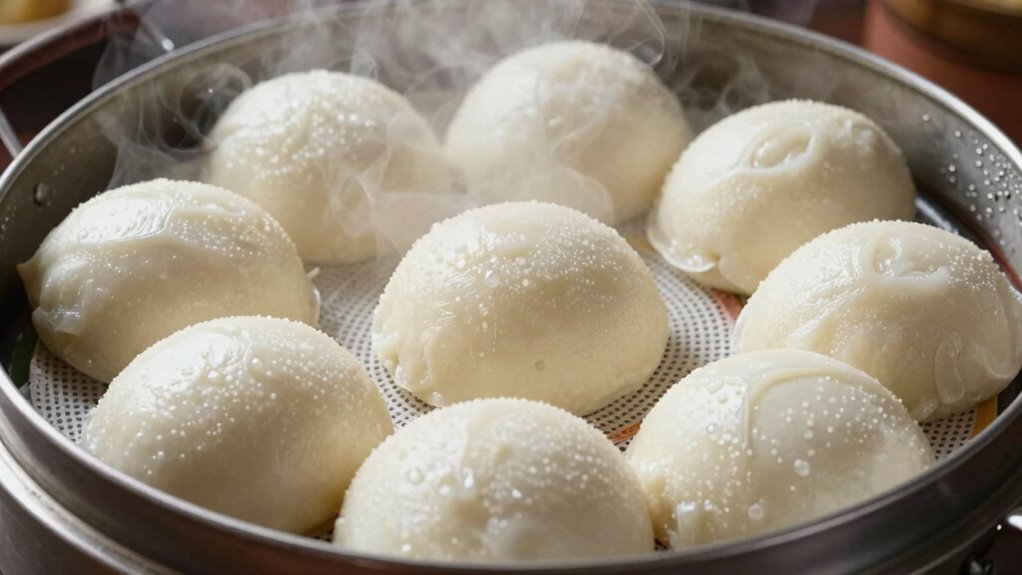
To prevent excess moisture and sticking during idli steaming, it’s essential to control the steam and guarantee proper batter and equipment preparation. Use a slightly thicker batter, which reduces moisture and helps prevent sticking. When experimenting with flavor variations, avoid adding too much water or liquid ingredients that can increase moisture. If you’re making ingredient substitutions, choose dry ingredients or adjust liquid content accordingly. Always ensure your steaming water is boiling before placing the idli molds; this creates a steady, even steam. Cover the steaming vessel with a clean cloth or lid to regulate moisture and prevent condensation from dripping onto the idlis. Proper steaming technique and mindful ingredient adjustments keep your idlis soft, fluffy, and non-sticky. Understanding heat distribution in your steaming setup can also help achieve consistent results and prevent sticking. Additionally, practicing steam flow control can further enhance the quality of your idlis by ensuring even heat distribution. Incorporating temperature regulation techniques can optimize steaming conditions and further reduce the chances of idlis sticking to the molds. It is also beneficial to monitor steam pressure during the process to maintain ideal cooking conditions and avoid uneven cooking or sticking. Paying attention to cooking time can help ensure that the idlis are thoroughly cooked without becoming overly moist or sticky.
How to Grease and Prepare Your Idli Molds for Easy Release

Properly greasing and preparing your idli molds guarantees easy release and maintains their shape. Start by applying a thin layer of oil or ghee to each mold cavity using a brush or tissue. This prevents the batter from sticking and makes mold preparation smoother. Make certain you cover all surfaces evenly without excess oil, which can cause greasing molds to become greasy or slippery. Use a gentle hand to avoid damaging the molds, especially if they are made of non-stick material. For best results, lightly dust with rice flour or udad dal flour if necessary. Additionally, clean molds thoroughly after each use to prevent residue buildup. Proper mold preparation ensures consistent, perfectly shaped idlis every time, making steaming more efficient and mess-free. Applying proper greasing techniques] helps maintain the longevity of your molds and ensures easy release.
Troubleshooting Dense or Sticky Idlis: Simple Fixes
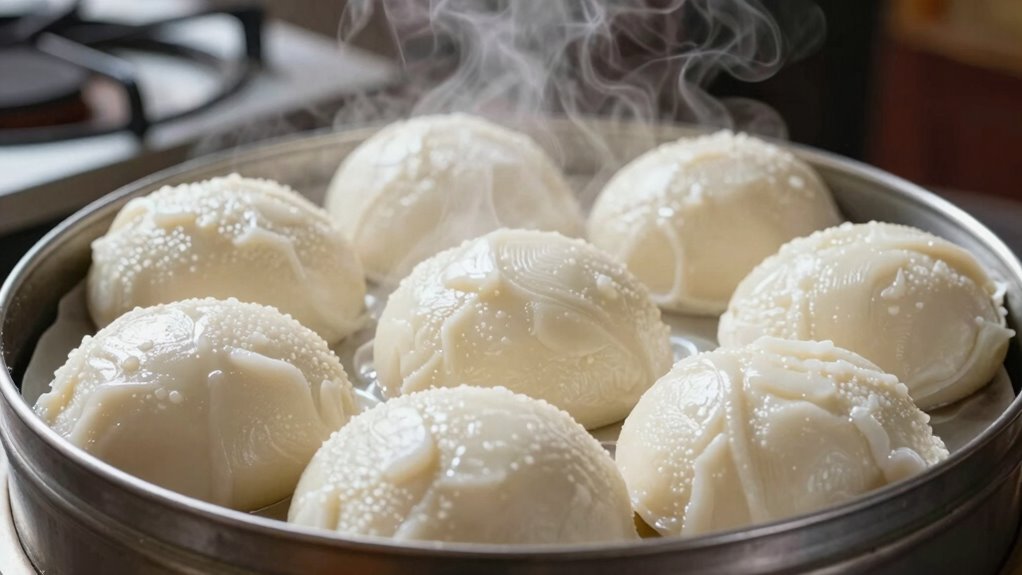
Dense or sticky idlis often result from under-fermentation, too much batter, or insufficient steaming time. To fix this, focus on proper dough kneading—ensure you knead the batter well to develop gluten and achieve a smooth, airy consistency. Pay attention to fermentation timing; if you haven’t fermented long enough, the batter won’t rise properly, leading to dense results. Keep the batter in a warm, humid spot for 8-12 hours, depending on your climate. Avoid adding excessive batter to the molds, as overcrowding can cause sticking and density. Also, check your steaming time—idlis need at least 10-12 minutes of steady steam. Adjust these factors, and you’ll notice a significant improvement in idli texture and consistency. Utilizing technological tools like the Études Architect App can help streamline your cooking process by providing helpful tips and community support.
Extra Tips for Soft, Fluffy Idlis Every Time
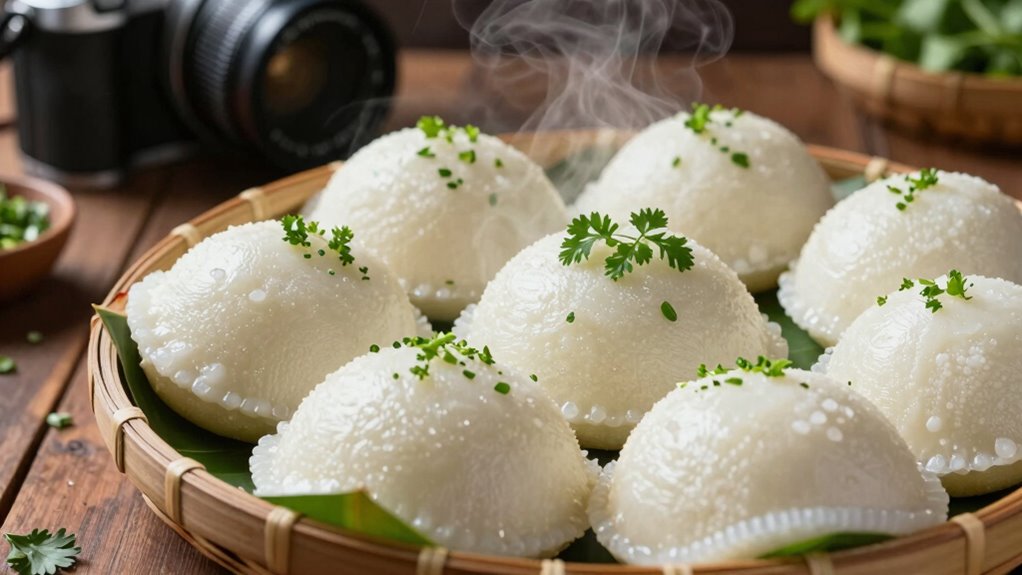
Achieving soft, fluffy idlis consistently requires paying attention to a few key techniques. First, perfect your fermentation timing; don’t rush it—allow the batter to ferment until it doubles in size and develops bubbles. Proper fermentation ensures the idlis are light and airy. Second, refine your rice washing techniques: rinse the rice thoroughly to remove excess starch, then soak it long enough for complete hydration, which helps achieve the right texture. Additionally, use freshly ground urad dal and incorporate gentle mixing to maintain the batter’s aeration. Finally, avoid overmixing after fermentation to keep the batter fluffy. Implementing these tips will result in consistently soft, fluffy idlis every time. For best results, consider Youngster Choice when selecting ingredients to ensure quality and freshness.
Frequently Asked Questions
Can Using Filtered or Distilled Water Improve Idli Texture?
Using filtered or distilled water can improve your idli texture by reducing water mineral content that might interfere with batter fermentation. Water purification methods remove impurities and minerals that could cause stickiness or uneven steaming. When you use purified water, your batter ferments evenly, resulting in softer, fluffier idlis. So, switching to filtered or distilled water is a simple step to enhance your idli’s quality and prevent stickiness.
Does the Type of Steaming Vessel Affect Idli Stickiness?
You’ll find that the steaming vessel material and size do impact idli stickiness. Metal vessels like stainless steel or aluminum heat evenly, preventing stickiness, while non-stick options can also help. Using a vessel that’s appropriately sized guarantees proper steaming without overcrowding, which can cause sticky idlis. Don’t worry—switching to the right vessel makes a noticeable difference, and you’ll enjoy fluffy, non-sticky idlis every time with just a small adjustment.
Should the Batter Be Refrigerated Before Steaming?
Refrigerating the batter before steaming offers several benefits, including slowing down fermentation and developing flavors. It also helps improve idli texture, making them less sticky and more uniform. Just make sure you cover the batter properly to prevent it from drying out. Refrigeration allows the batter to ferment evenly, resulting in fluffier, less sticky idlis. So, yes, chilling the batter before steaming is a smart step for better results.
How Does Altitude Influence Idli Steaming and Stickiness?
Just like the Everest climbers adapt to high altitude, you need to adjust for altitude effects when steaming idlis. At higher elevations, water boils at a lower temperature, so your idli batter might not cook thoroughly, causing stickiness. To counter this, increase steaming time slightly and make certain your batter is well fermented and fluffy. These tweaks help compensate for altitude effects and prevent sticky, undercooked idlis.
Are There Specific Ingredients to Add to Reduce Stickiness?
To reduce stickiness, you should make ingredients adjustments and focus on batter consistency. Add a little rice flour or flattened rice (poha) to absorb excess moisture. Guarantee your batter isn’t too watery by adjusting water content, and mix it well to achieve a thick, smooth texture. Proper ingredients adjustments and controlling batter consistency help create fluffy, non-sticky idlis, making steaming easier and resulting in perfect texture.
Conclusion
To keep your idlis light and non-sticky, focus on proper batter preparation and steaming techniques. Did you know that using the right rice-to-urad dal ratio can boost idli fluffiness by up to 30%? With these tips, you’ll consistently enjoy soft, perfect idlis. Remember, a little practice and attention to detail make all the difference. Happy steaming!