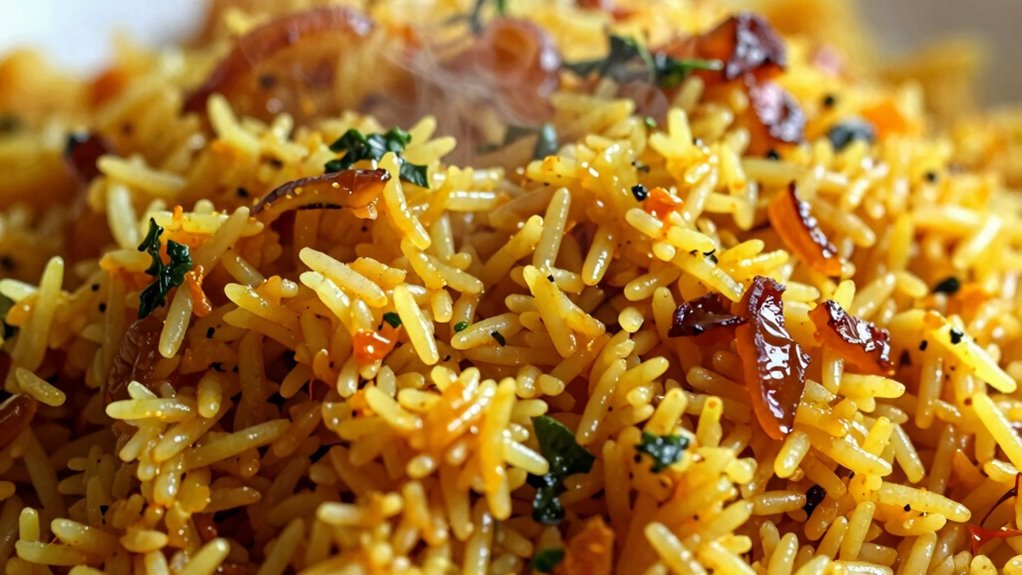

The key mistake that makes your biryani rice mushy is adding too much water or cooking it for too long. When you use an imprecise water-to-rice ratio or overcook the rice, the grains absorb excess moisture and break down, resulting in a sticky texture. To avoid this, you need to follow proper rinsing, boiling until just tender, and draining immediately. If you want to perfect your technique, keep exploring these essential tips.
Key Takeaways
- Overusing water during rice boiling causes excess moisture, leading to mushy biryani rice.
- Not draining rice immediately after boiling retains unwanted water, resulting in sogginess.
- Overcooking the rice makes grains break down and become mushy.
- Adding spices too early or in excess can release moisture and soften rice undesirably.
- Using a high heat or improper cookware causes uneven cooking and over-softening of rice grains.
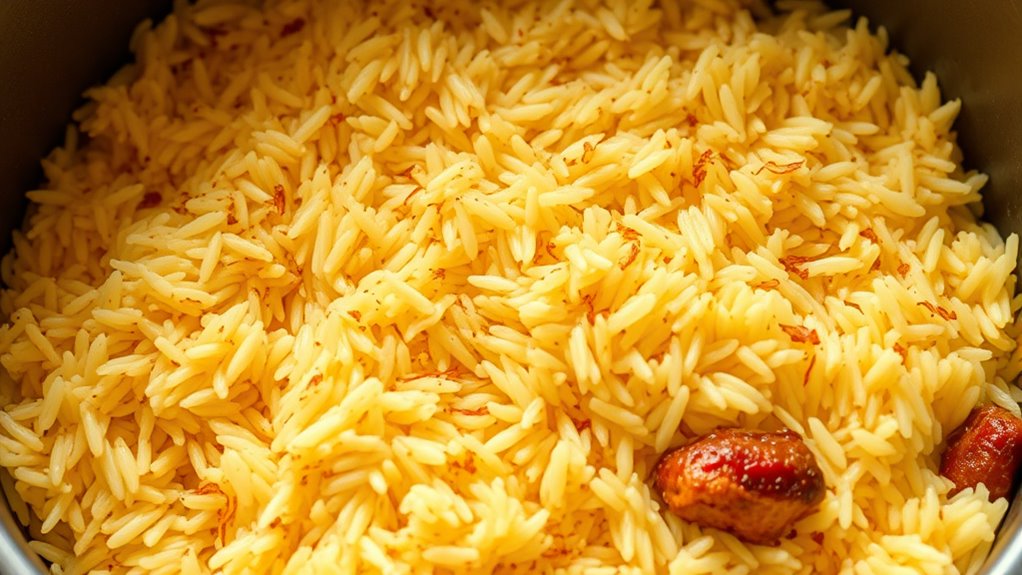
Biryani rice can turn mushy if you make one common mistake: adding too much water or cooking it for too long. The key to perfect biryani lies in mastering your cooking technique. You want the rice to be fluffy and each grain separate, not clumped together or overly soft. To achieve this, start by rinsing the rice thoroughly until the water runs clear. This removes excess starch that can cause sticking and mushiness. When it’s time to cook, use a precise water-to-rice ratio—generally, about 1.5 to 2 cups of water for every cup of rice, depending on the variety. Boil the water, then add the rice and cook on medium heat until the grains are just tender. Drain the rice immediately once cooked and let it rest for a few minutes. This resting period helps the moisture distribute evenly and prevents the rice from becoming mushy when layered or mixed with other ingredients. Proper starch removal is essential to achieving the ideal texture in your biryani.
Spice variations also play a role in how your biryani turns out. Strong spices can sometimes cause confusion if they’re added prematurely or in excess, which might lead you to overcook the rice to balance flavors. Remember, spices should enhance the rice, not overpower it. When layering the biryani, add spices in stages—some during the initial cooking of the rice, and others when you assemble the final dish. This layered approach ensures the rice absorbs the flavors without becoming overly soft. Be cautious with fragrant spices like saffron, cardamom, or cloves; use them sparingly and soak them beforehand if needed, so they distribute evenly without making the rice soggy. Proper temperature control during cooking is crucial to prevent over-softening or burning the rice. Additionally, maintaining the correct cooking temperature helps in avoiding overcooking and preserves the desired texture.
Additionally, your cooking technique matters when you’re preparing a layered biryani. If you’re assembling the dish in layers, avoid stirring vigorously once the layers are set. Instead, cover the dish tightly and cook on very low heat for a short period—this allows steam to gently finish cooking the rice without overdoing it. Using a heavy-bottomed pot helps distribute heat evenly, preventing hotspots that could cause uneven cooking and mushiness. Remember, patience is vital. Keep an eye on the clock and check the rice’s texture frequently. When done correctly, your biryani rice will be perfectly tender yet separate, with spices harmoniously infused.

Royal Hyderabadi Biryani Kit – Authentic White Basmati Rice, Biryani Paste, and Whole Spices – 11.5 oz Box
PREMADE MEAL KIT: Make restaurant-style biryani at home with Royal's Lucknowi Biryani Kit; Includes flavorful, aromatic long grain…
As an affiliate, we earn on qualifying purchases.
As an affiliate, we earn on qualifying purchases.
Frequently Asked Questions
Can Using Different Rice Varieties Affect Biryani Texture?
Yes, using different rice grain types can affect biryani texture. For instance, long-grain varieties like Basmati stay fluffy and separate when cooked properly, while short or sticky rice can turn mushy. Your cooking methods also matter; soaking, precise water ratios, and gentle heat help achieve the desired texture. So, selecting the right rice and following proper techniques guarantees your biryani has the perfect, non-mushy consistency.
How Does the Age of Rice Influence Mushiness?
If your rice is too fresh, it’s more likely to turn mushy because it absorbs water quickly. Store rice properly in an airtight container to keep it dry and aged. When cooking, use the right temperature—avoid high heat, which can make rice sticky and mushy. Old rice tends to be firmer and less sticky, so choosing well-stored, aged rice and controlling cooking temperature helps you achieve perfect, fluffy biryani rice.
What Is the Ideal Rice-To-Water Ratio for Perfect Biryani?
Imagine you’re building a sturdy bridge; the right balance guarantees strength. For biryani, the ideal ratio is about 1 cup of rice to 1.5 cups of water. This balance promotes cooking perfection, preventing mushiness or dryness. Use this ratio for long-grain basmati rice, and you’ll achieve fluffy, separate grains that soak up flavors beautifully. Adjust slightly based on your rice type or pot, but start with this foundation.
Does Rinsing Rice Too Much Impact Its Cooking Outcome?
Rinsing rice too much can negatively impact its cooking outcome because it reduces water absorption, which is essential for fluffy biryani rice. Using gentle rinsing techniques helps remove excess starch without stripping away too much moisture. If you rinse excessively, the rice may become dry and less cohesive during cooking, leading to mushiness or uneven texture. Stick to a light rinse for best results in your biryani.
Can Altitude Affect How Biryani Rice Turns Out?
Altitude effects can dramatically change how your biryani rice turns out, almost like rewriting the recipe itself. When you cook at high altitudes, the lower air pressure causes water to boil at a lower temperature, so rice varieties may need adjustments in cooking time and liquid ratios. You might find that basmati rice cooks faster, while other varieties require more water or longer cooking to achieve fluffy, non-mushy rice.

Daawat Ultima Basmati White Rice – Authentic Extra Long Grain Basmati Rice – 10 lb Bag
AUTHENTIC FLAVOR: Extra long grain Basmati rice with an incomparable fragrance, a rich, buttery flavor, and a pearly…
As an affiliate, we earn on qualifying purchases.
As an affiliate, we earn on qualifying purchases.
Conclusion
So, next time you cook biryani, remember that one small mistake can turn perfect rice into mush. Coincidentally, it’s often the simplest step—like washing the rice too much—that causes the issue. Stay mindful of your process, and you’ll find that perfect, fluffy biryani is just a few careful steps away. Sometimes, the tiniest detail makes all the difference, so keep an eye on that rice, and enjoy the delicious results every time.
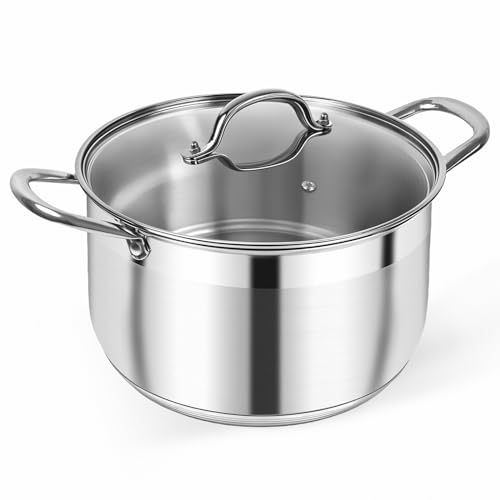
Kirecoo Stainless Steel Stock Pot – 8 Quart Heavy Duty Induction Cooking Pot with Visible Lid for Pasta, Soup, Spaghetti, Nonstick Thick Bottom Big Stockpot, Deep Cookware for Canning, Boiling, Simmer
Stainless steel and 5 layers bottom: Kirecoo 8-Quart Stainless Steel Stockpot with Lid is an essential kitchen cookware,…
As an affiliate, we earn on qualifying purchases.
As an affiliate, we earn on qualifying purchases.

Joyce Chen Stainless Steel Rice Strainer Bowl Rice Washer Colander
This rice washer strainer bowl is crafted from high-quality, rust-resistant stainless steel, making it a durable kitchen tool…
As an affiliate, we earn on qualifying purchases.
As an affiliate, we earn on qualifying purchases.