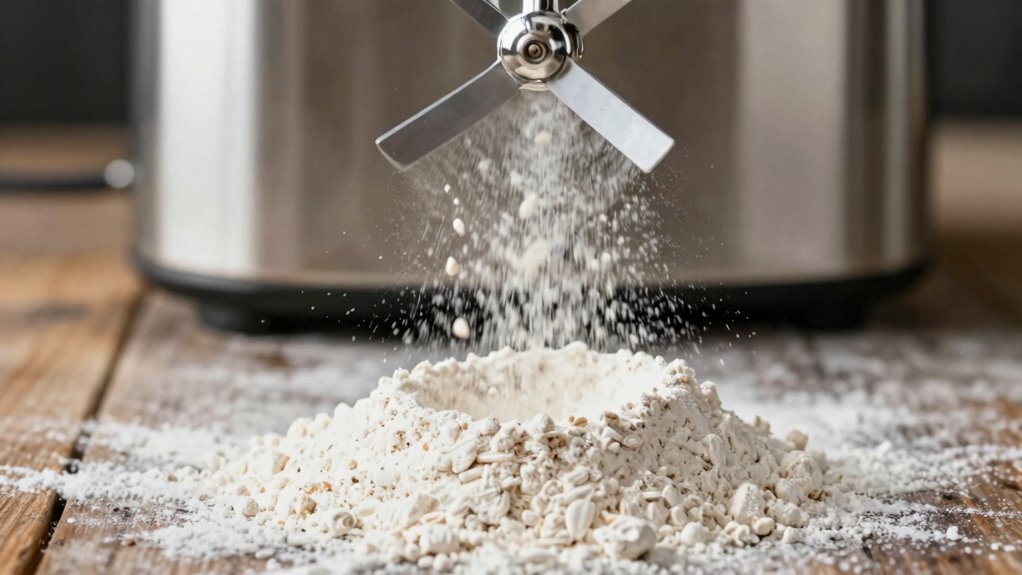
The flour type you choose impacts your mixer’s performance because high-protein flours like bread flour develop stronger gluten networks, requiring more vigorous mixing and placing extra strain on your equipment. Softer flours like cake or all-purpose need gentler handling to avoid sticking or underdevelopment. Selecting the right flour helps your mixer run smoothly and prevents damage, while also improving your baked goods. If you continue exploring, you’ll discover how specific flour characteristics influence your mixing process and results.
Listen free for 30 days with Audible
Thousands of audiobooks and originals — cancel anytime.
As an affiliate, we earn on qualifying purchases.
Key Takeaways
- The protein content of flour determines gluten strength, affecting the mixing intensity required.
- Higher-protein flours need longer, more vigorous mixing, increasing equipment stress.
- Low-protein flours require gentler mixing to prevent underdeveloped gluten.
- Hydration needs vary with flour type, influencing water absorption and mixing time.
- Flour type impacts dough elasticity, which affects mixer load and overall performance.
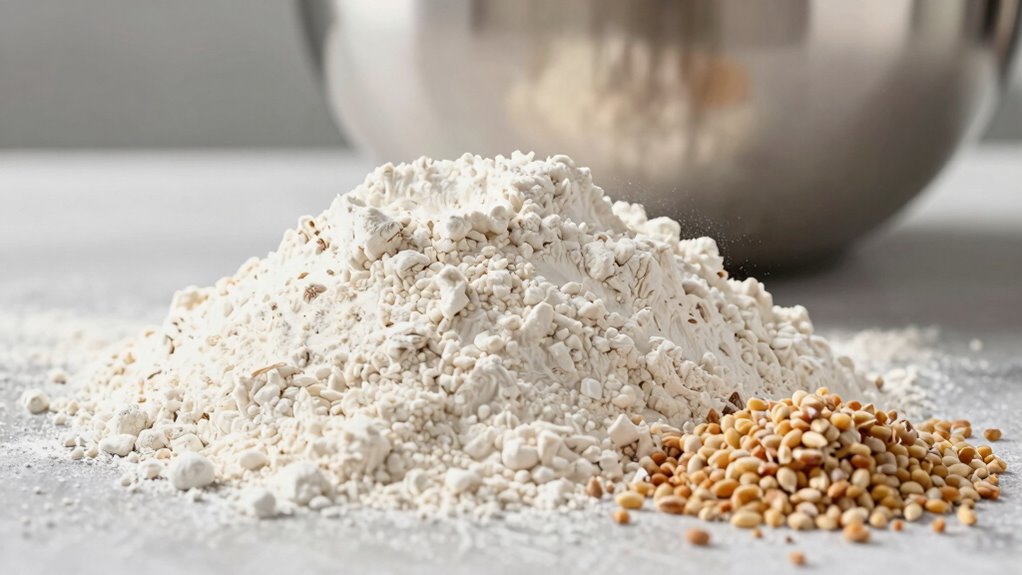
Choosing the right flour type is essential for achieving ideal mixer performance, as different flours have varying protein content, gluten strength, and moisture levels that directly impact mixing efficiency. These factors influence how well the dough develops during mixing, especially in terms of gluten development. When you select a high-protein flour, like bread flour, you’re providing your mixer with the ability to develop stronger gluten networks. This results in a dough with excellent elasticity and structure, which is fundamental for bread that needs to rise well and hold its shape. Conversely, using all-purpose or cake flour, which have lower protein levels, produces a softer dough with less gluten development, making it suitable for pastries or tender baked goods.
Hydration levels are equally critical because they determine how much water your flour can absorb during mixing. Flours with higher moisture absorption rates require more water, which in turn affects the dough’s consistency and how the mixer handles it. Proper hydration ensures even gluten development, which is indispensable for creating a cohesive, elastic dough. If the hydration level is too low, gluten strands won’t form properly, resulting in dense or crumbly baked goods. On the other hand, excessive hydration can make the dough sticky and difficult to handle, putting more strain on your mixer. Additionally, hydration capacity plays a key role in how well the flour interacts with water, influencing the overall mixing process. Recognizing the water absorption characteristics of different flours can help you optimize your dough consistency from the start. Being aware of protein content and its impact on gluten formation further aids in selecting the best flour for your specific baking and mixing needs.
The type of flour you choose also influences the mixer’s performance by how it responds to kneading. Stronger gluten networks in high-protein flours require more vigorous mixing to fully develop, which can put additional stress on your equipment if not managed properly. You might need to adjust mixing times or speeds depending on the flour’s gluten strength to prevent overworking the dough or damaging your mixer. Meanwhile, softer flours with lower gluten content demand gentler handling, reducing wear and tear on your machine.
Understanding how different flour types affect gluten development and hydration levels helps you fine-tune your mixing process. When you pick the appropriate flour, you guarantee the mixer operates efficiently, producing dough with the right texture and structure. This not only optimizes your equipment’s performance but also guarantees better baking results. By paying close attention to the flour’s protein content and moisture absorption capacity, you can prevent issues like underdeveloped gluten or overly sticky dough, saving time and effort during baking. Additionally, considering gluten strength can help you select the most suitable flour for your specific baking needs. Ultimately, choosing the right flour type ensures your mixer works smoothly and your baked goods turn out consistently perfect.
high gluten bread flour for mixers
As an affiliate, we earn on qualifying purchases.
As an affiliate, we earn on qualifying purchases.
Frequently Asked Questions
How Does Gluten Content Affect Mixing Speed?
Higher gluten content speeds up gluten development, which means your dough becomes stronger and more elastic faster. As a result, you can reduce mixing time without sacrificing quality, improving overall mixing efficiency. Conversely, lower gluten flours require longer mixing to develop enough structure. So, understanding gluten levels helps you adjust your mixing speed appropriately, ensuring your dough reaches the desired consistency efficiently and effectively.
Can Different Flour Types Impact Machine Maintenance?
Did you know that using different flour types can impact your machine’s maintenance? Whole wheat flour, for example, has a shorter shelf life and more oils, which can cause buildup and clogging if not stored properly. Proper flour storage is vital to prevent spoilage and guarantee smooth operation. Switching between flour types with varying moisture and oil content can also increase cleaning frequency, helping your equipment last longer and perform better.
Are Some Flours Better for Specific Mixer Attachments?
Certain flours are better suited for specific mixer attachments, especially when working with alternative flour blends or specialty flour uses. For instance, heavier flours like whole wheat or rye may strain lighter attachments, so you should use sturdier beaters or dough hooks. Conversely, delicate flours like cake or pastry flour work well with whisks or lightweight attachments. Matching your flour type with the right attachment guarantees peak performance and prevents equipment fatigue.
How Does Moisture Level in Flour Influence Mixing Consistency?
Moisture level in flour is like a sponge, affecting how it absorbs liquids and mixes. Moisture variability can cause inconsistent dough texture, making it harder to achieve desired results. When flour has higher moisture, it absorbs more, leading to a wetter mixture; lower moisture can produce a drier, crumbly dough. You need to adjust your mixing time or liquid amount accordingly to maintain consistent mixing performance.
Does Flour Age Alter Mixer Performance?
Yes, flour age can alter mixer performance. When flour isn’t fresh, its gluten structure weakens, making mixing less efficient and resulting in uneven dough. Proper storage conditions, like keeping flour in a cool, dry place, help preserve freshness longer. Over time, moisture or temperature fluctuations can degrade flour quality, affecting how well your mixer handles the dough. Using fresh flour ensures consistent mixing and better baked results.
As an affiliate, we earn on qualifying purchases.
Conclusion
Choosing the right flour type directly impacts your mixer’s performance. For example, using high-gluten bread flour for dense bread dough guarantees your mixer handles the workload without strain. If you switch to a softer pastry flour, you’ll notice the mixer works more easily, but the dough might not develop enough gluten. Understanding these differences helps you optimize both your ingredients and equipment, making sure of consistent, quality results every time.
As an affiliate, we earn on qualifying purchases.
stand mixer dough hook attachments
As an affiliate, we earn on qualifying purchases.
As an affiliate, we earn on qualifying purchases.
NFL season / tailgating Picks
team gear
As an affiliate, we earn on qualifying purchases.