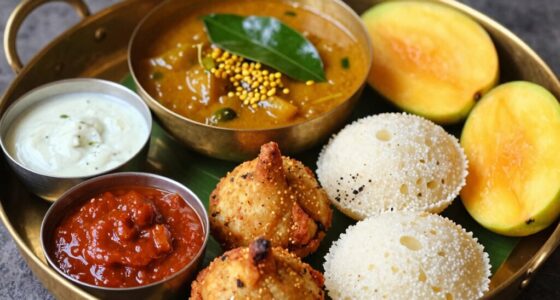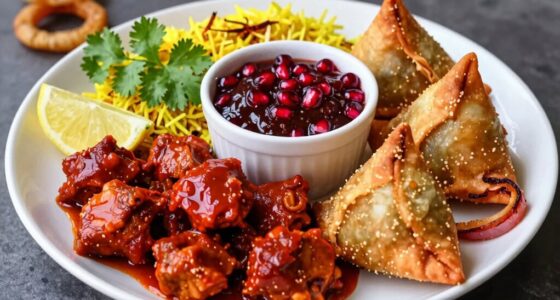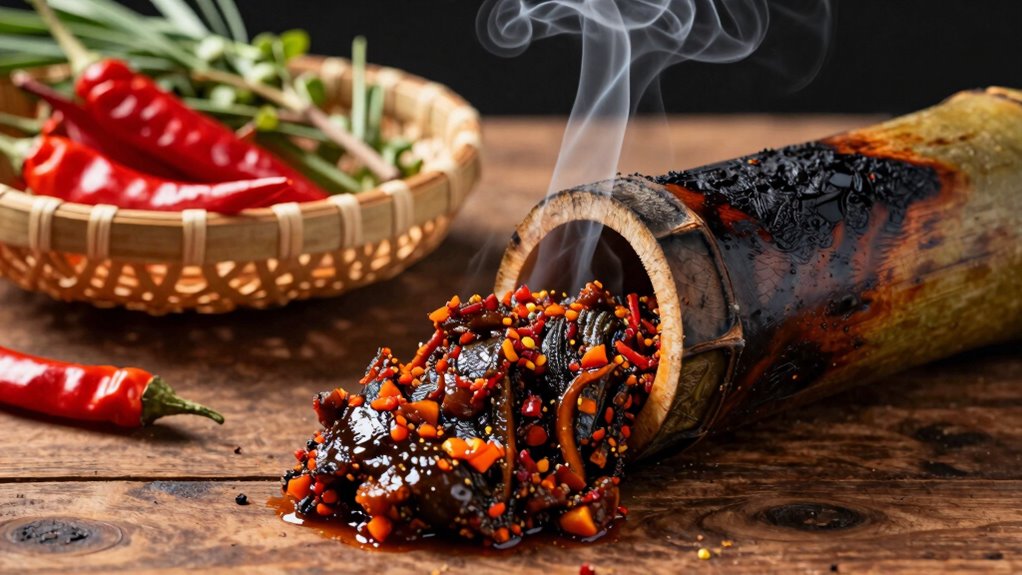

Discover Naga cuisine, renowned for its bold, smoky, and tangy flavors formed through age-old fermentation and smoking techniques. You’ll find preserved meats, bamboo shoots, and wild herbs prepared with resourcefulness and respect for nature. These methods aren’t just about taste; they carry cultural significance, connecting communities and honoring traditions. If you’re curious, exploring further reveals how these land-inspired practices shape a truly unique culinary identity that celebrates resilience and flavor.

Get kitchen staples and gadgets delivered free — and shop member deals
- Fast, free delivery on millions of items
- Access to Prime Big Deal Days deals on October 6–7
- Prime Video, Amazon Music and more included
Key Takeaways
- Naga cuisine prominently features fermentation techniques like axone and bamboo shoots, adding tangy flavors.
- Smoking is used to preserve meats and fish, imparting rich, smoky aromas central to flavor profiles.
- Preservation methods reflect resourcefulness, adapting to local materials and climate, emphasizing sustainability.
- Traditional techniques are deeply tied to cultural identity, festivals, and community bonding practices.
- Influences from Assamese, Burmese, and Tibetan cuisines shape Naga flavors, creating a unique culinary fusion.
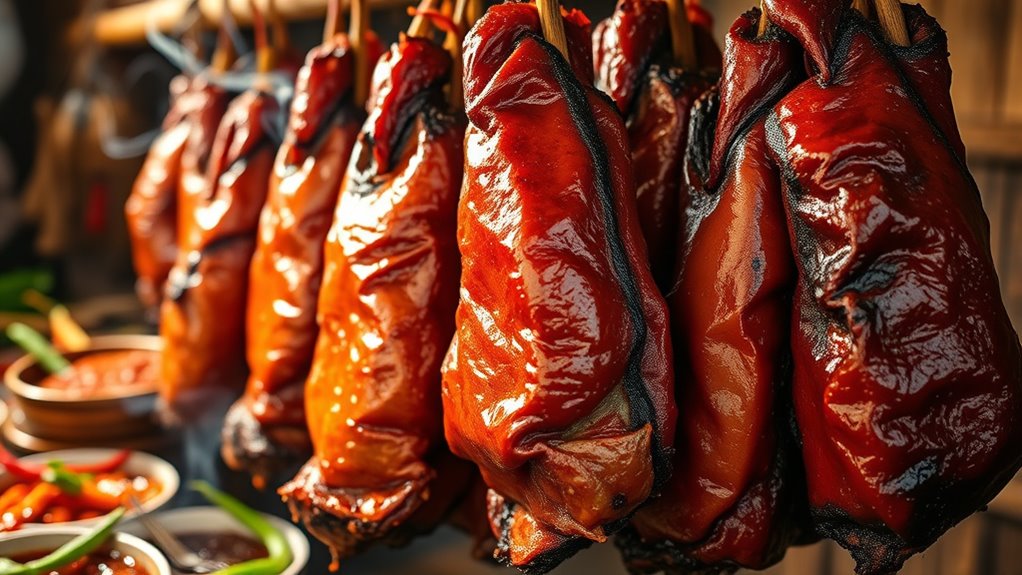
Have you ever wondered what makes Naga cuisine so distinctive? It’s a vibrant tapestry woven from traditional cooking methods and a rich array of cultural influences that shape every dish. When you explore Naga food, you’ll notice that methods like fermentation and smoking aren’t just techniques—they’re a way of life passed down through generations. These traditional cooking methods aren’t arbitrary; they serve practical purposes, like preserving food in a climate where refrigeration wasn’t historically available. Fermentation transforms ingredients into tangy, flavorful staples such as axone (fermented soybean) and fermented bamboo shoots, giving Naga dishes their signature zing. Smoking, on the other hand, imparts a deep, smoky aroma to meats and fish, extending their shelf life while adding layers of complexity to the flavor profile. Additionally, these methods are integral to cultural identity, reflecting the community’s connection to nature and tradition. The techniques of fermentation and smoking are also often adapted using locally available materials, illustrating their resourcefulness within the community. Moreover, the skills involved in these processes are often passed down through generations, reinforcing cultural continuity.
Furthermore, the preservation techniques like fermentation and smoking are often influenced by the climate and environment, which necessitate resourceful methods for sustenance.
Cultural influences run deep in Naga cuisine. The Naga tribes, each with their unique customs, have infused their culinary practices with stories, beliefs, and social values. For example, many dishes are prepared during festivals or ceremonies, symbolizing community bonds and respect for nature. You’ll find that food isn’t just sustenance; it’s a way to honor ancestors and celebrate life. These traditions often involve communal cooking, where everyone participates, strengthening social ties. The use of local ingredients like bamboo, wild herbs, and meats from game animals reflects a deep connection to the land and environment. This connection influences not only what people eat but also how they prepare it, emphasizing simplicity, resourcefulness, and respect for nature.
The cultural influences also include neighboring regions and historical trade routes, which brought in new flavors and techniques. For instance, some Naga dishes feature influences from Assamese, Burmese, and Tibetan cuisines, resulting in a unique fusion of flavors. You might notice that spices and herbs are used sparingly but thoughtfully, highlighting the natural tastes of the ingredients. The emphasis on fermentation and smoking is also linked to these cultural exchanges, as they are prevalent in many neighboring cultures, but Naga cuisine adapts and personalizes these methods to create something truly distinctive.
In essence, what makes Naga cuisine so compelling is how it intertwines traditional cooking methods with cultural influences, creating a culinary identity that’s both rooted in history and alive with flavor. When you taste these dishes, you’re experiencing centuries of tradition, resilience, and community spirit. It’s a celebration of life’s simple pleasures, crafted through techniques that honor the land, the people, and their stories. The culinary traditions of the Naga are a testament to their resilience and resourcefulness, making their cuisine truly stand out on the culinary map.
fermentation starter kit for Asian cuisines
As an affiliate, we earn on qualifying purchases.
As an affiliate, we earn on qualifying purchases.
Frequently Asked Questions
What Are the Traditional Cooking Utensils Used in Naga Cuisine?
You’ll find that traditional earthenware pots are essential in Naga cuisine for cooking stews and fermentation. Bamboo steaming baskets are also common, used to steam vegetables and rice. These utensils are deeply rooted in their culinary traditions, helping retain flavors and promote fermentation. Using these tools, you can experience authentic Naga flavors, as they enhance the aroma and taste of the dishes, making every meal truly special.
How Do Naga Fermentation Techniques Differ From Other Indian Fermentation Methods?
You’ll notice that Naga fermentation techniques differ from other Indian methods due to their use of unique fermentation microbes, which create distinctive flavors. You might also observe regional fermentation variations, such as fermenting bamboo shoots or fish in specific ways. Unlike more common Indian methods, Naga processes often involve traditional fermentation in earthen pots or bamboo, fostering the development of these unique microbes that give their cuisine its bold, complex taste.
Are There Specific Naga Dishes Reserved for Festivals?
Imagine savoring Festive Naga Delicacies that transform ordinary days into vibrant celebrations. Yes, many Naga dishes are reserved for festivals, embodying Ritual Food Traditions that honor ancestors and community spirit. During these special occasions, you’ll find unique smoked meats and fermented delicacies, central to the festivities. These dishes aren’t just food—they’re a living expression of cultural pride, bringing people together in a burst of flavor and tradition.
What Are Common Side Ingredients Paired With Naga Smoked Meats?
You’ll find that Naga smoked meats are often paired with spice combinations like ginger, garlic, and chili, enhancing their smoky flavor. Regional variations influence side ingredients, so in some areas, you might see fermented bamboo shoots or tangy pickles alongside the meats. These combinations create bold, complex flavors that highlight the local culinary traditions, making each meal a unique experience rooted in Naga culture.
How Has Naga Cuisine Evolved With Modern Culinary Influences?
You see, Naga cuisine has evolved by embracing fusion techniques, blending traditional methods with global culinary influences. You’ll notice modern chefs experimenting with local ingredients, incorporating spices, sauces, and cooking styles from around the world. This fusion adds new layers of flavor, making dishes more diverse and appealing. As a result, Naga cuisine stays vibrant and innovative, honoring its roots while welcoming international tastes and culinary trends.
smoked meat and fish preservation kit
As an affiliate, we earn on qualifying purchases.
As an affiliate, we earn on qualifying purchases.
Conclusion
You’ve just glimpsed the extraordinary world of Naga cuisine, where fermentation, smoking, and bold flavors collide to create an experience that’s nothing short of legendary. Every bite transports you to a land of ancient traditions and vibrant culture, proving that their culinary artistry is truly a force of nature. Once you taste it, you’ll realize Naga flavors aren’t just meals—they’re a culinary revolution, turning ordinary eating into an unforgettable adventure that leaves your taste buds craving more.
As an affiliate, we earn on qualifying purchases.
traditional Naga fermented soybean axone
As an affiliate, we earn on qualifying purchases.
As an affiliate, we earn on qualifying purchases.
Fall Picks
fall essentials
As an affiliate, we earn on qualifying purchases.