When you over-steep tea, too many tannins are released, making it taste bitter and astringent. Tannins are natural compounds that develop based on the tea type, leaf quality, water temperature, and steeping time. If you steep too long or use very hot water, you’ll extract excessive tannins, overpowering delicate flavors. To enjoy a smoother brew, controlling steeping time and temperature is key. Keep going to discover how to perfect your tea craft.
Key Takeaways
- Over-steeping releases excessive tannins, which cause a bitter, astringent taste by binding with saliva proteins.
- Higher water temperatures and longer steeping times accelerate tannin extraction, increasing bitterness.
- Tannin chemistry varies among tea types, affecting how quickly and intensely they develop bitterness when over-steeped.
- Proper brewing techniques, like controlling steeping time and temperature, prevent excessive tannin release and bitterness.
- Adding milk or serving over ice can help balance tannins, reducing their bitter impact in over-steeped tea.

Teabloom Tea Timer – 2 Minutes for Light-Strength White/Green Teas, 3 Minutes for Medium-Strength Black/Oolong Teas, and 5 Minutes for Full-Strength Black/Oolong/Herbal Teas
Brushed stainless steel Tea Timer includes three hourglasses: two minutes for light-strength tea (such as white and green…
As an affiliate, we earn on qualifying purchases.
As an affiliate, we earn on qualifying purchases.
What Are Tea Tannins and How Do They Affect Flavor?

Tea tannins are natural compounds found in tea leaves that play a significant role in shaping the beverage’s flavor. During tea cultivation, the levels of tannins develop based on factors like the plant variety, growing conditions, and harvest time. Tannin chemistry reveals that these polyphenols contribute to the astringency and depth of flavor in brewed tea. When you steep tea, tannins bind with proteins and other molecules, creating a dry, puckering sensation on your palate. The amount and type of tannins influence whether your tea tastes smooth or bitter. Over-steeping causes tannins to release excessively, intensifying bitterness and astringency. Additionally, the chemical interactions between tannins and other compounds during steeping further affect the final flavor profile. Understanding how tannins form and behave helps you control flavor, ensuring a balanced, enjoyable tea experience. Tannin chemistry explains how these compounds interact during steeping, affecting the final taste. Recognizing the tannin extraction process can help you optimize steeping times to prevent bitterness, especially since extraction efficiency varies with steeping duration. A proper understanding of polyphenol release can further refine your brewing technique to achieve the desired flavor profile.

Chefman Electric Kettle with Temperature Control, 5 Presets LED Indicator Lights, Removable Tea Infuser, Glass Tea Kettle & Hot Water Boiler, 360° Swivel Base, BPA Free, Stainless Steel, 1.8 Liters
FAST BOILING: Chefman kettles boil water fast. Boil your water for as little as 3 minutes for tea,…
As an affiliate, we earn on qualifying purchases.
As an affiliate, we earn on qualifying purchases.
How Do Tannins Get Extracted When You Steep Tea?
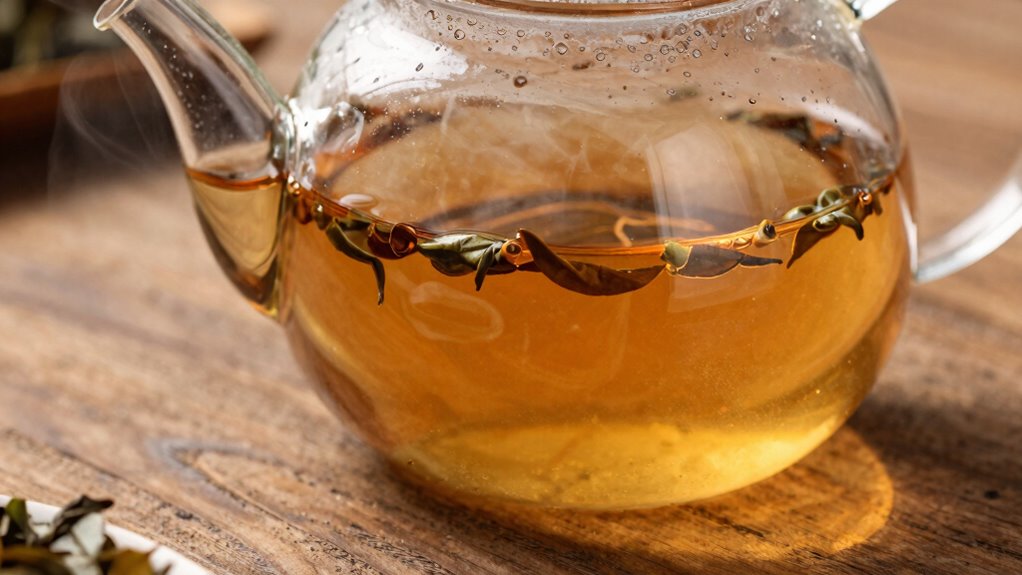
When you steep tea, heat causes tannins and other polyphenols to dissolve from the leaves into the water. The extraction process depends on the tea plant’s tannin structure, which influences how easily these compounds release. As water interacts with the tea leaves, it breaks down cell walls and releases tannins, along with flavor compounds. The temperature and steeping time play vital roles; hotter water accelerates extraction, while longer steeping intensifies it. Here’s a quick look at how this works:
| Factor | Effect on Tannin Extraction |
|---|---|
| Water temperature | Higher temps increase extraction speed |
| Steeping time | Longer steeping releases more tannins |
| Leaf surface area | More surface area speeds up extraction |
| Tannin structure | Influences how easily tannins dissolve |
| Tea plant variety | Affects overall tannin content |
Additionally, the processing methods of the tea leaves can impact tannin levels, making some teas more prone to bitterness when over-steeped. Properly controlling these factors can help prevent over-steeping and bitterness, especially since different types of tea vary in tannin content and extraction rates. Understanding the tannin extraction process can also guide you in choosing the right steeping time for your preferred flavor profile. To further optimize flavor, paying attention to temperature control can significantly reduce the chances of bitterness.

Fri4Free 2PCS Tea Infuser Strainer – Stainless Steel Strainers for Loose Leaf Tea, Steeper, Fine Mesh Ball holder with Chain Hook and Lid, Reusable Filter Bags Diffusers
Fine Mesh : Fri4free tea strainers for loose tea use reliable fine mesh that makes the mesh holes…
As an affiliate, we earn on qualifying purchases.
As an affiliate, we earn on qualifying purchases.
Why Do Tannins Make Tea Taste Bitter?
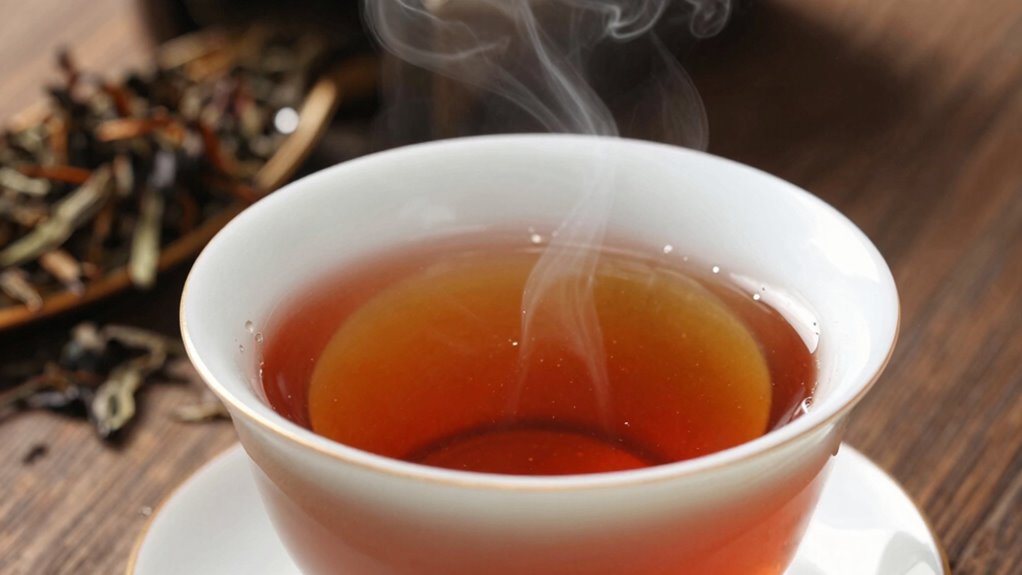
Tannins in tea cause astringency that can make your drink taste sharp and dry. When you steep your tea too long, more tannins are released, intensifying the bitter flavor. Proper air quality management and understanding how tannins and over-steeping influence taste helps you brew tea that’s just right. Additionally, the presence of tannins can be affected by factors such as water quality, which influences extraction during brewing.
Tannins and Astringency
You’ve probably noticed that some teas taste bitter and astringent, especially if brewed too long or with high heat. This sensation comes from tannins, which are part of the tea leaf structure. Tannins are polyphenolic compounds that bind to proteins in your mouth, causing that dry, puckering feeling. Their chemistry makes them highly reactive, especially when released in large amounts during over-steeping. As tannins dissolve, they interact with saliva proteins, creating that harsh, astringent taste. The more tannins extracted, the stronger the sensation of astringency. This process explains why some teas can taste overly bitter and dry if brewed improperly. Understanding tannin chemistry helps you control brewing to reduce astringency and enjoy a smoother, more balanced tea. Additionally, the extraction process can be influenced by factors such as water temperature and steeping time, which are crucial for achieving the desired flavor profile. Proper steeping methods can minimize excessive tannin release and improve overall tea taste by managing polyphenolic compound extraction. Recognizing how brewing variables affect tannin release allows tea enthusiasts to tailor their brewing techniques for optimal flavor. Being mindful of temperature control can further help prevent over-extraction of tannins, leading to a more pleasant tea experience.
Over-Steeping Effects
Over-steeping your tea causes an excessive release of tannins, which intensifies the bitter taste. When tea leaves are left in hot water too long, tannins leach out rapidly, overpowering the delicate flavors. This is linked to tea plant cultivation practices, as different growing conditions influence tannin levels. Some varieties naturally develop higher tannin content, making over-steeping even more problematic. While tannins are known for their astringent qualities, they also offer health benefits like antioxidants and improved digestion. However, too much extraction during over-steeping leads to a harsh, bitter flavor that masks the tea’s subtleties. Proper steeping times are essential to prevent over-extraction and preserve flavor. To enjoy the full spectrum of flavor and benefits, it’s essential to steep your tea within recommended times, balancing tannin release without overdoing it. Additionally, cultivation practices can significantly impact tannin levels, affecting how quickly tea becomes bitter during steeping. Proper harvesting techniques and processing methods also play a role in controlling tannin content, helping to produce a more balanced flavor profile.
Bitter Flavor Release
When tannins are released into your tea, they interact with proteins in your taste buds, creating a sensation of dryness and astringency. This interaction disrupts the natural flavor balance, making the tea taste more bitter. The strength of tannins, or tannin strength, directly influences how bitter your tea becomes; stronger tannins produce a more pronounced bitterness. Over-steeping increases tannin release, tipping the flavor balance toward bitterness and overshadowing subtle flavors. Properly managed, the tannin levels contribute to a well-rounded, enjoyable taste without overwhelming bitterness. Additionally, juice extraction techniques can influence how flavors develop, highlighting the importance of controlled brewing times. Understanding the relationship between tannin strength and flavor balance helps you brew tea that’s rich, smooth, and satisfying.

Nespresso Aeroccino 4 Milk Frother
The ideal accompaniment to Nespresso espresso machines and perfect for every coffee-drink lover, this quiet and entirely automatic…
As an affiliate, we earn on qualifying purchases.
As an affiliate, we earn on qualifying purchases.
What Factors Influence Tannin Release During Steeping?
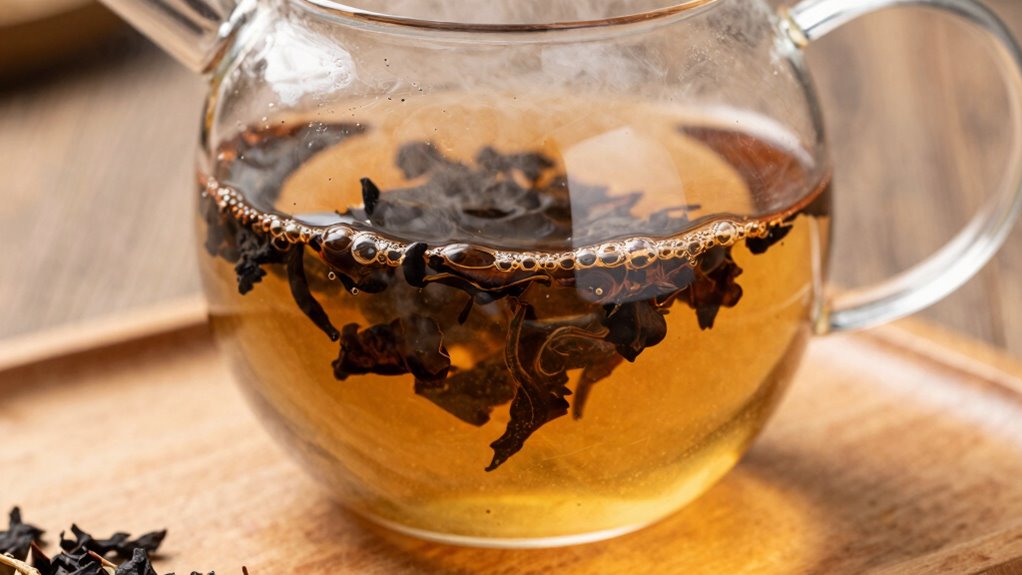
The type of tea you choose and its tannin content play a big role in how much tannin gets released during steeping. Additionally, steeping time and temperature directly affect tannin extraction; longer and hotter brewing generally increases tannin levels. Paying attention to these factors helps you control the bitterness and flavor of your tea. It’s also helpful to consider brewing techniques as they can influence tannin release and overall tea quality. Using proper steeping methods can minimize excessive tannin extraction, ensuring a more balanced taste. Being aware of the tea processing methods can further help in selecting teas that produce a smoother flavor profile.
Tea Type and Tannin Content
Have you ever wondered why different types of tea release varying amounts of tannins during steeping? The answer lies in the tea plant varieties. Green, black, white, and oolong teas come from different cultivars, each with unique tannin levels. For example, black teas generally have higher tannin content because of longer oxidation, while green teas have fewer tannins due to minimal processing. These differences influence not only the taste but also the potential tannin health benefits, as tannins can boost antioxidants and support digestion. The specific tea variety you choose determines how much tannin is released during steeping, affecting bitterness and astringency. Understanding these distinctions helps you select teas that match your flavor preferences and desired health benefits.
Steeping Time and Temperature
Steeping time and temperature play essential roles in determining how much tannin is released into your tea. Longer steeping times allow more tannins to leach out, but overdoing it can lead to bitterness. Higher temperatures speed up tannin extraction, making it critical to find the right balance. Your tea leaf composition also influences tannin release; more mature or tightly rolled leaves tend to contain higher tannin levels, releasing more when steeped. Additionally, the steeping vessel effects matter—ceramic or glass pots retain heat well, increasing tannin extraction, while thinner or less heat-retentive vessels may slow the process. By controlling both steeping duration and temperature, and considering your tea type and vessel, you can optimize flavor without over-extracting tannins that cause bitterness.
How Can You Tell If Your Tea Is Over-Steeped and Too Bitter?

Wondering if your tea has become too bitter? One way to tell is by evaluating the flavor balance. Over-steeped tea often tastes overly astringent and lacks the smoothness you want. Tannin detection is key—if your tea leaves a dry, puckering sensation in your mouth, it’s a sign that too many tannins have been released. This bitterness can overpower the natural flavors, making your brew unpleasant. Pay attention to the aroma as well; overly steeped tea may have a sharp, unbalanced scent. If the taste is sharply astringent and the flavor feels unharmonious, it’s a clear indicator that your tea has gone past the ideal steeping point. Adjust your steeping time next time to maintain a better flavor balance and avoid excessive tannin extraction.
How to Steep Tea Perfectly Without Over-Extracting Tannins

To steep tea perfectly without over-extracting tannins, you need to pay attention to the right steeping time and water temperature. Keeping these factors in check helps you avoid bitterness and achieve a smooth flavor. Small adjustments can make a big difference in your tea’s quality.
Optimal Steeping Time
Finding the most suitable steeping time is essential to enjoy tea’s full flavor without over-extracting tannins, which can cause bitterness and astringency. To achieve this, you need to balance your brewing techniques carefully. Typically, delicate teas like green or white require shorter steeping times, around 2–3 minutes, while stronger black teas may need 3–5 minutes. Keep in mind that over-steeping releases excessive tannins, leading to bitterness.
Consider these tips:
- Use a timer to monitor steeping duration precisely.
- Adjust steeping time based on tea type and leaf size.
- Taste periodically to find your preferred flavor profile.
- Use quality, fresh leaves for better control over tannin extraction.
Mastering ideal steeping time ensures a rich, balanced tea flavor without bitterness.
Water Temperature Control
Have you ever noticed how water temperature impacts the flavor of your tea? Controlling the right temperature helps prevent over-extraction of tannins, which can turn your brew bitter. Different teas have varying leaf densities, influencing how hot the water should be. For delicate green teas, lower temperatures preserve subtle flavor profiles, while robust black teas benefit from hotter water to fully extract their essence. Use a thermometer or temperature-controlled kettle to dial in the perfect heat. Here’s a guide:
| Tea Type | Ideal Temperature | Leaf Density |
|---|---|---|
| Green Tea | 160-180°F (70-80°C) | Light, airy |
| Black Tea | 200-212°F (93-100°C) | Dense, tightly rolled |
| Oolong Tea | 185-200°F (85-93°C) | Medium density |
| White Tea | 160-185°F (70-85°C) | Very delicate |
Adjust based on leaf density for best flavor extraction.
Do Different Types of Tea Have More or Less Tannins?
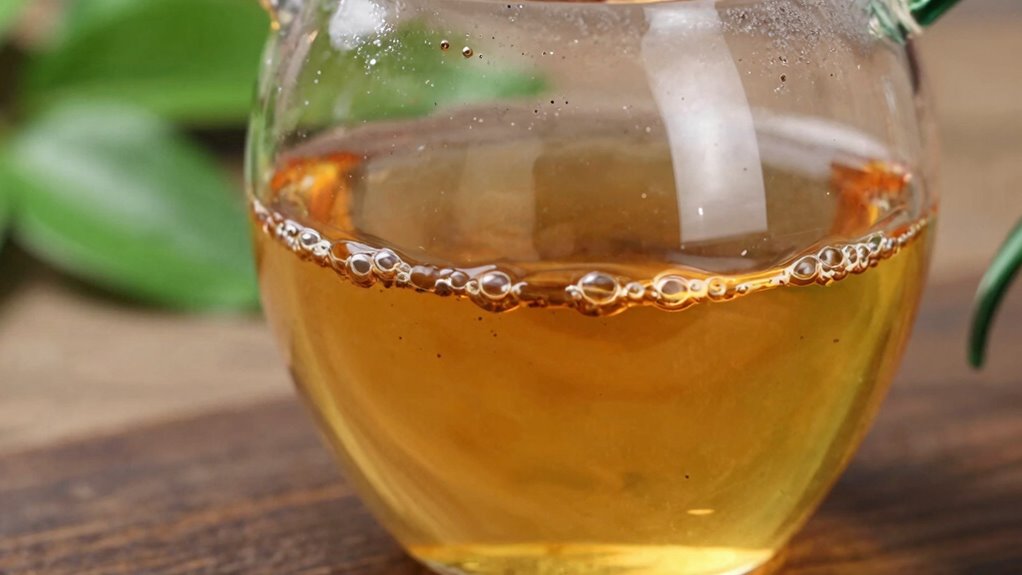
Ever wondered if different types of tea contain varying amounts of tannins? The answer is yes. The tannin levels depend on tea plant varieties, which influence tannin content and their health benefits. Black teas generally have higher tannin concentrations than green or white teas, due to processing methods. Some factors that affect tannin levels include:
- Tea plant varieties: Different cultivars naturally produce more or less tannins.
- Processing techniques: Oxidation increases tannin extraction, especially in black teas.
- Growing conditions: Climate and soil influence tannin development.
- Harvesting time: Younger leaves tend to have fewer tannins compared to mature leaves.
Knowing these differences helps you choose teas with the desired tannin content, maximizing their health benefits and flavor profiles.
How Water Temperature and Steeping Time Affect Tannin Extraction

Water temperature and steeping time play significant roles in determining how much tannins are extracted from tea leaves during brewing. Tea leaf composition influences how quickly tannins release, with some teas releasing more tannins at lower temperatures, while others require higher heat. Brewing variables like temperature and time directly impact tannin levels; higher temperatures accelerate extraction, and longer steeping increases tannin content. If you steep tea too long or at too high a temperature, you risk over-extracting tannins, making your tea bitter. Conversely, lower temperatures and shorter steeping times can produce a smoother, less astringent brew. Adjusting these variables based on the type of tea ensures you control tannin extraction and optimize flavor without bitterness.
What Can You Do If Your Tea Turns Out Too Bitter?
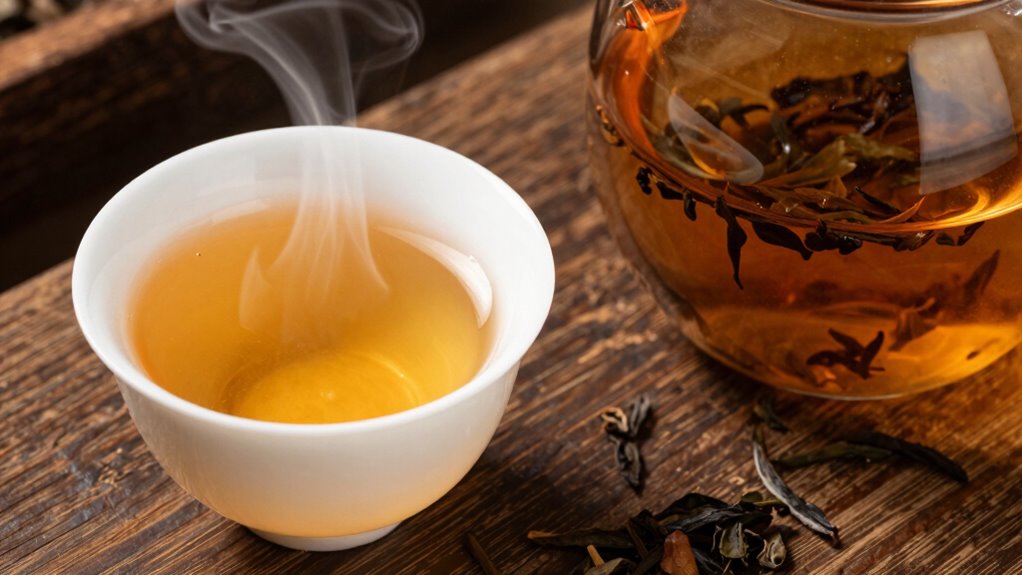
When your tea turns out too bitter, the first step is to dilute it with a splash of cold water or add a little more hot water to reduce the tannin impact and soften the tea flavor. This quick fix helps mellow the bitterness without losing the overall taste. You can also try:
- Adding a sweetener like honey or sugar to counteract bitterness.
- Including a slice of lemon to brighten the flavor and mask excess tannin impact.
- Using milk or a dairy alternative to smooth out the tea flavor.
- Serving the tea over ice to dilute it further and refresh the taste.
These methods help balance the tannin impact, making your tea more enjoyable and less astringent. With a few adjustments, you can salvage your brew and enjoy a more balanced cup.
Best Tips for Brewing a Smooth, Balanced Cup of Tea
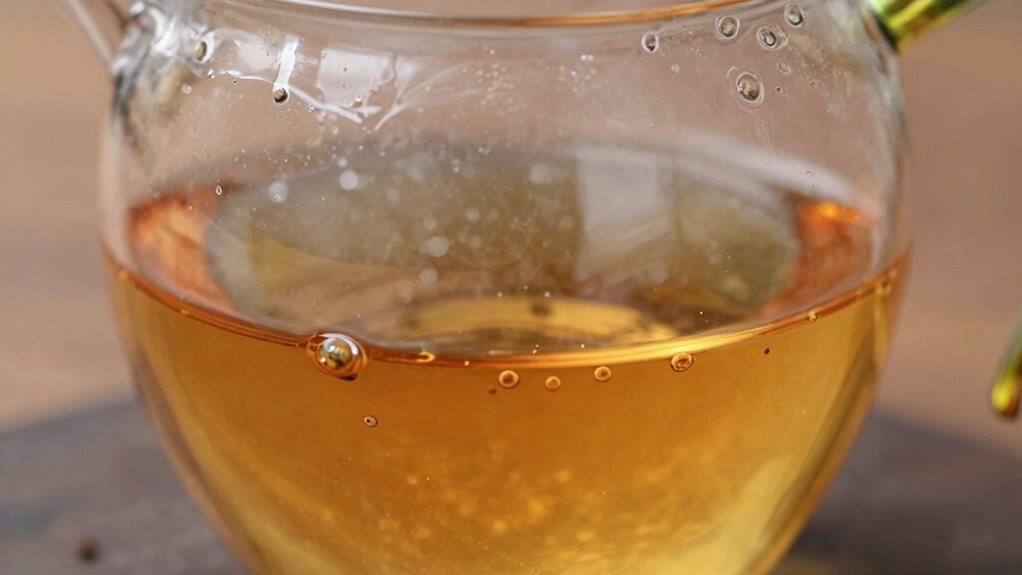
To brew a smooth, balanced cup of tea, selecting the right tea leaves and quality water is essential. Understanding tea leaf structure helps you choose leaves that release tannins gradually, preventing bitterness. Opt for whole leaves or high-quality loose tea over tea bags, which often contain broken leaves and dust. Pay attention to tannin chemistry; some teas naturally have milder tannin profiles, making them easier to brew without bitterness. Use water that’s just below boiling—around 190°F to 200°F—to avoid extracting excessive tannins. Steep times matter: typically 2-3 minutes for green and white teas, and 3-5 minutes for black teas. Adjust based on your taste, but always aim for a controlled extraction to enjoy a smooth, balanced cup.
Frequently Asked Questions
Which Teas Naturally Contain the Highest Tannin Levels?
You’ll find the highest tannin levels in black and green teas, especially when over-steeped. Green teas naturally have more tannins than herbal teas, which generally contain little to none. Herbal teas like chamomile or peppermint usually lack tannins altogether. To avoid bitterness, steep green and black teas carefully and avoid over-steeping. This way, you enjoy the rich flavor without the undesirable bitterness from excessive tannin extraction.
Can Tannins Have Health Benefits Besides Affecting Taste?
Tannins do offer health benefits beyond affecting taste; they have antioxidant properties that can help protect your cells from damage. Consuming tannin-rich teas may support your immune system, improve heart health, and reduce inflammation. While over-steeping can make tea taste bitter, enjoying the right steeping time lets you maximize these health benefits. So, yes, tannins contribute positively to your well-being when consumed mindfully.
How Do Tannins Interact With Other Compounds in Tea?
Ironically, tannins love to mingle with other compounds, turning your tea into a complex flavor dance. They interact with antioxidants, enhancing health benefits, while also influencing flavor interactions—sometimes mellowing or intensifying certain notes. This dynamic interplay can make your brew richer or more astringent, depending on steeping time. So, tannins don’t just impact taste; they actively shape your tea’s health perks and flavor profile through these fascinating interactions.
Do Tannin Levels Vary Between Organic and Non-Organic Teas?
You’ll find that tannin levels can vary between organic and non-organic teas due to organic differences in cultivation and processing methods. Organic teas often have slightly different tannin variation because they’re grown without synthetic pesticides or fertilizers, which can influence leaf chemistry. While the tannin content may not be drastically different, these subtle variations can affect the tea’s bitterness and astringency, especially if you’re sensitive to tannins or prefer a specific flavor profile.
Are There Specific Brewing Methods to Reduce Tannin Extraction?
To reduce tannin extraction, you should adjust your brew time and water temperature. Use a shorter brew time—around 2-3 minutes for black tea—and keep water temperatures lower, around 80-85°C (176-185°F). This prevents tannins from releasing too quickly, resulting in a smoother, less bitter cup. Experiment with these adjustments to find the perfect balance that minimizes tannin extraction while preserving flavor.
Conclusion
So, next time you brew, think of your tea as a delicate dance—timing and temperature are your partners. When you master the rhythm, you’ll unseal a symphony of flavors that soothe, not sour. Don’t let over-steeping turn your brew into a bitter storm; instead, embrace the art of gentle extraction. With a little care, every cup becomes a warm hug, inviting you to savor the perfect balance with each sip.