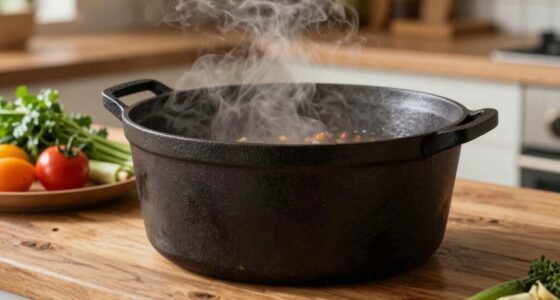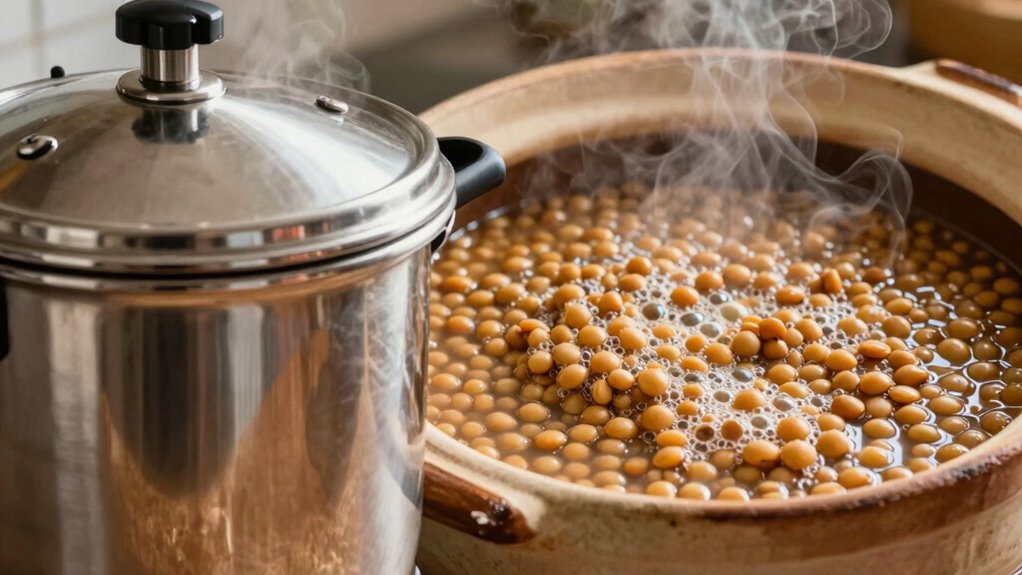

Using a pressure cooker versus a pot changes how you cook lentils by markedly reducing cooking time, usually by about two-thirds. Pressure-cooked lentils become softer and creamier because of the high pressure breaking down cell walls, while pot-cooked lentils retain more shape and texture. The flavor also shifts—pressure cooking traps aroma, making it more subtle, whereas simmering enhances aroma complexity. Continue exploring to discover tips for perfecting your lentil dishes with each method.
Key Takeaways
- Pressure cookers drastically reduce cooking time (10-15 minutes) compared to traditional pots (20-30+ minutes).
- They produce softer, more uniformly tender lentils with creamier textures due to high pressure breaking down cell walls.
- Flavor development is quicker and more concentrated in pressure cookers, while traditional pots enhance aroma complexity over longer simmering.
- Nutrient retention favors pressure cooking because of shorter cook times, though both methods cause some vitamin loss.
- Moisture retention is higher in pressure cookers, leading to different final textures and consistency compared to evaporation in traditional pots.

Instant Pot Duo 7-in-1 Electric Pressure Cooker, Slow Cooker, Rice, Steamer, Sauté, Yogurt Maker, Warmer & Sterilizer, Includes App With Over 800 Recipes, Stainless Steel, 6 Quart
7 Cooking Functions: Pressure cook, slow cook, sauté, steam, make rice, yogurt, or simply keep your meal warm—all…
As an affiliate, we earn on qualifying purchases.
As an affiliate, we earn on qualifying purchases.
How Do Pressure-Cooked Lentils Differ From Pot-Cooked Lentils?

Pressure-cooked lentils typically cook much faster than those prepared in a regular pot, often taking about 10-15 minutes compared to 20-30 minutes or more. This rapid cooking influences their texture comparison; pressure cooking tends to produce softer, more uniformly tender lentils, which can sometimes turn mushy if overdone. In contrast, pot-cooked lentils often retain more of their individual shape and firmness, giving you more control over texture. Regarding flavor preservation, pressure cooking locks in flavors better due to the sealed environment, resulting in a more concentrated taste. However, some delicate flavors may be less pronounced if cooked too quickly. Overall, pressure cooking offers a quick, flavorful option, but it can alter the traditional texture and subtlety of the lentils.
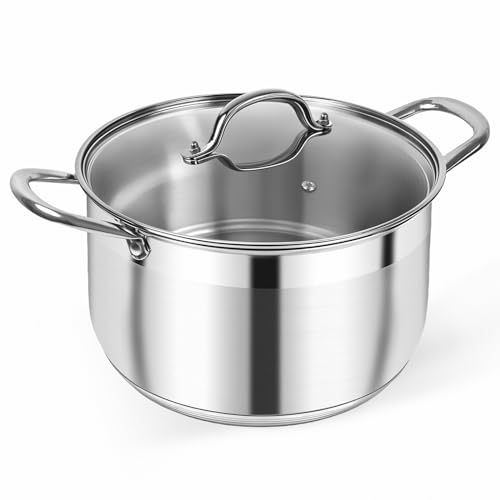
Kirecoo Stainless Steel Stock Pot – 8 Quart Heavy Duty Induction Cooking Pot with Visible Lid for Pasta, Soup, Spaghetti, Nonstick Thick Bottom Big Stockpot, Deep Cookware for Canning, Boiling, Simmer
Stainless steel and 5 layers bottom: Kirecoo 8-Quart Stainless Steel Stockpot with Lid is an essential kitchen cookware,…
As an affiliate, we earn on qualifying purchases.
As an affiliate, we earn on qualifying purchases.
Does Using a Pressure Cooker Speed Up Lentil Cooking Time?

Using a pressure cooker substantially reduces the time it takes to cook lentils compared to traditional methods. The high pressure builds quickly, cooking lentils in about a third of the usual time. Typically, on the stove, lentils take 20-30 minutes, but with a pressure cooker, they often cook in 10 minutes or less. You’ll need to take into account pressure release methods—quick or natural—to prevent overcooking and guarantee the right texture. Keep in mind, recipe modifications might be necessary; you may need to reduce cooking liquids or adjust seasoning since flavors concentrate faster. Overall, using a pressure cooker saves time and makes meal prep more efficient, but it demands attention to pressure release and slight recipe tweaks to achieve perfect results.
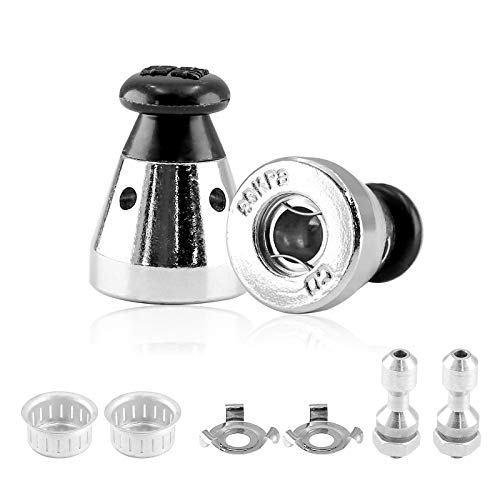
Bonsicoky 2PCS Universal Pressure Cooker Relief Jigger Valve with Exhaust Rod, Safe and Anti-blocking, Regulator Weight Pressure Control 80KPA
PACKAGE CONTENT – 2 x Jigger Valve, 2 x Stainless Steel Anti-Blocking Cover, 2 x Anti-Blocking Bracket, 1…
As an affiliate, we earn on qualifying purchases.
As an affiliate, we earn on qualifying purchases.
Do Lentils Become Softer or More Creamy When Pressure-Cooked?

When you pressure-cook lentils, they tend to become much softer and creamier compared to traditional stovetop methods. This texture transformation results from the high pressure and heat, breaking down the lentils’ cell walls more rapidly. As a result, you’ll notice a smoother, more cohesive consistency, perfect for soups or purees. Pressure cooking also enhances flavor development by concentrating the natural flavors and infusing them more deeply into the lentils. Additionally, the use of high-tech devices can optimize cooking times and consistency, ensuring perfectly cooked lentils every time. This method is especially beneficial for achieving consistent results, which can be challenging with conventional cooking techniques. The increased heat and pressure can also help in breaking down other components such as fibers, leading to a more uniform texture that is difficult to achieve with traditional methods. Moreover, pressure cooking can save significant cooking time, making it a convenient option for busy kitchens.
Kirecoo Stainless Steel Stock Pot – 8 Quart Heavy Duty Induction Cooking Pot with Visible Lid for Pasta, Soup, Spaghetti, Nonstick Thick Bottom Big Stockpot, Deep Cookware for Canning, Boiling, Simmer
Stainless steel and 5 layers bottom: Kirecoo 8-Quart Stainless Steel Stockpot with Lid is an essential kitchen cookware,…
As an affiliate, we earn on qualifying purchases.
As an affiliate, we earn on qualifying purchases.
How Does the Cooking Method Impact Lentil Flavor and Aroma?
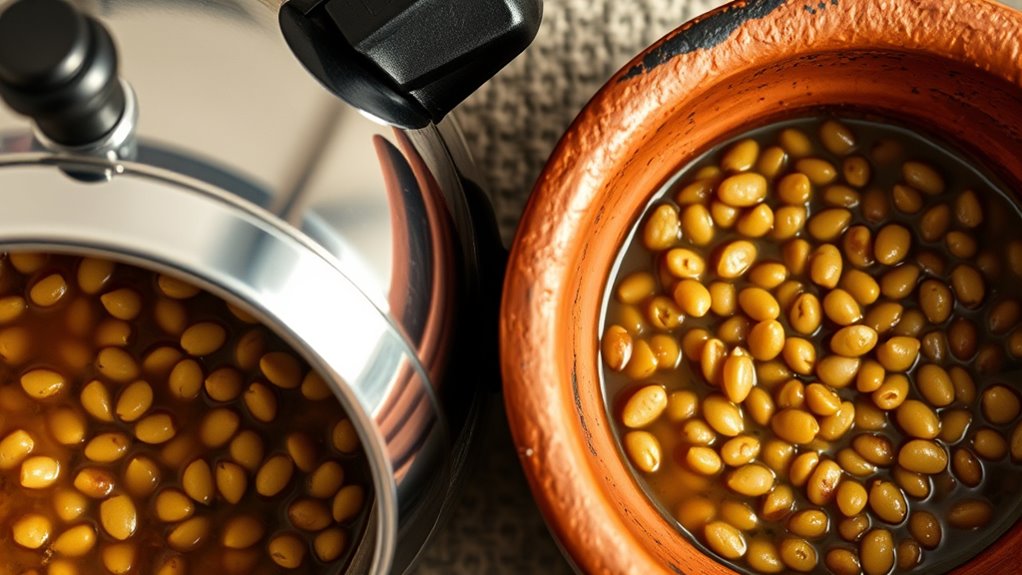
The way you cook lentils can profoundly affect their aroma and flavor. Pressure cooking often intensifies aroma and speeds up flavor extraction, while traditional pots may produce more subtle notes. Cooking time also plays a role, influencing how rich and fragrant your lentils turn out.
Aroma Intensity Differences
Cooking methods considerably influence the aroma and flavor intensity of lentils, with pressure cookers often producing a more subdued scent compared to traditional pots. This difference impacts the culinary aroma you experience during and after cooking, affecting how vibrant and inviting your dish smells. When using a pressure cooker, the sealed environment traps steam, limiting the release of aromatic compounds and resulting in subtler flavor nuances. Conversely, a traditional pot allows for more evaporation, intensifying the aroma and highlighting complex flavors.
You might notice:
- Less aromatic volume in pressure-cooked lentils
- Reduced scent complexity with quick cooking
- More pronounced aroma in slow simmered lentils
- Better flavor layering in traditional methods
Flavor Extraction Efficiency
The method you choose for cooking substantially influences how effectively flavors and aromatic compounds are extracted from lentils. In a pressure cooker, higher heat and pressure quickly break down cell walls, releasing more intense flavors and aromas. Conversely, a traditional pot allows for gradual extraction but might result in subtler tastes. Your seasoning variations also impact flavor; in a pressure cooker, spices meld rapidly, while in a pot, they develop more slowly. Additionally, cooking vessel material matters—metal conducts heat differently than ceramic or non-stick, affecting how flavors are released. Here’s a comparison:
| Aspect | Effect on Flavor Extraction |
|---|---|
| Cooking Vessel Material | Metal enhances heat transfer, intensifying flavors |
| Seasoning Variations | Rapid infusion in pressure cooker, slower in pot |
| Cooking Method | Pressure accelerates flavor release |
Furthermore, the thermal conductivity of the cooking vessel influences how evenly flavors develop during cooking.
Cooking Time Impact
Since the cooking method directly influences the duration of heat exposure, it considerably impacts the flavor and aroma development in lentils, with faster methods like pressure cooking often producing more intense profiles. Shorter cooking times can preserve delicate flavors and aromatic compounds, allowing seasoning variations to shine through. Conversely, longer simmering in a pot may mellow flavors, creating a softer aroma. The cooking method also affects presentation styles; pressure-cooked lentils tend to be more uniform and pureed, while traditional pots allow for chunkier textures. These differences influence how flavors meld and how aromas are perceived during serving. Additionally, the cooking process can affect the retention of nutrients and the overall nutritional profile of the lentils. Ultimately, choosing between pressure cooker and pot depends on your desired flavor intensity, presentation style, and the complexity of seasoning variations you want to highlight.
What Factors Influence the Texture and Creaminess of Lentils?

The texture and creaminess of lentils depend on several factors you can control. Cooking time variations, moisture levels, and the type of lentils all play a role in achieving your desired consistency. Understanding these elements helps you cook lentils perfectly every time. Additionally, the use of filtration systems in your cooking process can influence the final texture by removing impurities and excess moisture. Proper temperature control is also essential, as it affects how uniformly the lentils cook and develop their characteristic creaminess. Implementing energy-efficient cooking methods can further enhance consistency while conserving energy during preparation. Being mindful of moisture management can help you achieve the ideal consistency for different lentil dishes. Incorporating automotive repair knowledge can also be useful when troubleshooting kitchen appliances like pressure cookers or rice cookers used in lentil preparation.
Cooking Time Variations
Cooking time plays a crucial role in determining the texture and creaminess of lentils, as various factors can cause significant differences. Longer cooking results in softer, creamier lentils, while shorter times keep them firmer. Several elements influence this, including the age of the lentils, which may require longer cooking, and your choice of seasoning techniques, which can affect how quickly they absorb flavors and soften. Proper storage tips, like keeping lentils in a cool, dry place, help maintain their ideal cooking qualities. Also, the cooking method itself—pressure cooker versus pot—can drastically alter cooking times. Keep these factors in mind to achieve your preferred lentil consistency, whether for a hearty stew or a creamy side dish. For example, seasoning techniques such as adding acidic ingredients too early can slow down softening, impacting the final texture.
Moisture Content Effects
Moisture content plays a pivotal role in determining whether lentils turn out tender and creamy or remain firm and textured. When cooking, moisture retention influences the final texture and creaminess. Higher moisture levels generally lead to a smoother, more uniform texture, while lower moisture can make lentils firmer. Factors like cooking time, vessel type, and lid pressure directly affect moisture content. Here’s a quick comparison:
| Factor | Effect on Moisture Content |
|---|---|
| Cooking Time | Longer time increases moisture |
| Vessel Type | Lids trap moisture, boosting retention |
| Pressure Level | Higher pressure retains more moisture |
| Stirring Frequency | Frequent stirring reduces moisture retention |
| Drainage | Draining excess water lowers moisture |
Understanding these factors helps you control the texture comparison and achieve your desired lentil consistency. Additionally, electric pressure cookers can efficiently regulate pressure and moisture, leading to more consistent results. Properly managing moisture retention is essential for consistently perfect lentils.
Lentil Type Differences
Different types of lentils naturally vary in their texture and creaminess, influenced by their size, shape, and composition. For example, lentil varieties like red or yellow tend to break down more easily, becoming creamier, while green or brown lentils hold their shape better. The choice of cooking vessels also impacts their final texture; pressure cookers often produce softer lentils faster, enhancing creaminess, whereas pots may require longer cooking for similar results. Additionally, understanding the comparative advantage of different cooking methods can help optimize texture and flavor. Using a cooking vessel that retains heat efficiently can further influence the breakdown process, leading to a more uniform texture. The cooking time and temperature play critical roles in achieving the desired consistency, especially when aiming for a creamy versus a firmer texture.
How Does Water Absorption Vary Between Pressure Cooker and Pot Methods?
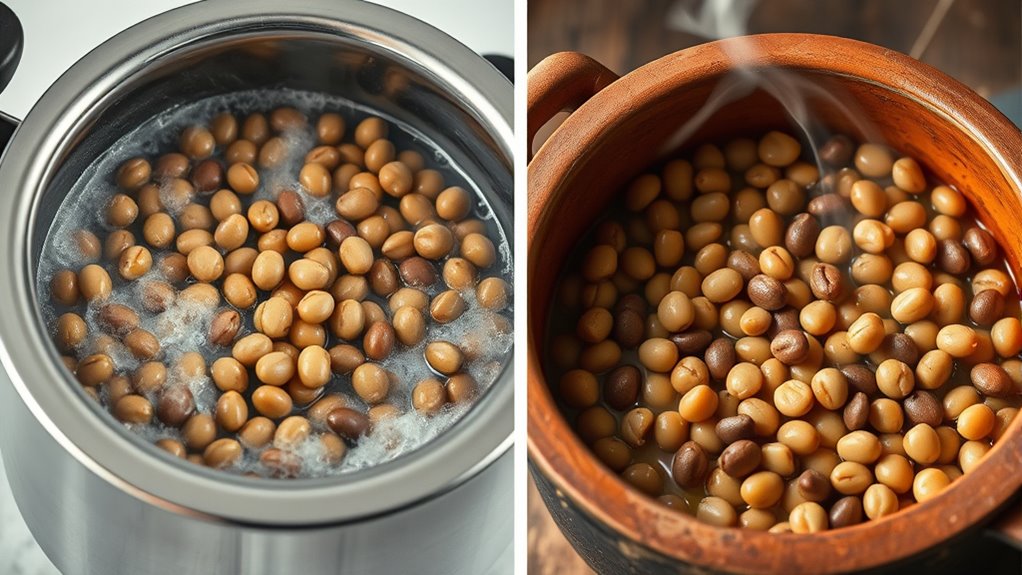
When you use a pressure cooker, water absorption tends to be lower compared to traditional pots because the sealed environment reduces evaporation and retains moisture more effectively. This means your lentils absorb less water during cooking, leading to a different texture. In a pressure cooker, the high pressure and temperature accelerate cooking, often resulting in more consistent water absorption across batches. This improved cooking consistency helps you achieve evenly tender lentils without over-saturating them. Conversely, in a regular pot, water loss through evaporation can vary depending on cooking time and heat level, affecting water absorption rates. As a result, lentils cooked in a pot may be softer or drier, depending on how you manage the moisture. Moisture retention is a key factor that influences the final texture of your lentils, and understanding this difference helps you control the texture and cooking methods more effectively. Additionally, water interaction with lentils varies based on the cooking environment, which is important for achieving the desired doneness. Incorporating knowledge of cooking environment can further enhance your control over the final dish.
Are There Nutritional Differences in Lentils Based on Cooking Technique?

The way you cook lentils can influence their nutritional content, but the differences are generally minimal. Cooking technique can affect how well nutrients like vitamins, minerals, and antioxidants are preserved. For example, prolonged cooking might slightly reduce certain water-soluble vitamins, but overall, lentil nutrition remains stable. Cooking methods such as auditory processing techniques can also impact nutrient retention by affecting cooking duration and temperature. Using a pressure cooker can preserve more nutrients due to shorter cook times, while boiling in a pot might cause some nutrient loss. Additionally, factors like soaking and cooking duration also impact nutrition. The weight of wind turbine blades can influence the efficiency of energy production, which indirectly relates to sustainable food practices by reducing reliance on energy-intensive food processing. Additionally, understanding nutrient stability during cooking plays a role in nutrient preservation. Keep in mind, other factors like soaking and cooking duration also impact nutrition. Additionally, understanding academic assistance services can help students learn more about nutrition science and improve their study strategies. To maximize benefits, consider quick cooking methods or minimal water use.
Common Mistakes to Avoid When Cooking Lentils in a Pressure Cooker

One common mistake is overfilling your pressure cooker, which can lead to unsafe pressure buildup or uneven cooking. Skipping the soaking step may cause lentils to take longer to cook or become mushy. To get the best results, follow the recommended fill lines and soak your lentils if needed.
Overfilling the Cooker
Overfilling your pressure cooker can lead to dangerous situations and hinder proper cooking. When you add too many lentils or liquids, it increases the risk of overfilling dangers like blocked pressure release valves or spillage. Overfilling can also prevent the cooker from reaching proper pressure, resulting in uneven cooking. To avoid these issues, keep these tips in mind:
- Never exceed the maximum fill line marked inside the cooker.
- Leave enough space for steam to build up safely.
- Use pressure release techniques properly to avoid excess pressure.
- Always check the cooker’s instructions for specific capacity limits.
Skipping Soaking Steps
Skipping the soaking step when cooking lentils in a pressure cooker can cause problems like uneven cooking or longer cooking times. Soaking benefits include reducing cooking time and helping lentils absorb water more evenly. When you skip this step, the lentils rely solely on the cooking water, which may lead to inconsistent results, especially with older or larger lentils. Soaking softens the lentils beforehand, allowing heat to penetrate more efficiently and ensuring they cook evenly. Without soaking, you may need to increase cooking time or risk having undercooked or mushy lentils. To avoid these issues, soak your lentils for at least 30 minutes before pressure cooking. This simple step helps maintain the right texture and shortens overall cooking time, making your lentils perfect every time.
Which Cooking Method Works Best for Different Lentil Recipes?
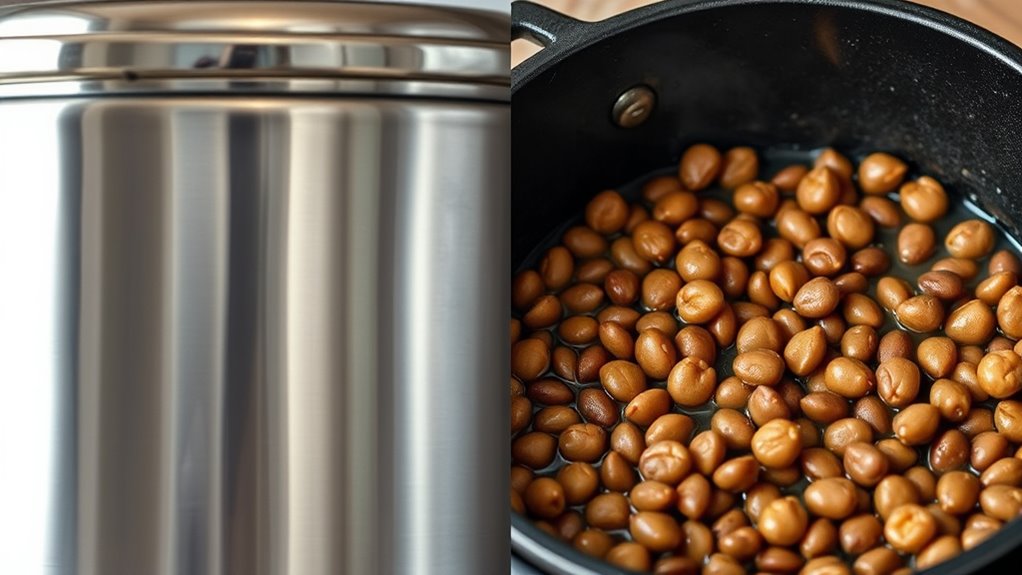
Choosing the right cooking method can considerably impact the texture and flavor of your lentil dishes. Different lentil varieties respond better to specific methods, so selecting the right cooking equipment is key. For hearty, intact lentils like French green or brown, a pot allows you to maintain shape, perfect for salads or side dishes. If you want soft, mashed lentils for soups or dals, a pressure cooker speeds up the process and softens the beans evenly. Consider your recipe’s texture needs when choosing between these methods.
Choosing the right cooking method enhances lentil texture and flavor for every dish.
- Use a pot for lentils that need to hold their shape.
- Opt for a pressure cooker for quick, soft results.
- Choose cooking equipment based on lentil variety.
- Match your method to the desired dish outcome.
How Can You Adjust Cooking Times for Perfect Lentils in Both Methods?

Adjusting cooking times for perfect lentils depends on both the method you’re using and the type of lentils. To adjust cook times effectively, start by understanding how each method influences texture control. In a pot, you can easily extend or shorten cooking time by checking the lentils periodically, ensuring they reach your desired tenderness. For pressure cookers, reduce cooking times for firmer lentils and increase them slightly if you prefer softer results. Keep in mind that different lentil varieties cook at different rates, so adjust accordingly. Always start with recommended times, then fine-tune based on your preferred texture. This approach allows you to control cooking times precisely, ensuring your lentils are perfectly cooked whether using a pot or pressure cooker.
Frequently Asked Questions
Can Pressure Cooking Cause Overcooking or Undercooking Lentils?
Yes, pressure cooking can cause overcooking or undercooking lentils if you’re not careful. If you cook them too long, their texture becomes mushy and loses the desired firmness, affecting cooking consistency. On the other hand, too little time leaves them undercooked, with a firm or gritty texture. To get perfect lentil texture, monitor your cooking time closely and adjust the pressure cooker settings accordingly.
Are Certain Lentil Varieties Better Suited for Pressure Cooking?
Certain lentil varieties, like red and yellow, are better suited for pressure cooking because they break down easily and cook quickly, making them ideal for soups and purees. Green and brown lentils, on the other hand, hold their shape better and are less pressure suitable for dishes requiring intact lentils. Knowing the pressure suitability of each variety helps you choose the right lentils for your recipes, ensuring perfect results every time.
How Do Cooking Times Vary With Different Pressure Cooker Models?
Different pressure cooker models can substantially influence cooking time variations. For example, a high-end model with advanced pressure regulation may cook lentils in 8-10 minutes, while a basic model might take 12-15 minutes. You’ll notice that the pressure level, valve design, and sealing efficiency all affect how quickly your lentils cook. Always check your specific cooker’s guidelines, as model differences can make a noticeable difference in cooking times.
Does Pressure Cooking Affect the Nutritional Content of Lentils?
Pressure cooking helps preserve nutrients in lentils because it cooks them quickly and at higher pressure, reducing nutrient loss. This method boosts cooking efficiency, saving you time without sacrificing nutritional quality. You’ll get tender lentils packed with vitamins and minerals, making your meals healthier. So, using a pressure cooker not only speeds up cooking but also guarantees better nutrient preservation compared to traditional boiling in a pot.
What Safety Precautions Are Necessary When Pressure Cooking Lentils?
Think of your pressure cooker as a wild stallion—you need to handle it carefully. Always make certain the lid is securely locked before cooking, and never force it open. When cooking lentils, use the pressure release method carefully—allow steam to escape naturally or quickly, depending on your recipe. Keep your hands away from the lid’s safety mechanisms, and double-check that the pressure valve is clean and functioning, ensuring safe, delicious results.
Conclusion
Whether you choose a pressure cooker or pot, each method shapes your lentils into a different story. Pressure cooking whisks them to softness in a flash, while traditional pot cooking lets their flavors dance slowly and deeply. Think of it as a choice between speed and soul—both can lead to delicious results. So, pick your path, trust your instincts, and let your love for lentils blossom in every bite.