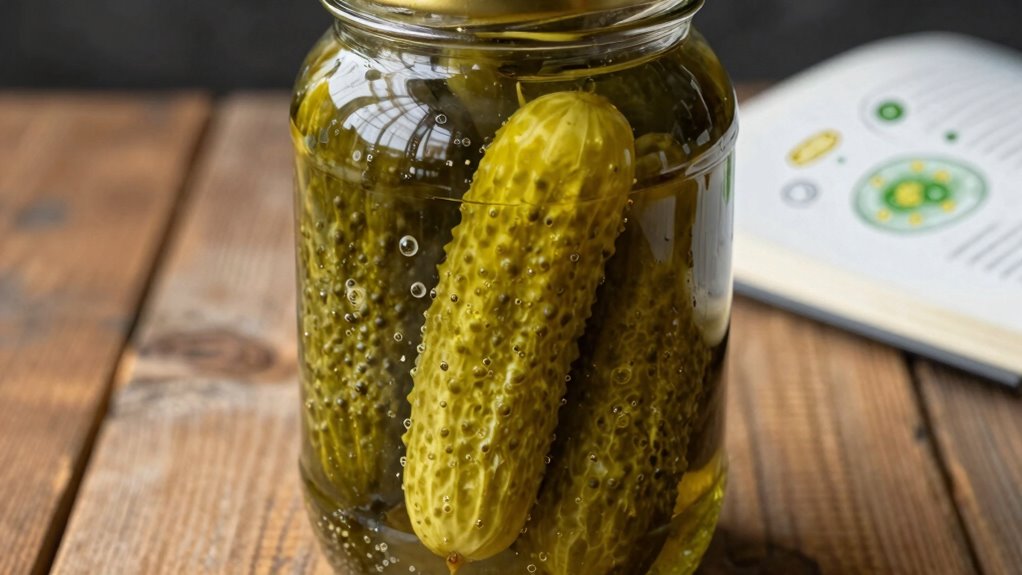

Pickles turn soft over time because of changes in pH, salt levels, and storage conditions that weaken their cell walls. Enzymes and microbes break down pectin and other components, causing the texture to decline. Factors like fluctuating temperatures or insufficient vinegar and calcium chloride can speed up sogginess. Proper ingredients, fermentation, and storage play key roles in keeping pickles crisp. To learn about maintaining your pickle crunch, continue exploring these helpful tips.
Key Takeaways
- Insufficient vinegar or low pH weakens cell walls, leading to sogginess over time.
- Fluctuating storage temperatures and exposure to air accelerate enzymatic and microbial softening.
- Enzymes like pectinases degrade pectin, breaking down cell structure and causing loss of crunch.
- Low salt levels reduce osmotic pressure, allowing water to escape and soften pickles.
- Proper sterilization, consistent acidity, and cool storage conditions help preserve pickle crispness.

Craft A Brew – Calcium Chloride – Primary Brewing Salt – Home Brewing Ingredients – 4oz
PRIMARY BREWING SALTS – Use Calcium Chloride to correct mineral deficiencies in your water for brewing better quality…
As an affiliate, we earn on qualifying purchases.
As an affiliate, we earn on qualifying purchases.
Why Do Some Pickles Stay Crispy While Others Get Soggy?
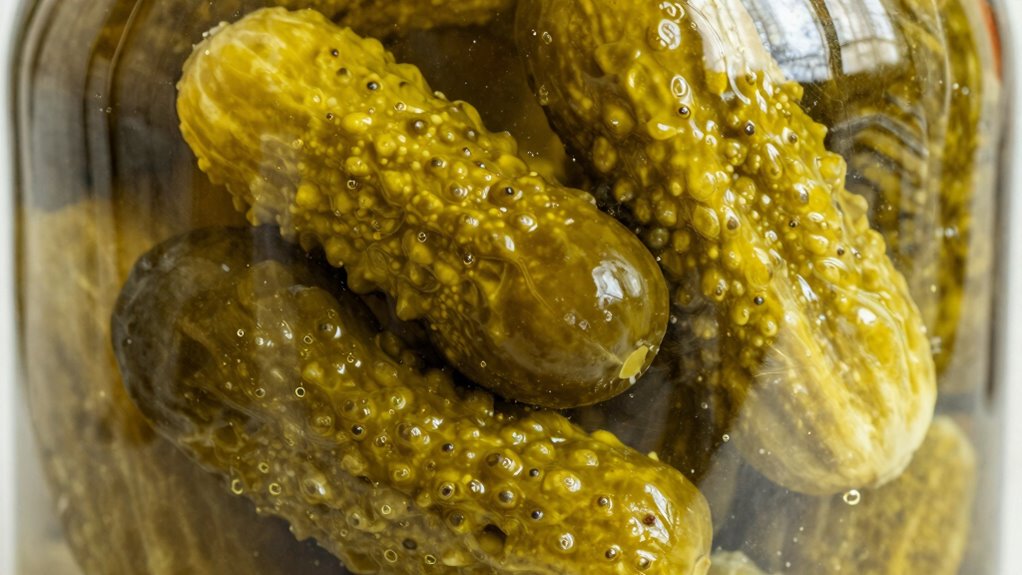
Have you ever wondered why some pickles stay crisp right out of the jar, while others turn soggy after a few days? The key lies in the pickle pH balance and vinegar concentration. A properly balanced pH keeps the cellular structure intact, preventing excess water from leaching out. Higher vinegar concentration lowers the pH, creating a more acidic environment that preserves crunchiness. When the pH is too high or vinegar levels are insufficient, the cellular walls weaken, allowing moisture to escape and resulting in sogginess. Maintaining the right vinegar concentration and pH balance during pickling helps lock in crispness. Additionally, the contrast ratio between the acidic environment and the cellular walls plays a crucial role in maintaining texture. This chemical equilibrium is essential for creating an environment that preserves the integrity of the cucumber’s structure, keeping your pickles satisfyingly crunchy for longer periods. Proper fermentation process techniques further enhance the stability of this balance, ensuring your pickles remain crisp. Understanding the food preservation principles involved can help you perfect your homemade pickles.
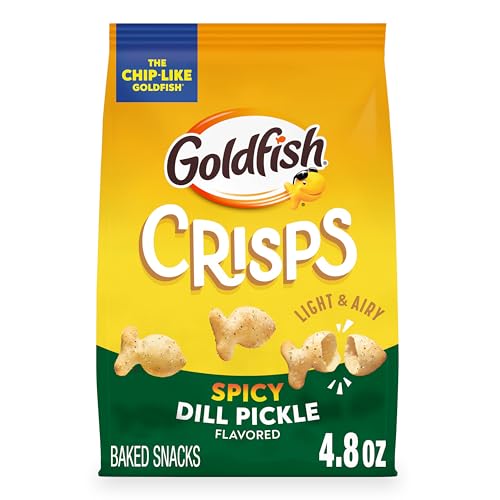
Goldfish Crisps Spicy Dill Pickle Baked Chip Crackers, 4.8 Oz Bag
Includes one (1) 4.8-ounce bag of Goldfish crisps spicy dill pickle flavored baked chip crackers
As an affiliate, we earn on qualifying purchases.
As an affiliate, we earn on qualifying purchases.
What Ingredients Help Keep Pickles Crunchy?
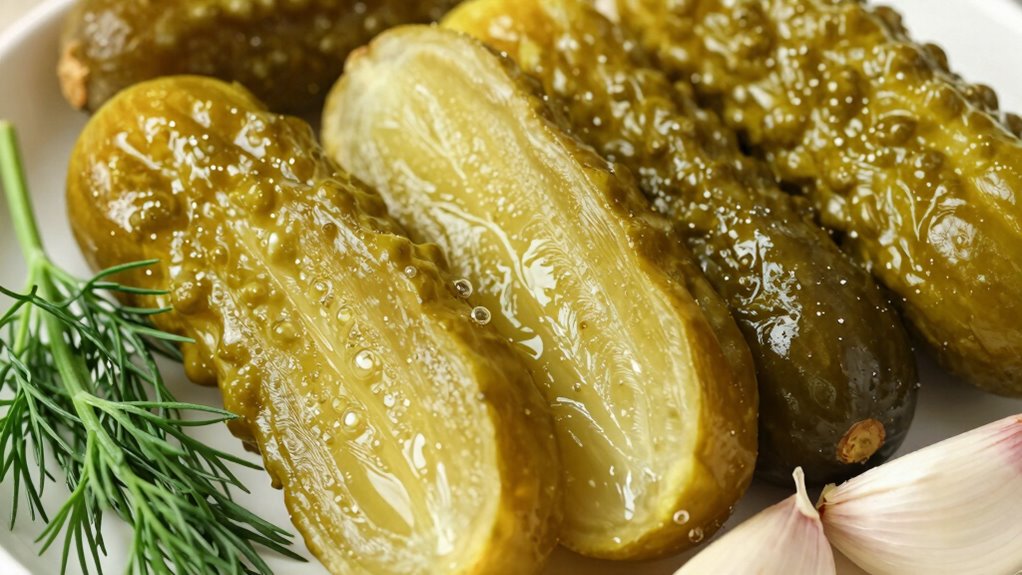
Certain ingredients play an essential role in maintaining pickles’ crunchiness. One key factor is vinegar stability; using vinegar with a stable acidity helps preserve cell structure, preventing softness. Additionally, salt interactions are critical; proper salt levels draw out moisture while strengthening cell walls, which keeps pickles firm. Using pickling salts like calcium chloride can also enhance crunchiness because calcium interacts with pectin in the cucumber’s cell walls, reinforcing firmness. Proper ingredient selection is vital, as it influences the overall texture and longevity of the crunchiness in pickles. Avoiding ingredients that promote softening, such as excess sugar or weak vinegars, is equally important. The right balance of vinegar stability and salt interactions ensures your pickles stay crisp over time. By selecting ingredients that support these properties, you can greatly improve the crunchiness of your homemade or store-bought pickles. Understanding eco-friendly practices can also help optimize sustainable ingredients and methods for better preservation.
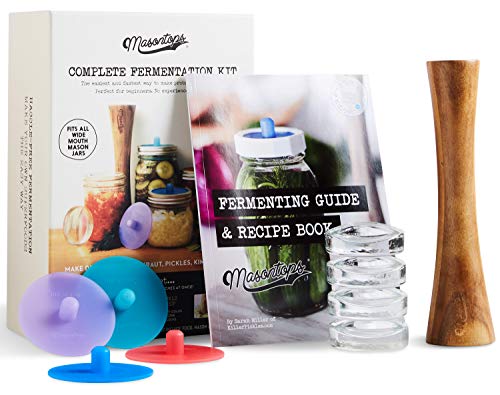
Masontops Complete Mason Jar Fermentation Kit – Pickle Kit, Sauerkraut Making Kit Kimchi Container – Fermentation Airlock Lids Wide Mouth Mason Jars
MASONTOPS COMPLETE MASON JAR FERMENTATION KIT: Includes all the tools needed to turn your ordinary wide mouth mason…
As an affiliate, we earn on qualifying purchases.
As an affiliate, we earn on qualifying purchases.
How Do Fermentation and Storage Conditions Affect Pickle Firmness?
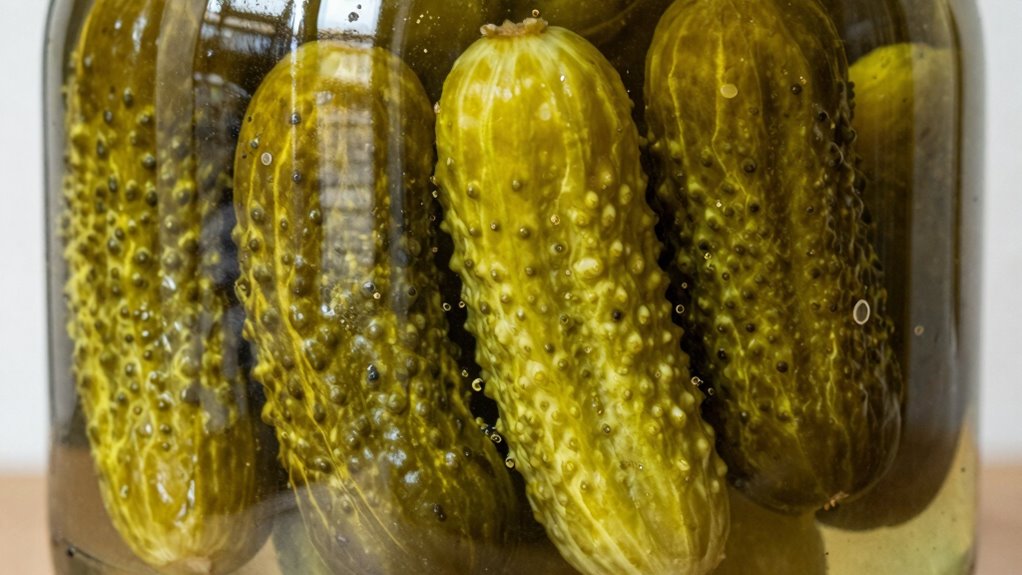
Fermentation and storage conditions directly influence the firmness of your pickles by affecting their internal structure. Variations in fermentation variables, like temperature and salt concentration, can alter how well the cucumbers retain their crunch. Higher temperatures may speed up fermentation but can weaken cell walls, leading to softer pickles. Conversely, controlled, cooler fermentation maintains firmness. Storage techniques also play a vital role; keeping pickles submerged in brine prevents dehydration and preserves texture. Exposure to air or fluctuating temperatures accelerates softening. Proper storage in a cool, consistent environment helps maintain crispness over time. Additionally, understanding the biochemical processes involved in fermentation can help optimize texture preservation. Recognizing the importance of auditory feedback therapy can also enhance your understanding of how feedback mechanisms influence preservation techniques. By managing fermentation variables and employing effective storage techniques, you can guarantee your pickles stay firm, crunchy, and satisfying long after they’re made. Proper temperature control can also influence microbial activity, which impacts the fermentation process and final texture. Maintaining optimal fermentation conditions ensures the right balance of microbial activity necessary for a firm, crisp pickle.

The Gourmet Pickle Kit -Must Bee Company– DIY Pickling Set with Reusable Glass Jars, Spices & Step-by-Step Guide – Fermentation Kit for Homemade Dill Pickles
All-in-One Kit: Our pickle kit includes all the essentials: jars, spices, labels, and step-by-step instructions, making pickling a…
As an affiliate, we earn on qualifying purchases.
As an affiliate, we earn on qualifying purchases.
What Causes Pickles to Softening Over Time?
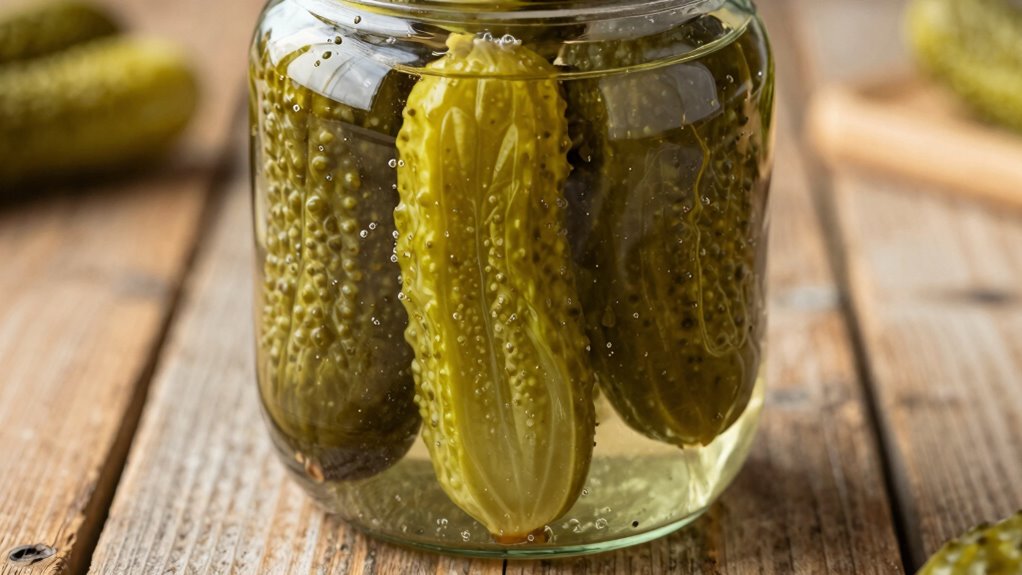
Over time, pickles tend to soften due to ongoing chemical and biological processes that break down their cell walls. One key factor is the pickling pH, which influences enzyme activity and microbial growth. As the acidity levels fluctuate, enzymes like pectinases become more active, degrading pectin that holds the cell walls together. Additionally, salt concentration plays a vital role; if it’s too low, osmotic pressure decreases, allowing water inside the cells to move out, weakening their structure. Proper storage conditions can help maintain crispness and slow down these processes. Maintaining optimal fermentation parameters is essential for prolonging crispness in pickles. The microbial activity during fermentation also affects texture, as certain bacteria produce acids and enzymes that influence cell wall integrity. Over extended storage, these combined effects cause the crisp texture to diminish. The natural breakdown of cell wall components, driven by pH and salt levels, makes pickles more prone to softening over time. Enzyme activity further accelerates the breakdown of cell wall materials, contributing to the loss of crunch. Understanding these factors helps explain why your pickles may lose their crunch as they age. Additionally, temperature control during storage is crucial, as higher temperatures can accelerate enzymatic and microbial activities that lead to softening.
Tips to Keep Your Pickles Crunchy Longer
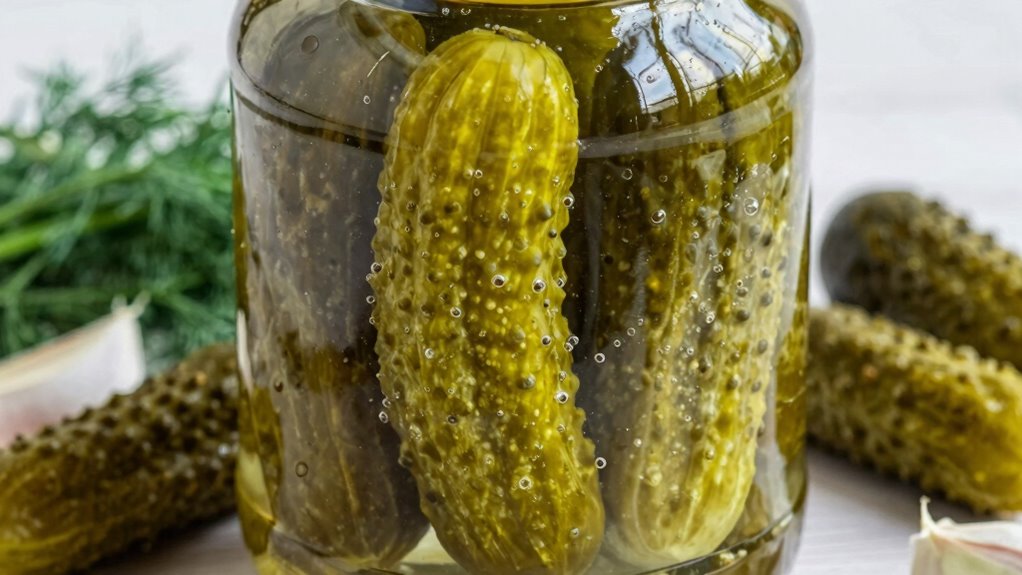
To keep your pickles crispy for longer, you can take specific steps during their preparation and storage. First, choose fresh cucumbers and avoid over-soft ones, as they impact the pickle texture. When pickling, use vinegar effects that favor crunchiness—white vinegar or apple cider vinegar are good options. Ascertain the vinegar concentration is balanced; too much can soften pickles, while too little may reduce preservation. Store your jars in a cool, dark place to slow down enzymatic activity and prevent softening. Keep the lid tightly sealed to minimize exposure to moisture and air, which can degrade texture. Additionally, avoid excessive shaking or agitation after sealing, as this can break down the pickles’ firmness. Proper handling and storage help maintain that satisfying crunch longer. Temperature control during storage is also crucial, as keeping jars at a consistent, cool temperature helps preserve their crispness over time. Implementing proper storage techniques can further enhance the longevity of your pickles’ crunchiness. Moreover, using crisping agents such as calcium chloride can help maintain firmness throughout storage. Incorporating regular checks on the jars can help catch any signs of softening early and preserve crunchiness effectively.
Can You Revive Soggy Pickles? Best Practices and Solutions
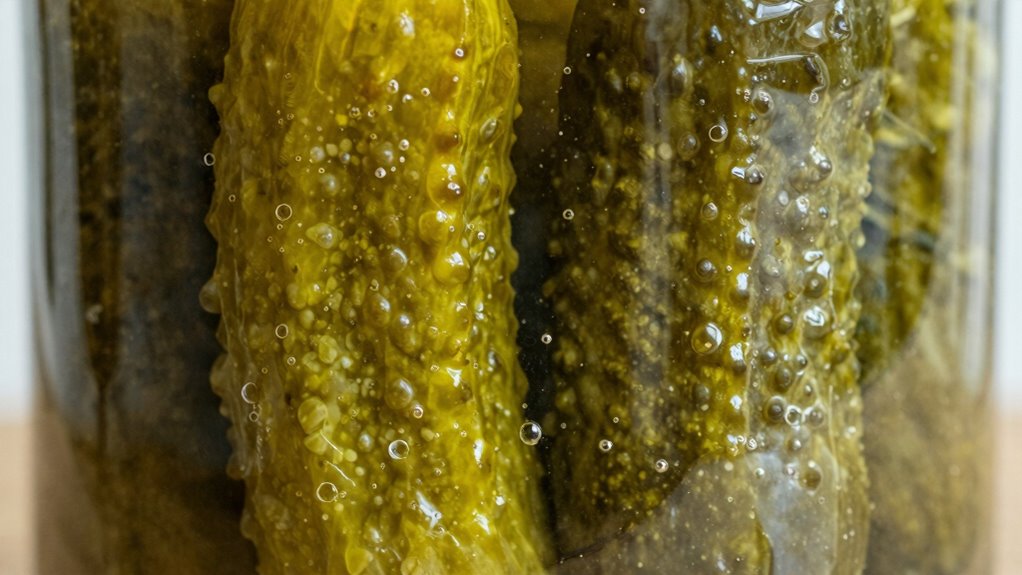
Soggy pickles can be frustrating, but there are effective ways to revive their crunch. To restore some of that crispness, try soaking the pickles in ice water for a few hours; this can help firm them up without compromising their pickle flavor. Ensuring your jar is properly sterilized before refilling can prevent bacteria that cause softening. When adding new pickles or reusing the jar, sterilize it thoroughly to maintain the ideal environment for crunch. If the pickles are still too soft, placing them in a fresh brine with a splash of vinegar can sometimes help tighten their texture. Keep in mind, while these methods may improve firmness, they won’t fully turn back time on over-softened pickles. Proper storage and jar sterilization are key to maintaining that satisfying crunch. Additionally, Understanding fermentation processes can also help in selecting the best preservation techniques to keep your pickles crisp over time. For example, controlling storage conditions such as temperature and humidity can have a significant impact on maintaining their texture over longer periods. Maintaining proper pH levels during fermentation is essential for preserving the crunchiness of your pickles. Further, proper fermentation techniques can influence the overall texture and longevity of your pickles, ensuring they stay crisp longer.
Frequently Asked Questions
Does the Type of Cucumber Affect Pickle Crunchiness?
Yes, the type of cucumber affects pickle crunchiness. Cucumber varieties with thicker skins and firmer flesh, like Kirby or Persian, tend to stay crunchier. Your harvesting methods also matter; pick cucumbers at the right stage of maturity to guarantee firmness. Smaller, younger cucumbers usually produce crisper pickles, while overripe ones may turn soft. So, choosing the right varieties and harvesting at the best time helps keep your pickles crunchy.
Can Additives or Preservatives Influence Pickle Firmness?
Additives and preservatives can definitely influence pickle firmness through their additive effects and preservative impact. Some preservatives, like calcium chloride, help maintain crunch by strengthening cell walls, while others, such as sulfites, may cause softer textures. When you choose pickles with specific preservatives, you’re affecting their texture. Always check labels if you want to guarantee your pickles stay firm, as additive effects vary depending on the ingredients used.
How Does the Size of Pickles Impact Their Texture?
You’ll notice that larger pickles tend to have a softer texture because their size impacts how the brine penetrates, leading to less uniform firmness. Smaller pickles usually stay crunchier, as the brine evenly reaches all parts, maintaining their crispness. The size of the pickle directly influences the texture impact, with smaller pickles preserving their crunch better, while bigger ones may become softer over time due to slower brine absorption.
Are There Specific Storage Containers That Maintain Crunch Better?
You should choose airtight containers for pickle storage, as they help maintain crunch by preventing air and moisture from seeping in. Glass jars with tight-fitting lids or specialized pickle jars work best, keeping pickles crisp longer. Avoid flimsy or porous containers, which can lead to softening. Proper container choices guarantee your pickles stay crunchy and delicious, preserving their texture and flavor over time.
Does Rinsing Pickles Before Storage Affect Their Crispness?
Rinsing pickles before storage is like washing away their shield, which can reduce their crispness. This process affects the brine concentration around the pickle, making it less effective at preserving crunch. By rinsing, you may also alter the fermentation time, causing softer textures. To keep your pickles crisp, skip the rinse and store them in their original brine, maintaining the perfect environment for crunch.
Conclusion
To keep your pickles crunchy, think of them as tiny jars of time capsules—each crunch telling a story of perfect fermentation and proper storage. When you follow best practices, you’re like a pickle whisperer, preserving that satisfying snap. Even if they soften, a quick chill or a sprinkle of fresh brine can revive their crispness. With a little care, your pickles will stay lively and delightful, turning each bite into a crisp, invigorating burst of flavor.