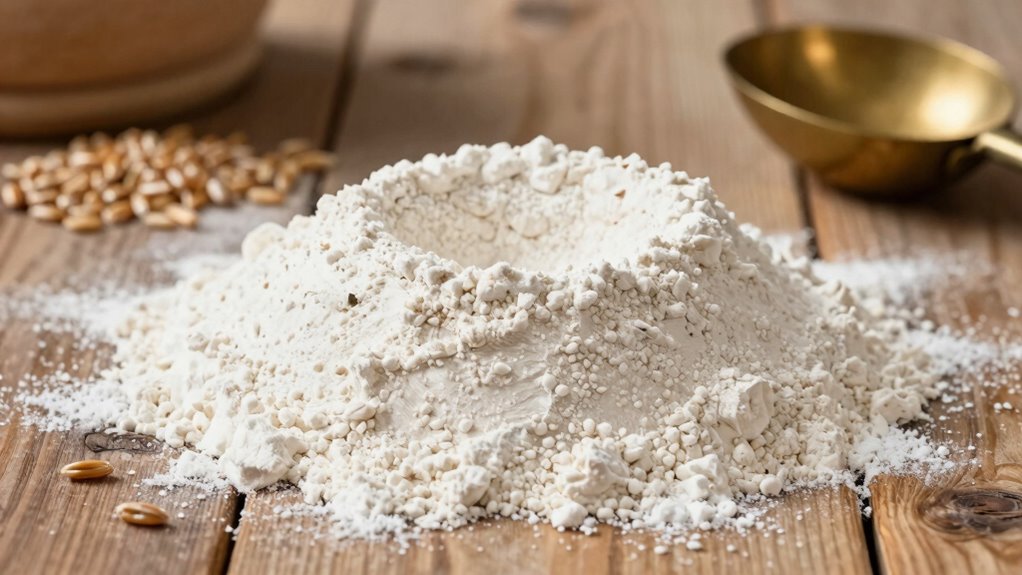

When you mill fresh flour, rapid chemical reactions, enzymatic activity, and oxidation cause its flavor to change within 24 hours. Enzymes break down starches and fats, while exposure to air triggers lipid oxidation, both altering aroma and taste. Moisture from the grains also influences flavor development. To keep your flour tasting its best, understanding these processes helps you use it at the right time. If you want to learn more, keep exploring these fascinating changes.
Key Takeaways
- Enzymatic reactions activated during milling alter flavor and aroma within the first 24 hours.
- Lipid oxidation and exposure to oxygen cause flavor changes like rancidity or nutty notes over time.
- Moisture content from freshly milled grain enhances enzyme activity and flavor complexity initially.
- Chemical interactions and oxidation gradually diminish fresh aroma, leading to taste differences.
- Proper storage slows chemical changes, helping maintain flavor stability within the first day.
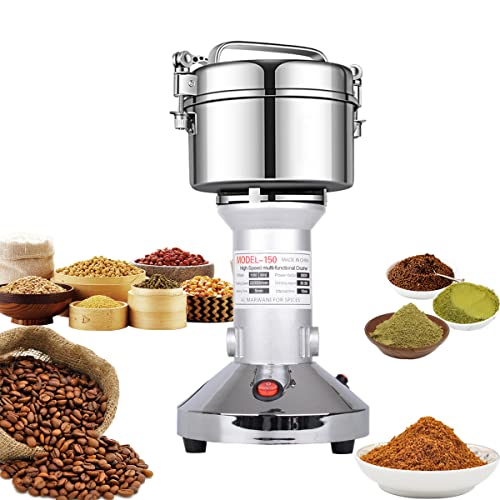
Grain Mill 150g High Speed Food Electric Stainless Steel Grinder Mill Seeds Flour Nut Pill Wheat Corn Herbs Spices & Seasonings Grinder Dry Grain Powder Machine
🌾SMIALL GRAIN GRINDER : Power:900W ; Capacity:150g; Interval Time:5-10 min;Rotating Speed: 22000R/Min,Triples blade: grinding blade, rotary blade, and…
As an affiliate, we earn on qualifying purchases.
As an affiliate, we earn on qualifying purchases.
Why Does Fresh-Milled Flour Taste So Different Right After Milling?
When you first taste freshly milled flour, you’ll notice it has a noticeably different flavor compared to store-bought varieties. This difference comes down to grain quality and milling techniques. Fresh-milled flour retains more of the grain’s natural oils, which contribute to its richer flavor and aroma. High-quality grains, especially those that are carefully selected, provide a more vibrant taste. Additionally, milling techniques—such as stone grinding versus roller milling—affect how the flour’s components are preserved. Stone milling often preserves more nutrients and flavors, resulting in a fresher, more complex taste. Store-bought flour, which is often stored longer and processed with industrial methods, tends to lose some of these qualities. That’s why freshly milled flour offers a distinctly vibrant, wholesome flavor right after milling. Proper storage methods also play a crucial role in maintaining its freshness and flavor over time. Factors like oxidation can further diminish the flour’s sensory qualities during storage, but incorporating antioxidant treatments can help extend its shelf life effectively.

Stone Grain Mill Grinder for Home – Handmade Countertop Wheat & Flour Disk Grinder with Wooden Stand for Bread, Tortillas, Spices
【Natural Granite Stone Grinding】Crafted from durable natural granite stone disks, this manual mill preserves nutrients and authentic flavors…
As an affiliate, we earn on qualifying purchases.
As an affiliate, we earn on qualifying purchases.
How Enzymes and Natural Oils Influence Flour’s Flavor
Enzymes in fresh-milled flour boost flavor by breaking down starches into sugars, giving your baked goods a richer taste. Natural oils contribute subtle nutty and grassy notes that enhance overall flavor complexity. Understanding how these components work helps you appreciate the unique qualities of freshly milled flour.
Enzymes Enhancing Flavor
Natural enzymes in fresh-milled flour play a vital role in developing its rich flavor profile. As enzymatic activity occurs, enzymes break down starches and proteins, releasing sugars and amino acids that contribute to depth and complexity. This process enhances the flour’s natural taste, making it more vibrant and nuanced within hours of milling. Additionally, natural oils present in the flour interact with enzymatic activity, amplifying flavor development. These oils help sustain the freshness and support the enzymatic breakdown, creating a more aromatic and flavorful product. Understanding the science behind enzymatic reactions can further deepen your appreciation of how these processes influence flavor development. By understanding how enzymes work together with natural oils, you can appreciate why fresh-milled flour tastes so distinctive and lively soon after milling, setting it apart from processed or stored flours. Recognizing the role of natural oils in flavor enhancement highlights the importance of freshness in milling.
Natural Oils Impact
The natural oils in fresh-milled flour play a crucial role in shaping its flavor by working alongside enzymes to enhance aroma and taste. These oils, preserved through careful milling techniques, contribute to the flour’s rich, nutty notes and overall freshness. Grain nutrition influences the oil content, meaning higher-quality grains often yield more vibrant flavors. When you mill your flour, minimizing heat and oxidation helps retain these essential oils, ensuring maximum flavor impact. As oils oxidize over time, they can develop off-flavors, which is why freshly milled flour tastes different within 24 hours. Proper milling methods are essential for maintaining oil integrity and achieving optimal flavor. Additionally, understanding how oxidation impacts oil freshness can help you better preserve flavor during storage. Incorporating proper storage techniques can slow oxidation and extend the shelf life of your freshly milled flour. This knowledge helps you select and handle flour for prime freshness and taste.

Wallaby 400cc Oxygen Absorbers for Long Term Food Storage 100 count (10х Packs of 10) Bulk – FDA Food Grade Packs for Vacuum Mylar Bag, Airtight Container Flour Sugar Cereal, Freeze Dryer & Dehydrator
TEN PACKS OF OXYGEN ABSORBERS – Uniquely offered as sets of ten, Wallaby absorbers are packaged and heat…
As an affiliate, we earn on qualifying purchases.
As an affiliate, we earn on qualifying purchases.
How Milling Causes Chemical Changes That Alter Taste
When you mill flour, chemical changes like lipid oxidation can develop, affecting its flavor stability. Enzymatic activity shifts, leading to new aroma compounds and altered taste profiles. These transformations directly influence how fresh-milled flour enhances your baked goods. Additionally, the type of milling equipment used can impact the extent of these chemical changes, with vetted electric conversion kits ensuring more consistent results. Understanding oxidative processes can help bakers preserve flavor quality during storage and application. Recognizing how grain processing techniques influence chemical reactions is essential for maintaining optimal flavor in homemade flours. Employing modern automation systems can also help monitor and control these chemical changes during processing. Gaining insight into chemical stability is crucial for producers aiming to extend shelf life without compromising flavor.
Lipid Oxidation Effects
Milling exposes fresh flour surfaces to oxygen, triggering lipid oxidation that can substantially change its flavor profile. When lipids in the flour react with oxygen, they produce compounds that develop off-flavors and alter freshness. This process is accelerated by enzyme activity, which breaks down fats into free fatty acids, making lipids more vulnerable to oxidation. As enzyme activity increases after milling, more lipids become available for oxidation, intensifying flavor changes within hours. You’ll notice a nutty or rancid taste developing as these oxidation products accumulate. This chemical reaction occurs quickly, especially in the first 24 hours, which is why freshly milled flour tastes different shortly after milling. enzyme activity plays a crucial role in speeding up lipid oxidation and flavor alteration. Managing enzyme activity and minimizing oxygen exposure can help slow lipid oxidation and preserve flavor. Additionally, proper storage methods that limit oxygen exposure can significantly delay these chemical changes, highlighting the importance of understanding oxidation processes in flour storage. Implementing antioxidant treatments can also help slow down these reactions and maintain flour quality over time. Being aware of storage conditions and their impact on lipid oxidation is essential for maintaining optimal flavor and freshness.
Enzymatic Activity Changes
As flour is exposed to milling, enzymes become more active, triggering a series of chemical reactions that change its flavor. These enzymatic changes impact nutrient retention, breaking down complex molecules into simpler compounds that influence taste. Milling techniques, such as stone or roller milling, affect enzyme activation levels, with finer milling often increasing enzyme activity. This enzyme activation process varies depending on the milling technique employed, further influencing flavor development during the initial storage period. This heightened activity accelerates biochemical processes, like starch conversion and protein modification, which alter flavor profiles within the first 24 hours. The enzymatic reactions can intensify certain flavors or introduce new nuances, making fresh-milled flour taste different from aged flour. Additionally, enzymatic activity varies depending on the milling process, further influencing the flavor development during the initial storage period. Recognizing how Milling techniques impact enzyme activation helps explain why freshly milled flour offers a distinctive flavor experience, driven by the dynamic chemical transformations initiated during milling. Understanding chemical changes that occur during milling can also guide bakers in optimizing flavor and nutritional qualities from the start, including how temperature control can affect enzyme activity and flavor outcomes.
Aroma Compound Evolution
The process of milling triggers chemical reactions that transform the aroma compounds in flour, directly influencing its flavor profile. When you mill fresh flour, the grain aroma undergoes subtle shifts as enzymes and oxidation alter volatile compounds responsible for aroma. These changes can cause the flour’s scent to become more complex or fade slightly, affecting how it smells and tastes. Immediately after milling, aroma compounds are at their peak, offering vibrant, fresh notes. However, over the next 24 hours, chemical interactions can lead to decreased flavor stability, causing certain aroma compounds to diminish or change. This evolution explains why freshly milled flour tastes noticeably different within a day, as the chemical processes continue to shape its aroma and overall flavor experience.

Palouse Brand Certified Glyphosate Residue Free Hard White Wheat Berries | 5 LBS | Family Farmed in Washington State | Non-GMO Project Verified | 100% Non-Irradiated | Kosher
CERTIFIED GLYPHOSATE RESIDUE FREE by the detox project.
As an affiliate, we earn on qualifying purchases.
As an affiliate, we earn on qualifying purchases.
Why Fresh Flour Has More Moisture and How It Affects Flavor
Because fresh-milled flour is less processed than store-bought options, it retains more moisture from the wheat kernels. This higher grain moisture influences flavor development, making it richer and more complex. The retained moisture allows enzymes and natural oils to remain active longer, enhancing the taste and aroma. As the flour sits, moisture gradually evaporates, which can lead to subtle flavor changes over time. The extra moisture also contributes to a softer texture in baked goods and can improve the overall mouthfeel. However, this moisture content means fresh flour is more prone to spoilage if not stored properly. Overall, the higher grain moisture in fresh flour results in a more vibrant, nuanced flavor that evolves as it adjusts to its environment.
How Oxidation and Air Exposure Change Flour’s Taste
When flour is exposed to air over time, oxidation begins to alter its flavor profile. This process can lead to a nutty or slightly stale taste, impacting flavor preservation. Oxygen reacts with the fats and enzymes in the flour, causing subtle chemical changes that affect taste. While some oxidation can improve flavor complexity, excessive exposure can diminish freshness and result in off-flavors. To maintain shelf stability, it’s best to store flour in airtight containers, limiting air contact. Proper storage slows oxidation, helping your flour stay fresher longer. Understanding how air exposure influences flavor helps you keep your flour tasting its best, especially during the essential first days after milling. This knowledge guarantees you enjoy prime flavor while extending shelf life.
Why Does Flour’s Flavor Evolve Within 24 Hours? The Science of Resting and Aging
After milling, flour doesn’t immediately reach its peak flavor; instead, it undergoes a natural process of resting and aging that considerably alters its taste within the first 24 hours. During this time, enzyme activity continues, breaking down complex molecules into simpler, more flavorful compounds. This process enhances flavor development, making the flour taste richer and more rounded. Resting allows moisture redistribution and chemical changes that improve dough elasticity and baking performance. Here’s a quick overview:
| Factor | Effect on Flavor | Why It Matters |
|---|---|---|
| Enzyme activity | Breaks down starches and proteins | Boosts flavor and texture |
| Resting time | Develops complex flavors | Improves dough quality |
| Chemical changes | Alters aroma and taste | Enhances freshness |
This natural aging process is essential for developing the flour’s full flavor potential.
How Storage Conditions Impact Flavor Development in Fresh Flour
Your storage conditions considerably influence how fresh flour develops flavor. Keep the temperature steady, as heat can cause unwanted changes, while cool environments preserve its qualities. Also, maintaining proper moisture levels prevents flavor loss and spoilage, ensuring your flour stays fresh and flavorful.
Temperature Effects on Flavor
Temperature plays a crucial role in shaping the flavor of fresh-milled flour during storage. Higher temperatures accelerate chemical reactions, leading to flavor changes that vary with grain varieties and milling techniques. For example, certain grain varieties contain enzymes that become more active when stored at warmer temperatures, producing off-flavors or altering aromas. Milling techniques influence how quickly these reactions occur; finer flour tends to be more sensitive to temperature fluctuations. Keeping flour cool slows these processes, preserving its fresh, nutty notes. Conversely, warmer storage speeds up flavor development, which can result in undesirable tastes. To maintain ideal flavor, store your flour in a cool, stable environment, regardless of the grain type or milling method used. Proper temperature control ensures your flour stays fresh and flavorful longer.
Moisture’s Role in Freshness
Moisture levels during storage considerably influence the freshness and flavor of your fresh-milled flour. Too much moisture can encourage mold and spoilage, while too little causes the grain structure to become brittle, affecting moisture retention. Proper storage maintains ideal humidity, preserving the flour’s natural qualities. The grain’s structure depends on moisture balance, which influences how flavors develop over time. Here’s how moisture impacts your flour:
| Storage Condition | Effect on Freshness |
|---|---|
| High humidity | Clumps, mold risk |
| Low humidity | Dry, flavor loss |
| Airtight containers | Better moisture control |
| Exposure to air | Accelerates staling |
| Stable temperature | Preserves grain integrity |
Do Residual Bran and Germ Contribute to Flavor Changes?
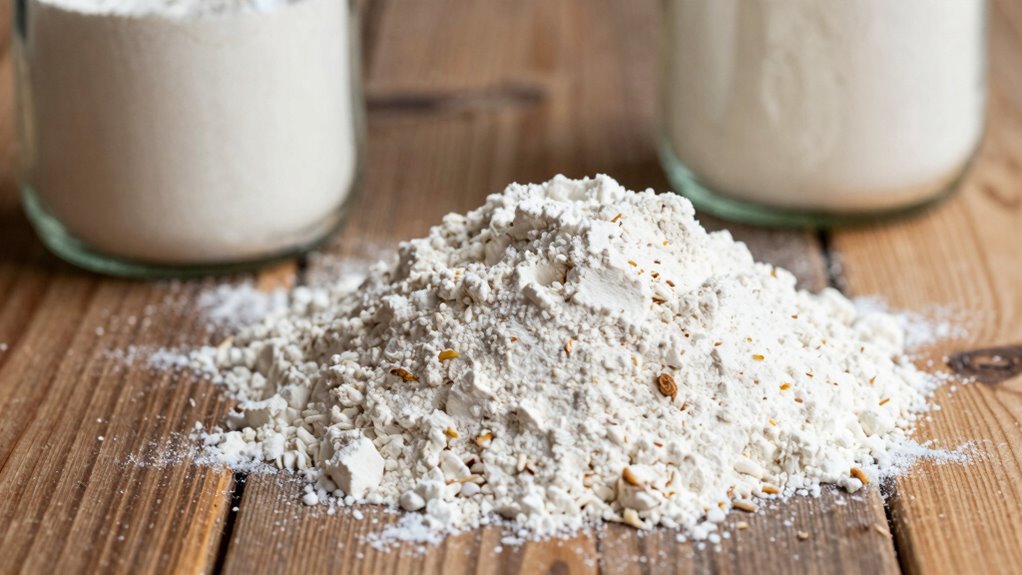
Residual bran and germ in freshly milled flour can considerably influence its flavor profile. These components contain oils and compounds that can cause subtle, yet noticeable, flavor shifts over time. The germ influence introduces nutty, earthy notes that may intensify or mellow within the first day. Residual bran, rich in fiber and minerals, can add a slightly bitter or grainy taste if not fully removed. While some bakers appreciate these flavors, they can compromise flavor stability if the flour isn’t stored properly. The presence of residual bran and germ makes fresh-milled flour more susceptible to oxidation and rancidity, which can lead to flavor changes. To maintain consistent flavor, minimizing residual bran and germ during milling or controlling storage conditions is essential.
Practical Tips to Maximize Flavor When Using Fresh-Milled Flour
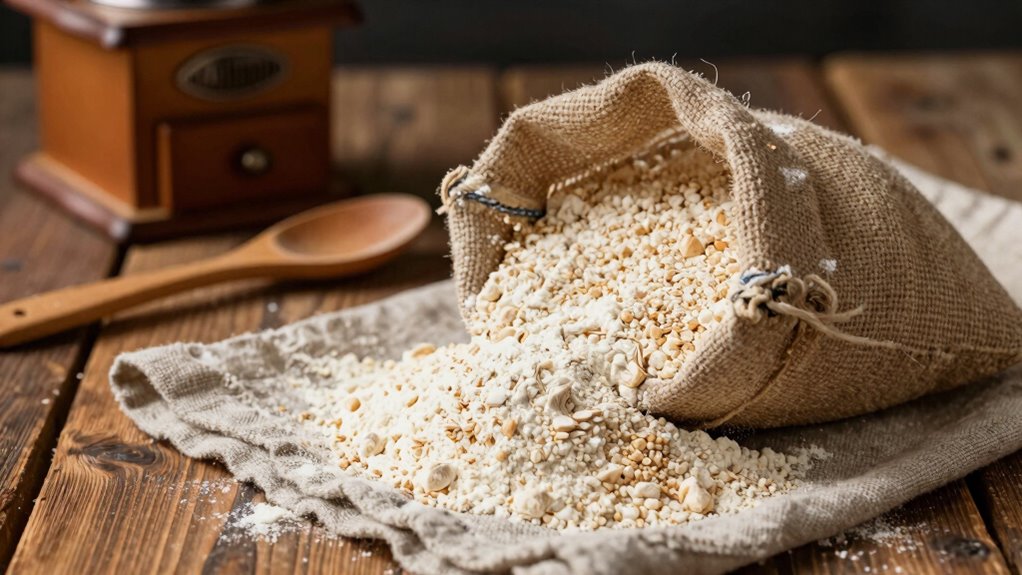
To preserve and enhance the flavor of fresh-milled flour, start with proper handling and storage. Store your flour in an airtight container in a cool, dark place to prevent exposure to light and moisture that can degrade flavor. Prioritize grain preservation by milling only what you need, as longer storage can diminish freshness. Use efficient milling techniques that minimize heat and oxidation, which can impact flavor. If possible, mill your flour just before baking to maximize its taste and nutritional value. Avoid grinding grains too coarsely or too finely; a consistent medium grind preserves delicate flavorful compounds. By managing storage carefully and refining your milling techniques, you’ll ensure your fresh flour retains its vibrant flavor and enhances your baked goods.
How Understanding Fresh Flour’s Flavor Changes Can Improve Your Baking
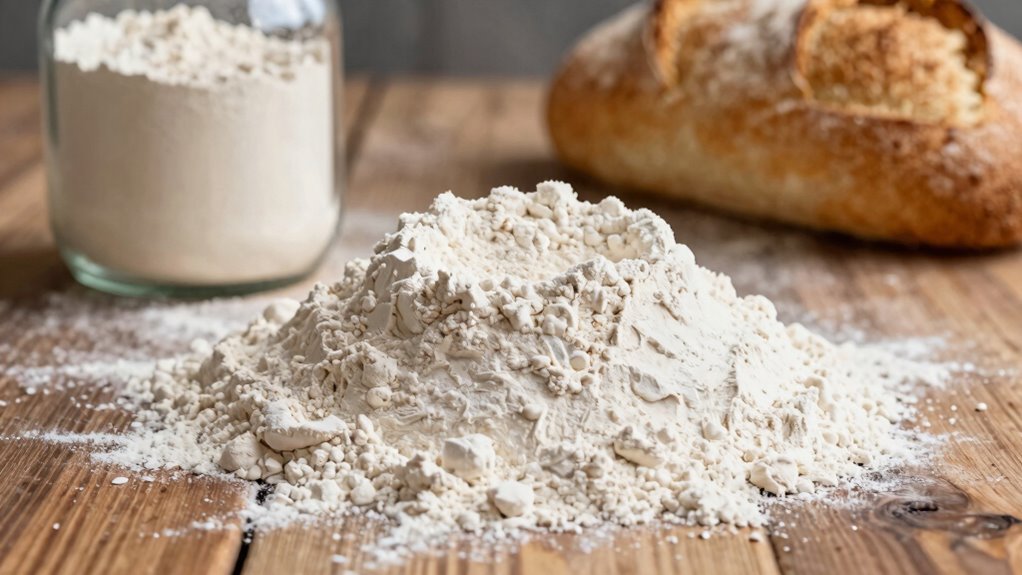
Understanding how fresh flour’s flavor evolves over time allows you to adjust your baking techniques for better results. As the flour ages, its grain mineralogy shifts, revealing subtle flavor nuances. Knowing this helps you decide when to use fresh-milled flour for prime taste or allow it to rest for a milder profile. Milling technology influences how quickly flavor changes happen by affecting particle size and surface exposure. Recognizing these factors lets you tailor your baking, whether you seek a more robust or mellow flavor.
| Flavor Profile | Best Usage Timing |
|---|---|
| Bright, Nutty | Within 24 hours of milling |
| Mellow, Earthy | After 24 hours |
| Subtle, Mild | Longer storage |
Frequently Asked Questions
How Does Grinding Temperature Affect Fresh Flour’s Flavor?
Grinding temperature directly impacts fresh flour’s flavor preservation. If you grind at a high temperature, heat can destroy delicate oils and enzymes, leading to a duller, less vibrant flavor. Conversely, lower grinding temperatures help retain these natural oils and enzymes, resulting in a richer, more complex taste. So, controlling grinding temperature is key to maintaining the fresh flour’s full flavor profile, ensuring your baked goods taste as vibrant as possible.
Can Different Wheat Varieties Impact Flavor Changes Within 24 Hours?
Yes, different wheat varieties can impact flavor variation within 24 hours. When you mill flour from various wheat types, unique compounds and oils influence how the flavor develops and changes over time. You’ll notice that some wheat varieties yield a more robust or nuanced taste, which can intensify or mellow as the flour rests. Choosing specific wheat varieties allows you to customize flavor profiles and enhance your baking experience.
What Role Does Humidity Play in Fresh Flour’s Flavor Development?
Embrace the gentle influence of humidity effects on your fresh flour’s flavor development. Higher humidity can soften the flour’s surface, encouraging subtle taste shifts, while lower humidity helps maintain its crispness and brightness. By controlling humidity, you can guide the delicate flavor evolution, enhancing your baking experience. This natural interplay ensures that your flour’s taste deepens beautifully, making each batch uniquely delightful and satisfying.
Does Aging Improve Flavor Stability Over Extended Storage Periods?
Aging can improve flavor stability over extended storage because it allows complex flavors to develop and mellow, making the flour taste more consistent. You’ll notice that flavor aging helps reduce sharpness and enhances richness over time. Proper storage stability, in a cool, dry place, guarantees your flour maintains its quality longer, so you get better results when baking. Just remember, the right aging period depends on the flour type.
How Do Different Milling Methods Influence the Flavor Evolution?
Think of milling methods like a painter’s brushstroke—precision shapes the flavor’s depth. You’ll notice stone-milled flour offers richer flavor complexity because it preserves more oils and germ, unlike roller milling that produces a cleaner but milder taste. This variation influences how flavors evolve, with more rustic methods allowing complex notes to develop over time, making your baking experience more layered and nuanced.
Conclusion
Understanding why fresh-milled flour tastes different within 24 hours helps you make the most of its unique qualities. By paying attention to enzymes, oils, and storage, you can harness these changes to elevate your baking. Remember, knowledge is power—don’t let the perfect flavor slip through your fingers. With a little care, you’ll turn fresh flour into a secret weapon in your kitchen, proving that sometimes, patience truly pays off.