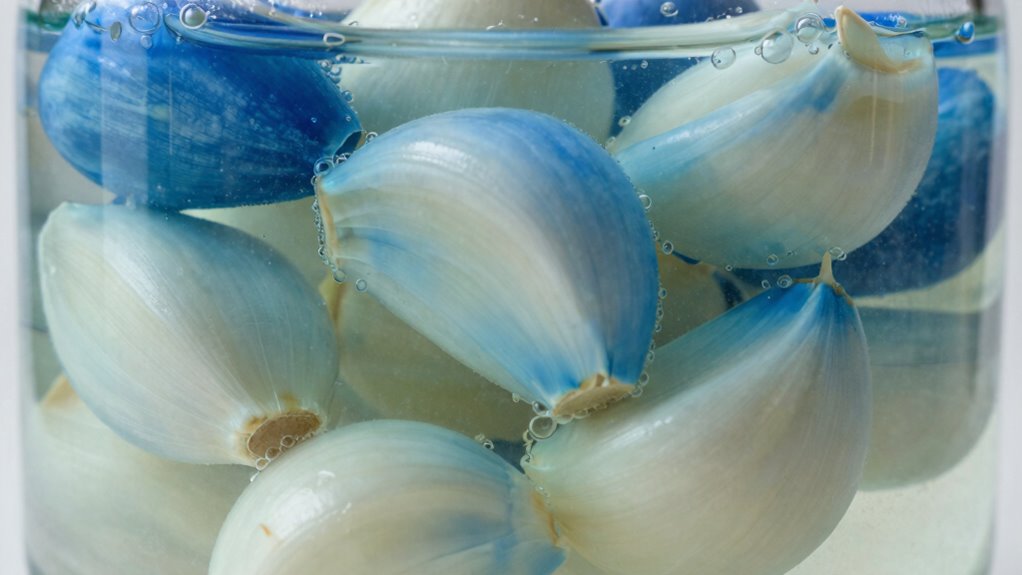
When garlic turns blue in pickles, it’s due to natural chemical reactions between sulfur compounds, acids, and trace minerals in the garlic and brine. These reactions produce pigmented molecules like anthocyanins, causing the color change — but it’s harmless and doesn’t affect safety or flavor. The process is more common with stored or crushed garlic and influenced by water minerals. If you’re curious about what makes the color shift so common and safe, keep exploring the details behind this phenomenon.
Key Takeaways
- The blue color results from chemical reactions between sulfur compounds in garlic and acids in pickling solutions.
- Trace minerals in water or soil catalyze pigment formation, causing blue or green hues during pickling.
- The color change is natural, harmless, and does not indicate spoilage or safety concerns.
- Using fresh garlic and ensuring it stays submerged in brine minimizes discoloration.
- The blue pigmentation is due to pigmented molecules like anthocyanins formed during biochemical reactions.
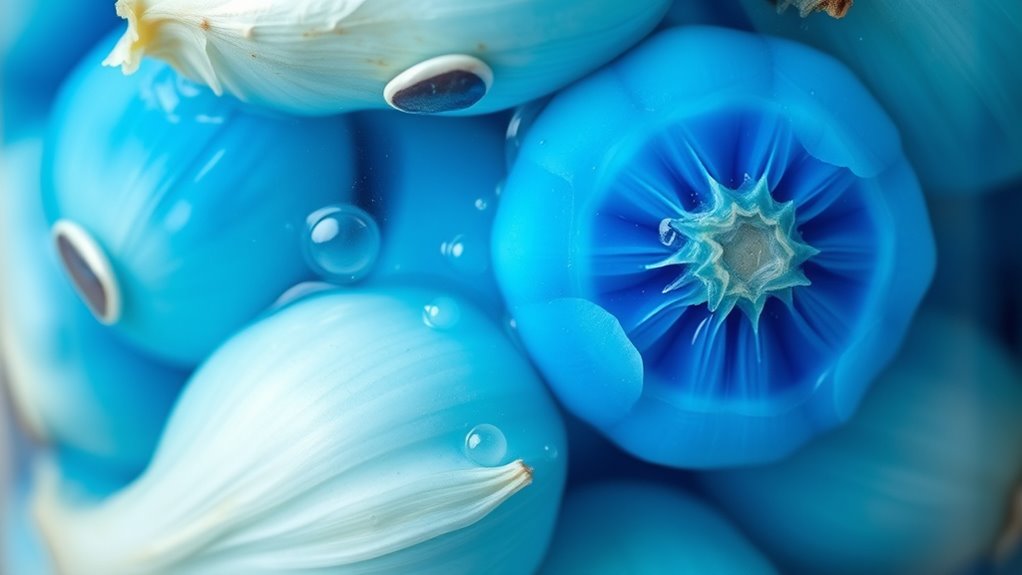
If you’ve noticed your garlic turning blue in pickles, you’re not alone—this common phenomenon can be surprising but is usually harmless. Many people wonder if the blue hue means their pickles are unsafe or spoiled. The truth is, during the pickling process, certain chemical reactions happen that can cause garlic to change color, especially turning a bluish or greenish shade. This color change doesn’t mean your garlic or pickles are bad; it’s simply a visual result of complex biochemical reactions that occur when garlic interacts with acids, minerals, and other ingredients in the pickling brine.
Blue garlic in pickles? A harmless, natural reaction caused by acids and minerals during pickling.
Understanding the garlic flavor is key here. When you add garlic to pickles, its natural compounds, particularly sulfur-containing compounds, can react under acidic conditions. The pickling process involves vinegar or other acids that lower the pH, creating an environment where these sulfur compounds can transform. Sometimes, these transformations lead to the formation of pigmented molecules called anthocyanins or similar compounds, which can turn blue or green. This reaction is more likely if your garlic has been stored for a while or if it contains trace minerals from your water or soil, as these minerals can catalyze color changes. Trace minerals can play a significant role in these chemical reactions, influencing the color outcome. Additionally, mineral content in your water or soil can further contribute to this phenomenon.
It’s worth noting that the blue coloration doesn’t affect the safety or taste of your pickles. The flavor of garlic might be subtly altered—sometimes more pungent or slightly bitter—but your pickles are still safe to eat. Many home cooks and professionals have observed this color change and continue to enjoy their pickled creations without concern. If you prefer to avoid the blue hue, you can try using fresh, high-quality garlic and avoid over-picking or crushing it excessively before adding it to the brine. Ensuring the garlic is fully submerged in the pickling solution and maintaining proper acidity levels can also help minimize color changes.
Additionally, this reaction can be influenced by the presence of trace minerals, which can catalyze the color change. In many cases, the blue or green tint is purely cosmetic. It’s a natural reaction that occurs regardless of the freshness of your garlic or the specific recipe you’re following. As long as your pickles taste good and there’s no foul odor or mold, your blue garlic pickles are perfectly safe to consume. So, next time you see that unexpected color change, rest assured that you’re witnessing a harmless, natural chemical reaction—an interesting byproduct of the pickling process that doesn’t compromise your delicious homemade pickles.

Christopher Ranch Pickled Garlic Cloves in a Jar | 100% California-Grown Fresh Garlic | Peeled and Pickled for Convenience | Ideal for Cooking, Snacking & Pickled Vegetables Lovers | 8 oz (Pack of 1)
Authentic California Garlic: Made from 100% California-grown garlic, Christopher Ranch Pickled Garlic is harvested at peak freshness and…
As an affiliate, we earn on qualifying purchases.
As an affiliate, we earn on qualifying purchases.
Frequently Asked Questions
Does Blue Garlic Affect the Taste of Pickles?
Blue garlic doesn’t considerably affect the garlic flavor in your pickles. During the pickling process, the blue coloration results from a natural chemical reaction, not mold or spoilage. You might notice a slight change in appearance, but the taste remains largely unchanged. So, even if your garlic turns blue, it’s safe to eat, and it won’t alter the overall flavor profile of your pickled creations.
Can Blue Garlic Be Eaten Safely?
Absolutely, you can eat blue garlic safely—no need to call the garlic police! The garlic pigmentation results from natural pickling chemistry, not poison. This colorful quirk doesn’t ruin the taste or safety; it’s just a fun reminder that even garlic has its artistic moments. So, next time your pickled garlic turns blue, enjoy its vibrant personality. No health risks here—just some extra pizzazz in your pickle game!
How Can I Prevent Garlic From Turning Blue?
To prevent garlic from turning blue during pickling, you should focus on proper garlic preservation and pickling techniques. Use fresh, high-quality garlic and avoid crushing or chopping it too finely, as this can increase oxidation. Blanching garlic briefly before pickling can also help. Additionally, maintaining a consistent pH level in your brine and avoiding overly alkaline solutions will reduce the chances of color change, ensuring your garlic stays vibrant and safe.
Is Blue Garlic a Sign of Spoilage?
Blue garlic isn’t a sign of spoilage; it’s a natural result of the garlic’s reaction during the pickling process. Sometimes, a coincidence of pH levels and enzyme activity causes a color change during pickling, making the garlic appear blue. You can trust that blue garlic is safe to eat, as this color shift doesn’t affect its freshness or safety, just a fascinating change in garlic’s appearance.
Does the Blue Color Indicate Harmful Bacteria?
No, the blue color in garlic doesn’t indicate harmful bacteria. It results from garlic chemical reactions, specifically involving sulfur compounds reacting with acids or minerals in the pickling environment. While this color change is safe, it’s important to stay alert to microbial contamination risks in pickled products. If garlic develops an off smell or texture, discard it, but the blue hue itself isn’t a sign of danger or bacteria.

OLELON Aged Garlic Extract 350 Softgels – High Potency, Odorless, Non-GMO & Organic Garlic Supplement for Heart Health, Immune Support & Antioxidant Benefits
Extra Large Supply – 350 Count:OLELON garlic supplements bag provides 350 softgels, offering a full 6-month supply (based…
As an affiliate, we earn on qualifying purchases.
As an affiliate, we earn on qualifying purchases.
Conclusion
So, don’t worry if your garlic turns blue in pickles—it’s completely safe to eat. The color change is just a natural chemical reaction, not a sign of spoilage or danger. I get it—seeing blue garlic might seem strange or off-putting, but rest assured, it won’t harm you. Next time, you can enjoy your homemade pickles without hesitation, knowing that the color change is harmless and part of the process.

Mrs. Wages Pickling & Canning Vinegar, Well-Balanced Vinegar, Great Tasting, Versatile for Canning & Cooking, Easy Storage, (1 Gallon Jug)
ONLY ONE INGREDIENT: Mrs. Wages Vinegar is just vinegar, versatile for canning, cooking and more.
As an affiliate, we earn on qualifying purchases.
As an affiliate, we earn on qualifying purchases.
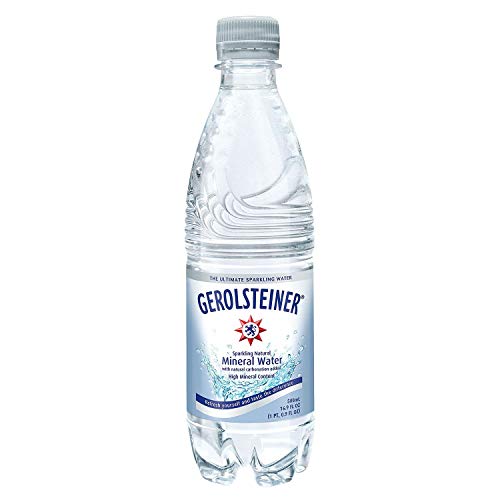
Gerolsteiner Sparkling Natural Mineral Water (16.9 oz. bottles, 24 pk.) – (Original from manufacturer – Bulk Discount available)
As an affiliate, we earn on qualifying purchases.
As an affiliate, we earn on qualifying purchases.