Ceramic nonstick coating is made from natural minerals fused to cookware through high-temperature baking, creating a durable, chemical-free surface that resists scratches and peeling. Over time, it wears down from exposure to high heat, metal utensils, and abrasive cleaning, causing food to stick and reducing performance. To keep your cookware in top shape, proper care is key. Continue exploring to discover how to extend its lifespan and recognize when it’s time for a replacement.
Key Takeaways
- Ceramic nonstick coating is made from natural minerals fused into a hard, scratch-resistant layer through ceramic bonding.
- It provides a chemical-free, eco-friendly alternative to traditional nonstick surfaces with higher heat resistance.
- Over time, the coating wears due to scratches, discoloration, or reduced nonstick performance caused by abrasive cleaning and metal utensils.
- Proper care, such as gentle cleaning, avoiding metal tools, and careful storage, can extend the lifespan of ceramic nonstick cookware.
- Signs of wear include peeling, deep scratches, and food sticking, indicating the need for replacement to maintain safety and performance.

CAROTE 21-Piece Ceramic Pots and Pans Cookware Set, Non Stick Induction Cook Ware Kitchen Cooking Set Non-Toxic Health, PFAS Free
Ceramic nonstick coating with durability of perfection is free of PFOA, PFOS, and the other harmful chemicals. You…
As an affiliate, we earn on qualifying purchases.
As an affiliate, we earn on qualifying purchases.
What Is Ceramic Nonstick Coating and How It Works
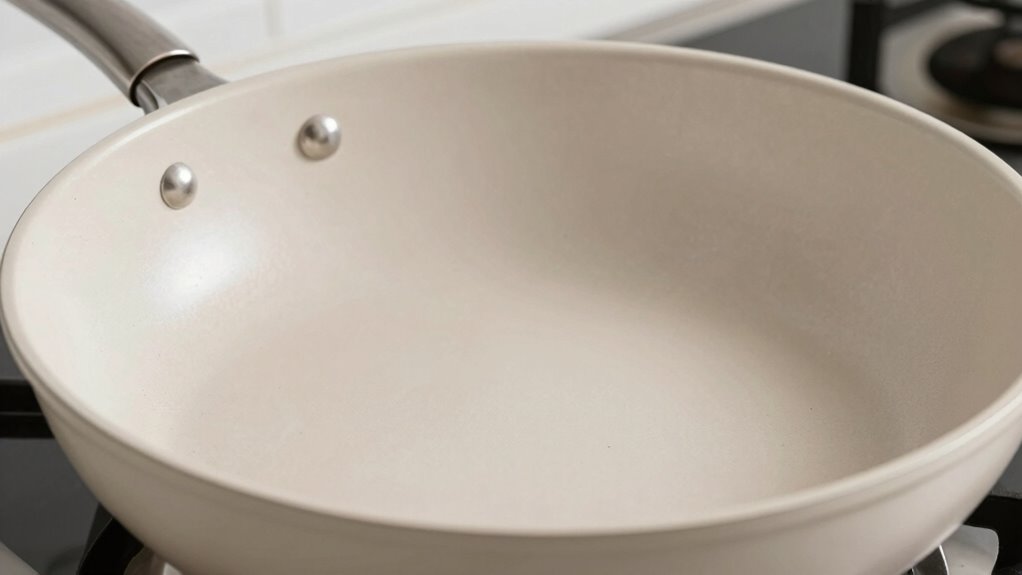
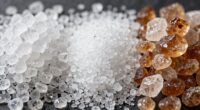
Ceramic nonstick coating is a popular alternative to traditional nonstick surfaces, offering a more natural and chemical-free option. It works through a process called ceramic bonding, where a silica-based gel is applied to the cookware’s surface and then baked at high temperatures. This creates a durable layer that provides a smooth, nonstick surface. During the nonstick application, tiny ceramic particles fuse with the base material, forming a hard, scratch-resistant coating. Unlike conventional nonstick pans that rely on synthetic chemicals, ceramic coatings are made from natural minerals. This combination of ceramic bonding and nonstick application results in a surface that’s easy to cook on, requires less oil, and is generally safer for health-conscious users. Additionally, advancements in European cloud innovation are leading to more sustainable manufacturing processes for ceramic coatings, reducing environmental impact. Incorporating innovative manufacturing techniques can further enhance the durability and safety of these coatings, making them an even better choice for consumers.

CAROTE Nonstick Frying Pan Skillet,Non Stick Granite Fry Pan Egg Pan Omelet Pans, Stone Cookware Chef's Pan, PFOA Free,Induction Compatible(Classic Granite, 8-Inch)
Eco-friendly Classic Granite – Non-stick Granite Material, PFOS,PFOA free, our cookware ensures your daily cooking is always safer…
As an affiliate, we earn on qualifying purchases.
As an affiliate, we earn on qualifying purchases.
Benefits of Ceramic Nonstick Compared to Traditional Pans
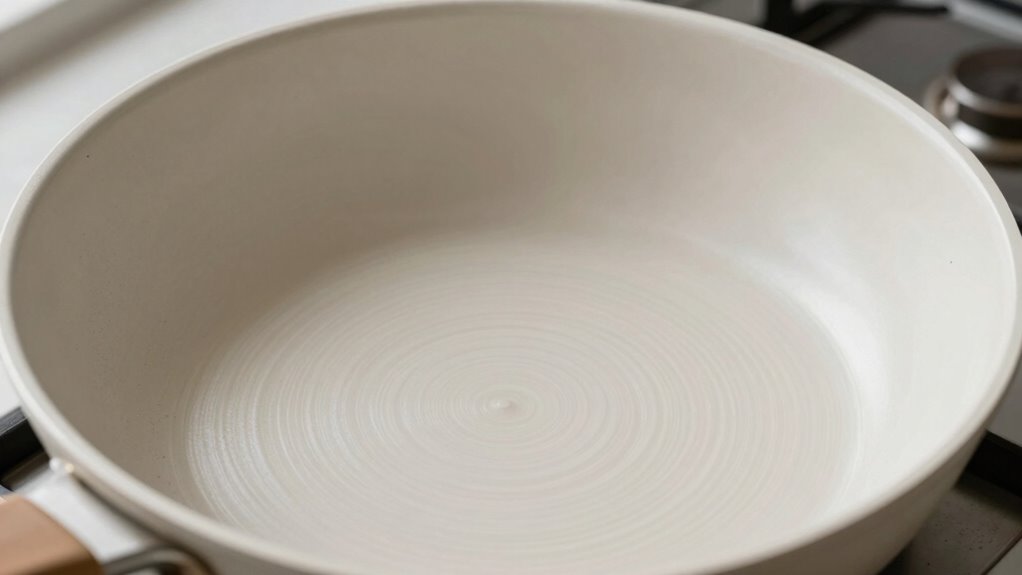
Have you noticed how ceramic nonstick pans often outperform traditional nonstick cookware? They offer several advantages. First, they’re made with eco friendly materials, reducing environmental impact and avoiding harmful chemicals. Second, their aesthetic design enhances your kitchen’s look, with sleek colors and smooth finishes. Third, ceramic coatings are often more resistant to scratches and peeling, extending the lifespan of your cookware. Unlike traditional pans that may contain chemicals like PTFE, ceramic nonstick offers a safer cooking surface. Plus, their environmentally conscious construction aligns with sustainable living. Additionally, ceramic nonstick coatings are generally free from harmful chemicals, making them a safer choice for your health. Research shows that ceramic coatings can be more scratch resistant, providing longer-lasting performance. Their heat resistance properties also allow for versatile cooking at higher temperatures without degrading. The non-toxic nature of ceramic coatings contributes to a healthier cooking environment. Moreover, advancements in ceramic technology have led to improved durability and performance, ensuring your cookware remains reliable over time. Overall, ceramic nonstick pans combine eco friendliness, durability, and style—making them a smart choice over traditional options. These benefits help you cook healthier and more sustainably, without sacrificing visual appeal.

CAROTE 21Pcs Pots and Pans Set, Nonstick Cookware Sets, White Granite Induction Cookware Non Stick Cooking Set w/Frying Pans & Saucepans(PFOS, PFOA Free)
Reinforced die-cast aluminum construction ensures long-term durability and reliability while maintaining a lightweight design, bringing convenience to your…
As an affiliate, we earn on qualifying purchases.
As an affiliate, we earn on qualifying purchases.
What Factors Affect Ceramic Nonstick Durability
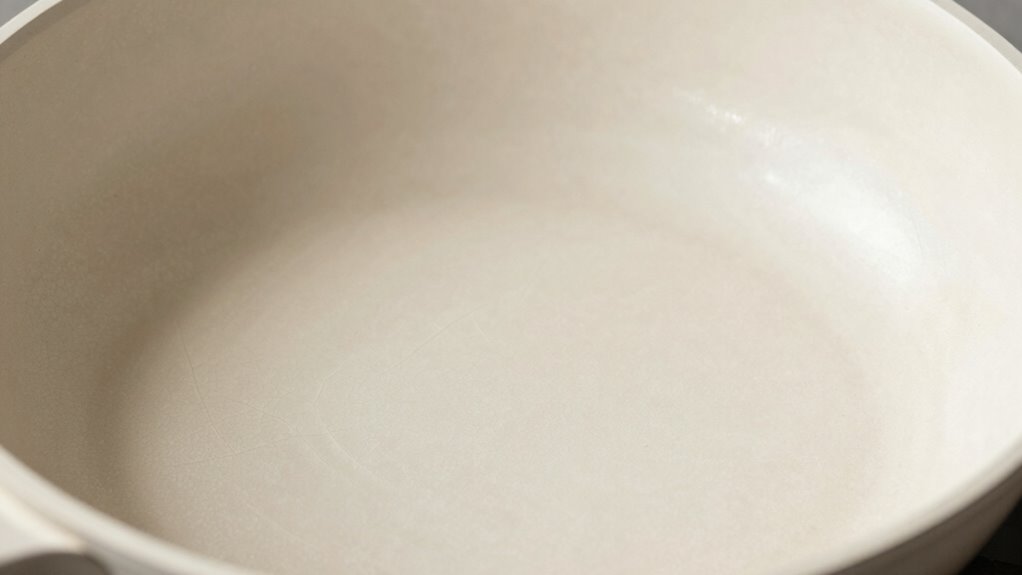
The durability of ceramic nonstick pans largely depends on how you use and care for them. Cooking at high temperatures can damage the ceramic coating, so it’s best to avoid overheating the pan. Excessive heat can cause the coating to degrade faster, reducing its nonstick properties. Additionally, abrasive cleaning methods, like steel wool or harsh scrubbers, can scratch and wear down the ceramic surface, shortening its lifespan. Instead, use gentle sponges and soft cloths to clean your pan. Proper care also involves avoiding metal utensils that can scratch the coating. Color accuracy impacts the overall appearance of your cookware, especially when using transparent or semi-transparent coatings. By managing cooking temperature and steering clear of abrasive cleaning, you preserve the nonstick surface longer, ensuring your ceramic pan remains effective and durable for many meals to come. Proper maintenance practices can further extend the lifespan of your ceramic nonstick cookware. Incorporating careful temperature control can significantly help prevent damage and prolong the effectiveness of the coating. Understanding the role of coating quality can also influence how well your pan withstands regular use and cleaning routines.

CAROTE 44pcs Pots and Pan Set Nonstick, Cookware Sets, Cooking Set Non Stick, Induction Cook Ware with Bakeware Set, Kitchen Knife Set
Reinforced die-cast aluminum construction ensures long-term durability and reliability while maintaining a lightweight design, bringing convenience to your…
As an affiliate, we earn on qualifying purchases.
As an affiliate, we earn on qualifying purchases.
How to Recognize When Your Ceramic Nonstick Is Worn Out

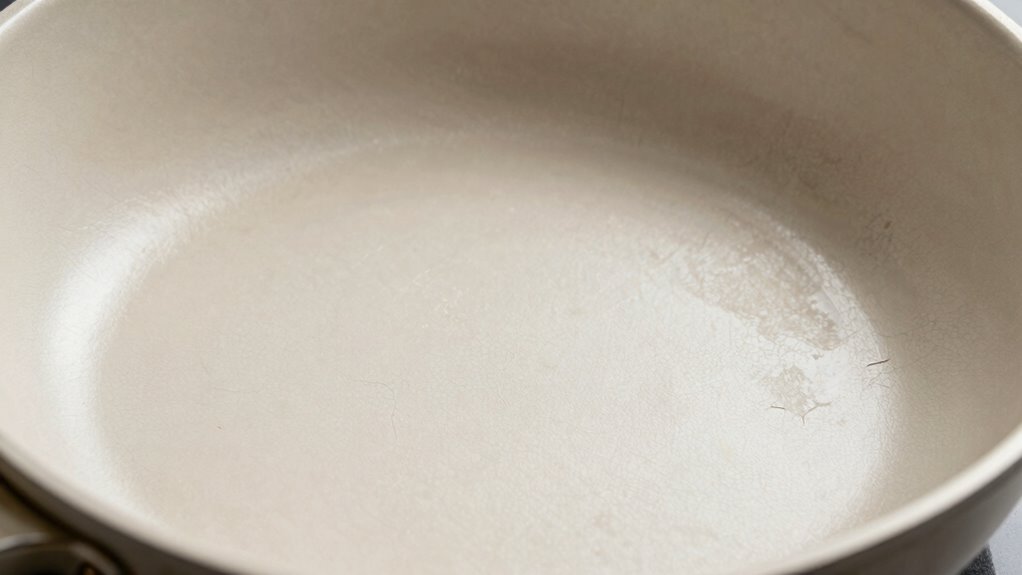
As your ceramic nonstick pan ages, you’ll notice certain signs indicating it’s no longer performing at its best. First, look for pan scratches that become deep or numerous, which can compromise the coating. Second, watch for discoloration signs, such as uneven coloring or faded areas, signaling wear. Lastly, if food starts to stick more often despite proper heating and use, it’s a clear sign the nonstick surface has degraded. These indicators suggest it’s time to contemplate replacing your pan, as its ability to cook and release food smoothly diminishes with wear. Recognizing these signs early can help you avoid frustration and maintain safe, effective cooking. Additionally, understanding proper cookware maintenance concepts can remind you of the importance of proper care and maintenance to extend the lifespan of your cookware. Regularly inspecting your cookware for these signs and following recommended cleaning and handling practices can significantly extend the cookware’s lifespan, helping you get the most out of your investment. Being aware of piercing aftercare can also prevent damage and ensure your piercing stays healthy longer.
Essential Care Tips to Prolong Your Ceramic Nonstick Cookware
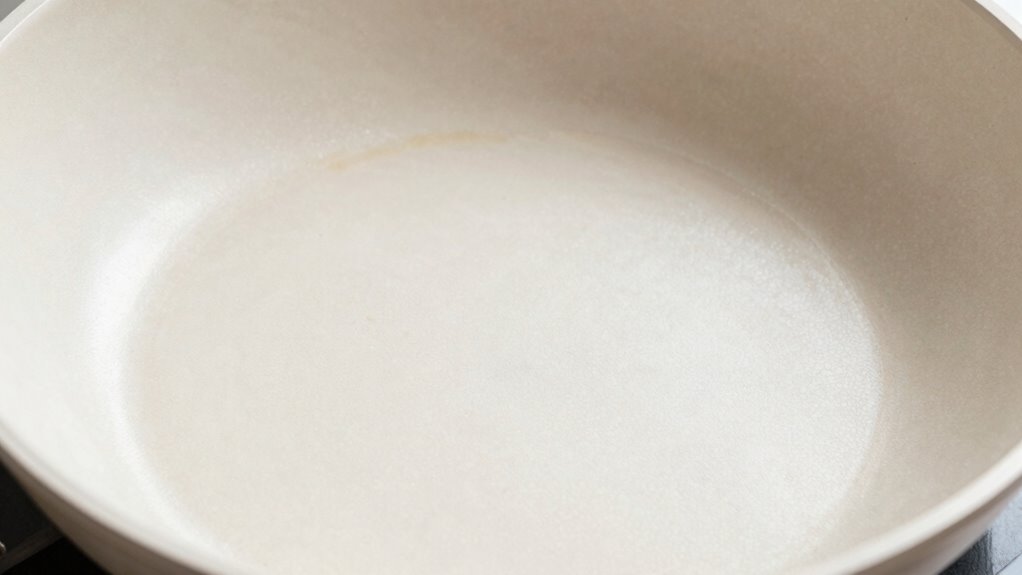
To keep your ceramic nonstick cookware in top condition, you need to follow some essential care practices. Proper cleaning techniques are key; use mild detergents and a soft sponge to avoid scratching the surface. Avoid abrasive scrubbers that can damage the coating. After cleaning, dry your cookware thoroughly to prevent water spots. Storage tips also matter—stack your pots and pans carefully, placing a soft cloth or paper towel between them to prevent scratches. Keep handles and lids organized in a way that minimizes contact and friction. By maintaining your cookware with gentle cleaning and thoughtful storage, you’ll extend its lifespan and keep the nonstick surface effective longer. Additionally, incorporating connected kitchen technology can help monitor and optimize your cookware’s condition over time. Regularly inspecting your cookware and understanding its wear patterns can help prevent premature damage and maintain optimal performance. Practicing proper heat management ensures the coating remains durable and avoids warping. Understanding nonstick coating durability can guide you in choosing the right temperature settings and usage practices. Being aware of the quality of the coating and how it responds to different cooking styles can also help prolong its lifespan. Consistent care guarantees your ceramic nonstick performs well and lasts.
What’s the Typical Lifespan of Ceramic Nonstick Cookware

Proper care can substantially extend the life of your ceramic nonstick cookware, but understanding its typical lifespan helps set realistic expectations. Generally, ceramic nonstick pans last about 2 to 5 years with regular use. Your cooking techniques and temperature management play key roles in durability. Higher heats can damage the coating faster, so sticking to low to medium heat is essential. Here’s what influences lifespan:
- Frequent use without gentle handling accelerates wear.
- Using metal utensils can scratch and degrade the coating.
- Inconsistent temperature control causes thermal stress, shortening the pan’s lifespan.
How to Extend the Life of Your Ceramic Nonstick Coating
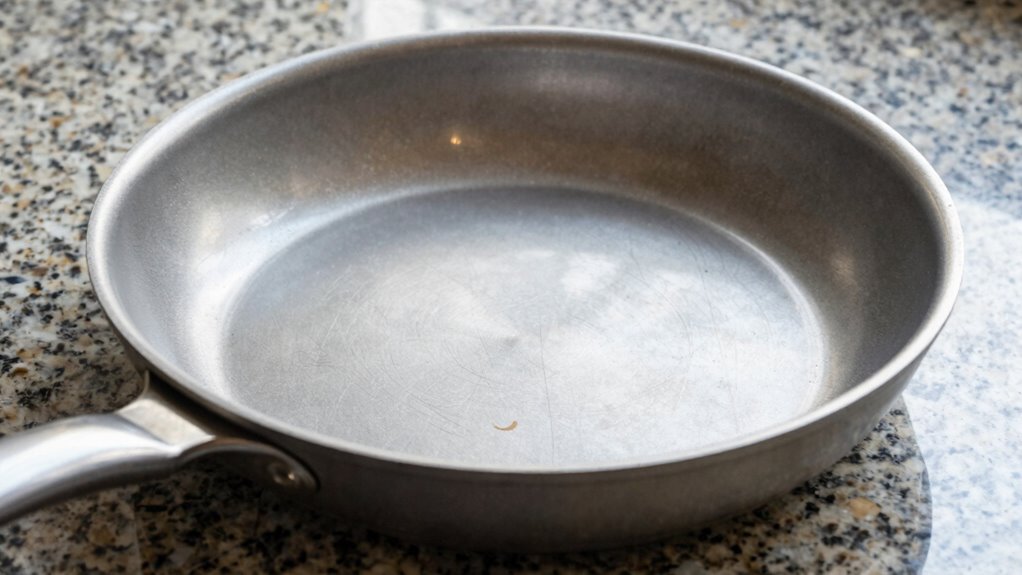
Taking steps to protect your ceramic nonstick coating can considerably extend its lifespan. Proper cleaning techniques prevent scratches and damage, so use soft sponges and avoid abrasive scrubbers. When storing your cookware, stack them with soft cloths or paper towels between pans to prevent scratches. Use storage solutions like racks or stackable organizers to keep them separated. Here’s a visual to help you visualize this:
| Pan Type | Cleaning Technique | Storage Solution |
|---|---|---|
| Frying Pan | Gentle hand wash, avoid steel wool | Use pan protectors or cloths |
| Saucepan | Warm water, mild soap | Stack with padding |
| Grill Pan | Soak before cleaning, soft sponge | Store upright or with separators |
| Baking Dish | Avoid metal scouring pads | Keep in a cushioned drawer |
Following these tips keeps your ceramic nonstick coating pristine longer, and being mindful of household maintenance practices can also help prevent unnecessary wear. Additionally, avoiding metal utensils can reduce the risk of scratches that compromise the coating’s integrity. To further safeguard your cookware, consider applying protective coatings designed specifically for nonstick surfaces, which can add an extra layer of defense against scratches and wear.
When Should You Consider Replacing Your Ceramic Nonstick Pan
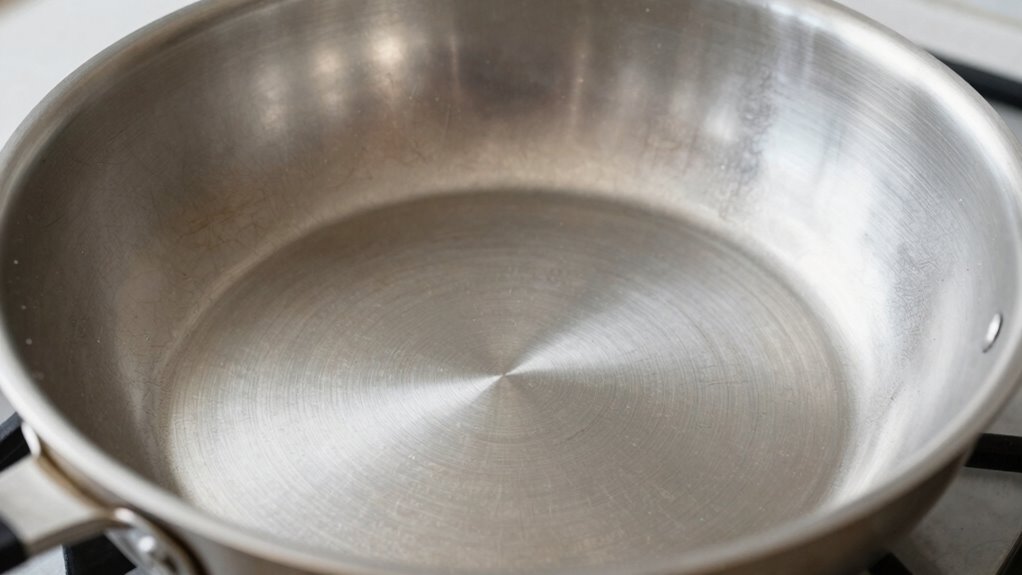
Knowing when to replace your ceramic nonstick pan is essential to guarantee safe and efficient cooking. Over time, signs of wear indicate it’s time for pan replacement. Here are three key clues:
- The nonstick surface is peeling, flaking, or bubbling, which compromises food release and safety.
- Food starts sticking even after thorough cleaning, showing the coating’s effectiveness has diminished.
- The pan has developed deep scratches or warped bottoms, affecting heat distribution and durability.
If you notice any of these signs of wear, it’s wise to contemplate pan replacement. Continuing to use a damaged ceramic nonstick pan can lead to uneven cooking and potential health risks. Recognizing these cues helps maintain your cookware’s performance and your safety.
Frequently Asked Questions
Is Ceramic Nonstick Cookware Safe to Use With Metal Utensils?
You shouldn’t use metal utensils on ceramic nonstick cookware because it can damage the coating and reduce its durability. Metal utensil compatibility is limited, as sharp or hard tools can scratch or chip the surface, compromising its nonstick properties. To protect the coating and extend the lifespan of your cookware, it’s best to use wooden, silicone, or plastic utensils. This way, you maintain the coating’s integrity and enjoy better performance over time.
Can Dishwasher Cleaning Damage Ceramic Nonstick Coatings?
Imagine delicate petals brushing against a gentle breeze—that’s how harsh dishwasher cleaning can be on ceramic nonstick coatings. While many ceramic cookware pieces boast dishwasher safety, frequent or aggressive cleaning may slowly erode the coating’s durability. To keep your cookware pristine and prolong its lifespan, it’s best to hand wash when possible, avoiding the high temperatures and strong detergents that can subtly damage the coating over time.
Are Ceramic Nonstick Pans Suitable for High-Temperature Cooking?
Yes, ceramic nonstick pans are suitable for high-temperature cooking, but you should be mindful of their heat tolerance. Most ceramic coatings can handle moderate to high heat, but exceeding recommended temperatures can compromise coating durability. To keep your pans in good shape, avoid overheating and use low to medium heat for best performance and longevity. Proper care guarantees your ceramic nonstick pan maintains its nonstick properties longer.
How Does Ceramic Nonstick Compare to Other Eco-Friendly Coatings?
Compared to other eco-friendly coatings, ceramic nonstick offers better eco-friendly benefits because it’s made from natural materials and free from harmful chemicals. It also provides decent coating durability, but it might wear faster than some alternative coatings over time. You’ll appreciate its environmentally conscious design, though you should still take care to prevent scratches to extend its lifespan and maximize its eco-friendly advantages.
Does Ceramic Nonstick Coating Contain Any Potentially Harmful Chemicals?
Ceramic nonstick coatings generally don’t contain harmful chemicals like PTFE or PFOA, making them safer options. Their chemical composition mainly includes silica, oxygen, and other natural materials, reducing safety concerns. However, it’s important to avoid overheating the cookware, as excessive heat can degrade the coating and release particles. Overall, ceramic coatings are considered safe when used properly, but always follow manufacturer instructions to minimize any risks.
Conclusion
Ceramic nonstick cookware can last between 2 to 5 years with proper care. Did you know that improper use can reduce its lifespan by up to 50%? By following the right cleaning and cooking practices, you can extend its durability and enjoy its benefits longer. Keep an eye on signs of wear, and don’t hesitate to replace your pan when needed. With proper maintenance, your ceramic nonstick can serve you well for years to come.