
TL;DR

Get kitchen staples and gadgets delivered free — and shop member deals
- Fast, free delivery on millions of items
- Access to Prime Big Deal Days deals on October 6–7
- Prime Video, Amazon Music and more included
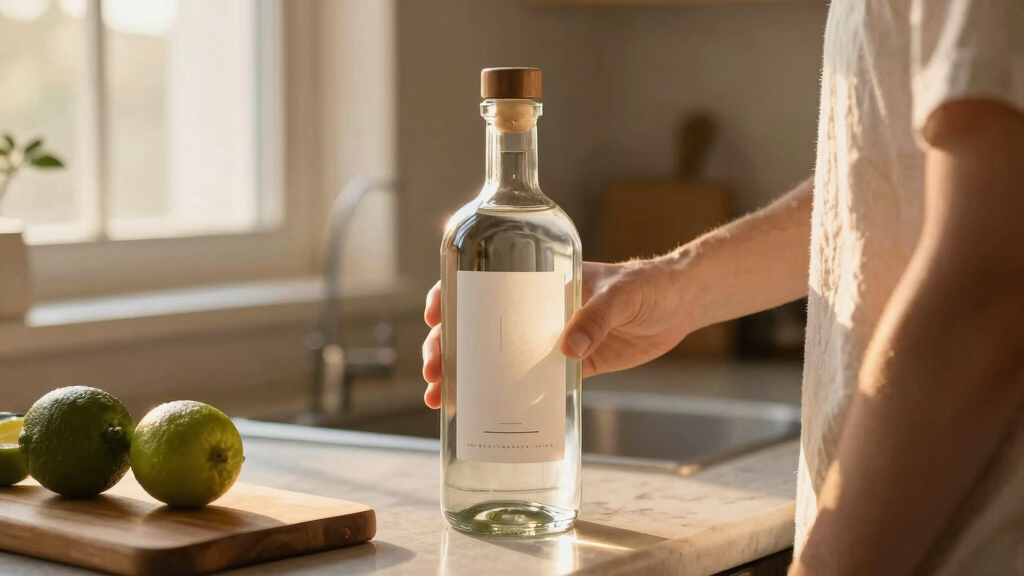
The key phrase to look for on tequila bottles is ‘100% agave,’ indicating pure agave spirit. However, even this label has limitations, as additives can still be present. Understanding these labels helps consumers make better choices.
Consumers should look for the words ‘100% agave’ on tequila bottles to ensure they are purchasing pure, high-quality spirits, according to industry standards. This label signals that the tequila contains no added cane sugar or corn syrup, making it a better choice for those seeking authentic flavor and complexity. However, experts warn that even with this label, some additives may still be present, complicating the consumer’s ability to identify truly pure tequila.
Tequila production involves growing Blue Weber agave for up to twelve years, followed by harvesting, fermentation, distillation, and aging. Because of the labor-intensive process, many brands have resorted to shortcuts, leading to a rise in bottles labeled as ‘mixtos’—which contain a mix of agave and other sugars. The Mexican government’s regulation requires at least 51% agave content for all tequilas, but the ‘100% agave’ label indicates the spirit is made solely from agave sugars, with no cane or corn syrup.
Despite the clarity of the ‘100% agave’ label, it does not guarantee the absence of additives. Regulations permit up to 1% of the spirit to contain certain additives such as glycerin, syrups, or vanilla extract, which can alter flavor, texture, and overall quality. Such additives are often used to mask imperfections or enhance mouthfeel, making it harder for consumers to assess quality based solely on labeling. Industry sources note that some brands may still include these substances, even with the ‘100% agave’ designation, due to regulatory loopholes and lack of routine testing for additives.
Why ‘100% Agave’ Labeling Matters for Consumers
Understanding the significance of the ‘100% agave’ label is essential for consumers seeking authentic tequila. While it indicates the spirit is made exclusively from agave sugars, it does not guarantee the absence of additives or high quality. Recognizing this nuance helps buyers make informed choices, avoid adulterated products, and better appreciate genuine tequila craftsmanship. As demand for premium tequila grows, awareness of what labels truly signify becomes increasingly important for responsible consumption and supporting authentic producers.
As an affiliate, we earn on qualifying purchases.
Historical and Regulatory Context of Tequila Labeling
Tequila production has a long history rooted in Mexico, with strict regulations established to protect its integrity. The Tequila Regulatory Council (CRT) oversees production standards, requiring at least 51% agave content for all tequila. The ‘100% agave’ label was introduced to distinguish spirits made solely from agave sugars. However, regulation permits a small percentage of additives, which can impact flavor and quality. Recent industry discussions focus on transparency and consumer awareness, especially as the market expands globally and counterfeit or adulterated products proliferate.
“The ‘100% agave’ label is a good starting point, but it doesn’t guarantee the spirit is free from additives. Consumers need to look deeper.”
— an industry expert
premium tequila with no additives
As an affiliate, we earn on qualifying purchases.
As an affiliate, we earn on qualifying purchases.
Uncertainties Surrounding Additive Presence in Tequila
It remains unclear how widespread the use of additives is among brands claiming to produce ‘100% agave’ tequila. There is no routine testing mandated for additives, and many consumers lack the tools or knowledge to verify purity independently. While industry databases like NOM or AgaveMatchmaker can help identify additive-free options, the transparency of the supply chain and enforcement varies. Further industry regulation or testing could clarify the true purity of these spirits in the future.
As an affiliate, we earn on qualifying purchases.
Future Steps Toward Greater Transparency in Tequila Labeling
Experts and consumer advocates are calling for stricter testing and certification processes to verify additive-free tequila. Industry bodies may implement more rigorous standards or public registries to enhance transparency. Consumers are advised to research brands using industry resources and seek out labels or certifications that specify additive-free production. The ongoing debate underscores the need for clearer labeling and better enforcement to protect consumers and preserve tequila’s integrity.
As an affiliate, we earn on qualifying purchases.
Key Questions
Does ‘100% agave’ guarantee a high-quality tequila?
Not necessarily. While it indicates the spirit is made solely from agave sugars, additives may still be present, which can affect flavor and quality.
Can additives be detected by consumers?
Generally, no. Additives are often indistinguishable through taste alone, and testing requires specialized analysis. Consumers should rely on reputable brands and certifications.
Are there certifications that certify additive-free tequila?
Some brands may have additional certifications or use industry databases to verify purity, but there is no universal certification for additive-free tequila mandated by regulation.
What should I look for when buying tequila to ensure quality?
Look for labels like ‘100% agave,’ research the brand, and consider using resources like NOM or AgaveMatchmaker to verify if the product is additive-free.
Why is transparency about additives important?
Transparency helps consumers make informed decisions, supports authentic producers, and preserves the integrity of tequila as a craft spirit.
Source: Food Republic
Fall Picks
fall essentials
As an affiliate, we earn on qualifying purchases.