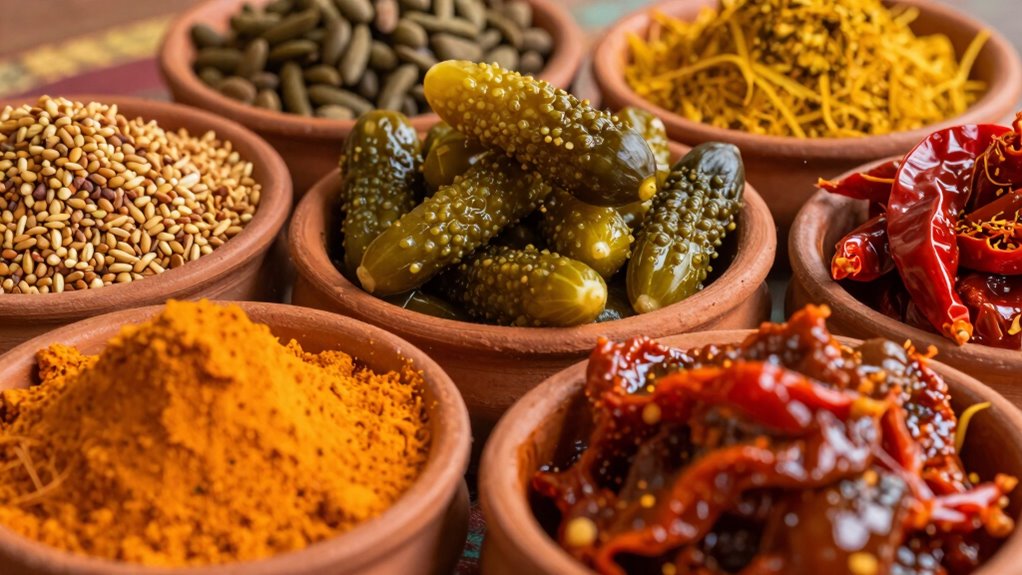

Achar, or Indian pickle, is a spicy, tangy condiment made from vegetables or fruits preserved with salt, spices, and fermentation. Different regions in India have unique styles: North pickles are warm and earthy, South varieties are fiery with mustard seeds, East uses mustard oil for sharp flavors, and Gujarat combines sweet with spicy notes. Each regional style reflects local ingredients and traditions. To discover more about these diverse pickles, keep exploring the rich flavors across India.
Key Takeaways
- Achar is a traditional Indian pickle made from vegetables, fruits, spices, and oil, preserved through fermentation or pickling methods.
- Different regions in India have unique achar varieties, such as North’s earthy mango pickles and South’s fiery lemon achar.
- Fermentation enhances achar’s flavor, health benefits, and probiotic qualities, with methods varying by regional climate and ingredients.
- Regional spice blends define achar’s flavor profiles, reflecting local ingredients, climate, and culinary traditions.
- Traditional achar methods preserve cultural heritage, embody regional identity, and produce authentic, robust flavors.
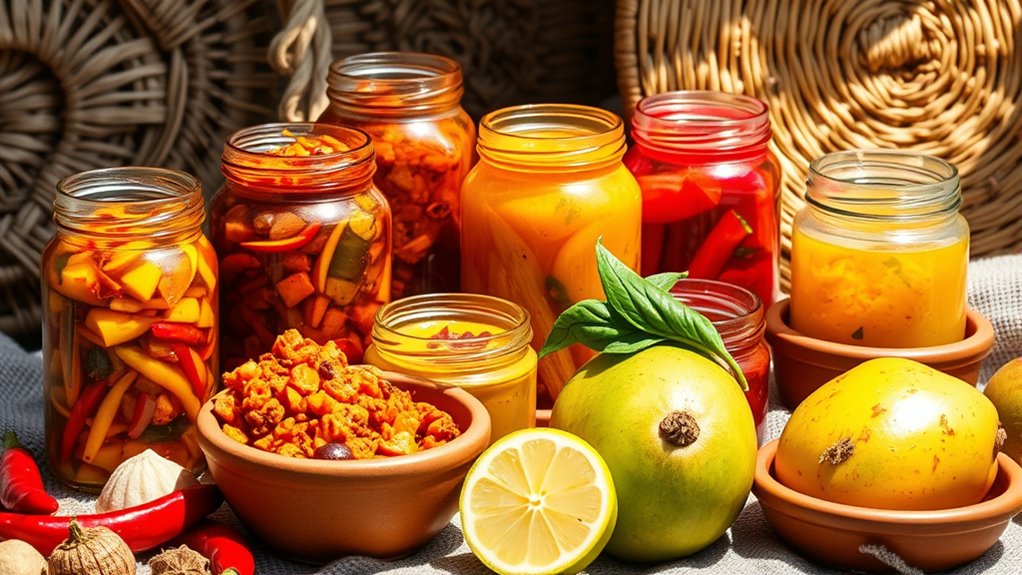
India’s diverse culinary landscape is beautifully reflected in its wide variety of achar, or pickles, which add bold flavors to every meal. When you explore Indian pickles, you’ll notice that each region offers its unique twist, often rooted in local ingredients and culinary traditions. Achar isn’t just about taste; it’s a reflection of cultural history and regional identity. One of the most fascinating aspects is how regional spice blends define the character of each pickle. In the north, you might find achar seasoned with a blend that includes cumin, coriander, and turmeric, creating a warm, earthy flavor profile. Moving south, the spices often shift to include mustard seeds, dried chili powders, and fenugreek, giving the pickles a fiery, pungent kick. In the east, especially Bengal, achar may incorporate mustard oil and mustard seeds, offering a sharp, tangy flavor that complements the local cuisine. Meanwhile, in Gujarat, achar often features a mix of sweet and spicy notes, with ingredients like jaggery balancing the heat of chili powder. These regional spice blends aren’t just for flavor; they’re deeply tied to local agriculture, climate, and culinary history, shaping the taste profiles that define each area’s achar. Additionally, the traditional fermentation methods used in Indian pickling are crucial in developing the unique flavors and beneficial probiotics that distinguish authentic achar from commercial varieties. Traditional fermentation methods are another essential aspect of Indian pickles, setting them apart from commercial varieties. In many households, achar is made through time-honored techniques that involve fermenting vegetables or fruits in salt, spices, and oil. This process not only preserves the ingredients but also enhances their flavors and adds probiotic benefits. For example, in North India, you might find mango or lemon pickles that are carefully sun-dried and then fermented for weeks or months in earthen jars, allowing the flavors to deepen and develop complexity. In southern regions, fermented mango or lime achar often involves layering the ingredients with salt and spices, then leaving them to mature in a cool, dark place. The fermentation process can vary from region to region, but it always plays a fundamental role in developing the distinctive tang and depth that characterize authentic achar. It’s a slow, natural process that requires patience but rewards you with a flavor profile impossible to replicate in quick-made, store-bought pickles. Whether you’re enjoying a spicy mango achar from Gujarat or a pungent lemon variety from Bengal, the traditional fermentation methods are what give Indian achar its authentic, robust character. Cultural significance plays a key role in preserving traditional methods and regional variations.

Qimacplus Ceramic Handi Pickle Jar| Food Storage Jar | Multipurpose Jar | Lota Jar For kitchine and Dinning table 500 ML set of 2
Best Clay used pottery hand painted 500ml ceramic (Brown & White) Pickle Jars, It will make attractive to…
As an affiliate, we earn on qualifying purchases.
As an affiliate, we earn on qualifying purchases.
Frequently Asked Questions
How Long Does Homemade Achar Typically Last?
Homemade achar usually lasts for several months to a year if stored properly, thanks to the fermentation process that preserves it. Regional variations can influence the shelf life; for example, achar with oil or vinegar may last longer. Make sure to keep it in a clean, airtight container and store it in a cool, dark place. Always check for signs of spoilage before consuming, especially after extended storage.
Are There Health Benefits to Eating Achar Regularly?
Eating achar regularly can boost your health thanks to fermentation benefits that enhance gut health. The probiotics in fermented achar help improve digestion, strengthen your immune system, and may even reduce inflammation. Plus, the antioxidants and vitamins in achar support overall wellness. So, incorporating this flavorful pickle into your diet offers tasty ways to promote better gut health and enjoy some nutritional advantages.
Can Achar Be Made Vegan or Gluten-Free?
Yes, you can make achar vegan and gluten-free. Use vegan substitutions like coconut vinegar instead of fish or shrimp paste, and opt for gluten-free spices without wheat-based thickeners. You can also replace traditional ingredients with plant-based options, ensuring your achar remains delicious and suitable for special diets. Experiment with fresh vegetables and natural preservatives to create a flavorful, allergy-friendly achar that matches your dietary needs.
What Are Some Common Ingredients in Indian Achar?
Like a well-versed storyteller, you’ll find Indian achar features common ingredients such as mustard seeds, turmeric, chili powder, salt, and oil. The fermentation process enhances flavors, while regional variations introduce ingredients like mango, lemon, or lime. These elements combine to create a tangy, spicy, and aromatic pickle unique to each region. Your understanding of these basics will help you appreciate the rich diversity and traditional techniques behind Indian achar.
How Can I Store Achar to Keep It Fresh Longer?
To keep your achar fresh longer, store it in airtight storage containers, preferably glass or ceramic, to prevent spoilage. During the fermentation process, guarantee the achar is submerged in oil or brine to inhibit bacteria growth. Keep the containers in a cool, dark place away from direct sunlight, which can affect the flavor and texture. Regularly check and reseal the containers to maintain peak freshness.
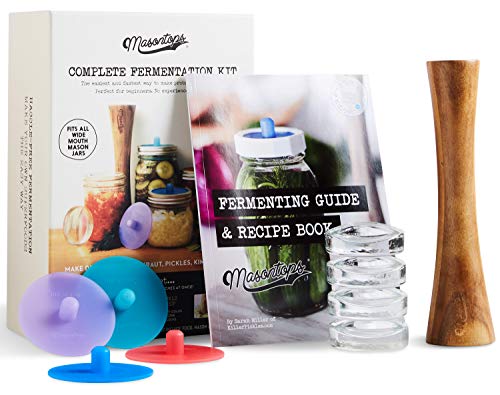
Masontops Complete Mason Jar Fermentation Kit – Pickle Kit, Sauerkraut Making Kit Kimchi Container – Fermentation Airlock Lids Wide Mouth Mason Jars
MASONTOPS COMPLETE MASON JAR FERMENTATION KIT: Includes all the tools needed to turn your ordinary wide mouth mason…
As an affiliate, we earn on qualifying purchases.
As an affiliate, we earn on qualifying purchases.
Conclusion
Now that you’ve explored the vibrant world of Indian pickles, it’s clear that achar isn’t just a condiment—it’s a burst of tradition and flavor that can turn any meal into a celebration. From fiery mango to tangy lemon, each type brings its own magic. Once you taste these, you’ll realize that an Indian pickle isn’t just food; it’s an explosion of culture that could make even the most seasoned palate swoon.

Rani Pickle (Achar) Masala Indian Spice Blend 3.5oz (100g) ~ All Natural | Vegan | Gluten Friendly | NON-GMO | No colors | Indian Origin
You'll LOVE our Pickle Masala by Rani Brand–Here's Why:
As an affiliate, we earn on qualifying purchases.
As an affiliate, we earn on qualifying purchases.

Daana Mustard Oil: CERTIFIED USDA ORGANIC, EXTRA VIRGIN, COLD PRESSED (12 oz)
RICH IN COLOR, AROMA & FLAVOR of mustard seeds. Daana's mustard oil is cold pressed & unprocessed, and…
As an affiliate, we earn on qualifying purchases.
As an affiliate, we earn on qualifying purchases.