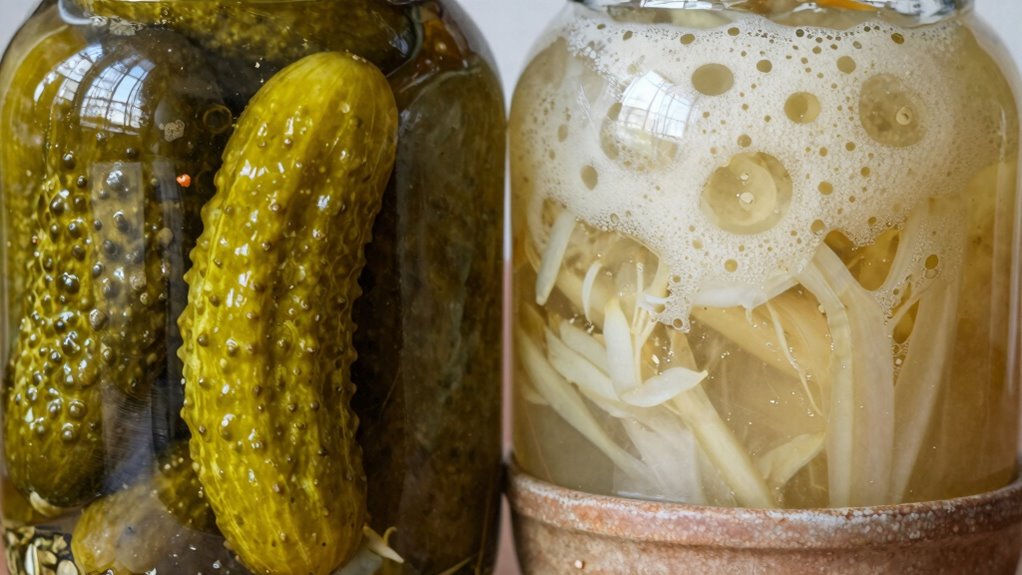
Pickling involves immersing vegetables in vinegar or a salty brine to quickly create acidity, resulting in crisp, tangy foods. Fermentation uses natural or added beneficial microbes in a salt brine to slowly develop complex flavors and probiotics over weeks. These processes differ in timing, flavors, and health benefits. Knowing these distinctions helps you preserve vegetables safely and effectively—keep exploring to see how each method can best suit your culinary needs.
Key Takeaways
- Pickling uses vinegar or brine for quick acidification; fermentation relies on natural microbes over weeks.
- Pickled foods have a tangy, crisp texture; fermented foods develop complex flavors and softer textures.
- Pickling provides immediate preservation lasting days; fermentation enhances probiotics over a longer period.
- Proper sterilization and temperature control are essential for both; their processes and timelines differ significantly.
- Microbial activity is central to fermentation’s health benefits, while pickling’s acidity inhibits microbial growth.
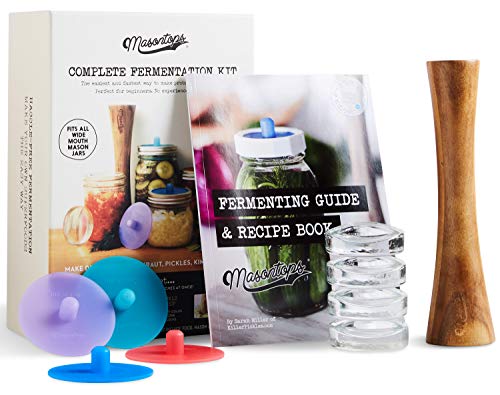
Masontops Complete Mason Jar Fermentation Kit – Pickle Kit, Sauerkraut Making Kit Kimchi Container – Fermentation Airlock Lids Wide Mouth Mason Jars
MASONTOPS COMPLETE MASON JAR FERMENTATION KIT: Includes all the tools needed to turn your ordinary wide mouth mason…
As an affiliate, we earn on qualifying purchases.
As an affiliate, we earn on qualifying purchases.
What’s the Difference Between Pickling and Fermentation?
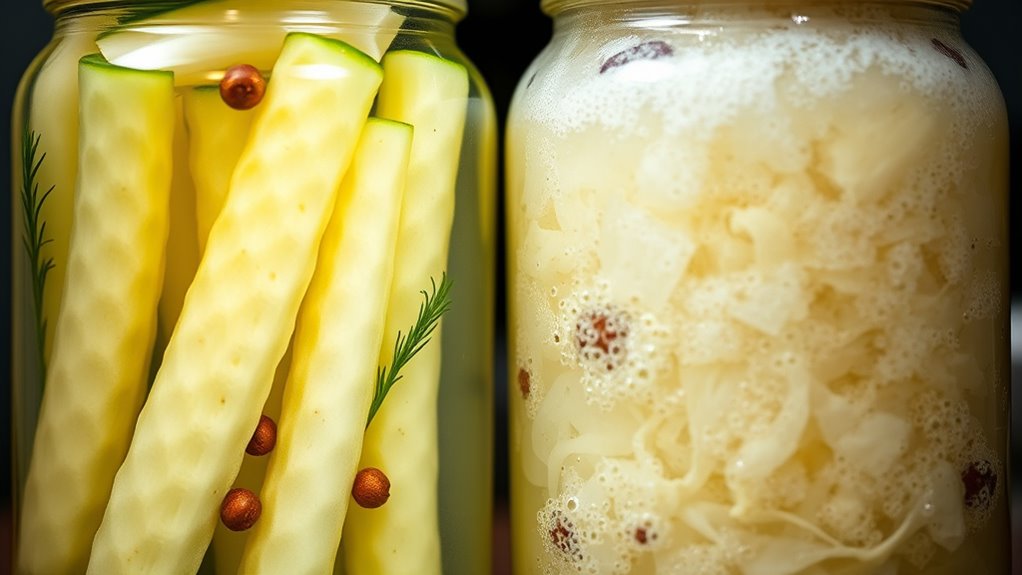
While pickling and fermenting both preserve foods, they do so through different processes. In a history comparison, pickling typically involves immersing foods in vinegar or brine, which creates an acidic environment that inhibits bacteria. Fermentation, on the other hand, relies on naturally occurring or added beneficial microbes to transform the food over time. This process not only preserves but also enhances flavors and nutrients. Regarding health benefits, fermented foods often contain probiotics that support gut health, while pickled foods may retain some nutrients but usually lack live cultures unless they’re fermented first. Bacterial Cultures play a crucial role in the fermentation process, contributing to the development of flavors and health benefits. Additionally, the technology involved in fermentation methods can vary, affecting the final taste and texture of the preserved foods. For example, microbial activity during fermentation can be influenced by temperature and duration, impacting the overall quality of the product. Proper storage conditions are essential to maintain the quality and safety of both pickled and fermented foods, and understanding the different preservation methods can help consumers choose healthier options.

The Gourmet Pickle Kit -Must Bee Company– DIY Pickling Set with Reusable Glass Jars, Spices & Step-by-Step Guide – Fermentation Kit for Homemade Dill Pickles
All-in-One Kit: Our pickle kit includes all the essentials: jars, spices, labels, and step-by-step instructions, making pickling a…
As an affiliate, we earn on qualifying purchases.
As an affiliate, we earn on qualifying purchases.
Ingredients and Cultures Used in Pickling and Fermentation
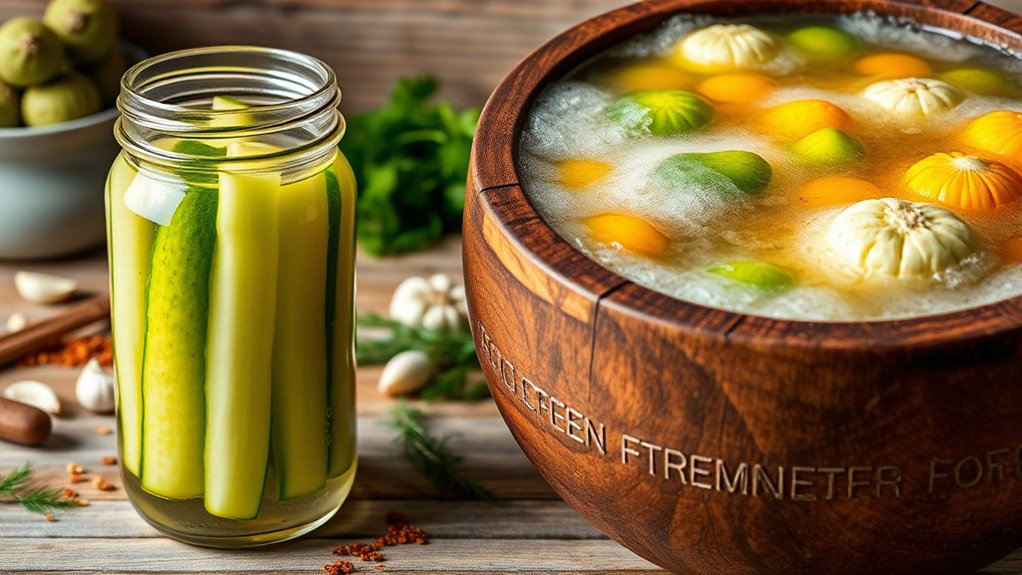
In pickling, you typically use ingredients like vinegar, salt, and sometimes additives to preserve and flavor your vegetables. For fermentation, microorganisms such as lactic acid bacteria are essential to transform the produce naturally. Understanding these ingredients and cultures helps you choose the right method for your desired flavors and textures. Additionally, microbial fermentation plays a crucial role in developing complex flavors and preserving foods without added acids. Recognizing the differences between fermentation and pickling ensures proper technique and desired outcomes. Incorporating traditional fermentation techniques can enhance the depth and authenticity of your preserved foods.
Pickling Ingredients and Additives
Pickling and fermentation rely on specific ingredients and additives that influence flavor, texture, and the fermentation process itself. For pickling ingredients, you typically use vinegar, salt, sugar, herbs, and spices to achieve the desired taste and preservation. Fermentation additives, on the other hand, often include salt brine, which encourages beneficial bacteria growth. It’s essential to select ingredients carefully to ensure successful results. Keep in mind these important points:
- Vinegar provides acidity in pickling
- Salt draws out moisture and inhibits spoilage
- Sugar adds sweetness and balances flavors
- Herbs and spices enhance aroma
- Fermentation relies on natural salt brines and sometimes added spices
- Understanding exponential growth in fermentation microbes is crucial for controlling the process
Additionally, the presence of electric bikes, such as KTM models, illustrates the importance of choosing the right tools and ingredients for successful fermentation and pickling processes, as they can influence the efficiency and outcome of your preservation efforts. Incorporating proper temperature control can significantly improve fermentation results. Using the right combination of pickling ingredients and fermentation additives helps you craft delicious, properly preserved foods.
Fermentation Microorganisms and Cultures
Fermentation relies on specific microorganisms and cultures that drive the transformation of vegetables and other foods. The microbial diversity involved in fermentation includes beneficial bacteria, yeasts, and molds that naturally exist on the food’s surface or are added as fermentation starters. These starters introduce a controlled mix of microbes to guarantee consistent and safe fermentation. Lactobacillus strains are common in many fermentations, producing lactic acid that preserves the food and develops flavor. Other cultures, like Saccharomyces yeast, may contribute to different fermentation profiles. Using the right microorganisms is essential, as it influences the taste, texture, and safety of your fermented foods. Whether relying on wild fermentation or commercial starters, understanding these cultures helps you achieve desirable results with confidence. Additionally, awareness of AI ethicist jobs and related roles in technology can inform how we develop and regulate fermentation technologies and food safety standards. Recognizing the importance of microbial diversity in fermentation processes can lead to more innovative and controlled fermentation techniques. For example, selecting specific Suprem fabrics for fermentation equipment can enhance durability and hygiene, ensuring optimal conditions for microbial activity.

Codeage Fermented Digestive Enzymes Supplement 3-Month Supply – 14 Digestive Enzymes, Probiotics, Prebiotics, Fermented Botanicals, Plant-Based Multi Pancreatic Enzymes – 1 Capsule a Day – 90 Capsules
Comprehensive Enzyme Blend: Codeage Fermented Digestive Enzymes+ supplement offers 14 different digestive enzymes, including protease, amylase, glucoamylase, diastase,…
As an affiliate, we earn on qualifying purchases.
As an affiliate, we earn on qualifying purchases.
Flavor Profiles and Textures of Pickled vs. Fermented Foods

While both pickling and fermenting transform vegetables and other foods, they produce distinctly different flavor profiles and textures. Pickled foods typically have a sharp, tangy taste with a crisp, firm texture, often influenced by spice combinations and vinegar. Fermented foods develop complex, umami-rich flavors with a softer, sometimes chewy texture due to natural fermentation processes. Your experience with flavor depends heavily on storage conditions and the ingredients used. The fermentation process relies on natural microbes and time, leading to these unique results. Additionally, the microbial activity involved in fermentation contributes to the development of probiotics that can benefit gut health. Understanding the microbial ecosystems involved is essential for appreciating how fermentation creates these health-promoting benefits. Proper storage techniques are also crucial to maintain the quality and safety of fermented foods.

Mrs. Wages Pickling & Canning Vinegar, Well-Balanced Vinegar, Great Tasting, Versatile for Canning & Cooking, Easy Storage, (1 Gallon Jug)
ONLY ONE INGREDIENT: Mrs. Wages Vinegar is just vinegar, versatile for canning, cooking and more.
As an affiliate, we earn on qualifying purchases.
As an affiliate, we earn on qualifying purchases.
Best Preservation Methods for Different Vegetables
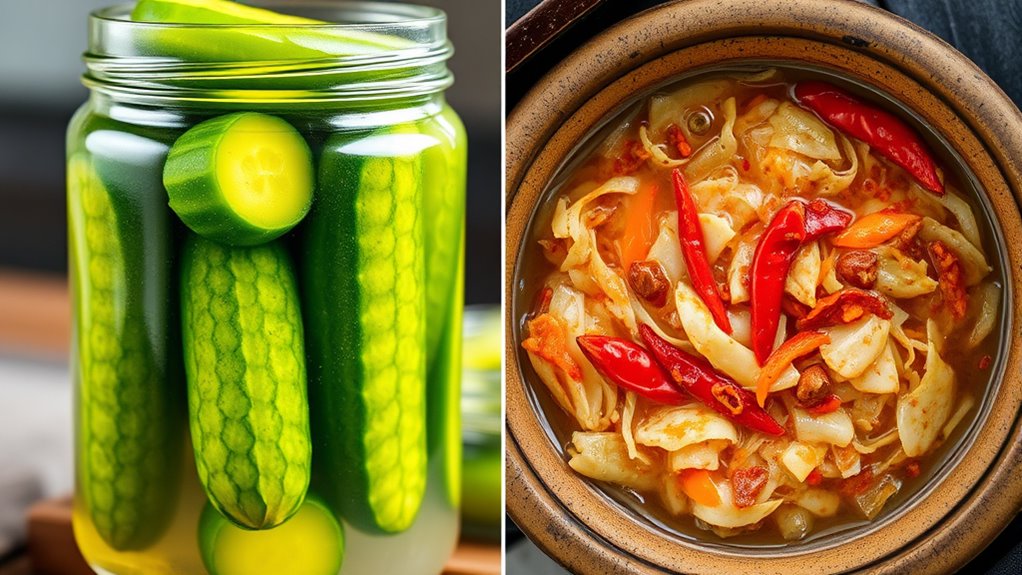
Choosing the right preservation method depends on the type of vegetable and the flavor or texture you want to achieve. For vegetable varieties like cucumbers, pickling with vinegar creates crisp, tangy results. Leafy greens, however, benefit more from fermenting, which preserves nutrients and develops complex flavors. Root vegetables such as carrots and beets hold up well with both methods, but fermenting enhances their sweetness and probiotic content. Brassicas like cabbage are ideal for fermenting to produce sauerkraut or kimchi, while peppers and beans are best pickled to maintain their crunch. Consider preservation techniques based on your desired outcome: quick acidity for pickling or the slow, probiotic-rich process of fermentation. Understanding fermentation benefits helps in choosing the most suitable method for your vegetables. Additionally, environmental factors like stingless bee pollination can influence the quality of natural ingredients used in fermentation, leading to richer flavors and better preservation results. Incorporating proper storage conditions ensures that your preserved vegetables stay fresh longer and retain their optimal texture.
How to Know When Your Pickled or Fermented Foods Are Ready?

Knowing when your pickled or fermented foods are ready is essential to enjoy their ideal flavor and safety. For fermentation, observe the timeline: most foods ferment within 1 to 4 weeks, depending on temperature and ingredients. For pickling, the duration is usually shorter, around 24 to 48 hours, but flavors develop over time. To determine readiness, look for these signs:
Check for bubbles, cloudiness, and taste to know your fermented and pickled foods are ready.
- Bubbles or fizz indicating active fermentation
- Slight cloudiness in fermented brine
- Taste test confirming the desired flavor
- Slight sourness or tang in fermented items
- Clearer liquid in pickles after the pickling duration
- Monitoring fermentation progress can help ensure optimal results without over- or under-processing.
Trust your senses and keep track of time. Remember, fermentation timeline and pickling duration are guides, but your personal preference plays a crucial role. Proper timing ensures both safety and optimal flavor development. Adjust accordingly for perfect results. Fostering a supportive environment can also enhance your self-improvement journey through patience and encouragement, much like creative storytelling for branding helps strengthen connections with your audience.
Common Mistakes to Avoid When Preserving Vegetables
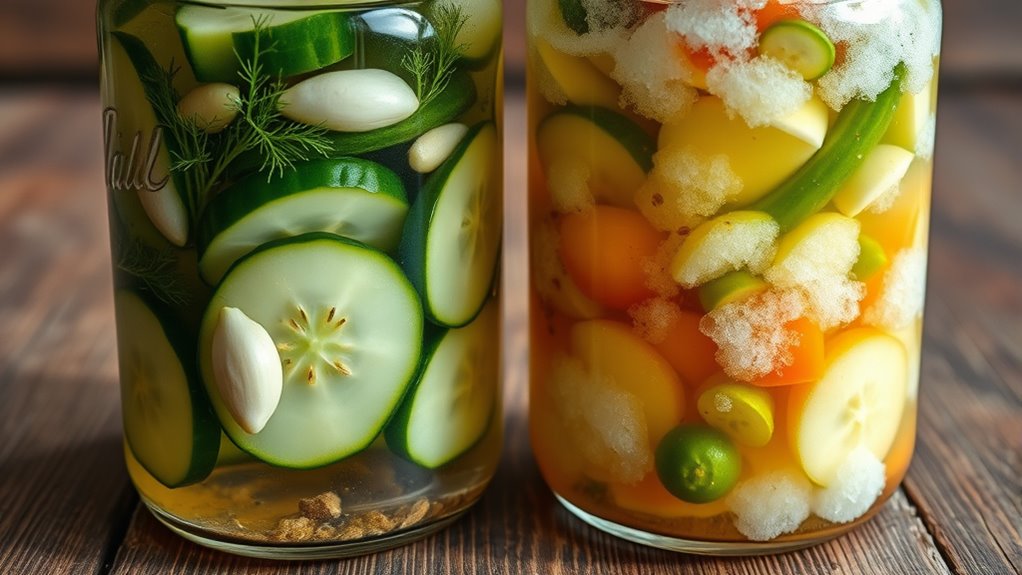
One common mistake is using the wrong amount of salt, which can affect preservation and flavor. You also need to sterilize your jars properly to prevent contamination. Additionally, maintaining the correct temperature is vital to guarantee your vegetables ferment or pickle safely and effectively.
Correct Salt Usage
Using the right amount of salt is crucial for successful pickling and fermenting, as too much or too little can compromise safety and flavor. Proper salt concentration ensures that the fermentation brine inhibits harmful bacteria while promoting good beneficial microbes. Avoid these common mistakes:
- Using outdated or low-quality salt
- Skipping measurements and guessing amounts
- Adding salt too quickly, causing uneven distribution
- Over-salting, making the brine too salty
- Under-salting, risking spoilage
For fermentation brine, stick to recommended salt ratios—typically 2-3% of the total water weight. This balance keeps vegetables safe and crisp, preventing spoilage. Accurate measurement and attention to salt concentration are key to achieving the best flavor and fermentation results.
Proper Sterilization Techniques
Proper sterilization is essential to prevent unwanted bacteria and mold from contaminating your preserved vegetables. Use effective sterilization techniques by thoroughly cleaning all equipment, including jars, lids, and utensils, with hot water and soap. Consider boiling glass jars for at least 10 minutes or using a dishwasher with a high-temperature setting to guarantee equipment cleanliness. Avoid skipping this step, as any residual bacteria or debris can compromise your preservation process. Always inspect jars for cracks or chips, as damaged containers are harder to sterilize properly. When handling sterilized items, work in a clean environment and use sterilized tools to prevent recontamination. Proper sterilization techniques set the foundation for safe, successful pickling or fermenting, ensuring your vegetables stay fresh and free of harmful microbes.
Accurate Temperature Control
Maintaining the correct temperature throughout the pickling or fermenting process is essential for preventing spoilage and ensuring safety. Fluctuating temperatures can disrupt fermentation or lead to bacterial growth. To guarantee temperature stability, regularly check your equipment calibration and avoid guesswork. Use a reliable thermometer and verify it periodically to prevent inaccuracies. Keep your environment consistent by storing jars in a temperature-controlled space. Be mindful of common mistakes, such as opening the fridge often or exposing jars to drafts. Maintaining steady temperatures promotes proper fermentation and extends shelf life. Remember, even small deviations can impact your preservation process. Focus on consistent conditions, calibrate your equipment regularly, and monitor temperatures closely to avoid spoilage and produce safe, delicious preserved vegetables.
Frequently Asked Questions
Can Pickling or Fermenting Improve Nutritional Content?
Yes, both pickling and fermenting can improve your food’s nutritional benefits. Fermentation enhances microbial diversity, boosting probiotics that support gut health. Pickling, especially when done naturally, can preserve vitamins and minerals while adding beneficial bacteria. You’ll get more nutrients and better digestion from these methods. Just make sure to choose traditional, unprocessed techniques to maximize nutritional benefits and enjoy the full advantages of these preservation methods.
How Long Do Pickled and Fermented Foods Last?
You can typically store pickled foods for about 1 to 2 years and fermented foods for 6 months to a year if kept in a cool, dark place. Proper storage duration helps prevent spoilage and maintains quality. Always check for signs of spoilage, like mold or off smells, before consuming. Using airtight containers and refrigeration prolongs their shelf life and ensures safety.
Are There Health Risks Associated With Improper Fermentation?
Some believe improper fermentation isn’t risky, but research shows fermentation safety is vital. You could face health risks like food poisoning or botulism if you neglect proper techniques. Pickling hazards include contamination from bacteria or molds if jars aren’t sterilized or stored correctly. To stay safe, follow trusted recipes, maintain hygiene, and monitor your ferment to prevent harmful bacteria growth. Proper care ensures delicious, healthy fermented foods without risking your health.
Which Vegetables Are Best Suited for Pickling Versus Fermenting?
You should pickle firmer vegetables like cucumbers, carrots, and green beans, which hold their texture and develop crispness. For fermenting, choose vegetables with more delicate textures, such as cabbage, radishes, and peppers, which absorb flavors and develop complex profiles over time. Both methods enhance flavor profiles uniquely, but remember that pickling keeps veggies crisp, while fermenting often results in softer textures and tangy tastes.
Do Storage Conditions Affect the Safety of Preserved Foods?
Storage conditions are the gatekeepers of food safety, like a vigilant guard at the castle door. You must maintain proper storage hygiene and temperature control to prevent spoilage and harmful bacteria growth. Keep preserved foods in cool, dark places, and verify containers are clean. Poor storage can turn your efforts into a health hazard, so always monitor conditions carefully to keep your preserved foods safe and delicious.
Conclusion
Think of pickling and fermenting as two different journeys through a garden. Pickling is like a quick stroll, preserving vegetables with vinegar’s bright sunshine, while fermenting is a slow, mindful walk, letting natural microbes craft complex flavors. Knowing which path to take guarantees your veggies reach their full potential. With patience and care, you’ll harvest delicious, preserved treasures—each method a unique story told through your fridge’s bounty.