Your cake might sink even if your recipe looks right because of issues during mixing, leavening, or baking temperature. Overmixing can trap too much air, causing collapse, while undermixing creates an uneven crumb. Using the wrong amount of leavening or baking at an incorrect temperature can prevent proper rising. Fluctuations in oven heat or baking conditions can also weaken the structure. Keep exploring to discover how controlling these factors can help your cakes turn out perfectly every time.

Get kitchen staples and gadgets delivered free — and shop member deals
- Fast, free delivery on millions of items
- Access to Prime Big Deal Days deals on October 6–7
- Prime Video, Amazon Music and more included
Key Takeaways
- Overmixing batter can trap excess air, causing the cake to rise rapidly and then collapse during baking.
- Incorrect oven temperature, especially too hot, can set outer layers prematurely, trapping gases and leading to sinking.
- Inconsistent oven heat or sudden temperature drops can prevent proper rising, resulting in a sunken center.
- Improper leavening agent use or imbalance can cause uneven rise and subsequent collapse.
- External factors like high humidity can affect batter consistency and baking chemistry, leading to sinks.
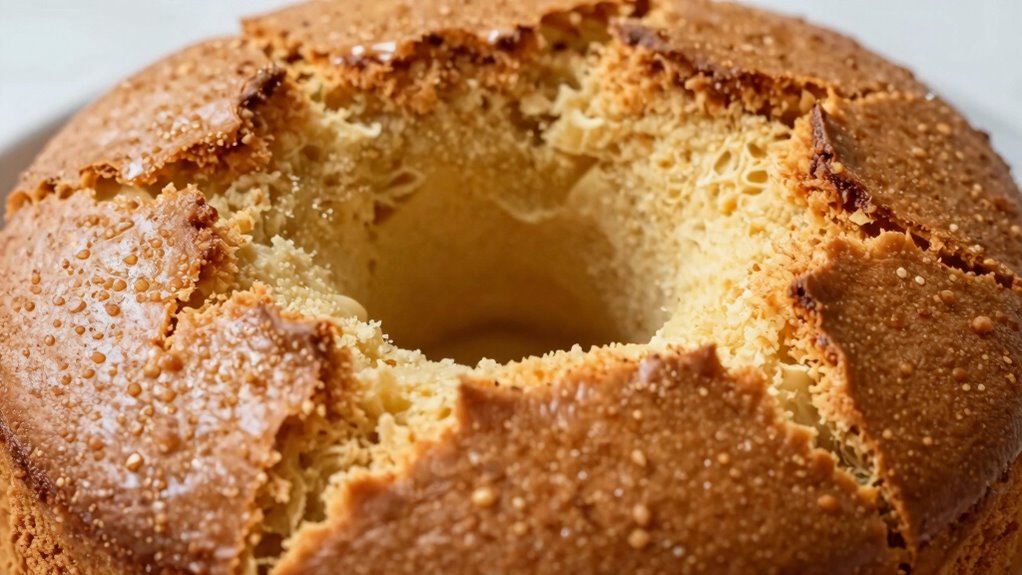
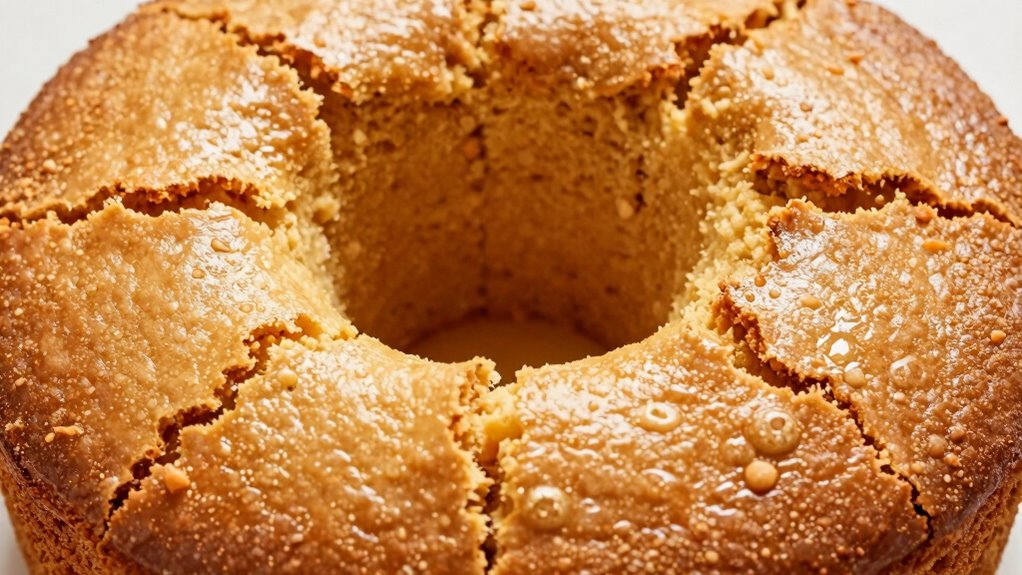
If you’ve ever baked a cake only to find it sinking in the middle, you’re not alone. It can be frustrating, especially when your recipe seems perfect. Often, the issue comes down to factors like cake texture and baking temperature. Even if you follow every step correctly, small mistakes can lead to big problems. When a cake sinks, it usually means the structure didn’t set properly before cooling, and that’s often linked to how you manage your baking temperature and how the cake’s texture develops during baking.
Your cake’s texture hinges a lot on how the batter is mixed and how it reacts during baking. If you overmix, you incorporate excess air into the batter, which can cause the cake to rise too quickly and then collapse. Conversely, undermixing can result in uneven crumb structure, making the cake unstable. Achieving the right cake texture is a delicate balance, but it’s vital for a stable rise. Proper mixing techniques and understanding baking chemistry are crucial for a successful bake. Additionally, understanding the role of leavening agents can help you better control how much your cake rises during baking.
Baking temperature plays a pivotal role in this process. If your oven is too hot, the outer layer of the cake sets too quickly while the inside remains undercooked and gooey. As the interior continues to cook and expands, the external crust hardens, trapping the air and gases inside. When the internal structure finally catches up, the pressure can cause the cake to collapse in the middle. On the flip side, if your oven isn’t hot enough, the cake might not rise properly, resulting in a dense, flat cake that lacks the stability to hold its shape. Proper oven temperature is essential for a successful bake.
Furthermore, oven temperature consistency is equally important, as fluctuations can affect how evenly the cake bakes and develops its structure. Making sure your oven is at the correct temperature is key. Use an oven thermometer to verify, since many ovens tend to run hotter or cooler than their dial indicates. Also, avoid opening the oven door too early during baking, as sudden temperature drops can cause the cake to collapse. Properly preheating the oven ensures even heat distribution, helping your cake develop a strong, stable structure. Paying attention to baking environment conditions, like humidity, can also influence how your cake turns out.
Frequently Asked Questions
Can Over-Mixing Batter Cause a Cake to Sink?
Yes, over-mixing batter can cause a cake to sink. When you mix too quickly or vigorously, you incorporate excess air, leading to a batter that’s too airy and unstable. This affects the batter consistency, making it rise too much in the oven and then collapse, causing sinking. To prevent this, mix at a moderate speed and stop once the ingredients are just combined.
Does Oven Temperature Affect Cake Stability?
Yes, oven temperature can make your cake collapse like a souffle gone wrong. If your oven isn’t properly calibrated, it might be too hot or too cold, causing uneven rising and sinking. The type of baking sheet also matters—metal heats quickly and evenly, while glass can cause hot spots. Always double-check your oven’s calibration and choose the right baking sheet material to keep your cake perfectly stable.
How Does Altitude Influence Cake Sinking?
Altitude effects can cause your cake to sink because the lower air pressure at high elevations makes leavening gases expand faster. To counter this, you should adjust your recipe by reducing leavening agents and increasing liquid. These recipe adjustments help stabilize the batter, ensuring your cake rises properly without sinking. Always test small adjustments first, as altitude effects vary depending on your specific elevation.
Are Specific Types of Flour More Prone to Sinking?
Think of flour as the backbone of your cake; some types, like cake flour, are lighter, while bread flour is denser. Cake flour, with lower gluten development and moisture content, makes cakes tender and less prone to sinking. Conversely, all-purpose or bread flour, with higher gluten and moisture, can create a sturdier structure that’s more prone to collapse if overmixed or underbaked.
Can Using Expired Baking Powder Cause Sinking?
Using expired baking powder can definitely cause your cake to sink. Expired leavening loses its effectiveness, which means it won’t produce enough carbon dioxide to lift the batter properly. This impacts ingredient freshness and leavening action, leading to a flat or sunken cake. Always check expiration dates and replace old baking powder to guarantee proper rise and a fluffy, well-textured cake.
Conclusion
Remember, a sinking cake is like a quiet pond—still on the surface but holding depths unseen. When your batter falters, it’s a reminder that even the best recipes need gentle care and understanding. Every ingredient symbolizes a balance you must strike, and each oven time a moment to trust your instincts. Embrace these small imperfections as part of the journey, for in their silence lies the promise of a more perfect, resilient creation.
NFL season / tailgating Picks
team gear
As an affiliate, we earn on qualifying purchases.