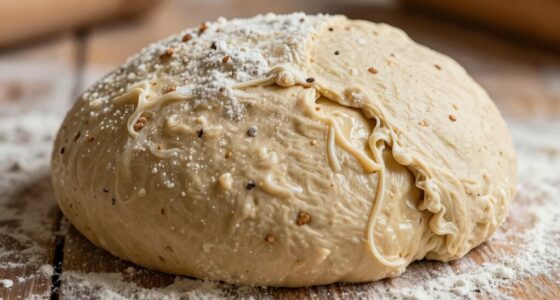
When you bake with whole wheat flour, you need more water because the bran and germ absorb moisture and interfere with gluten development, making the dough denser. Resting the dough allows enzymes to improve gluten structure and fully hydrate the flour, giving your bread a better rise and texture. Paying attention to hydration levels and resting times is key for success. Keep going, and you’ll find techniques to boost your bread’s quality even further.
Key Takeaways
- Whole wheat flour’s bran and germ absorb more water, requiring increased hydration for proper gluten development.
- Higher water content helps hydrate dense bran particles, improving dough elasticity and crumb structure.
- Resting allows enzymes to work, enhances gluten formation, and ensures full hydration for better dough extensibility.
- Extended fermentation and resting develop flavor, improve rise, and reduce dryness in dense whole wheat bread.
- Proper hydration and resting are essential to counteract bran’s inhibitory effects and achieve a light, airy loaf.

Bob's Red Mill Bread Mix, 10 Grain With Yeast Packet, 19 Ounce (Pack of 2)
As an affiliate, we earn on qualifying purchases.
As an affiliate, we earn on qualifying purchases.
Why Does Whole Wheat Flour Make Breads Denser?
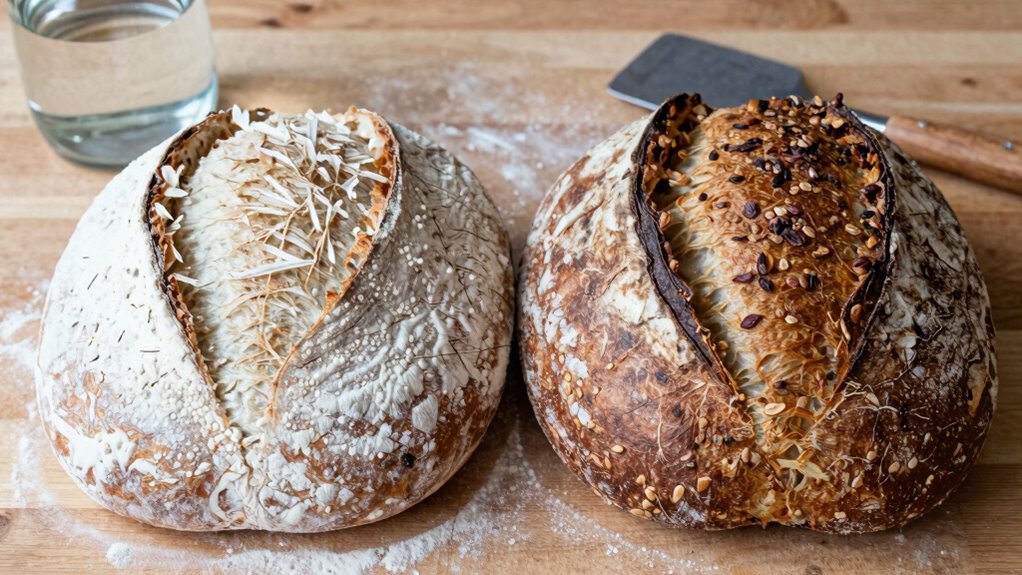
Have you ever wondered why whole wheat bread tends to be denser than bread made with refined flour? The answer lies in gluten development. Whole wheat flour contains bran and germ, which cut through gluten strands and inhibit their formation. This results in less elastic dough and a tighter crumb. Additionally, fermentation timing plays a role; because whole wheat absorbs water more readily, it may ferment more slowly if not given enough time. Under-fermented dough doesn’t develop enough gas to create a light, airy structure. To counteract this, you need to extend fermentation and ensure proper gluten development by kneading well. This helps produce a more balanced rise, improving texture despite the density inherent in whole wheat flour.

Dimpola Banneton Bread Proofing Basket – 9 inch Banneton Basket Set of 2 Sourdough Proofing Basket Round Proofing Bowls Handmade Rattan Baskets and Liners
PERFECT FOR THE BAKER IN YOUR HOME: You will be impressed with our bread proofing baskets' quality and…
As an affiliate, we earn on qualifying purchases.
As an affiliate, we earn on qualifying purchases.
Why Does Whole Wheat Absorb More Water?
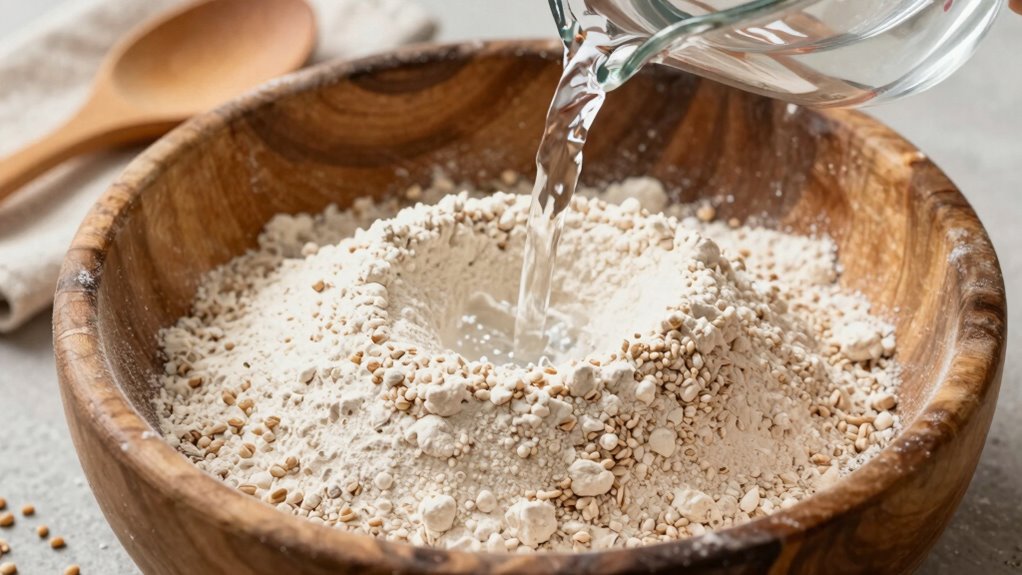
Ever wonder why whole wheat flour requires more water than refined flour? It’s due to its unique flour properties, mainly the bran and germ content, which absorb more moisture. These components create a denser structure, demanding increased hydration techniques to achieve proper dough consistency. Whole wheat’s bran acts like tiny sponges, trapping water and making the dough stiffer. To optimize hydration, you might need to add a bit more water or rest the dough longer. Proper hydration techniques can further improve the dough’s texture and rise, ensuring better baking results. Additionally, understanding the water absorption rates of different flours can help you fine-tune your recipes more effectively. Recognizing the importance of flour composition allows bakers to adapt their methods for consistent results. For instance, water absorption rates can vary even within the same type of flour depending on processing methods and grain quality. Knowing how grain processing impacts flour properties can further refine your baking approach. Here’s a quick comparison:
| Flour Type | Water Absorption Tendency |
|---|---|
| Whole Wheat Flour | Higher due to bran and germ |
| Refined Flour | Lower, less bran and germ |
| Blended Flour | Intermediate, depends on mix |
Understanding these flour properties helps you adjust water levels for better baking results.

MAQIHAN 100 Bowl Covers Bread Proofing – Extra Large Plastic Wrap for Food Sourdough Bread Baking Rising Elastic Reusable Plate Covers Outdoor Food Fresh Keeping Bags Shower Cap Hair Deep Conditioning
Elastic Bowl Covers:The edge of the plastic food cover is a stretchable elastic cord, which makes the bowl…
As an affiliate, we earn on qualifying purchases.
As an affiliate, we earn on qualifying purchases.
Resting Time: How It Improves Whole Wheat Bread
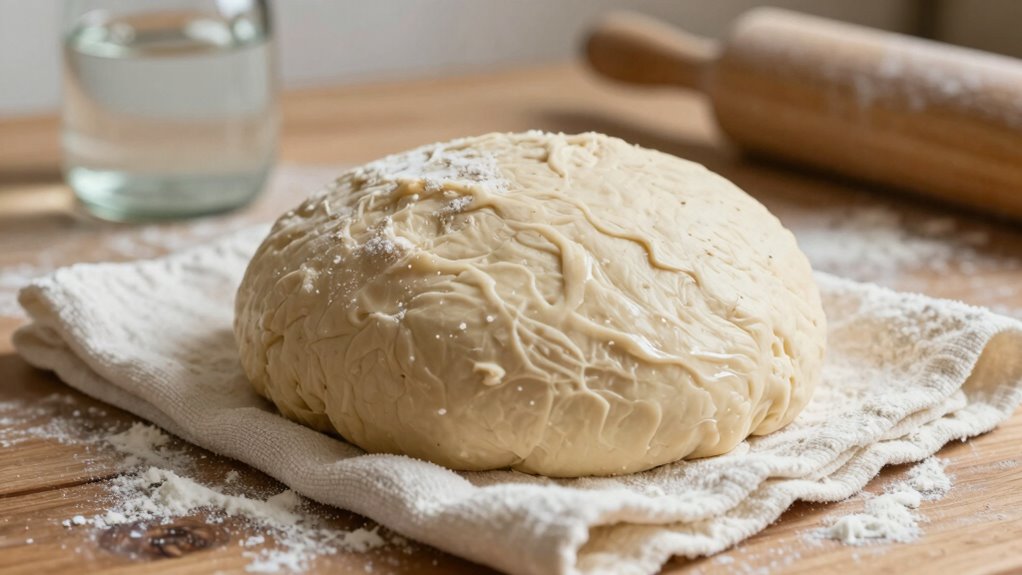
Resting time plays a crucial role in improving the texture and structure of whole wheat bread. During this period, fermentation dynamics unfold, allowing yeast to produce gases that help leaven the dough. It also promotes better gluten development, which is essential for a strong, elastic crumb. Proper resting helps break down complex carbohydrates, making the bread easier to digest and enhancing flavor. Without adequate rest, the dough remains dense and less airy, undermining the benefits of whole wheat flour. Resting also allows water to fully hydrate the flour, resulting in a more cohesive dough. Additionally, resting time can help piercing care and hygiene that are common with whole wheat flour, leading to a more manageable dough. To maximize these benefits, give your dough ample time to rest, ensuring fermentation and gluten formation work effectively for a better loaf. Incorporating sufficient resting time also enhances enzyme activity, which further improves the dough’s properties and bread quality. Furthermore, adequate resting helps reduce staling and improves the overall freshness of the baked bread.

King Arthur 100% Organic Bread Flour, Unbleached, 5 lb (Pack of 1) – Non-GMO Project Verified, No Preservatives
High Protein Flour: 12.7% protein – a full point more than other national brands, King Arthur flour ensures…
As an affiliate, we earn on qualifying purchases.
As an affiliate, we earn on qualifying purchases.
How to Adjust Hydration for Whole Wheat Flour
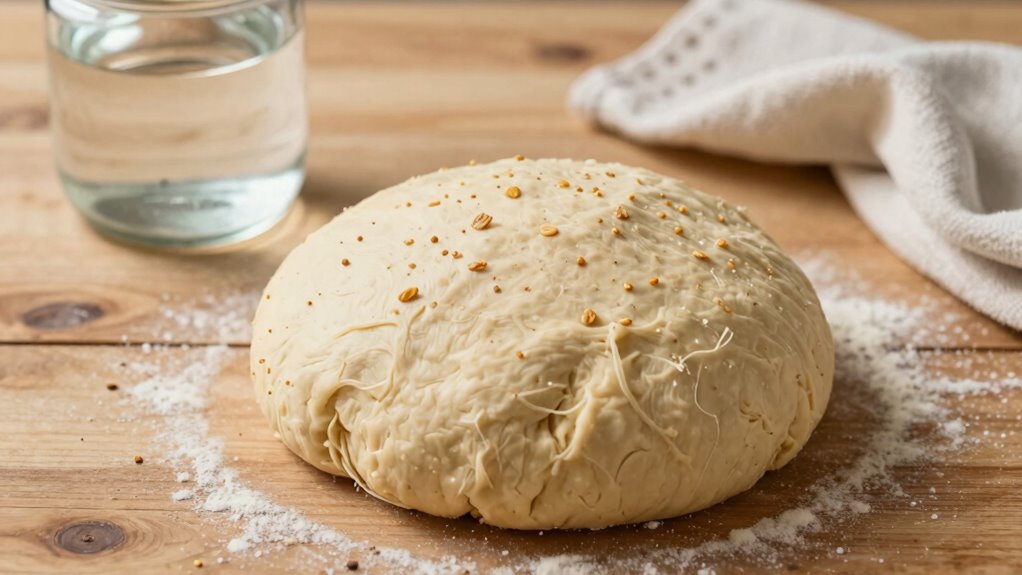
You’ll find that whole wheat flour absorbs more liquid than white flour, so you may need to adjust your recipe’s hydration. Keep in mind that the amount of liquid can vary based on flour freshness and grind size, so be ready to modify as you go. Allowing your dough to rest helps improve hydration, resulting in better texture and rise.
Flour Absorption Variations
Whole wheat flour tends to absorb more water than refined white flour due to its higher fiber content and denser structure. This increased absorption affects gluten development and fermentation speed, requiring you to modify your hydration levels accordingly. If your dough feels dry or stiff, add more water gradually, allowing the flour to hydrate evenly. Keep in mind that inconsistent hydration can hinder gluten formation, impacting the dough’s elasticity and rise. Additionally, higher absorption means longer fermentation times to fully develop flavor and structure. To master whole wheat baking, pay close attention to dough consistency and hydration adjustments based on flour absorption variability. Recognizing flour absorption differences helps in fine-tuning hydration for optimal results. Proper hydration ensures excellent gluten development. Adjust water gradually to prevent overhydration. Denser flour affects fermentation speed. Consistent dough texture aids in even rising. Hydration management is key to adapting to flour variability and improving bread quality. Handling flour variability effectively can significantly enhance the texture and flavor of your baked goods. Being aware of these absorption characteristics allows for better control over the dough process and more consistent baking outcomes. Additionally, understanding the role of fermentation can help optimize flavor development and dough strength.
Adjusting Liquid Quantities
Adjusting liquid quantities is key to achieving the right dough consistency when working with whole wheat flour. Since whole wheat absorbs more water than refined flour, you need effective hydration strategies to prevent dry or overly sticky dough. Start by adding water gradually, monitoring how the dough feels and adjusting as needed. If your dough seems stiff or crumbly, increase the hydration to improve extensibility. Conversely, if it’s sticky or loose, reduce the water slightly. Remember, dough hydration isn’t a one-size-fits-all; factors like flour brand and humidity matter. Incorporating vintage kitchen tools can also help you achieve more precise measurements and consistent results in your baking process. Paying attention to hydration levels can significantly impact the texture and flavor of your baked goods, especially since understanding flour absorption is crucial for optimal results. Additionally, understanding gluten development can help you better control the dough’s elasticity and structure.
Rest Time Benefits
Rest time plays a crucial role in optimizing hydration for whole wheat flour, as it allows the flour to fully absorb water and develop gluten structure. During this period, gluten development improves, resulting in a stronger, more elastic dough. Additionally, resting enhances flavor by activating enzymes that break down starches and proteins, leading to a richer taste. Proper rest also helps hydrate bran and germ particles, making dough easier to handle. To maximize these benefits, consider the following:
- Use adequate water to ensure complete absorption
- Allow at least 30 minutes of resting time
- Cover dough to prevent drying out
- Incorporate a gentle fold during rest for better gluten alignment
- Resting reduces kneading time and improves dough consistency
- Employing appropriate hydration levels can significantly improve dough performance and bread quality.
- Ensuring proper resting time allows enzymes to work effectively, enhancing overall dough quality.
- Using rest periods effectively can also help improve dough extensibility and oven spring.
- Additionally, allowing sufficient rest time can help reduce dough stickiness and improve handling.
- Incorporating longer rest durations may further enhance dough elasticity and crumb structure.
Tips to Manage Resting and Fermentation in Whole Wheat Baking

Managing resting and fermentation times in whole wheat baking is essential for achieving the best rise and texture. To maintain proper fermentation control, monitor your dough’s activity closely, looking for signs like bubbles and volume increase. Keep the dough covered in a warm, humid environment to prevent drying out and support even fermentation. Proper dough handling during the resting period helps develop gluten structure, which is critical for whole wheat bread. Avoid rushing the process; give the dough enough time to ferment fully, but don’t overproof. Use a timer or set reminders to track fermentation stages. Understanding the importance of contrast ratio can help in evaluating how the final bread appearance will turn out, especially in relation to the visual cues of the crust and crumb. By paying close attention to these steps, you guarantee your dough develops ideal flavor, elasticity, and rise, resulting in a more satisfying whole wheat loaf.
Troubleshooting Dense or Dry Whole Wheat Breads
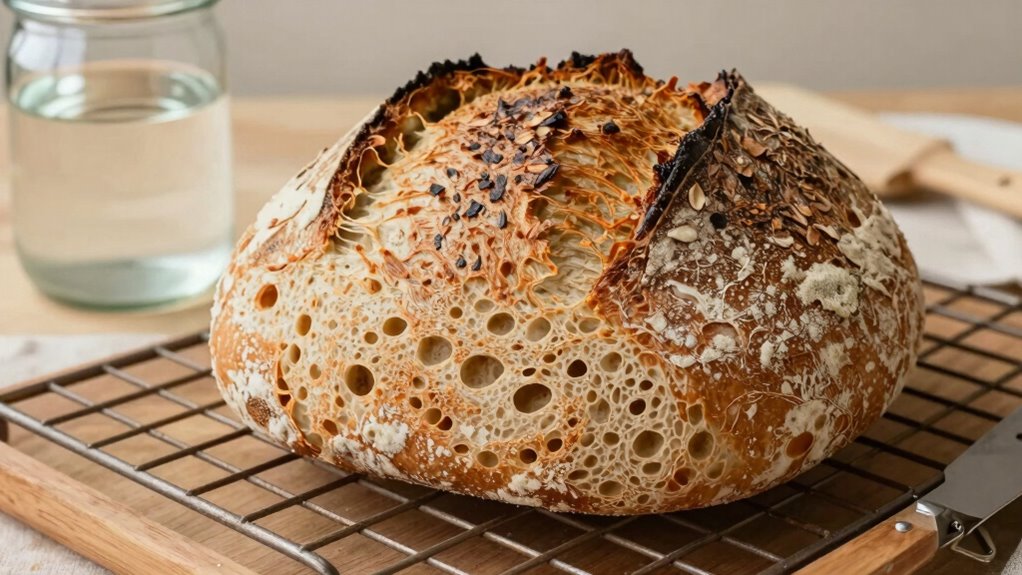
When your whole wheat bread turns out dense or dry, it often means something went wrong during the mixing, fermentation, or baking stages. Poor gluten development can prevent the dough from trapping air, leading to a heavy crumb. Inadequate fermentation timing can result in underdeveloped flavors and structure, making bread dry or dense. To troubleshoot, focus on these key points:
- Ensure proper kneading to develop gluten fully
- Allow sufficient fermentation time for optimal gluten formation
- Adjust water amounts to improve hydration
- Avoid overbaking, which can dry out the bread
- Be patient with fermentation to achieve better elasticity
Frequently Asked Questions
Can I Substitute Whole Wheat Flour in Any Bread Recipe?
Yes, you can substitute whole wheat flour in any bread recipe, but keep in mind it affects gluten development and flavor. Whole wheat flour absorbs more water, so you’ll need to add extra and allow the dough to rest. This rest period helps develop gluten and enhances flavor. Adjust your recipe accordingly, and you’ll enjoy a hearty, nutritious bread with better texture and taste.
How Does Rest Time Affect the Flavor of Whole Wheat Bread?
Rest time enhances the fermentation flavor and gluten development in your whole wheat bread. When you let the dough rest, the yeast ferments more, producing richer, deeper flavors. It also allows gluten to develop fully, giving the bread better structure and texture. So, by giving your dough enough time to rest, you’re ensuring a more flavorful loaf with improved elasticity. Skipping this step can result in a less complex taste and weaker crumb.
What Are Common Signs of Under-Hydrated Dough?
If your dough shows signs of under-hydration, you’ll notice a poor hydration indicator like dryness, cracks, or crumbling. It also feels stiff and lacks dough elasticity, making it difficult to stretch or shape. You might see bubbles or a dull surface instead of a smooth, shiny one. To fix this, add a small amount of water gradually, knead well, and allow it to rest so the gluten can develop properly.
Is Longer Resting Time Always Better for Whole Wheat Baking?
No, longer resting isn’t always better, even if you think more fermentation duration will fix everything. You might end up with overly hydrated dough, which can weaken gluten structure. Pay attention to hydration levels and how the dough feels; rest time should match the dough’s needs. Sometimes, a shorter, well-managed rest produces better flavor and texture than a lengthy wait that turns your dough into a soggy mess.
How Does Oven Temperature Impact Whole Wheat Bread Texture?
Oven heat considerably impacts your whole wheat bread’s texture by influencing crust development. Higher oven temperatures promote a thicker, crispier crust, while lower heat yields a softer crust. If you want a hearty, well-developed crust, crank up the oven early in baking. Be mindful that too much heat can burn the crust before the inside is done, so find a balance that enhances both texture and flavor for perfect whole wheat bread.
Conclusion
Remember, whole wheat flour absorbs about 20% more water than white flour, which is why your dough needs extra hydration. Giving it adequate rest allows the gluten to develop fully, leading to lighter, more tender bread. If you’re experiencing dense results, try increasing your water or extending resting time. Over 60% of bakers report improved texture with these adjustments, so don’t hesitate to tweak your process. With patience and practice, you’ll master perfect whole wheat loaves every time.