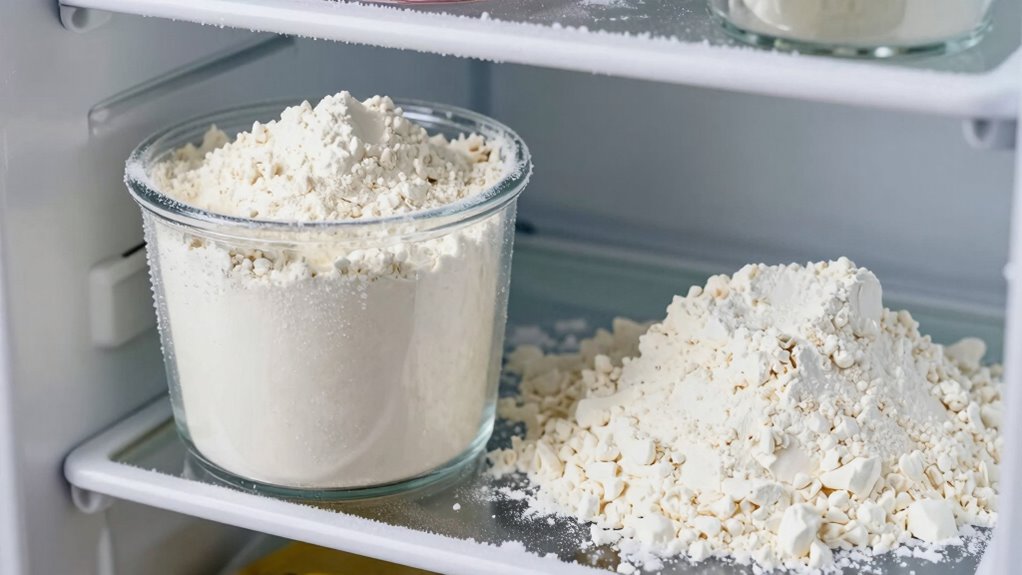

Freezing flour is helpful when you want to extend its shelf life, especially for whole grain or organic varieties that spoil faster. It’s ideal if you buy in bulk or plan to store flour for over a year, as freezing prevents pests, mold, and moisture damage. However, it can change dough’s elasticity and baking results if not done properly. For tips on how to freeze effectively, keep exploring for expert advice.
Key Takeaways
- Freezing extends flour’s shelf life, especially for long-term storage, organic, or whole grain flours prone to spoilage.
- It helps prevent moisture, pests, and mold but may slightly alter dough elasticity and gluten development.
- Proper airtight, moisture-proof packaging and portioning are essential to avoid clumping and freezer burn.
- Freezing is less necessary for short-term use but beneficial for bulk purchases or storing specialty flours.
- Avoid improper thawing methods; gradual thawing in the fridge or at room temperature maintains flour quality.

PrepSolutions Flour Keeper – Airtight Storage Container for Flour, Sugar & Dry Goods, 5 lb Capacity, BPA-Free, Easy Pour Design
- Product Includes: Contains 1 Flour Keeper
- Capacity: Holds up to 5 lbs of dry goods
- Size: 3.8 qt (3.6 L) capacity
As an affiliate, we earn on qualifying purchases.
As an affiliate, we earn on qualifying purchases.
Should You Freeze Flour? Key Signs It’s a Good Idea
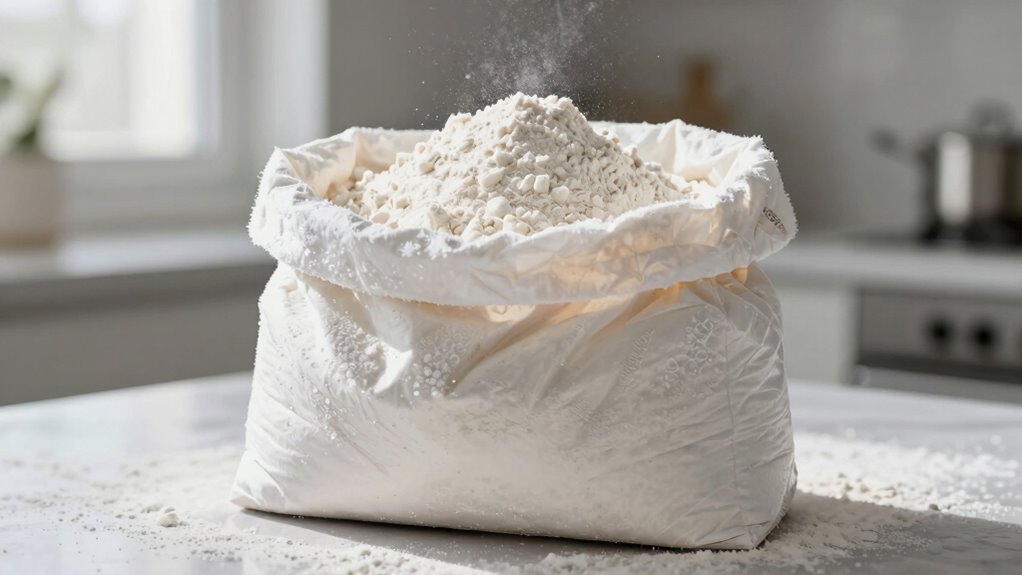
Freezing flour can be be a smart move if you notice certain signs that indicate it’s time. One key sign is if your flour has been stored for a long duration; typically, beyond about a year, its quality might decline. Freezing helps extend its shelf life and preserves freshness. Consider your packaging methods—airtight containers or resealable bags are essential to prevent moisture and odors from affecting the flour. Proper packaging ensures the flour stays dry and maintains its baking qualities during freezing. If you’ve stored flour improperly or plan to keep it for an extended period, freezing becomes a practical solution. Shelf life extension can be particularly beneficial when you want to maximize the storage time without sacrificing quality. Just make sure to mark the date on your packaging so you can track how long it’s been stored. Freezing is especially helpful if you’re not planning to use the flour immediately. Understanding storage conditions can further optimize how well your flour maintains its quality during freezing, especially when combined with proper packaging techniques. Additionally, temperature control plays a crucial role in ensuring your flour remains dry and uncontaminated during storage and can prevent moisture absorption that leads to spoilage.
As an affiliate, we earn on qualifying purchases.
How Freezing Changes Flour’s Freshness and Baking Quality
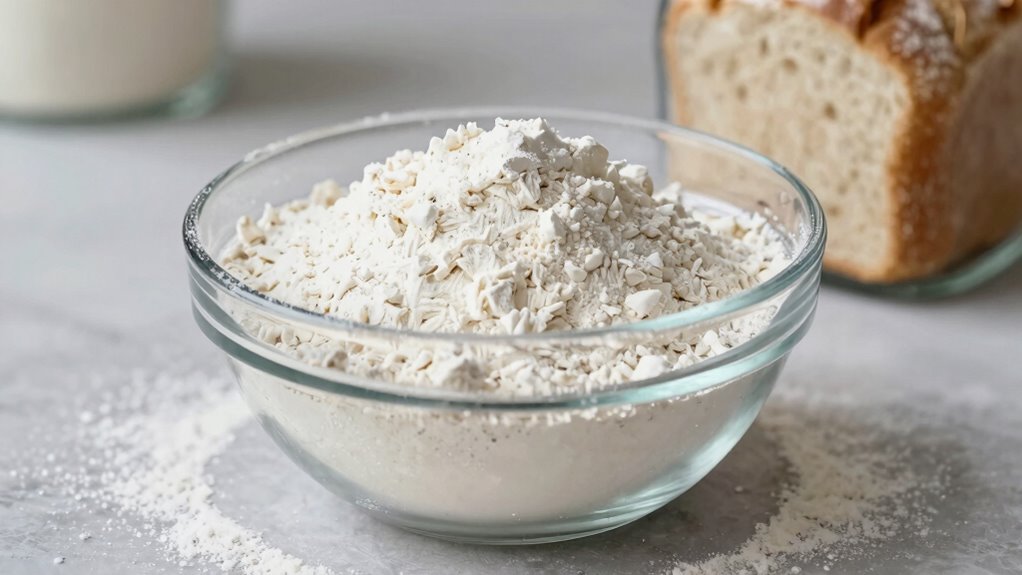
Freezing flour helps keep it fresh for much longer, so you can store it without worry. However, this process can also change how your dough feels and behaves during baking. Understanding these effects will help you use frozen flour more effectively. Incorporating energy-efficient cloud servers into your storage solutions can promote sustainability and secure handling of food products.
Preserves Freshness Longer
When flour is stored properly in the freezer, it can stay fresh much longer than at room temperature. Freezing extends the storage duration, helping you keep it usable for months without loss of quality. This method effectively prevents spoilage caused by moisture, pests, or mold. By maintaining a consistent low temperature, you slow down the natural deterioration process, preserving the flour’s flavor and baking properties. Properly sealed packaging prevents freezer burn and moisture absorption, which can compromise freshness. Keep in mind that freezing doesn’t reverse spoilage, so only freeze flour that’s fresh to begin with. Additionally, understanding storage conditions can help optimize the longevity and quality of your flour. Overall, freezing is a reliable way to maximize freshness and reduce waste, ensuring your flour remains suitable for baking whenever you need it.
Affects Dough Consistency
Although freezing extends flour’s shelf life, it can also impact how your dough behaves. Freezing can weaken gluten development, making dough less elastic and harder to shape. It may also slow yeast activity, resulting in longer rise times or uneven fermentation. To understand these effects better, consider this table:
| Effect on Dough | Impact on Baking |
|---|---|
| Reduced gluten strength | Less chewy, more fragile bread |
| Slowed yeast fermentation | Longer proofing times |
| Altered moisture content | Changes dough texture |
| Potential for uneven rises | Inconsistent loaf volume |
Knowing these changes helps you adjust your recipes, ensuring your baked goods turn out just right despite the effects of freezing.
large bulk flour storage container
As an affiliate, we earn on qualifying purchases.
As an affiliate, we earn on qualifying purchases.
Which Flours Freeze Best? Find Out Here
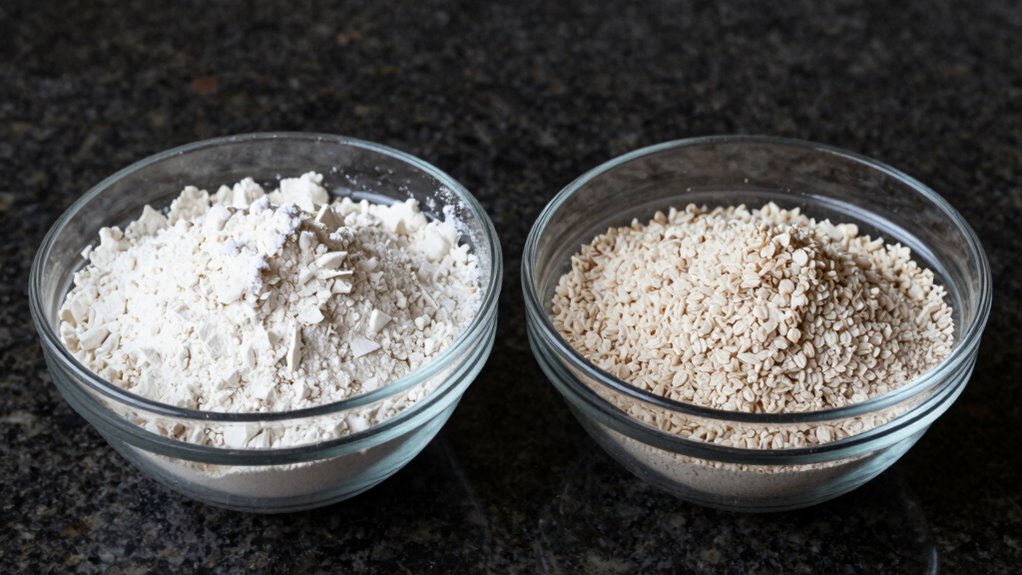
If you’re wondering which flours freeze best, whole grain varieties tend to hold up better over time. The texture also matters: fine flours usually freeze more smoothly, while coarser ones may require extra care. Understanding these differences helps you preserve your flour’s quality longer. Additionally, sound vibrations from certain frequencies can promote cellular regeneration, potentially maintaining flour freshness during storage. Proper storage techniques can also extend shelf life and prevent spoilage. Incorporating proper packaging methods is essential to protect flour from moisture and pests during freezing.
Whole Grain Flours Best
Whole grain flours tend to freeze well, making them a convenient choice for long-term storage. Since they contain oils that can turn rancid, freezing helps preserve freshness and flavor. When considering grain storage, always use airtight containers to prevent moisture and odors from affecting the flour. Here’s a quick comparison:
| Grain Type | Freezing Effectiveness | Best Storage Tip |
|---|---|---|
| Whole wheat flour | Excellent | Store in airtight, opaque containers |
| Rye flour | Very good | Use vacuum-sealed bags |
| Oat flour | Good | Keep in a cool, dark place |
Fine vs Coarse Texture
When considering how to store different types of flour, texture plays a key role in how well they freeze. Fine flours, like pastry or cake flour, often maintain better texture clarity and flavor preservation because their uniform particles resist moisture absorption and clumping. Coarse flours, such as whole wheat or cornmeal, may lose some of their characteristic texture and flavor if frozen improperly. To optimize freezing:
- Use airtight containers to prevent moisture and odor transfer.
- Keep coarse flours in smaller portions to minimize exposure.
- Label with date to track freshness.
- Thaw gradually to preserve texture and flavor integrity.
Additionally, the type of flour can influence its horsepower and performance when used in baking or cooking, similar to how electric bikes’ power and speed depend on motor and battery capacities. Understanding these differences helps you choose the right approach, ensuring your flour retains its quality and usability after freezing.
flour storage with moisture proof lid
As an affiliate, we earn on qualifying purchases.
As an affiliate, we earn on qualifying purchases.
How to Freeze Flour Properly in Easy Steps
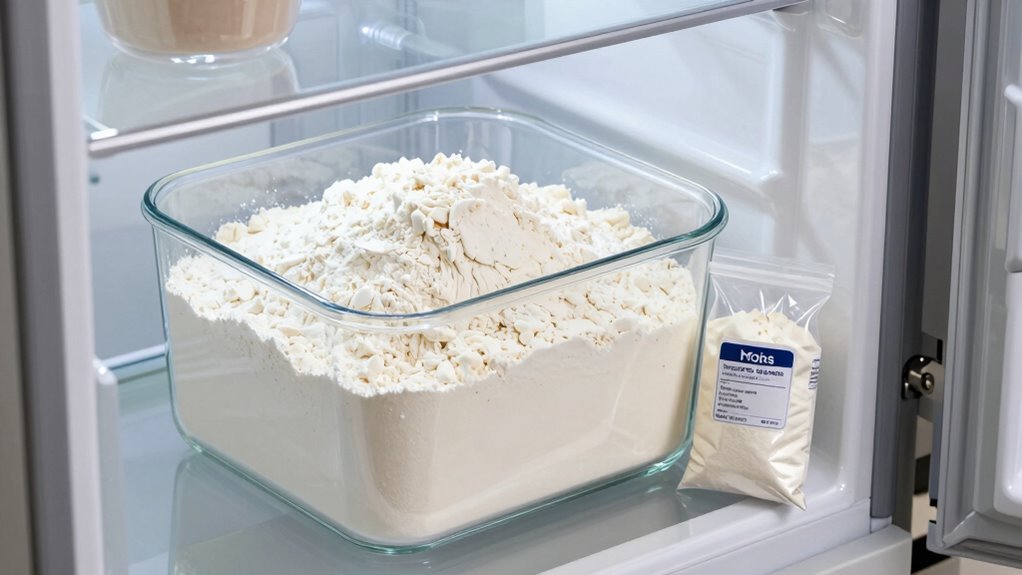
Freezing flour is a simple way to extend its shelf life and prevent pests from contaminating your supply. To do it properly, start by choosing airtight storage containers to prevent moisture and odors from seeping in. Place the flour in the containers, leaving some space for expansion. Label and date each container before freezing. When you’re ready to use it, consider your preferred thawing methods—either leave it at room temperature for a few hours or use a microwave’s defrost setting for quick use. Keep in mind, proper storage ensures freshness and prevents clumping. Here’s a quick overview:
| Step | Action | Tips |
|---|---|---|
| Choose containers | Use airtight, moisture-proof containers | Avoid flimsy bags |
| Fill and label | Fill containers, label with date | Use permanent marker |
| Freeze | Place in freezer | Keep away from strong odors |
| Thawing methods | Room temp or microwave defrost | Use as needed |
Common Mistakes to Avoid When Freezing Flour
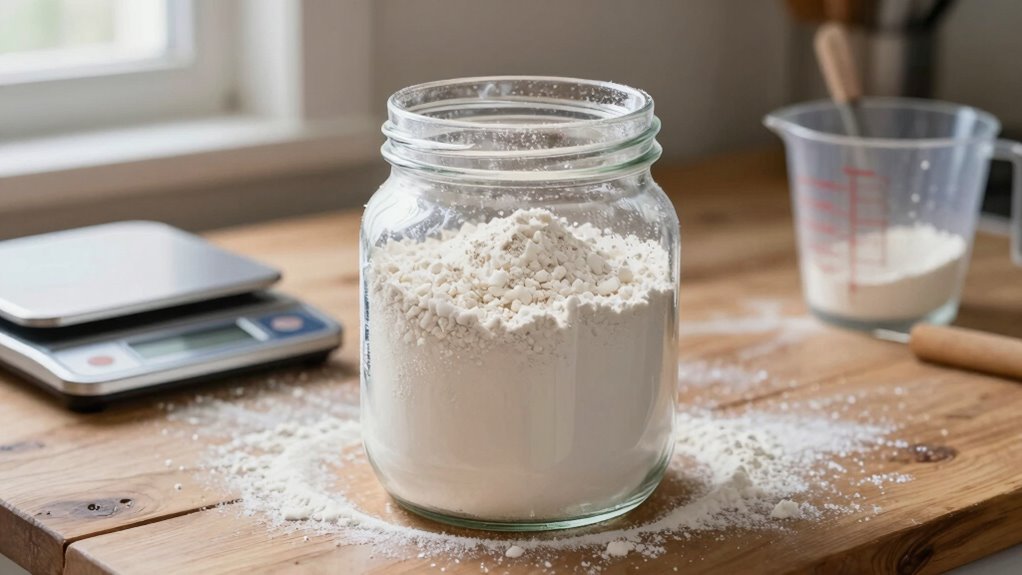
To guarantee your flour stays fresh and pest-free, it’s important to avoid common mistakes that can compromise its quality during freezing. First, never store flour in non-airtight storage containers, which can expose it to moisture and pests. Second, avoid freezing flour in large, unportionated amounts; smaller portions make thawing easier. Third, don’t forget to label your storage containers with the date to track freshness. Fourth, avoid improper thawing methods—always thaw flour gradually in the fridge or at room temperature, avoiding heat sources that can spoil it. These mistakes can lead to clumping, spoilage, or pest infestation, reducing flour’s usefulness. Proper storage containers and careful thawing methods help maintain flour’s quality and extend its shelf life effectively. Additionally, understanding family photoshoot fails can help you prepare better for capturing memorable moments with loved ones. Being aware of Gold IRA markets can also help you make informed investment decisions to secure your financial future. To further protect your flour, consider learning about proper storage techniques to optimize freezing preservation.
Pros and Cons of Freezing Flour: Is It Worth It?
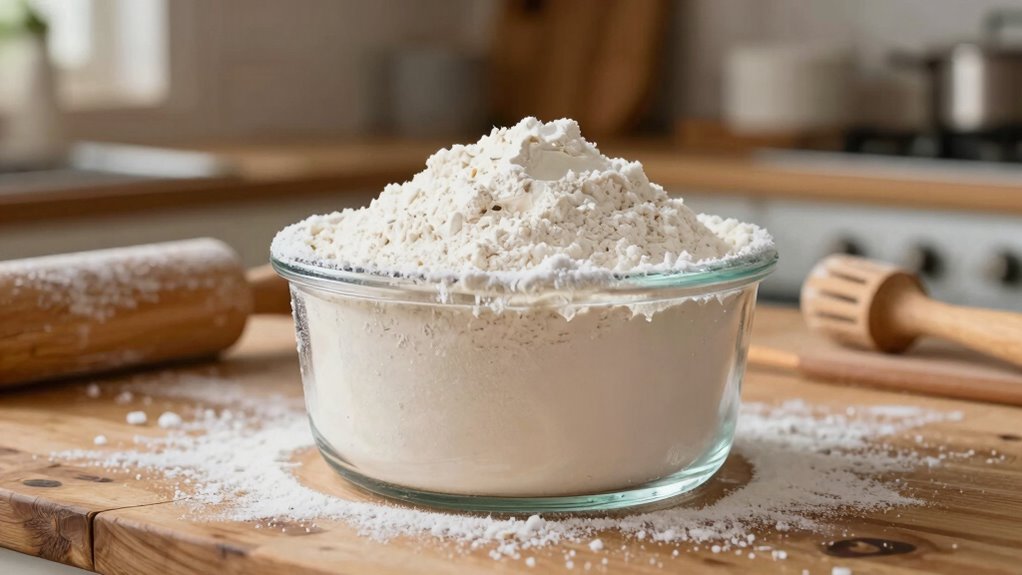
Are the benefits of freezing flour worth the potential drawbacks? Freezing can extend storage duration, keeping your flour fresh for months. It also prevents pests and mold, saving you money and hassle. However, some packaging techniques are essential; if you don’t seal the flour properly, it can absorb odors or develop freezer burn. Freezing may alter the flour’s texture slightly, which might affect baking results, especially for delicate recipes. Proper storage methods are crucial to maintain quality. On the flip side, it’s convenient for long-term storage, especially if you buy in bulk. But if you plan to use the flour quickly, freezing may be unnecessary. Ultimately, freezing is worthwhile if you follow proper packaging techniques and want to maximize shelf life, especially for whole grain or organic flours that spoil faster.
Frequently Asked Questions
How Long Can I Store Frozen Flour Without Quality Loss?
You can store frozen flour for up to 6-8 months without significant quality loss. To guarantee ideal storage duration and quality preservation, keep it in an airtight container or resealable bag, removing excess air. Avoid frequent temperature fluctuations by keeping it consistently frozen. After this period, flour might start to lose freshness, affecting flavor and baking performance, so it’s best to use it within the recommended timeframe.
Does Freezing Flour Affect Its Nutritional Value?
Think of freezing flour as hitting pause on a busy train—your flour’s nutritional stability stays intact, preventing nutrient degradation. Freezing doesn’t harm its vitamins or minerals, so your flour retains its nutritional value. It’s like preserving a snapshot in time. When you thaw it out, it’s still just as nutritious as before, so you can enjoy baking with confidence, knowing your flour’s nutrients remain preserved during freezing.
Can I Freeze Different Types of Gluten-Free Flours?
Yes, you can freeze different types of gluten-free flours to extend their shelf life and preserve freshness. Freezing helps maintain their gluten-free flour shelf life and prevents spoilage. Keep in mind, some gluten-free flours may develop slightly different textures after freezing, but this usually doesn’t affect baking quality. Just store them in airtight containers or freezer bags to prevent moisture and odors from affecting their textures.
Should I Thaw Flour Before Using It in Recipes?
Yes, you should thaw flour before using it in recipes. To do this, transfer it from the freezer to your fridge and let it sit overnight, or use a quick thawing technique by placing it in a warm, dry spot for a few hours. Proper storage tips include keeping flour in an airtight container to prevent moisture and pests. Thawing guarantees accurate measurements and ideal texture in your baked goods.
How Do I Prevent Freezer Burn on Flour?
To prevent freezer burn on flour, store it in airtight containers to keep moisture out. You should also add a desiccant packet or use vacuum sealing for extra moisture control. Keep the container in a cold, consistent spot in your freezer, and avoid frequent opening to maintain quality. Properly sealed and moisture-controlled storage guarantees your flour stays fresh and free from freezer burn longer.
Conclusion
Freezing flour can preserve freshness, prevent pests, and extend shelf life, but only if you follow the proper steps and know when it’s beneficial. It’s about protecting your baking, preserving your pantry, and safeguarding your ingredients. When you freeze correctly, you lock in quality; when you don’t, you risk clumping, odors, or spoilage. By understanding the signs, methods, and mistakes, you ensure your flour remains fresh, reliable, and ready—like a well-kept secret waiting to transform your baking dreams into reality.