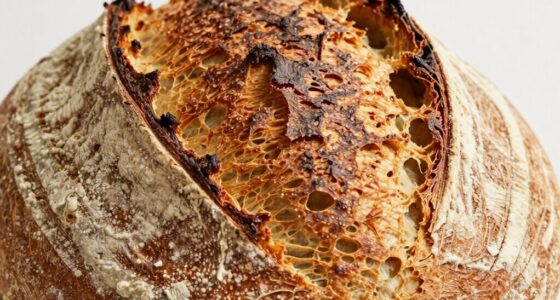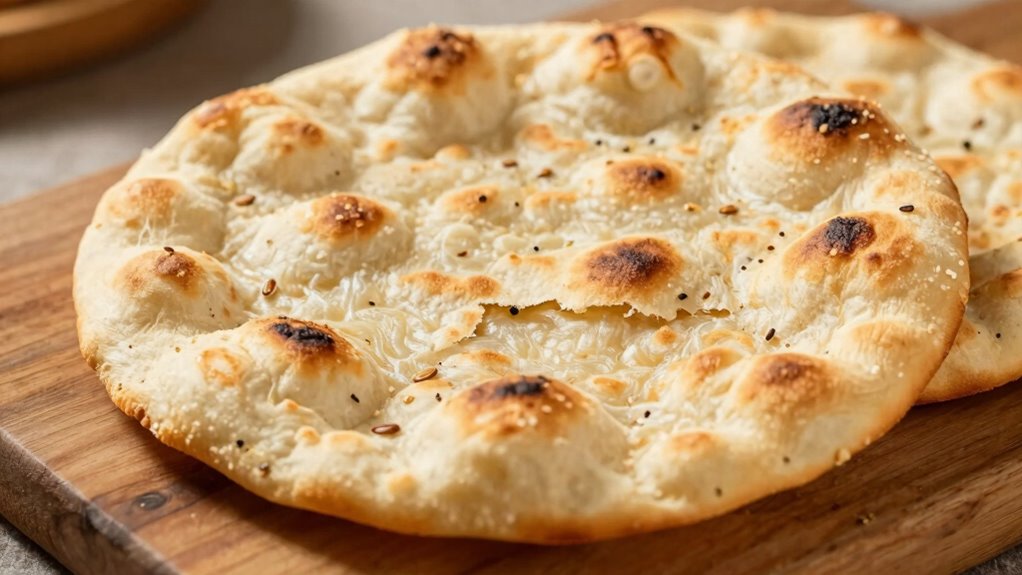

Gluten-free flatbreads need binding agents because, without gluten, the dough lacks elasticity and structure, making it prone to crumbling or becoming dense. Binding ingredients like xanthan gum, flaxseed, or chia seeds mimic gluten’s ability to hold the dough together during baking. These agents improve flexibility, stability, and texture. If you want to know how to choose and use the best binders for perfect flatbreads, keep exploring for practical tips and tricks.

Get kitchen staples and gadgets delivered free with Prime
- Fast, free delivery on millions of items
- Prime Video, Amazon Music and more included
- Member-only deals all year
Key Takeaways
- Gluten provides natural elasticity and structure, which gluten-free dough lacks, making binding agents essential for stability.
- Without binders, gluten-free flatbreads tend to crumble or become dense due to the absence of gluten’s cohesive properties.
- Binding agents like xanthan gum or flaxseed gel mimic gluten’s role, helping dough hold together during shaping and baking.
- Proper binding improves dough elasticity, preventing tearing and ensuring a cohesive, well-formed flatbread.
- Using effective binders enhances final texture, resilience, and prevents collapse or brittleness in gluten-free flatbreads.
xanthan gum for gluten-free baking
As an affiliate, we earn on qualifying purchases.
As an affiliate, we earn on qualifying purchases.
Why Do Gluten-Free Flatbreads Need Binding Agents?
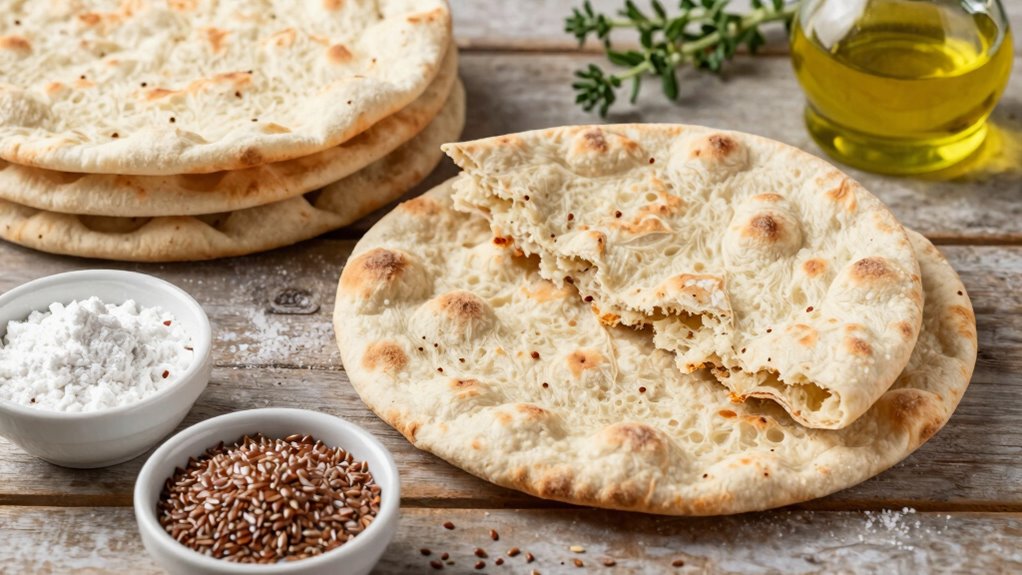
Because gluten provides natural elasticity and structure in traditional bread, gluten-free flatbreads often lack these qualities. Without gluten, your dough won’t develop the same gluten structure or dough elasticity, making it difficult to hold together and shape. This can result in flatbreads that are crumbly or dense instead of soft and pliable. To compensate, you need binding agents like xanthan gum, guar gum, or flaxseed meal. These additives mimic gluten’s role by helping your dough stretch and retain its shape during baking. They improve dough elasticity, giving your flatbread a better texture and structure. Without binding agents, your flatbread might fall apart or be too fragile, so incorporating them is essential for achieving the right consistency and stability.
As an affiliate, we earn on qualifying purchases.
How Gluten Normally Keeps Flatbreads Together and What Changes Without It
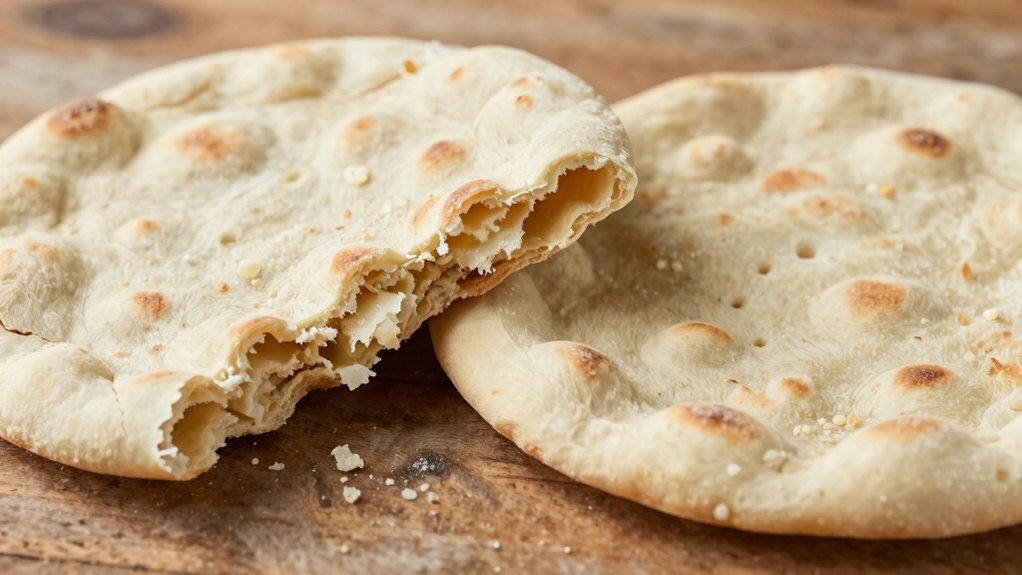
Gluten naturally acts as the building block that holds flatbreads together, giving the dough its stretch and resilience. Its gluten elasticity allows the dough to stretch without tearing, creating a flexible dough structure that traps air and moisture. This elasticity helps flatbreads maintain their shape during baking, resulting in a tender yet sturdy product. Without gluten, the dough loses its ability to stretch and bind cohesively, leading to crumbling or tearing. The dough structure becomes fragile, making it difficult to roll out or handle. You’ll notice that the flatbread may be dense, dry, or prone to breaking. In essence, gluten’s unique properties are essential for creating the right texture and integrity in traditional flatbreads.
As an affiliate, we earn on qualifying purchases.
The Top Binding Ingredients for Gluten-Free Flatbreads
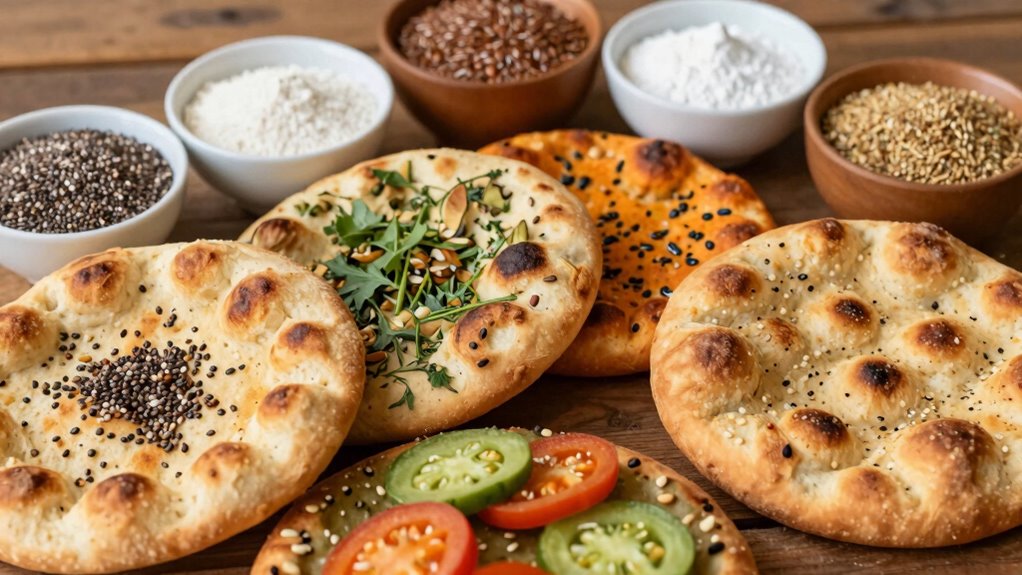
Eggs are a common binder that help hold gluten-free flatbreads together, giving them structure and moisture. Xanthan gum also plays a vital role by mimicking gluten’s sticky properties, ensuring your bread doesn’t fall apart. Understanding how these ingredients work can help you create more stable and delicious flatbreads. Additionally, incorporating net worth estimates can guide you in choosing quality ingredients within your budget. For best results, consider ingredient functionality, which influences both texture and stability in your baked goods.
Egg as a Binder
When it comes to binding gluten-free flatbreads, eggs stand out as a reliable and versatile ingredient. Egg as binder helps improve the structure and elasticity of the dough, making it easier to handle and shape. During binding in baking, eggs create a cohesive mixture that holds ingredients together, preventing crumbling or falling apart. Their natural proteins and fats provide moisture and stability, which are especially important in gluten-free recipes lacking the structure gluten provides. Eggs also contribute to a tender crumb and a slightly richer flavor. You’ll find eggs are an effective way to add strength and flexibility to your flatbread dough while ensuring it stays intact during baking. Their natural binding ability makes eggs a go-to ingredient for achieving the desired texture and consistency.
Xanthan Gum’s Role
Xanthan gum acts as a powerful binder in gluten-free flatbreads, compensating for the lack of gluten’s natural structure. It enhances the binding chemistry, helping ingredients stick together and create a cohesive dough. Without gluten, the gluten structure is weak, leading to crumbling or flat textures. Xanthan gum mimics gluten’s elasticity and stretch, giving your flatbread better rise and chewiness. Here’s a quick comparison:
| Ingredient | Role in Binding | Effect on Gluten Structure |
|---|---|---|
| Egg | Coagulates to hold ingredients | Adds firmness and moisture |
| Xanthan Gum | Forms a viscous network | Mimics gluten’s elasticity |
| Psyllium Husk | Creates gel-like consistency | Improves dough elasticity |
This table highlights how xanthan gum’s binding chemistry stabilizes gluten-free dough, making your flatbreads more resilient. Additionally, understanding binding chemistry helps optimize texture and structure in gluten-free baking.
best egg replacer for flatbreads
As an affiliate, we earn on qualifying purchases.
As an affiliate, we earn on qualifying purchases.
How to Choose the Best Binding Agents for Your Flatbread
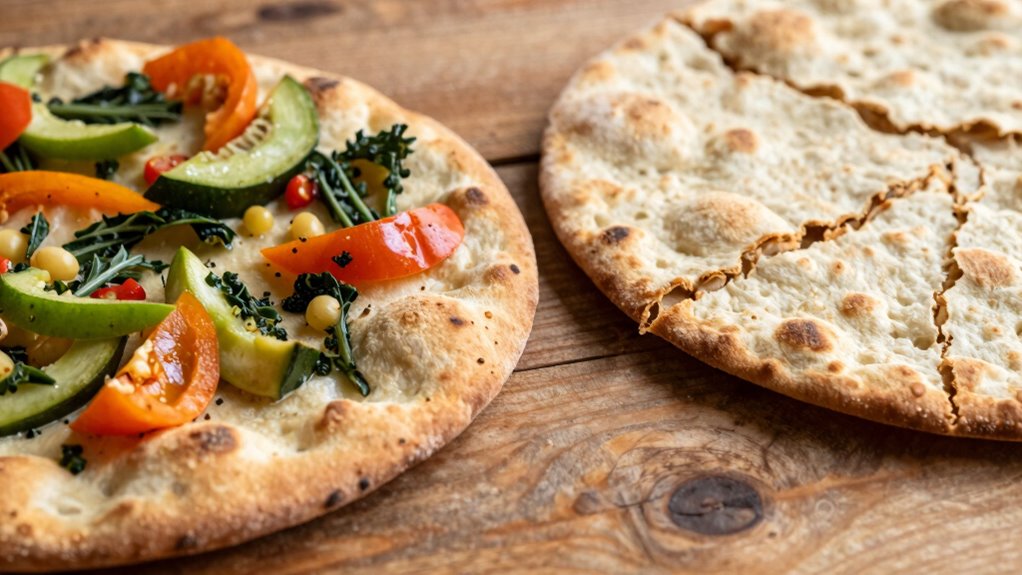
Choosing the right binding agent is essential for creating a gluten-free flatbread that holds together well and has a satisfying texture. Look for options that improve dough elasticity, making your flatbread easier to shape and less prone to crumbling. Some binders, like eggs or flaxseed, also contribute to flavor enhancement, adding subtle depth without overpowering your dough. Consider the ingredients’ impact on taste and how they interact with your flour blend. If you want a neutral flavor, options like xanthan gum or guar gum work well. For a more natural approach, chia seeds or psyllium husk are excellent choices, offering elasticity and a mild flavor. Selecting the best binder depends on balancing dough structure, flavor, and your dietary preferences. Understanding hydraulics can also help optimize dough consistency and handling, ensuring better dough cohesion and workability. Additionally, knowing how different binding agents interact with moisture can help you achieve a more consistent and resilient dough. Paying attention to dough elasticity can significantly improve your flatbread’s texture and ease of shaping, making the baking process more enjoyable. Incorporating ear wax odor concepts, such as managing moisture and hygiene, can even influence the freshness and quality of your ingredients, leading to better overall results.
Incorporating Bindings Without Changing Flavor or Texture
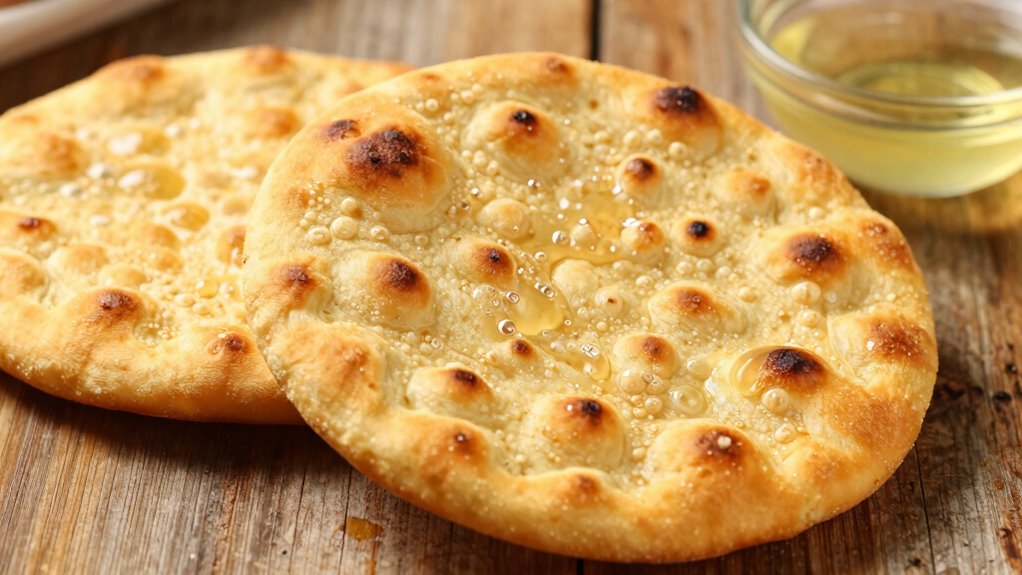
To incorporate binding agents into your gluten-free flatbread without altering its flavor or texture, focus on small, precise amounts that complement your existing ingredients. Using minimal quantities helps promote gluten development without overwhelming the dough’s natural taste. For flavor preservation, choose neutral binders like xanthan gum or chia seeds, which blend seamlessly without adding unwanted flavors. Incorporate these agents gradually, mixing thoroughly to evenly distribute them throughout the dough. This careful approach ensures your flatbread remains tender and flavorful while gaining the necessary structure. Additionally, understanding proper dough handling techniques can help you maintain the quality of your baked goods over time. Employing techniques such as consistent kneading and resting can enhance the dough’s elasticity and overall texture. Being aware of cookie categories and their specific purposes can guide you in selecting the right binding agents for your recipe. Moreover, a good understanding of sound vibrations and their influence on cellular regeneration can inspire innovative ways to improve dough fermentation and texture. By balancing the amount and type of binder, you prevent any change in texture or taste, letting your ingredients shine. The result is a well-bound flatbread that’s both enjoyable and true to its original flavor profile.
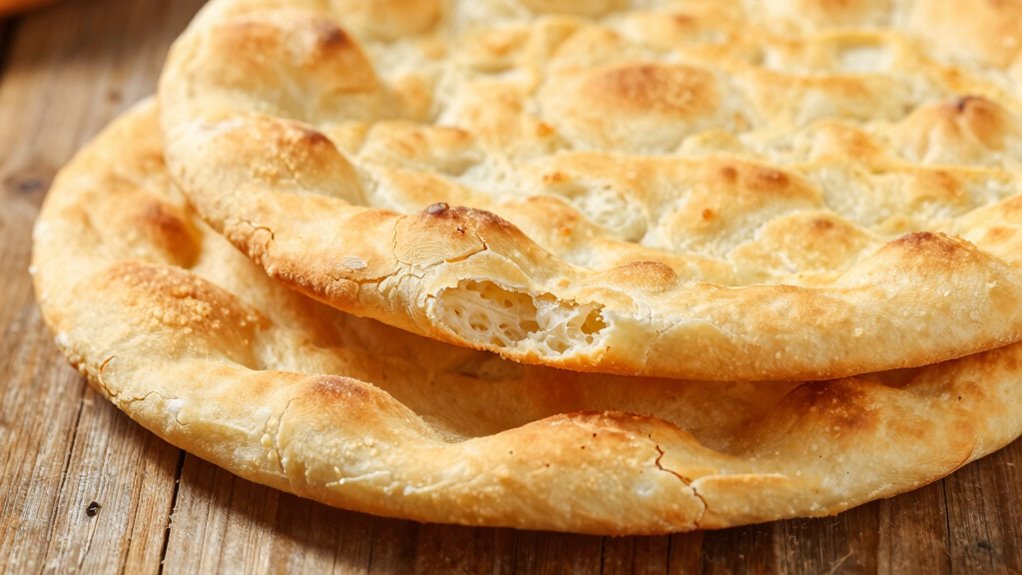
If your gluten-free flatbread keeps crumbling or collapsing, it’s often due to insufficient structure or improper baking techniques. Make sure your baking equipment is clean and free from gluten cross contamination, which can weaken the dough’s integrity. Using contaminated tools or surfaces might introduce unwanted gluten, affecting how your flatbread holds together. Also, check your oven temperature—baking at too low a heat can cause collapse, while too high can dry out the bread, making it brittle. Properly measuring ingredients and ensuring even mixing helps create a sturdy dough. Additionally, avoid overworking the dough, which can break down its structure. Ensuring your workspace and tools are clean and gluten-free can further improve the flatbread’s cohesiveness. Being aware of dough stability techniques—such as using binders like xanthan gum—can also make a significant difference. Incorporating flour blends designed for binding can enhance the dough’s ability to hold together during baking. It’s also helpful to use appropriate flours that provide better binding properties. These steps will help prevent crumbling or collapsing, ensuring your flatbread turns out firm and cohesive.
Natural and Alternative Binding Options for Gluten-Free Flatbreads
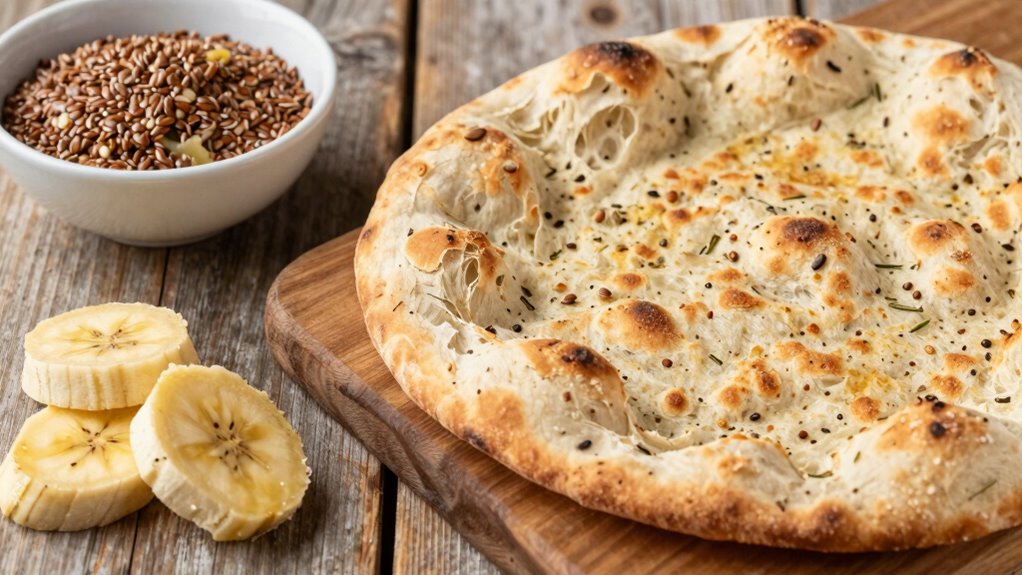
To improve your gluten-free flatbreads, consider using natural thickening agents like chia or flaxseed gels. These alternatives help bind the dough without added chemicals and enhance texture. Exploring innovative binding options can make your flatbreads more resilient and flavorful. Additionally, incorporating essential oils such as peppermint oil can add subtle flavor notes and potentially improve the dough’s elasticity. Incorporating natural thickening agents supports healthier recipes and aligns with green-chemistry principles, emphasizing sustainable food practices. Using versatile binding methods can further improve the overall quality and adaptability of your gluten-free flatbreads. Moreover, understanding the maintenance costs involved in traditional binding solutions can help you choose options that are both effective and cost-efficient.
Natural Thickening Agents
Natural thickening agents are essential for binding gluten-free flatbreads without relying on traditional wheat gluten. They help promote gluten development, which improves dough elasticity and structure. Common options include chia seeds, flaxseeds, and psyllium husk, which absorb water and swell, creating a sticky, glue-like consistency. These agents mimic gluten’s binding properties, providing elasticity and strength to the dough. You simply mix them with water and let them sit until they form a gel, then incorporate into your recipe. This process enhances the dough’s cohesiveness, making it easier to shape and cook evenly. gluten development is crucial for achieving a desirable texture in gluten-free baked goods. Natural thickening agents not only improve texture but also add nutritional benefits, making your flatbreads more wholesome and satisfying. Free floating techniques can also be used to optimize dough consistency and handling.
Innovative Binding Alternatives
When traditional gluten isn’t an option, exploring innovative binding alternatives can elevate your gluten-free flatbreads. Plant-based proteins, like lentil or pea protein, serve as excellent natural binders that add structure and moisture. Fermentation techniques also offer a unique solution; fermenting grains or legumes can develop natural gums and proteins that improve dough cohesion. These methods enhance the dough’s elasticity without relying on conventional binders. Using plant-based proteins not only boosts nutritional value but also creates a firmer, more resilient flatbread. Meanwhile, fermentation fosters beneficial microbes that break down complex carbs, improving digestibility and flavor. By combining these innovative approaches, you can craft gluten-free flatbreads with better texture, flavor, and nutritional profiles—without sacrificing the integrity of your baked goods.
Frequently Asked Questions
Can Binding Agents Affect the Nutritional Value of Gluten-Free Flatbreads?
Binding agents can affect the nutritional impact of your gluten-free flatbreads, as they often add extra ingredients that increase calorie or carbohydrate content. While they help with ingredient complexity, you should consider their nutritional value, since some may contain added sugars or additives. Choosing natural binders like chia or flaxseed can minimize nutritional impacts, ensuring your flatbreads remain wholesome without compromising taste or texture.
Are There Any Allergies Associated With Common Gluten-Free Binding Ingredients?
Yes, some gluten-free binding ingredients can cause allergy concerns. For example, xanthan gum may trigger sensitivities in people with corn or soy allergies, while nuts or seeds used in certain binders can pose risks for those with nut allergies. Always check ingredient safety labels and be aware of potential allergy concerns to guarantee your flatbreads are safe for everyone. Consulting allergen information helps you avoid unintended allergic reactions.
How Long Do Gluten-Free Flatbreads With Binding Agents Stay Fresh?
Your gluten-free flatbreads with binding agents stay fresh for about 1 to 2 days at room temperature. To extend their shelf life, store them in an airtight container or wrap them tightly with plastic wrap. For longer freshness, refrigerate for up to 4 days or freeze for several weeks. Remember to reheat or refresh them before eating to keep their texture and flavor enjoyable.
Can Binding Agents Be Omitted if Using Alternative Gluten-Free Flours?
Think of it like a magic trick—you might not see the binding agents, but they’re essential. When using alternative flours, omitting binding agents often leads to crumbling or dough that won’t hold together. While some flours have natural binding qualities, most still benefit from added agents. The binding necessity varies, but for reliable, sturdy flatbreads, including a binding agent is usually the smarter choice.
What Are the Best Storage Methods for Gluten-Free Flatbreads With Natural Binders?
To store gluten-free flatbreads with natural binders, you should use airtight containers or resealable bags to keep them fresh. Keep them at room temperature for short-term preservation, but for longer storage, freeze them to prevent spoilage. Wrap each flatbread individually to prevent sticking and moisture loss. These storage techniques help maintain their texture and flavor, while following preservation tips guarantees they stay delicious and safe to eat over time.
Conclusion
Now that you know why binding agents are essential, you’re equipped to turn your gluten-free flatbreads from fragile paper-thin sheets into sturdy, delicious creations. Think of binders as the glue that holds everything together, keeping your bread from falling apart like a house of cards. With the right ingredients and techniques, you’ll master perfect flatbreads that stay intact and taste amazing—proof that even without gluten, you can craft bread that’s both beautiful and reliable.
Halloween Picks
halloween
As an affiliate, we earn on qualifying purchases.