Knowing whether you have tamarind concentrate, pulp, or paste is important because each varies in flavor intensity, preparation, and storage. Concentrate is highly concentrated and needs dilution, offering control over flavor. Pulp is natural and can be used directly or dissolved, while paste is ready to use and saves time. Choosing the right form impacts your cooking process and results. Keep exploring to find out which one suits your recipes best.
Key Takeaways
- Tamarind concentrate is highly concentrated, offering intense flavor with less product, ideal for bold dishes and requiring dilution before use.
- Pulp provides a natural texture and can be directly dissolved or blended into recipes, suitable for candies, sauces, and drinks.
- Paste is ready-to-use, convenient for quick cooking, and typically stored in jars or tubes, saving time in meal prep.
- Storage methods vary: pulp needs refrigeration or freezing; paste can be stored at room temperature unopened.
- Your choice depends on recipe needs, flavor control, convenience, and storage capabilities.
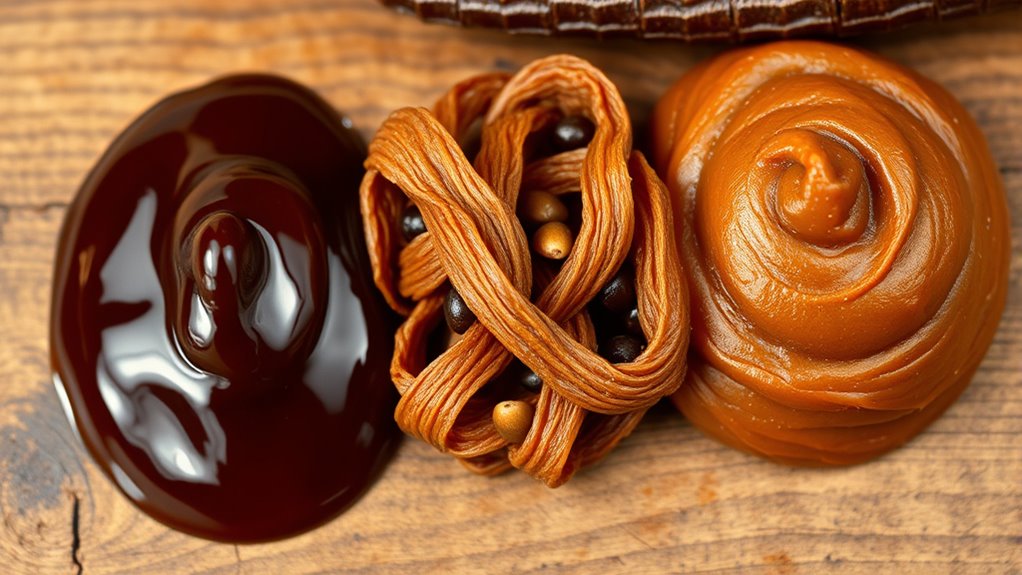
When choosing tamarind for your recipes, understanding the differences between concentrate, pulp, and paste can make a big impact on your cooking. Each form offers unique benefits that influence your cooking versatility and storage methods, so selecting the right one depends on your needs and the dish you’re preparing. Tamarind concentrate is highly concentrated, meaning a small amount packs a punch of flavor. It’s ideal for recipes requiring a bold, tangy kick, such as curries, sauces, or marinades. Because of its intense flavor, you typically need to dilute it with water or other liquids before use, which gives you more control over the final taste and consistency. This flexibility makes it a popular choice for more complex dishes or when you want to adjust the sourness on the fly.
Tamarind pulp is usually sold as a block or in frozen form. It’s made from the raw fruit and retains a more natural, less processed flavor. Pulp offers excellent cooking versatility because it can be easily broken down and incorporated into a wide variety of dishes. You can dissolve pulp directly in soups or stews or blend it into sauces. Its natural texture also means it’s suitable for making tamarind syrup or candies. When it comes to storage, pulp needs to be kept in the refrigerator once opened, especially if it’s fresh or frozen, to prevent spoilage. It generally lasts longer in the freezer, which is a convenient storage method if you don’t plan to use it immediately.
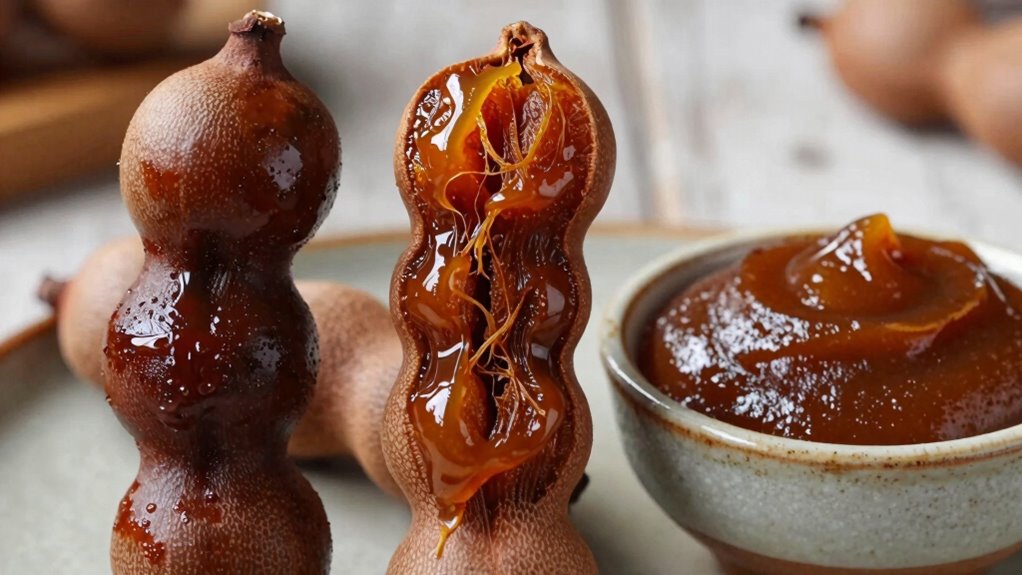
Tamarind paste is a smooth, ready-to-use product that’s convenient for quick cooking. It’s usually processed and blended into a thick, consistent paste, making it easy to measure and incorporate directly into recipes. Paste offers great cooking versatility because it simplifies preparations—no need to dilute or break down the fruit. You just scoop out what you need. As for storage, tamarind paste typically comes in jars or tubes, and it can be kept at room temperature if unopened. Once opened, it’s best to store it in the refrigerator to maintain freshness and prevent fermentation. The paste’s long shelf life and ease of use make it a favorite for busy cooks or those who want consistent results.

Thai Tamarind Concentrate – 16 oz jar
As an affiliate, we earn on qualifying purchases.
As an affiliate, we earn on qualifying purchases.
Frequently Asked Questions
Which Tamarind Form Is Best for Baking?
For baking, tamarind pulp is your best choice because it offers a balanced tamarind flavor and natural consistency. You can easily blend it into batters or sauces. Store it in an airtight container in the refrigerator to preserve freshness and prevent spoilage. Tamarind concentrate is too potent and may overpower your baked goods, while paste can be too thick. Use pulp for a smoother, more controlled flavor in your recipes.
How Long Do Tamarind Products Last Unopened?
Unopened tamarind products typically last for 1 to 2 years, depending on storage conditions. You should store them in a cool, dark place to maximize shelf life. Check the expiration date on the packaging for guidance, but if stored properly, they remain safe and flavorful for a long time. Always inspect for signs of spoilage before use, even if within the recommended storage duration.
Are There Health Benefits Unique to Each Form?
Did you know tamarind is rich in antioxidants, which can boost your immune system? Each form offers unique health benefits; for example, pulp contains more dietary fiber, aiding digestion, while concentrate provides concentrated nutrients. Nutritional differences vary, but all forms deliver vitamin C and antioxidants. Choosing the right one depends on your health goals, as each offers distinct benefits that can support your overall wellness.
Can I Substitute Paste for Pulp in Recipes?
Yes, you can substitute tamarind paste for pulp in recipes, but keep in mind that paste has a stronger tamarind flavor intensity. To achieve similar taste and consistency, start with a smaller amount of paste and adjust to your desired flavor. Substitution compatibility varies depending on the dish, so taste as you go. Using paste may also affect the texture slightly, but it’s a practical swap in most recipes.
Is Tamarind Concentrate More Cost-Effective Than Pulp?
Is tamarind concentrate more cost-effective than pulp? It often is, thanks to its intense flavor and concentrated form. You use less of it, which means a better cost comparison over time. Plus, its strong flavor lets you achieve the same punch in your dishes without buying large quantities. So, if you want to save money while maintaining flavor intensity, concentrate can be the smarter choice.

Thai Wet Tamarind Pulp Block Seedless Cock Brand 16 Oz.(Pack of 2)
100 % Tamarind pulp seedless, paste like
As an affiliate, we earn on qualifying purchases.
As an affiliate, we earn on qualifying purchases.
Conclusion
Choosing between tamarind concentrate, pulp, or paste isn’t just about preference—it’s about understanding each one’s role in your cooking journey. Like a well-crafted story, each form adds its unique flavor and character. So, next time you reach for tamarind, ask yourself: which version will turn your dish into a masterpiece? Remember, the right choice can transform simple ingredients into something extraordinary—it’s the secret ingredient waiting to be discovered.

Thai Taste Tamarind Paste 130g
As an affiliate, we earn on qualifying purchases.
As an affiliate, we earn on qualifying purchases.

Original Thai tamarind concentrate perfect for Pad Thai sauce, papaya salad dressing, peanut sauce or as a refreshing tamarind drink. No sugar added, gluten free, Pack of 1 (510 mL)
AUTHENTIC THAI FLAVOR: Immerse your Thai taste buds with our BHT tamarind concentrate. Ideal for Pad Thai, Crying…
As an affiliate, we earn on qualifying purchases.
As an affiliate, we earn on qualifying purchases.