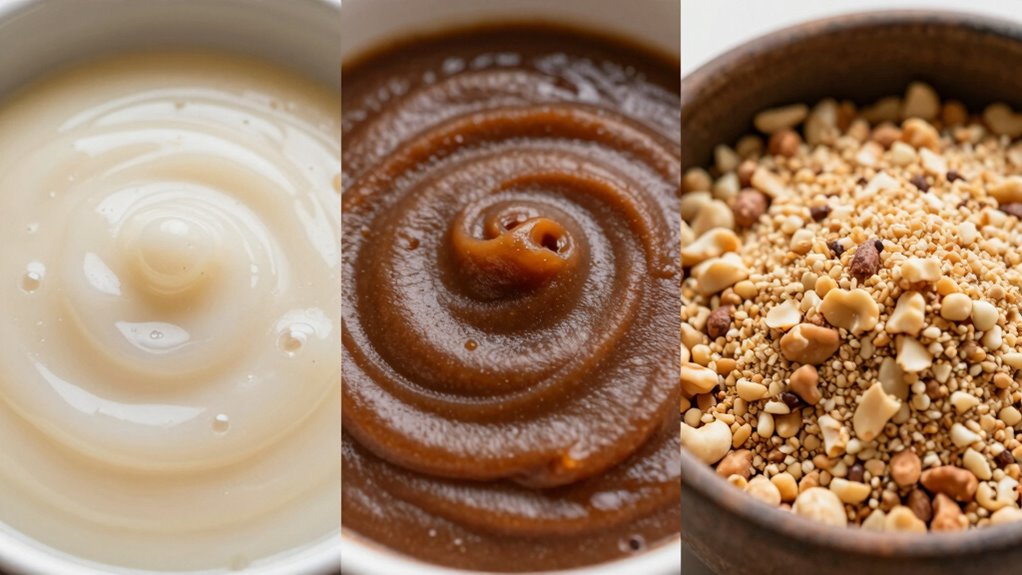

If you want a quick, neutral thickener, a starch slurry (like cornstarch or arrowroot blended with cold water) offers transparency and immediate results. A roux, made with cooked flour and fat, creates a rich, velvety, opaque sauce but takes more time to develop flavor. Ground nuts add natural creaminess and flavor, perfect for gluten-free or vegan dishes, though they give a heartier texture. Exploring these options helps you choose the best thickening method for your dish.

Get kitchen staples and gadgets delivered free with Prime
- Fast, free delivery on millions of items
- Prime Video, Amazon Music and more included
- Member-only deals all year
Key Takeaways
- Starch slurry provides quick, transparent thickening ideal for light sauces, while roux offers a richer, opaque texture with a longer cooking process.
- Ground nuts add natural creaminess and depth, functioning as a hearty thickener suitable for vegan and gluten-free dishes.
- Starch slurry is easy to control and adjust instantly; roux requires time to cook and develop flavor; ground nuts offer a more natural, less precise thickening.
- Starch slurry is gluten-free and neutral in flavor, perfect for Asian cuisines; roux is traditional in French cooking and may contain gluten; ground nuts are naturally vegan and gluten-free.
- Roux imparts a toasty flavor and velvety consistency; starch slurry enhances glossiness and clarity; ground nuts add nutty richness and body to dishes.
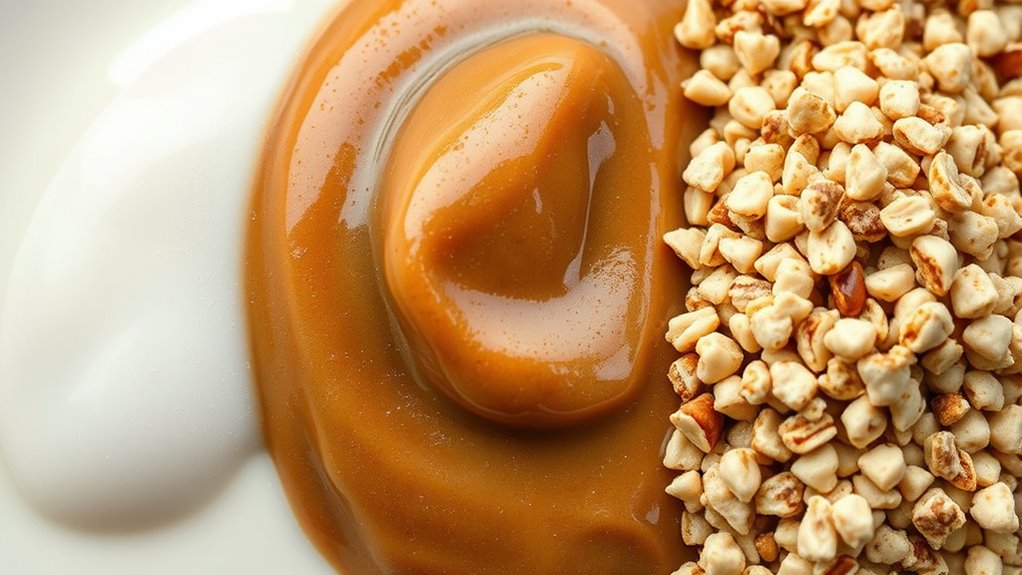
Thickening methods are essential techniques used to improve the consistency and texture of sauces, soups, and other culinary creations. When selecting a thickening method, you want options that suit your dietary needs and ingredient restrictions. For example, if you’re aiming for gluten-free options, traditional wheat-based thickeners like flour might not be suitable. Instead, you can explore alternatives such as starch slurry or ground nuts, which are naturally gluten-free and can also accommodate vegan substitutions. These options not only help you achieve the desired thickness but also keep your dishes accessible to a broader range of dietary preferences.
Choose gluten-free, vegan-friendly thickening options like starch slurry or ground nuts to suit dietary needs.
A starch slurry involves mixing a starch, like cornstarch or arrowroot powder, with cold water before adding it to your hot liquid. This method is quick, effective, and creates a glossy, smooth texture. It’s particularly popular in Asian cuisine and works well for thickening soups and sauces without adding extra flavor. Plus, it’s a versatile choice for vegan substitutions, as many starches are plant-based and free from animal products. If you’re avoiding gluten, make sure to choose gluten-free starches like cornstarch or arrowroot. Using a slurry allows you to control the thickness precisely—you can add more if needed, and it thickens almost immediately upon heating. This method is excellent when you want a light, clear consistency, and it doesn’t alter the flavor of your dish markedly.
Ground nuts, such as cashews or almonds, are another effective thickening technique that works well in vegan recipes. When blended into a creamy paste, ground nuts add richness and a natural thickness to sauces, soups, and stews. This approach is especially popular in plant-based cooking, providing a nutty flavor that enhances the dish’s depth. Ground nuts are also naturally gluten-free, making them an excellent choice for gluten-free options. To use ground nuts as a thickener, soak them briefly to soften, then blend into a smooth paste before stirring into your dish. This method is ideal for creating hearty, creamy textures, especially in vegan and gluten-free recipes, where traditional thickeners like flour or roux aren’t suitable. While ground nuts may alter the flavor slightly, they often add a pleasant nuttiness that complements many dishes.
A roux, made from equal parts fat and flour, is a classic thickening agent but isn’t always the best choice for gluten-free or vegan options unless you use gluten-free flour blends or plant-based fats like coconut oil. Roux provides a rich, velvety consistency but can be time-consuming to prepare. If you’re seeking a quick, dietary-friendly alternative, starch slurry or ground nuts are preferable. Each method has its unique qualities, with slurry offering quick clarity and smoothness, and ground nuts providing richness and depth. Ultimately, your choice depends on the dish’s flavor profile, texture, and dietary requirements.
cornstarch for thickening sauces
As an affiliate, we earn on qualifying purchases.
As an affiliate, we earn on qualifying purchases.
Frequently Asked Questions
Can I Substitute One Thickening Method for Another in Recipes?
Yes, you can substitute one thickening method for another in recipes, but keep in mind it influences recipe flexibility. For example, using a starch slurry instead of a roux may change texture, and ground nuts might alter flavor and consistency. Be aware of these differences to ensure your dish turns out well. Experimenting with thickening substitutions can add variety, but always consider how each method impacts taste and appearance.
Which Thickening Method Is Best for Dairy-Based Sauces?
Think of dairy-based sauces as delicate dancers needing gentle support. A roux is your best choice because it’s dairy-compatible and preserves flavor, creating a smooth, rich texture without curdling. Ground nuts add flavor but may alter taste, while starch slurry can sometimes cause cloudiness or affect dairy’s natural creaminess. For a silky, well-balanced sauce, stick with a roux to keep things harmonious.
How Do Thickening Methods Affect the Flavor of Dishes?
Thickening methods influence your dish’s flavor by either enhancing or altering its taste. For example, a roux adds a toasted, nutty flavor that boosts richness, while starch slurries keep flavors neutral, allowing your ingredients’ natural tastes to shine. Ground nuts contribute a subtle, earthy richness, impacting flavor enhancement. Your choice affects the overall taste, so consider how each method complements or changes your dish’s intended flavor profile.
Are There Any Health Considerations for Using Ground Nuts as a Thickener?
Using ground nuts as a thickener can pose health considerations, especially if you have nut allergy risks, which could cause severe reactions. Additionally, ground nuts are calorie-dense, so consuming them in large amounts might impact your overall calorie intake. Be mindful of these factors, and consider your dietary restrictions and health goals before choosing ground nuts as a thickening method. Always check for allergies and portion sizes.
How Do Thickening Methods Impact the Nutritional Content of a Dish?
Did you know that adding ground nuts can boost a dish’s protein and healthy fat content, impacting its nutritional profile? Different thickening methods markedly affect nutritional content and dietary considerations. For example, a roux adds calories from fats, while a starch slurry offers a lighter option. Your choice influences not only texture but also health benefits, so consider your dietary goals when selecting a thickening method.
As an affiliate, we earn on qualifying purchases.
Conclusion
When it comes to thickening your dishes, choosing between starch slurry, roux, or ground nuts depends on your desired texture and flavor. Each method has its own strengths, but don’t underestimate the power of a good thickening technique—you’re wielding the magic to transform a watery mess into a luscious masterpiece. Experiment, find what works best for you, and watch your culinary creations turn into culinary legends. After all, in the kitchen, your thickening game is only limited by your imagination!
As an affiliate, we earn on qualifying purchases.
As an affiliate, we earn on qualifying purchases.
Halloween Picks
halloween
As an affiliate, we earn on qualifying purchases.