
TL;DR
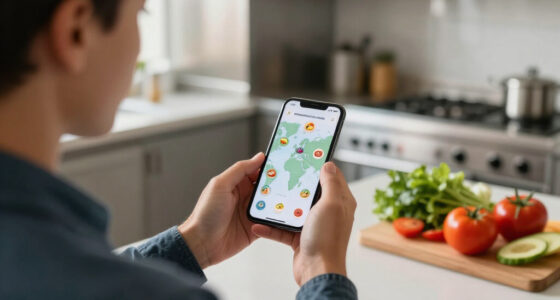
The Kitchn published a state-by-state map of grocery stores it identified as popular, using Google search interest, Yelp metrics, and input from its Instagram followers and staff. The outlet says the process was not scientific, and the supplied report does not include the complete state-by-state results or a consistent measure of popularity.
The Kitchn has published a state-by-state map of popular grocery stores, drawing on Google searches, Yelp engagement data, and input from its Instagram followers and staff. The food and home publication describes the project as an attempt to identify grocery chains people favor in each state, but says its method was not scientific.

Get kitchen staples and gadgets delivered free with Prime
- Fast, free delivery on millions of items
- Prime Video, Amazon Music and more included
- Member-only deals all year
Assistant Editor Alexandra Foster writes that the publication began by checking the most-searched grocery store in each state on Google. The report then incorporated Yelp data that the company collected specifically for The Kitchn. According to the article, Yelp considered measures of consumer interest including page views, photos, reviews, and ratings.
The Kitchn also asked its Instagram followers and staff to weigh in on stores that it felt needed special consideration. That means the map combines different kinds of evidence rather than relying on one common, state-by-state survey or a single numerical ranking. The supplied source does not include the map’s individual state selections, the underlying figures, or details about how each source was weighted.
The publication’s framing is popularity, not an independently verified verdict on which stores offer the best prices, products, or shopping experience. Foster says regional differences and store strengths such as snacks, fresh produce, and affordability can influence where people shop. The article does not establish that any particular chain leads in all of those categories.
How the Map Measures Local Favorites
The map offers readers a snapshot of how grocery preferences may differ by state, and it may help shoppers recognize regional chains and local favorites beyond the national brands they already know. It also reflects several kinds of consumer interest: online searches, activity on Yelp listings, and opinions shared directly with The Kitchn.
Those measures do not all mean the same thing. Search volume can show what people look for, while Yelp activity reflects engagement with business listings and reviews. Staff and social-media input adds editorial judgment. Because the report combines these signals and calls the method non-scientific, its map is best read as a curated popularity roundup, not a definitive ranking or a measure of sales, market share, customer satisfaction, or value.
That distinction matters to readers deciding where to shop. A store that attracts considerable online attention may not be the closest, least expensive, or best fit for a particular household. The report points to differences in what shoppers value, but the source material provided here does not supply comparative prices, product tests, or evidence about store performance.
Products Worth Considering

Ninja CREAMi 7-in-1 Ice Cream Maker, NC301

Le Creuset Stainless Steel Roasting Pan with Nonstick Rack, 16.25 x 13.25

Weber Q 1400 Portable Electric Grill, Gray
As an affiliate, we earn on qualifying purchases.
Searches, Yelp and Reader Input
The Kitchn presents grocery shopping as a routine shared by consumers but says store preferences vary with region and culture. It identifies several reasons shoppers might favor a chain, including snacks, produce, and prices. The project was designed to compare those local preferences across the country rather than to test a single product or service.
In the account supplied, the process moved from Google searches to Yelp’s hand-collected data, then to Instagram followers and staff for additional input. The article does not describe a representative poll, explain how many people responded, or provide a detailed formula for combining those inputs. Its own caveat—that the work was not scientific—is central to interpreting the result.
The Kitchn also notes that it independently selects products and may earn a commission if readers buy through links. That disclosure concerns the publication’s product recommendations; the supplied account does not say that the grocery-store map itself contains paid placements or that a chain paid to be selected.
“To be clear, we pulled and analyzed data from a variety of sources, but we were by no means scientific.”
— Alexandra Foster, assistant editor at The Kitchn
What the State Results Establish
The source material provided does not list the selected store for each state or give state-level search counts, Yelp scores, review totals, or ratings. It is therefore not possible from this account alone to check the map’s individual entries or compare how strongly one store ranked against another.
The article also does not specify the time period covered by Google or Yelp data, the number of Instagram responses, how staff suggestions were handled, or how the different inputs were weighted. It remains unclear whether “most popular” refers mainly to search interest, Yelp engagement, editorial selection, or a combination that varied by state. No sales or market-share data are cited in the supplied material.
Checking the Map’s State Picks
The next step for readers seeking the full result is to consult The Kitchn’s original article and map, which contains the state-by-state selections. To evaluate those choices beyond the headline, readers would need the outlet’s underlying figures and a fuller explanation of how it combined searches, Yelp activity, and personal input.
The source material does not announce a follow-up study, a planned update, or a response from the grocery chains named in the map. Until additional methodology or data is published, the list should be treated as a non-scientific editorial roundup, rather than a formal ranking of every state’s grocery market.
Key Questions
How did The Kitchn choose a grocery store for each state?
The Kitchn says it used Google search interest, Yelp data covering page views, photos, reviews, and ratings, and input from its Instagram followers and staff.
Is the map a scientific ranking?
No. The Kitchn’s assistant editor says the project was not scientific. The report combines several sources and does not provide a single standardized score in the supplied material.
Does the map identify the cheapest grocery store in each state?
Not based on the supplied account. The Kitchn mentions affordability as one reason shoppers may favor a store, but it does not describe a price comparison or identify the lowest-cost chain in each state.
Where can readers find the individual state selections?
The Kitchn’s original report is the cited source for the map. The source material here describes the method but does not reproduce the state-by-state list.
Source: thekitchn.com