
I find the best Diwali dessert cookbook overall in The Book of Indian Sweets, a strong starting point for readers seeking a broad traditional sweets collection. Indian Desserts Cookbook stands out for classic mithai, while Beginner Diwali Burfi Recipes offers a narrower route for cooks who want to focus on one festive sweet. The main tradeoff is breadth versus focus: traditional collections cover more kinds of mithai, while compact or beginner-led books may be easier to use for a specific celebration but less varied. Modern baking titles take Indian flavors into cakes and other Western-style desserts, rather than concentrating on classic festival sweets. Read on for the full breakdown and a guide to choosing the right fit for your Diwali menu.

Get kitchen staples and gadgets delivered free with Prime
- Fast, free delivery on millions of items
- Prime Video, Amazon Music and more included
- Member-only deals all year
Key Takeaways
- The Book of Indian Sweets earns the overall lead because a broad traditional sweets focus suits more Diwali menus than a single-sweet guide or a general festival book.
- Indian Desserts Cookbook and Mithai: A Collection of Traditional Indian Sweets represent the strongest traditional-mithai lane; compare their recipe scope and format before choosing between them.
- Beginner Diwali Burfi Recipes is purposefully narrow, making it a better match for a first burfi project than a reader seeking a complete dessert collection.
- Desi Bakes and Milk & Cardamom shift toward cakes, custards, and Indian-inspired baking, so they suit modern dessert tables more than readers seeking only classic mithai.
- Celebrate Diwali, Diwali: The Complete Guide, and Gujarati Diwali & Faraal Cookbook add family activities, festival context, or regional savory foods; their value depends on wanting more than desserts.
| Indian Desserts Cookbook: Traditional Mithai and Authentic Indian Sweet Recipes |  | Best for Classic Diwali Mithai | Content type: Cookbook | Cuisine: Indian | Featured dessert: Gulab jamun | VIEW LATEST PRICE | See Our Full Breakdown |
| Desi Bakes: 85 Recipes Bringing the Best of Indian Flavors to Western-Style Desserts |  | Best for Fusion-Minded Bakers | Recipe count: 85 | Book format: Baking cookbook | Dessert style: Western-style desserts with Indian flavors | VIEW LATEST PRICE | See Our Full Breakdown |
| Mithai: A Collection of Traditional Indian Sweets |  | Best for Traditional-Sweets Collectors | Content type: Cookbook | Cuisine: Indian | Stated focus: Traditional Indian sweets | VIEW LATEST PRICE | See Our Full Breakdown |
| Udta Rasoiya: Indian Sweets Mini Cookbook | 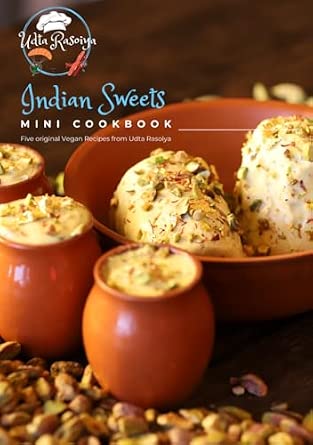 | Best for Vegan Mithai | Content type: Mini cookbook | Cuisine: Indian | Dessert focus: Mithai | VIEW LATEST PRICE | See Our Full Breakdown |
| The Book of Indian Sweets |  | Best for a Broad Indian-Sweets Reference | Content type: Book | Stated subject: Indian sweets | Recipe count: Not provided | VIEW LATEST PRICE | See Our Full Breakdown |
| Beginner Diwali Burfi Recipes |  | Best for Burfi Beginners | Book title: Beginner Diwali Burfi Recipes | ASIN: B00G9WF0XU | Content type: Recipe collection | VIEW LATEST PRICE | See Our Full Breakdown |
| The Sweet Kitchen: Tales and Recipes of India’s Favourite Desserts |  | Best for Dessert Stories and Recipes | Book title: The Sweet Kitchen: Tales and Recipes of India’s Favourite Desserts | ASIN: 9391047726 | Content type: Stories and recipes | VIEW LATEST PRICE | See Our Full Breakdown |
| Indian Dessert Book: 40 Traditional and Festive Sweet Treats |  | Best for Dessert Variety | Book title: Indian Dessert Book: 40 Traditional and Festive Sweet Treats | ASIN: B0H9F5R68K | Recipe count: 40 | VIEW LATEST PRICE | See Our Full Breakdown |
| Celebrate Diwali: Recipes, Activities, and Crafts for the Entire Family |  | Best for Family Celebrations | Book title: Celebrate Diwali: Recipes, Activities, and Crafts for the Entire Family | ASIN: 152489558X | Occasion: Diwali | VIEW LATEST PRICE | See Our Full Breakdown |
| 21 Diwali Recipes: Quick & Easy, Sweets & Snacks |  | Best for a Quick Diwali Menu | Book title: 21 Diwali Recipes: Quick & Easy, Sweets & Snacks | ASIN: 1549979620 | Recipe count: 21 | VIEW LATEST PRICE | See Our Full Breakdown |
| 40 Indian Festival Sweets Made Easy for You |  | Best for Straightforward Festival Sweets | Recipe count: 40 | Recipe focus: Traditional Indian festival sweets | Instruction style: Simple, step-by-step instructions | VIEW LATEST PRICE | See Our Full Breakdown |
| Gujarati Diwali & Faraal Cookbook |  | Best for a Gujarati Diwali Table | Cuisine: Gujarati | Occasions: Diwali and Nutan Varsh | Recipe categories: Sweets, snacks, curries, biryani, starters, and chutneys | VIEW LATEST PRICE | See Our Full Breakdown |
| Diwali: The Complete Guide to the History, Traditions, and Recipes of the Festival of Lights |  | Best for Festival Context Alongside Recipes | Book focus: Diwali history, traditions, and recipes | Festival: Diwali, the Festival of Lights | Cultural coverage: History and traditions | VIEW LATEST PRICE | See Our Full Breakdown |
| Milk & Cardamom: Spectacular Cakes, Custards and More, Inspired by the Flavors of India |  | Best for Indian-Inspired Cakes and Custards | Format: Cookbook | Dessert categories: Cakes, custards, and more | Flavor inspiration: Indian flavors | VIEW LATEST PRICE | See Our Full Breakdown |
| Sweet Lamps of India: A Festival of Diwali Desserts |  | Best for a Diwali-First Dessert Theme | Book focus: Diwali desserts | Festival: Diwali | Geographic association: India | VIEW LATEST PRICE | See Our Full Breakdown |
| Diwali dessert cookbook | Recipe count | Content type | ASIN |
|---|---|---|---|
| Indian Desserts Cookbook: Trad | — | Cookbook | — |
| Desi Bakes: 85 Recipes Bringin | 85 | — | 1958417319 |
| Mithai: A Collection of Tradit | — | Cookbook | 8185944881 |
| Udta Rasoiya: Indian Sweets Mi | — | Mini cookbook | B0GT3SP1N6 |
| The Book of Indian Sweets | Not provided | Book | B015A9X88G |
| Beginner Diwali Burfi Recipes | — | Recipe collection | B00G9WF0XU |
| The Sweet Kitchen: Tales and R | Not specified | Stories and recipes | 9391047726 |
| Indian Dessert Book: 40 Tradit | 40 | Dessert cookbook | B0H9F5R68K |
| Celebrate Diwali: Recipes | Not specified | Recipes, activities, and crafts | 152489558X |
| 21 Diwali Recipes: Quick & Eas | 21 | Cookbook | 1549979620 |
| 40 Indian Festival Sweets Made | 40 | — | — |
| Gujarati Diwali & Faraal Cookb | Not specified in the supplied product details | — | — |
| Diwali: The Complete Guide to | — | — | — |
| Milk & Cardamom: Spectacular C | Not specified in the supplied product details | — | — |
| Sweet Lamps of India: A Festiv | Not specified in the supplied product details | — | — |
More Details on Our Top Picks
Indian Desserts Cookbook: Traditional Mithai and Authentic Indian Sweet Recipes
I’d put this option first for shoppers whose Diwali table needs recognizable mithai rather than Western-style baking. Its listed range—gulab jamun, barfi, ladoo, and halwa—covers several familiar sweet styles, giving it broader traditional-dessert appeal than Udta Rasoiya: Indian Sweets Mini Cookbook, which is specifically described as vegan. That variety can help when planning a mixed sweets platter, though the available details do not say how many recipes the book contains or whether it includes step-by-step guidance. Compared with Desi Bakes, this book is more directly aimed at classic Indian sweets, not Indian-inspired cakes and other Western-style desserts. I’d choose it for its clear mithai focus, while recognizing that limited product information makes it hard to judge recipe depth or difficulty.
Pros:- Covers multiple traditional dessert styles, including halwa and barfi.
- Names popular sweets such as gulab jamun and ladoo.
- Its traditional mithai focus fits Diwali dessert planning more directly than a Western-style baking collection.
Cons:- The provided information gives no recipe count or indication of how much variety the book contains.
- No details are supplied about instructions, skill level, or dietary adaptations.
Best for: Home cooks planning a traditional Diwali mithai spread with several familiar Indian dessert types.
Not ideal for: Bakers seeking a specified recipe count, detailed skill guidance, or fusion cakes and other Western-style desserts.
- Content type:Cookbook
- Cuisine:Indian
- Featured dessert:Gulab jamun
- Featured dessert:Barfi
- Featured dessert:Ladoo
- Featured dessert:Halwa
Our verdict“Choose this for a Diwali spread centered on familiar Indian mithai, not for a book with documented recipe depth or baking guidance.”
Desi Bakes: 85 Recipes Bringing the Best of Indian Flavors to Western-Style Desserts
I’d rank Desi Bakes as the clearest choice for readers who want Indian flavors in a baking format rather than a platter of traditional mithai. Its stated 85 recipes offer a defined scope, and the Western-style dessert approach separates it from Indian Desserts Cookbook, whose named sweets are gulab jamun, barfi, ladoo, and halwa. For Diwali, that distinction matters: this book may suit hosts looking to add a less traditional dessert alongside familiar sweets, but the supplied information does not identify any particular recipes or confirm that they are festival-focused. I’d favor it over Mithai: A Collection of Traditional Indian Sweets for a baker drawn to fusion, while skipping it if the goal is specifically classic mithai or if recipe examples are needed before choosing.
Pros:- Lists 85 recipes, giving the collection a defined scale.
- Combines Indian flavors with Western-style desserts, creating a distinct alternative to traditional mithai books.
- Fits bakers who want a different style of sweet for a Diwali gathering.
Cons:- The supplied details name no individual recipes, so the exact dessert range is unclear.
- No information is provided about skill level, dietary options, or how directly the recipes suit Diwali.
Best for: Confident home bakers who want a substantial collection of Western-style desserts with Indian flavors for a modern Diwali menu.
Not ideal for: Readers seeking named traditional mithai recipes or clear information about individual recipes before buying.
- Recipe count:85
- Book format:Baking cookbook
- Dessert style:Western-style desserts with Indian flavors
- ASIN:1958417319
- Cuisine influence:Indian
- Product title:Desi Bakes: 85 Recipes Bringing the Best of Indian Flavors to Western-Style Desserts
Our verdict“Pick this if you want Indian-inspired baking for Diwali; choose a traditional mithai collection if classic sweets are the priority.”
Mithai: A Collection of Traditional Indian Sweets
The title makes Mithai: A Collection of Traditional Indian Sweets a natural match for readers who want a book devoted to classic Indian sweets, but the available listing offers no recipe examples, count, or instruction details. That makes this a more uncertain choice than Indian Desserts Cookbook, which at least identifies gulab jamun, barfi, ladoo, and halwa. Its narrower stated focus could appeal to someone who wants a dedicated sweets collection rather than Desi Bakes and its Western-style dessert direction. For Diwali planning, though, I can’t confirm whether it covers festival favorites, beginner methods, or dietary needs. I’d treat the traditional-sweets focus as its main appeal and its lack of documented specifics as the central drawback; buyers who need a dependable menu plan may prefer a better-described option.
Pros:- Its stated subject is traditional Indian sweets, closely aligned with mithai-focused Diwali menus.
- The dedicated sweets focus distinguishes it from the Western-style baking approach of Desi Bakes.
- The title signals a collection rather than a single-recipe specialty.
Cons:- No individual sweets or recipe count are provided in the available data.
- There is no supplied information about instructions, difficulty, or dietary adaptations.
Best for: Readers who want a book specifically framed around traditional Indian sweets and are comfortable choosing without listed recipe examples.
Not ideal for: Diwali hosts who need confirmed recipes, a stated recipe count, beginner guidance, or dietary details before deciding.
- Content type:Cookbook
- Cuisine:Indian
- Stated focus:Traditional Indian sweets
- Collection type:Collection
- ASIN:8185944881
- Product title:Mithai: A Collection of Traditional Indian Sweets
Our verdict“Choose this for its dedicated traditional-sweets focus only if the missing recipe details are not a deal-breaker.”
Udta Rasoiya: Indian Sweets Mini Cookbook
Udta Rasoiya has the strongest dietary distinction in this group: it is described as a mini cookbook of easy vegan Indian mithai with step-by-step instructions. That makes it more specifically useful to dairy-free Diwali cooks than Indian Desserts Cookbook, whose named traditional sweets are not identified as vegan. The small-format focus may also appeal to someone seeking a compact starting point instead of the broader, 85-recipe baking collection in Desi Bakes. The tradeoff is scope: the listing does not name its sweets or provide a recipe count, so buyers cannot tell how much variety it offers. I’d choose it for accessible, dairy-free mithai guidance, but not for a large, well-documented collection or for readers who need confirmed recipes before planning a festival menu.
Pros:- Focuses on vegan, dairy-free Indian mithai.
- Step-by-step instructions are described, offering more guidance than the listings for Mithai and The Book of Indian Sweets.
- Its mini-cookbook format suggests a focused alternative to the broader baking scope of Desi Bakes.
Cons:- No recipe count or specific dessert names are supplied.
- Its mini format may offer less range than a broader traditional-sweets collection.
Best for: Vegan or dairy-free home cooks who want step-by-step guidance for traditional Indian sweets at Diwali.
Not ideal for: Readers who need a large, itemized recipe collection or confirmation of specific mithai before planning.
- Content type:Mini cookbook
- Cuisine:Indian
- Dessert focus:Mithai
- Dietary approach:Vegan and dairy-free
- Instruction style:Step-by-step instructions
- Recipe inspiration:Rustic kitchen
- ASIN:B0GT3SP1N6
Our verdict“Choose this for guided vegan mithai; pass if your Diwali menu requires a confirmed range of specific sweets.”
The Book of Indian Sweets
The Book of Indian Sweets has a promisingly broad title for readers seeking Indian desserts, but the supplied product data contains no description, recipe examples, or format details. That leaves it harder to recommend confidently for Diwali than Indian Desserts Cookbook, which explicitly names four traditional sweets, or Udta Rasoiya, which states its vegan focus and step-by-step approach. Its possible appeal is simple: buyers looking for a general Indian-sweets book may prefer this title over Desi Bakes, which centers on Western-style desserts with Indian flavors. But I can’t verify from the available information whether it covers mithai, festival recipes, or beginner-friendly methods. I’d rank it as a reference-style option with limited evidence, not as a reliable first pick for a specific Diwali menu.
Pros:- The title presents a broad Indian-sweets focus rather than a single named dessert.
- Its stated subject distinguishes it from the Western-style baking focus of Desi Bakes.
- May suit readers seeking a general sweets reference if its contents match their needs.
Cons:- No description or recipe examples are provided, leaving its Diwali usefulness unverified.
- No recipe count, cuisine details, or instruction style are supplied.
Best for: Readers interested in a broadly titled Indian sweets book who can verify the contents before relying on it for Diwali cooking.
Not ideal for: Hosts who need confirmed Diwali recipes, specific mithai coverage, dietary guidance, or instruction details.
- Content type:Book
- Stated subject:Indian sweets
- Recipe count:Not provided
- Recipe examples:Not provided
- Instruction style:Not provided
- ASIN:B015A9X88G
Our verdict“Consider this only if you can check its contents first; the better-described titles make safer choices for a planned Diwali menu.”
Beginner Diwali Burfi Recipes
Beginner Diwali Burfi Recipes has the narrowest focus in this group: learning to make burfi, a traditional sweet commonly prepared for Diwali. That concentration may suit a first-time mithai maker better than Indian Dessert Book: 40 Traditional and Festive Sweet Treats, whose broader collection includes different sweets such as gulab jamun and rasmalai. The tradeoff is just as clear: the supplied information does not confirm how many recipes are included, what techniques they cover, or whether the instructions explain common burfi challenges. I’d choose it when burfi is the specific goal, not as a general guide to a full Diwali dessert spread. Buyers seeking several sweet styles or detailed instruction should look for a book with confirmed recipe and format information.
Pros:- Focused on burfi, a traditional Diwali sweet
- Described as beginner-focused
- A specific starting point for cooks prioritizing burfi over a broad dessert collection
Cons:- No recipe count or individual recipe examples are provided
- The available information does not describe the instruction style or techniques covered
- Its narrow subject does not establish coverage of other Diwali sweets
Best for: First-time home cooks specifically seeking a beginner-oriented introduction to making burfi for Diwali
Not ideal for: Readers planning a varied dessert platter or needing confirmed recipe counts, formats, or detailed technique information
- Book title:Beginner Diwali Burfi Recipes
- ASIN:B00G9WF0XU
- Content type:Recipe collection
- Primary subject:Burfi
- Occasion:Diwali
- Intended skill level:Beginner-focused
Our verdict“Choose this if your main Diwali dessert goal is learning burfi; choose a broader collection if you want more sweet varieties.”
The Sweet Kitchen: Tales and Recipes of India’s Favourite Desserts
The Sweet Kitchen: Tales and Recipes of India’s Favourite Desserts pairs food stories with recipes, giving it a more narrative angle than 21 Diwali Recipes: Quick & Easy, Sweets & Snacks, which is presented as a compact, practical collection for the festival. That distinction matters for Diwali readers: this book may add cultural and culinary context to dessert-making, while the supplied details do not establish how many recipes are festive or how directly they suit Diwali preparation. I’d pick it for readers who enjoy learning about Indian desserts alongside cooking them, rather than for anyone seeking a clearly defined Diwali menu. The available information gives no recipe count, sample dishes, or skill-level guidance, so buyers wanting specific sweets or a fast, tightly scoped festive plan may prefer a book with confirmed details.
Pros:- Focuses on Indian desserts
- Combines food stories with recipes
- Offers a narrative-led alternative to the more directly Diwali-focused 21 Diwali Recipes
Cons:- No recipe count or sample dishes are provided
- The available description does not confirm how many recipes suit Diwali
- No skill-level or recipe-format details are supplied
Best for: Readers who want Indian dessert recipes accompanied by stories and are open to a collection broader than Diwali
Not ideal for: Cooks seeking a confirmed set of Diwali-specific recipes, named sweets, or a quick festival menu
- Book title:The Sweet Kitchen: Tales and Recipes of India’s Favourite Desserts
- ASIN:9391047726
- Content type:Stories and recipes
- Cuisine focus:Indian desserts
- Recipe count:Not specified
- Diwali-specific coverage:Not specified
Our verdict“Pick this for a story-and-recipe approach to Indian sweets, but choose a clearly festive collection for a defined Diwali menu.”
Indian Dessert Book: 40 Traditional and Festive Sweet Treats
Indian Dessert Book: 40 Traditional and Festive Sweet Treats is the clearest choice here for readers who want a defined range: its 40 recipes include familiar treats such as gulab jamun and rasmalai, alongside traditional and festive sweets. That makes it more useful for building a varied dessert table than Beginner Diwali Burfi Recipes, which focuses on burfi alone. Its broader Indian dessert scope is also a tradeoff: the supplied details do not identify which recipes are specifically for Diwali, so I wouldn’t treat all 40 as a festival menu. This pick suits cooks who value named classics and a stated recipe count. Readers who want Diwali-only guidance, or a book that combines food with family activities, may find a more targeted fit elsewhere.
Pros:- Includes 40 dessert recipes
- Covers traditional and festive Indian sweets
- Names familiar treats including gulab jamun and rasmalai
- Offers broader sweet variety than the burfi-focused Beginner Diwali Burfi Recipes
Cons:- The supplied details do not identify which recipes are specifically for Diwali
- No recipe difficulty, preparation-time, or format information is provided
Best for: Home cooks who want a substantial, clearly counted selection of Indian sweets, including familiar classics, for festive occasions
Not ideal for: Readers who require a Diwali-only recipe plan or want crafts and family celebration activities alongside food
- Book title:Indian Dessert Book: 40 Traditional and Festive Sweet Treats
- ASIN:B0H9F5R68K
- Recipe count:40
- Cuisine:Indian
- Content type:Dessert cookbook
- Recipe themes:Traditional and festive sweets
- Named examples:Gulab jamun and rasmalai
- Series:Sweet Traditions Around the World
Our verdict“Choose this for a varied collection of Indian sweets with a stated recipe count, not for a confirmed Diwali-only menu.”
Celebrate Diwali: Recipes, Activities, and Crafts for the Entire Family
Celebrate Diwali: Recipes, Activities, and Crafts for the Entire Family takes the widest view of the festival in this group: recipes share space with activities and crafts, making the book relevant beyond dessert preparation. Compared with Indian Dessert Book: 40 Traditional and Festive Sweet Treats, it is less clearly a dedicated source for building a large selection of sweets, but it offers more ways for family members to take part in the occasion. The description confirms recipes, though it does not say how many are desserts, what dishes are included, or how much of the content is food-focused. I’d choose it when shared Diwali activities matter as much as cooking. Dessert-focused readers who want a known selection of sweets may prefer the 40-recipe collection.
Pros:- Combines recipes with activities and crafts
- Designed for the entire family
- Supports a broader celebration than a dessert-only title
- Offers a family-oriented alternative to Indian Dessert Book’s stated 40-sweet collection
Cons:- The number and type of recipes are not specified
- The available details do not confirm how much of the recipe content covers desserts
- No craft, activity, or age-range examples are provided
Best for: Families celebrating Diwali together who want recipes plus activities and crafts for different ages
Not ideal for: Dessert-focused cooks seeking a large, clearly specified selection of sweets or a dedicated mithai cookbook
- Book title:Celebrate Diwali: Recipes, Activities, and Crafts for the Entire Family
- ASIN:152489558X
- Occasion:Diwali
- Content type:Recipes, activities, and crafts
- Intended audience:The entire family
- Recipe count:Not specified
Our verdict“Choose this for a family-centered Diwali celebration, but pick a dessert-specific cookbook if sweets are your main priority.”
21 Diwali Recipes: Quick & Easy, Sweets & Snacks
21 Diwali Recipes: Quick & Easy, Sweets & Snacks is the most directly practical pick for time-pressed festival cooking: its 21 recipes span sweets and savory snacks, giving readers more than a dessert-only plan. That makes it a useful contrast to Beginner Diwali Burfi Recipes, which is aimed at learning one kind of sweet, and to Indian Dessert Book: 40 Traditional and Festive Sweet Treats, which offers a larger dessert-focused selection. The compact scope is also its main limitation. Twenty-one recipes may not provide enough variety for cooks assembling a large spread, and the description doesn’t name individual dishes or specify preparation times. I’d choose it for a focused, mixed Diwali menu when convenience matters more than extensive dessert coverage.
Pros:- Offers 21 Diwali recipes in a compact collection
- Covers both sweets and savory snacks
- Described as quick and easy for holiday preparation
- More directly tied to Diwali than the broader Indian dessert collections
Cons:- The 21-recipe limit may not provide enough variety for a large celebration
- The supplied information does not name individual recipes
- No preparation times or specific ease-of-instruction details are provided
Best for: Busy home cooks who want a compact Diwali collection that combines sweets with savory snacks
Not ideal for: Hosts planning a large, dessert-heavy spread or readers who want an extensive range of named recipes
- Book title:21 Diwali Recipes: Quick & Easy, Sweets & Snacks
- ASIN:1549979620
- Recipe count:21
- Occasion:Diwali
- Content type:Cookbook
- Recipe categories:Sweets and savory snacks
- Stated preparation style:Quick and easy
Our verdict“Choose this for a small, practical mix of Diwali sweets and snacks; choose a larger dessert collection for greater variety.”
40 Indian Festival Sweets Made Easy for You
This is the clearest fit for home cooks who want a focused collection of festive sweets rather than a broad menu. Its 40 recipes and step-by-step instructions make it a more direct choice for dessert planning than Gujarati Diwali & Faraal Cookbook, which also covers savory dishes and full festive meals. Substitution guidance may help when a traditional ingredient is difficult to find, while presentation tips can support a sweets platter for guests. The tradeoff is that the collection is not described as Diwali-only or cuisine-specific, so shoppers seeking Gujarati faraal or a deeper account of festival traditions may prefer another book. Some specialty ingredients may still take extra sourcing, despite the substitution tips.
Pros:- Offers 40 traditional Indian festival sweet recipes.
- Step-by-step instructions suit cooks who want clear recipe guidance.
- Ingredient substitution tips can help with hard-to-find items.
- Presentation tips support serving sweets for holidays and special occasions.
Cons:- Some specialty ingredients may still be difficult to source.
- The description does not specify how many recipes are tailored to Diwali.
- It focuses on sweets rather than a complete festive meal.
Best for: Home cooks seeking a varied set of traditional Indian festival sweets with clear instructions and some ingredient flexibility.
Not ideal for: Readers who want a Diwali-only collection, Gujarati-specific recipes, or a cookbook with savory dishes alongside desserts.
- Recipe count:40
- Recipe focus:Traditional Indian festival sweets
- Instruction style:Simple, step-by-step instructions
- Ingredient guidance:Substitution tips for hard-to-find ingredients
- Serving guidance:Presentation tips
- Occasions:Holidays and special occasions
Our verdict“Choose this for an approachable range of festival sweets; pick Gujarati Diwali & Faraal Cookbook if you also want regional savory dishes.”
Gujarati Diwali & Faraal Cookbook
Among these picks, this one has the strongest regional and occasion-specific focus: it brings Gujarati Diwali and Nutan Varsh cooking together across sweets, snacks, curries, biryani, starters, and chutneys. That breadth makes it a better match for planning a whole celebratory spread than 40 Indian Festival Sweets Made Easy for You, which concentrates on desserts. The compromise is equally clear: dessert seekers may find the savory categories take up attention they would rather spend on mithai, and the supplied details do not describe recipe counts or instruction style. I would choose it when regional variety and meal planning matter as much as sweets, not when the only goal is building a dessert-focused Diwali repertoire.
Pros:- Specifically covers Gujarati Diwali and Nutan Varsh celebrations.
- Includes both sweet and savory festive recipes.
- Recipe categories span snacks, curries, biryani, starters, and chutneys.
- Can support planning a broader celebratory menu rather than desserts alone.
Cons:- Its wide savory scope may be less useful to readers focused only on desserts.
- The provided details do not state the recipe count.
- The provided details do not describe instructions, skill level, or ingredient guidance.
Best for: Cooks planning a Gujarati Diwali or Nutan Varsh menu that includes both sweets and savory dishes.
Not ideal for: Readers who want a dessert-only cookbook, or who need detailed information about recipe counts and instruction level before choosing.
- Cuisine:Gujarati
- Occasions:Diwali and Nutan Varsh
- Recipe categories:Sweets, snacks, curries, biryani, starters, and chutneys
- Sweet and savory coverage:Both
- Regional focus:Gujarati festive cooking
- Recipe count:Not specified in the supplied product details
Our verdict“Choose this for a Gujarati festive spread with sweets and savory dishes, but select 40 Indian Festival Sweets Made Easy for You for a more dessert-centered collection.”
Diwali: The Complete Guide to the History, Traditions, and Recipes of the Festival of Lights
This title is the broadest festival guide in the group by its stated scope: it combines Diwali history and traditions with recipes, giving it a different purpose from a sweets-first book such as 40 Indian Festival Sweets Made Easy for You. That combination may suit readers who want cultural context alongside cooking, rather than a standalone recipe collection. The limitation is a lack of detail: the available information does not say how many recipes are included, whether desserts receive much attention, or what the instructions are like. Compared with Gujarati Diwali & Faraal Cookbook, it is described as a general Diwali guide rather than a regional menu. I would treat it as a context-led choice, not a confirmed source for a substantial dessert lineup.
Pros:- Combines Diwali history, traditions, and recipes.
- Its festival-wide framing extends beyond cooking alone.
- May suit readers who want cultural context with their recipe selection.
Cons:- The supplied details do not specify the number or types of recipes.
- Dessert coverage and its depth are not described.
- No information is provided about instruction style or cooking level.
Best for: Readers who want a Diwali introduction covering festival history and traditions as well as recipes.
Not ideal for: Dessert-focused cooks who need a stated range of sweets, recipe counts, or clear details about recipe difficulty.
- Book focus:Diwali history, traditions, and recipes
- Festival:Diwali, the Festival of Lights
- Cultural coverage:History and traditions
- Recipe coverage:Recipes are included; types and count are not specified
- Dessert details:Not specified in the supplied product details
- Instruction details:Not specified in the supplied product details
Our verdict“Pick this for a broader introduction to Diwali with recipes, but choose 40 Indian Festival Sweets Made Easy for You when a known sweets focus matters more.”
Milk & Cardamom: Spectacular Cakes, Custards and More, Inspired by the Flavors of India
For a Diwali dessert table that leans toward baked and spoonable sweets, this offers a contrast to traditional-festival collections such as 40 Indian Festival Sweets Made Easy for You. Its stated focus on cakes, custards, and other desserts inspired by Indian flavors may appeal to cooks looking beyond the usual mithai format. That makes it the more distinctive choice for a modern dessert spread, but also a less certain match for readers seeking recipes explicitly tied to Diwali or traditional Indian sweets. The supplied information gives no recipe list, count, or preparation guidance, so I cannot judge how much of the book suits a festival menu. Choose it for its dessert styles and flavor inspiration, not as a verified Diwali recipe guide.
Pros:- Centers cakes, custards, and other desserts.
- Draws inspiration from Indian flavors.
- Offers a different dessert direction from traditional festival-sweet collections.
Cons:- The supplied details do not confirm recipes specifically for Diwali.
- No recipe count or individual recipe examples are provided.
- Preparation guidance and skill level are not described.
Best for: Diwali hosts who want Indian-inspired cakes and custards alongside, or instead of, traditional mithai.
Not ideal for: Readers looking specifically for traditional Diwali sweets, a Gujarati festive menu, or a confirmed recipe list.
- Format:Cookbook
- Dessert categories:Cakes, custards, and more
- Flavor inspiration:Indian flavors
- Recipe count:Not specified in the supplied product details
- Diwali-specific recipes:Not specified in the supplied product details
- Recipe instructions:Not specified in the supplied product details
Our verdict“Choose this for Indian-inspired cakes and custards on a Diwali table, while 40 Indian Festival Sweets Made Easy is the safer pick for traditional festival sweets.”
Sweet Lamps of India: A Festival of Diwali Desserts
The title makes this the most directly Diwali-themed dessert pick in the batch: it is described as a book about desserts associated with Diwali in India. That focus gives it a clearer festival link than Milk & Cardamom, whose known emphasis is Indian-inspired cakes and custards, and a narrower stated purpose than Diwali: The Complete Guide, which also covers history and traditions. The main tradeoff is missing detail. The supplied description does not name recipes, state a count, or explain the instructions, so buyers cannot tell whether it covers traditional mithai broadly or just a small selection. I would shortlist it for a Diwali-centered dessert theme, while choosing a cookbook with documented recipes if specific sweets or cooking guidance are the priority.
Pros:- Its stated subject is desserts associated with Diwali.
- Offers a more festival-centered theme than the Indian-inspired dessert focus of Milk & Cardamom.
- Could suit readers seeking a dedicated Diwali dessert book rather than a general festival guide.
Cons:- The supplied details do not list any recipes or dessert styles.
- No recipe count or instruction information is provided.
- The breadth and traditional focus of its dessert coverage cannot be confirmed.
Best for: Readers seeking a book centered on desserts associated with Diwali and who are comfortable with limited available recipe details.
Not ideal for: Cooks who need a confirmed recipe list, detailed instructions, or evidence of broad coverage across traditional sweets.
- Book focus:Diwali desserts
- Festival:Diwali
- Geographic association:India
- Recipe count:Not specified in the supplied product details
- Named dessert types:Not specified in the supplied product details
- Instruction details:Not specified in the supplied product details
Our verdict“Choose this for its direct Diwali dessert theme, but favor 40 Indian Festival Sweets Made Easy for You if documented recipe variety and guidance matter more.”
How We Picked
I ranked these books by how directly they support a Diwali dessert decision: whether their stated focus is traditional mithai, festive sweets, or desserts that can plausibly anchor a celebration menu. I also weighed apparent scope, audience fit, and the usefulness of the book beyond one occasion, separating broad sweets collections from short, beginner-oriented, regional, and family-focused titles.
The order favors books whose stated subject most clearly matches readers searching for Diwali desserts, then accounts for narrower needs and adjacent interests. A baking-focused title may be a better choice for a modern cake table, but it ranks below a dedicated mithai collection for a reader seeking traditional sweets. Where the title signals only a limited scope, I treat that as a genuine tradeoff rather than assuming unlisted features, recipe difficulty, or results.
Factors to Consider When Choosing Diwali Dessert Cookbooks
Choosing among these titles starts with the kind of dessert table you want to make, not the number of recipes on a cover. I’d match the book’s scope to your cooking confidence, the traditions you want to represent, and whether you need a dessert-only resource or broader Diwali inspiration.
Choose Traditional Mithai or Indian-Inspired Baking
First decide whether your goal is a table of familiar mithai or desserts that use Indian flavors in newer forms. Traditional-sweets books are the clearer match for readers seeking a broad range of classic festival treats; titles such as Desi Bakes and Milk & Cardamom point toward a different style, including Western-style desserts. A common mistake is choosing a modern baking book because it mentions Indian flavors, then expecting it to cover a full mithai assortment. The reverse can happen too: a traditional sweets collection may not satisfy someone whose main interest is cakes or custards. If your menu will mix both styles, decide which half you most need help with and treat the other as a bonus.
Match Recipe Scope to Your Actual Menu
A large collection can offer variety, but it is not automatically the best fit for a small celebration or a cook focused on one recipe. Compact titles and Beginner Diwali Burfi Recipes signal a narrower commitment, while broader collections can offer more directions for a varied sweets table. Before buying, ask whether you want one dependable project, several options for guests, or a book to return to outside Diwali. Avoid using a recipe count alone as a proxy for usefulness; a focused book may be easier to act on, while a broader one may reduce the need for multiple sources. The best scope is the one that matches your planned menu and the time you have to cook.
Be Honest About Your Cooking Confidence
Traditional sweets can involve unfamiliar ingredients, shaping, or attention to texture, so a beginner should look for a clearly beginner-oriented focus rather than assuming every festival cookbook teaches fundamentals. A title centered on burfi can lower the choice burden if that is the sweet you want to make, but its limited range may frustrate a cook ready to try several mithai. Broad collections are more useful when you already feel comfortable selecting and following recipes across different styles. If you are buying for a new cook, prioritize a scope they can finish over a book that merely promises variety. For a gift, consider whether the recipient wants a guided first project or a reference collection to explore over time.
Decide Whether Regional or Festival Context Matters
Some buyers want dessert recipes alone; others want sweets situated within regional food traditions or the wider festival. The Gujarati Diwali & Faraal Cookbook signals a regional and broader festive-food direction, while Diwali: The Complete Guide and Celebrate Diwali extend beyond dessert into history, traditions, or family activities. Those additions can make a book more useful for a household celebration or a reader learning about Diwali, but they may take space away from dessert-specific instruction. Do not choose a general festival title expecting it to function like a dedicated mithai reference. Decide whether the extra context is part of what you want to buy or simply a distraction from your cooking goal.
Check Whether the Book Fits Your Occasion and Shelf
Diwali is the immediate occasion, but a cookbook can earn its place by fitting other celebrations and everyday cooking too. A broad Indian dessert collection may invite more repeat use than a narrowly themed festival guide, while a seasonal title can still be the right purchase if you want traditions and activities alongside recipes. Think about who will use the book: a solo cook, a family, or someone building a festive menu with both sweets and snacks. A cookbook that covers a wider celebration may be less focused, but its range could make it more useful in a shared household. Choose based on the role you expect it to play after the festival as well as on the day itself.
Frequently Asked Questions
Which type of cookbook is the safest choice if I want several traditional Diwali sweets?
Start with a dedicated Indian sweets or mithai collection rather than a book centered on one recipe or the festival as a whole. In this lineup, The Book of Indian Sweets, Indian Desserts Cookbook, and Mithai: A Collection of Traditional Indian Sweets most clearly signal that focus. Compare their descriptions and sample contents, if available, to see which range best matches the sweets you hope to make. A broad title is a better fit when variety matters more than mastering one particular sweet. If your menu is small, a narrower book may be easier to use.
Should I buy a beginner burfi book or a broad Indian dessert collection?
Choose the burfi-focused option if you have a specific burfi recipe in mind or want to keep your first project contained. Choose a broad dessert collection if you want to plan a mixed sweets table or keep one reference for several occasions. A narrow guide may help reduce decision overload, but it will not cover the same range as a general collection. If you are still learning, look for clear signs of beginner guidance rather than assuming a traditional cookbook explains every technique from scratch. Your intended menu is a more useful deciding factor than the idea that one format suits all new cooks.
Are Indian-inspired baking books suitable for a traditional Diwali dessert table?
They can contribute a festive dessert, but they are not interchangeable with books focused on traditional mithai. Desi Bakes and Milk & Cardamom signal a focus on Indian flavors in baking and other modern dessert forms. That makes them a fit for cooks who want cakes or custards alongside familiar sweets, or who prefer a less traditional menu. If your priority is a table centered on classic mithai, begin with a dedicated Indian sweets collection instead. You can add a baking title later if you want a contrasting dessert style.
Is a general Diwali guide a better buy than a dessert-only cookbook?
It depends on whether you want help with the wider celebration as well as food. Diwali: The Complete Guide signals history, traditions, and recipes, while Celebrate Diwali includes activities and crafts alongside recipes. Those broader subjects can suit a family or someone learning about the festival, but they are less directly targeted at building a dessert repertoire. For a sweets-first purchase, favor a dedicated dessert or mithai book. Choose a general guide when the cultural and family material is part of the value you want.
What should I check before buying a regional Diwali or festival-food cookbook?
Check whether the book’s regional focus matches the food traditions you want to cook, and confirm how much of its coverage is devoted to desserts rather than savory snacks or festival context. Gujarati Diwali & Faraal Cookbook signals a broader regional festive-food scope, which may be useful for planning more than sweets. If you need only mithai, that breadth could mean it is less focused than a dessert collection. Look at the contents or available sample pages for the balance of recipes before deciding. Regional specificity is a benefit when it matches your goal, not a substitute for dessert-focused coverage.
Conclusion
For most readers building a Diwali sweets table, I’d choose The Book of Indian Sweets as the best overall because its traditional-sweets focus best matches the broadest version of this search. As a best-value-in-scope choice, Indian Dessert Book: 40 Traditional and Festive Sweet Treats offers a clearly bounded collection for readers who want a set of festive options without starting with a wider festival guide. Beginners focused on one achievable direction should look at Beginner Diwali Burfi Recipes; it is not the pick for broad variety. For a premium-style modern dessert direction, consider Desi Bakes or Milk & Cardamom if cakes and Indian-inspired baking matter more than a classic mithai spread. Choose Gujarati Diwali & Faraal Cookbook for regional festive foods, or Celebrate Diwali when family activities matter alongside recipes. The right book is the one whose scope matches the menu you actually want to make.