🔍 Read the full analysis: Lambrusco Redeemed: The Fizzy Red That Belongs With Rich Food on Mad Tasting

Get kitchen staples and gadgets delivered free with Prime
- Fast, free delivery on millions of items
- Prime Video, Amazon Music and more included
- Member-only deals all year
TL;DR
Lambrusco is a family of sparkling red and rosé wines from Emilia-Romagna, with styles ranging from dry to sweet and lightly to fully sparkling. Served cool, its acidity, bubbles and fruit can complement rich dishes, but the best match depends on the bottle’s sweetness and weight. The source is a buying and pairing guide, not a report of a new event.
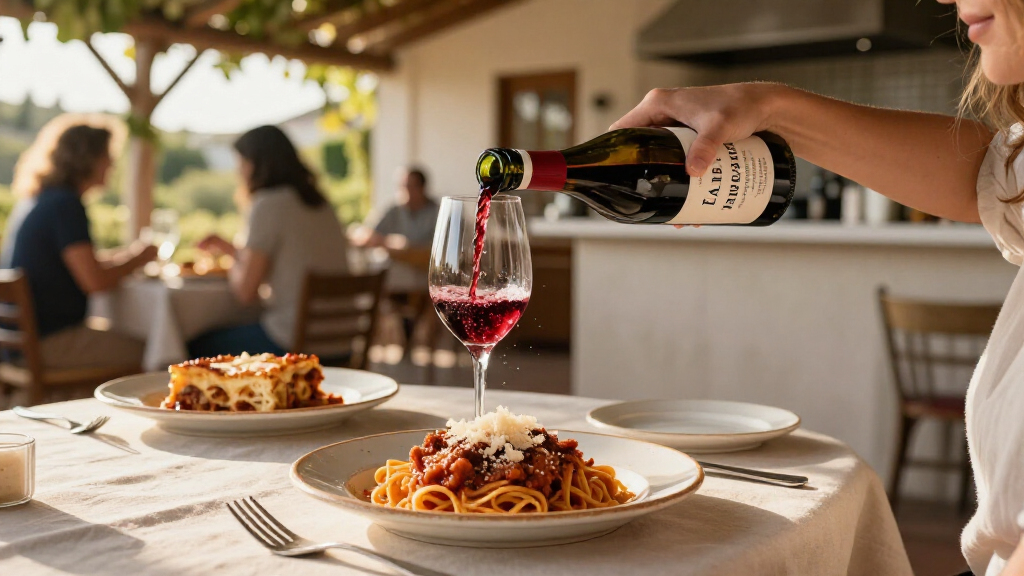
A Mad Tasting guide presents Lambrusco as a family of sparkling red and rosé wines suited to rich food, with bottles ranging from dry to sweet and lightly to fully sparkling. Its practical point is that the wine’s acidity, bubbles and fruit can refresh the palate alongside cured meats, ragù, filled pasta, fried food and aged cheese, provided diners choose a style that fits the meal.
Lambrusco is associated with Emilia-Romagna in northern Italy and is made from several related grape varieties, including Sorbara, Grasparossa, Salamino and Maestri. The guide says their differing aromas, body and tannin affect how each wine works at the table. A lighter, aromatic bottle may suit delicate cured meats, while a darker, firmer wine may better handle roast pork or aged cheese.
The label can help narrow the choice. The guide defines secco as dry, semisecco as generally off-dry, amabile as medium-sweet and dolce as sweet. It also distinguishes frizzante, which is lightly sparkling, from spumante, which has fuller bubbles. Producer and appellation offer further clues, though tasting notes can help when the label gives little detail.
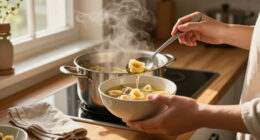
For a savory meal such as tortellini in broth or lasagna, the guide suggests considering a dry or off-dry bottle with bright fruit. A slightly sweeter style may suit spicy food by softening heat, but could distract beside a very savory dish. It recommends serving Lambrusco cool so its fruit and freshness remain prominent; it gives no specific serving temperature.
A practical guide to Emilia-Romagna’s sparkling reds
Lambrusco Redeemed: The Fizzy Red That Belongs With Rich Food
A family of sparkling red and rosé wines, Lambrusco spans dry to sweet and lightly to fully sparkling styles. Served cool, its acidity, bubbles and fruit can refresh the palate beside rich food—when the bottle fits the dish.
01 / Why it works
Pair the bottle with the plate
The guide’s practical point is to treat Lambrusco as a category with options. Bright acidity and bubbles can lift rich food; fruit can complement savory flavors. Match the wine’s weight and sweetness to the meal.
Acidity + bubbles
A lively texture can refresh the palate alongside cured meats, fried food and rich sauces.
Salty, savory flavors
Fruit can complement the savory character of ragù, filled pasta and aged cheese.
Body matters
A light aromatic bottle may suit delicate cured meats; a darker, firmer wine may hold up to roast pork or aged cheese.
02 / Match the meal
A quick pairing compass
These are general directions from the guide, not measured tasting results. The specific bottle and dish can change the match.
Consider a lighter, aromatic style alongside delicate, salty flavors.
Try dry or off-dry with bright fruit for a savory meal.
A slightly sweeter style may soften heat, though it could distract from very savory dishes.
Look for enough body; a dry bottle may suit pork shoulder with Parmigiano-Reggiano.
What to weigh up
Illustrative pairing guide only. The source gives no measured scale or bottle-by-bottle comparison.
03 / Read the label
Decode sweetness and sparkle
Label terms narrow the choice. Producer, appellation and tasting notes can add clues about origin, body and style.
Sweetness terms
Sparkle terms
Grape names in the guide include Sorbara, Grasparossa, Salamino and Maestri. Their aromas, body and tannin can differ.
The category in one line
A family of wines, not one fixed taste
“Lambrusco is a family of wines, not a single grape or style.”
Mad Tasting guide
04 / From shelf to table
A four-step buying guide
Name the dish
Think about richness, salt, spice and savory intensity.
Set sweetness + body
For savory food, consider dry or off-dry; for pork, ask for enough weight.
Read beyond the name
Look for producer, appellation and notes describing body and sweetness.
Keep it cool
The guide recommends serving cool, but does not specify a temperature.
What the guide leaves open
It names no specific producers, vintages, prices or bottles, and provides no exact serving temperature. It also gives no measured comparisons of acidity, bubbles or pairing outcomes. Label descriptions can vary, so consult tasting notes or a wine merchant. Recommendations are general; the best match depends on the bottle, dish and personal preference.
Key questions
Lambrusco, answered
Is Lambrusco always sweet?
No. Styles range from dry to sweet. Look for terms such as secco, semisecco, amabile and dolce.
What foods can pair with it?
Cured meats, ragù, filled pasta, fried food and aged cheese are among the guide’s suggestions. The fit depends on body, sweetness and sparkle.
How do frizzante and spumante differ?
Frizzante is lightly sparkling; spumante has fuller bubbles. The guide treats them as different styles, not a ranking.
How should it be served?
Serve Lambrusco cool so its fruit and freshness remain prominent. The source gives no specific temperature.
Pairing Sparkle with Rich Food
The guide addresses a common mismatch at the table: a heavy, still red wine can feel as weighty as a rich meal. Lambrusco’s acidity and bubbles offer a different texture, while its fruit can complement salty and savory flavors. These qualities explain why the wine can work with food that might otherwise call for a more substantial red.
The practical value is in treating Lambrusco as a category with options rather than a single predictable taste. Matching sweetness, sparkle and body to the dish gives diners a clearer way to choose than relying on the name alone. The article offers pairing guidance, not evidence from a formal tasting study or a new market report.
As an affiliate, we earn on qualifying purchases.
A Reputation Beyond Sweet Wine
The source says Lambrusco may still evoke inexpensive, sweet wine from decades past, a reputation that has influenced how people view the category. It does not provide sales figures, consumer research or a timeline for that perception. Its counterpoint is that modern choices within the family include dry and off-dry bottles, red and rosé wines, and different levels of sparkle.
The region’s food traditions help explain the pairing focus. Emilia-Romagna is associated in the guide with cured meats, filled pasta, ragù and aged cheeses. The source frames Lambrusco’s variety as a match for that range of dishes, while advising readers that producer, appellation and tasting notes matter because bottles differ.
““Lambrusco is a family of wines, not a single grape or style.””
— Mad Tasting guide
As an affiliate, we earn on qualifying purchases.
What Bottle Labels Leave Open
The source does not identify specific producers, vintages, prices or bottles, so readers cannot use it to select a particular wine without checking current availability and producer information. It also notes that label terms and sweetness descriptions can vary; tasting notes or a merchant’s advice may be needed when details are brief.
No exact serving temperature is supplied, and the guide does not offer measured comparisons of acidity, bubbles or pairing outcomes. Its recommendations are general guidance. Individual bottles and dishes can differ, so the best match for a particular meal remains a matter of style and preference.
As an affiliate, we earn on qualifying purchases.
Choosing for the Meal
The guide’s next step for readers is to choose a dish, then ask a wine merchant for a Lambrusco with the right sweetness and body. For pork shoulder with Parmigiano-Reggiano, for example, it suggests asking for a dry bottle with enough weight for the meat. Diners can also check the producer, appellation and tasting notes before buying.
At the table, serve the bottle cool and consider the food as a whole: a wine that is lighter than expected may still work alongside cheese, even if it seems less suited to the meat. The source does not announce a future event or release; it leaves the choice to the specific bottle available and the meal being served.
As an affiliate, we earn on qualifying purchases.
Key Questions
Is Lambrusco always sweet?
No. The guide describes styles from dry to sweet, using label terms such as secco, semisecco, amabile and dolce to indicate sweetness.
What foods can pair with Lambrusco?
The guide names cured meats, ragù, filled pasta, fried food and aged cheese. The best fit depends on the bottle’s body, sweetness and level of sparkle.
What is the difference between frizzante and spumante?
Frizzante is lightly sparkling, while spumante has fuller bubbles. The guide treats them as different styles rather than ranking one above the other.
How should Lambrusco be served?
The source recommends serving Lambrusco cool so its fruit can show, but it does not give a specific temperature.
Source: Mad Tasting
Columbus Day / Indigenous Peoples' Day Picks
long weekend sales
As an affiliate, we earn on qualifying purchases.