To get a proper phulka puff, start with soft, well-rested dough that’s kneaded thoroughly. Roll it into thin, even circles, then cook on a hot griddle until bubbles form. Flip at the right moment, then transfer the cooked phulka directly to an open flame or use high heat to allow steam to build inside. Keep the flame steady, and if you follow these tips, you’ll achieve that perfect puff every time. Learn more to perfect your technique.

Get kitchen staples and gadgets delivered free — and shop member deals
- Fast, free delivery on millions of items
- Access to Prime Big Deal Days deals on October 6–7
- Prime Video, Amazon Music and more included
Key Takeaways
- Ensure dough is soft, well-kneaded, and rested for 20-30 minutes to develop elasticity and steam-trapping ability.
- Roll the dough into thin, even circles for uniform puffing and proper steam buildup.
- Cook on medium-high heat until bubbles form and the underside shows golden spots, then flip at the right time.
- Use an open flame or direct heat method immediately after cooking to rapidly steam the dough and induce puffing.
- Maintain a steady, strong flame during puffing to generate consistent, intense heat for optimal steam pressure inside.
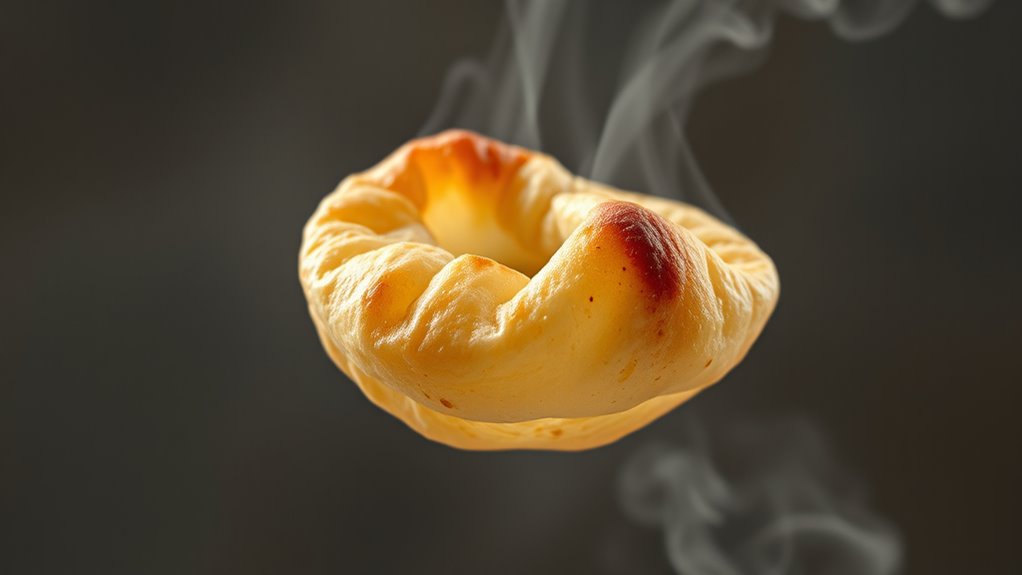
Ever wondered why some phulkas puff up perfectly while others fall flat? Achieving that airy, puffed-up appearance isn’t just luck; it’s about mastering the right cooking techniques and understanding traditional methods. When you focus on these aspects, you’ll notice a significant difference in the texture and appearance of your phulkas. The secret lies in creating the perfect environment for steam to build inside the dough, causing it to puff up like a balloon.
Master the art of puffed-up phulkas by creating the perfect environment for steam to build inside the dough.
First, start with the right dough consistency. Use fresh, good-quality wheat flour and knead it well with enough water to make a soft, pliable dough. Rest the dough for at least 20-30 minutes; this allows gluten to develop, making the dough elastic. When you’re ready to roll, divide the dough into equal-sized balls and roll them evenly into thin circles. Thin, even circles are vital because they facilitate uniform puffing. If the dough is too thick or uneven, it won’t puff properly, so take your time with the rolling process. Proper dough preparation is essential for achieving consistent results. Additionally, ensuring the dough is well-rested allows the gluten to develop, which contributes to better puffing. Incorporating proper gluten development techniques can also enhance elasticity and puffing ability.
Next, focus on your cooking techniques. Traditionally, a tawa or flat griddle is used, heated on medium-high flame. Place the rolled-out phulka on the hot pan and cook until small bubbles form and the underside gets golden brown spots. Flip it over and cook the other side similarly. The key to getting a puff is flipping the phulka just at the right moment—when it starts to develop little bubbles but isn’t overcooked. Once both sides are cooked enough, it’s time for the puff.
Here’s where traditional methods really shine. Remove the cooked phulka from the pan and hold it directly over an open flame, using tongs. The direct heat causes steam to build rapidly inside the dough, making it puff up. Proper steaming environment is essential for achieving a perfect puff, so ensure the flame is strong enough to generate consistent heat. Using appropriate tools like tongs helps control the process and prevents burning. If you don’t have an open flame, you can also try placing the cooked phulka in a preheated oven with a broiler for a few seconds. However, the open flame method is preferred for authentic puffing, as it provides the immediate, intense heat needed. Mastering consistent heat is key to successful puffing every time. Additionally, maintaining a steady flame ensures the steam pressure builds evenly within the dough, resulting in a perfect puff.
As an affiliate, we earn on qualifying purchases.
Frequently Asked Questions
Can Using a Non-Stick Pan Affect the Puffing Process?
Using a non-stick pan can affect the puffing process because non-stick disadvantages include uneven heat distribution, which impacts pan temperature. If the pan isn’t hot enough, the phulka won’t puff properly, and if it’s too hot, it might burn quickly. Non-stick surfaces also prevent the dough from sticking initially, but maintaining the right pan temperature is essential. So, be mindful of these factors to get that perfect puff.
Does the Type of Flour Impact the Puff Formation?
Think of flour as the soul of your phulka; the right type influences its puff. A flour with good absorption and proper gluten development creates a resilient dough that traps steam, helping your phulka puff beautifully. Whole wheat or refined flour varies in these qualities. Choose wisely, knead well, and your puff will rise like a victorious flag, symbolizing perfect mastery over your cooking craft.
How Does Age of the Dough Influence Puffing?
As the dough ages, fermentation enhances, and gluten development improves, making it more elastic and easier to puff. Fresh dough may lack sufficient gluten structure, resulting in less puffing. Allowing the dough to rest for at least 30 minutes encourages proper fermentation, which strengthens gluten. This process creates the ideal elasticity needed for a perfect puff, ensuring your phulka puffs up beautifully when cooked.
Is It Necessary to Cover the Dough While Resting?
Covering dough while resting is like wrapping a gift—preserving its moisture and softness. You should definitely cover your dough, as it prevents it from drying out and helps gluten develop evenly. When you cover dough during resting, it stays hydrated, which makes it easier to roll and results in a puffier phulka. So, always cover your dough to achieve that perfect puff and a tender, airy texture.
What Are Common Mistakes That Prevent a Perfect Puff?
You often prevent a perfect puff by not applying enough oil or unevenly spreading it, which affects the steam buildup. If your dough is too thick or uneven, it won’t puff properly. Make sure you roll it evenly to about the right thickness. Also, avoid over-flouring, as it can hinder puffing. Proper oil application and consistent thickness help create the steam needed for that perfect, airy puff.
tawa flat griddle for Indian bread
As an affiliate, we earn on qualifying purchases.
As an affiliate, we earn on qualifying purchases.
Conclusion
Now that you know the secret to a perfect phulka puff, you’re practically a bhature master in the making! Just remember, with the right heat and a gentle puff of steam, your phulka will rise like a miracle—transforming your meal into a culinary masterpiece. Keep practicing, and soon, you’ll be impressing everyone with puffs so perfect they’ll think you’ve got magic in your fingertips. Happy cooking!
gas stove with high heat control
As an affiliate, we earn on qualifying purchases.
As an affiliate, we earn on qualifying purchases.
As an affiliate, we earn on qualifying purchases.
Fall Picks
fall essentials
As an affiliate, we earn on qualifying purchases.