TL;DR
A panel of professional chefs has evaluated the TV series ‘The Bear,’ confirming some accurate portrayals of kitchen work while criticizing others for inaccuracies. This assessment offers insight into the show’s realism and dramatization.
Several professional chefs have publicly analyzed the TV series ‘The Bear,’ confirming that the show accurately depicts certain aspects of restaurant kitchen work while also criticizing some dramatized or inaccurate portrayals. This assessment provides viewers with a clearer understanding of the show’s realism and its potential influence on public perceptions of culinary professions.
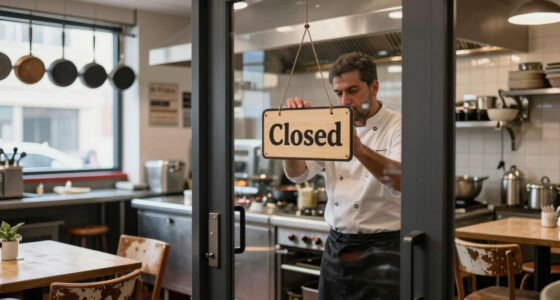
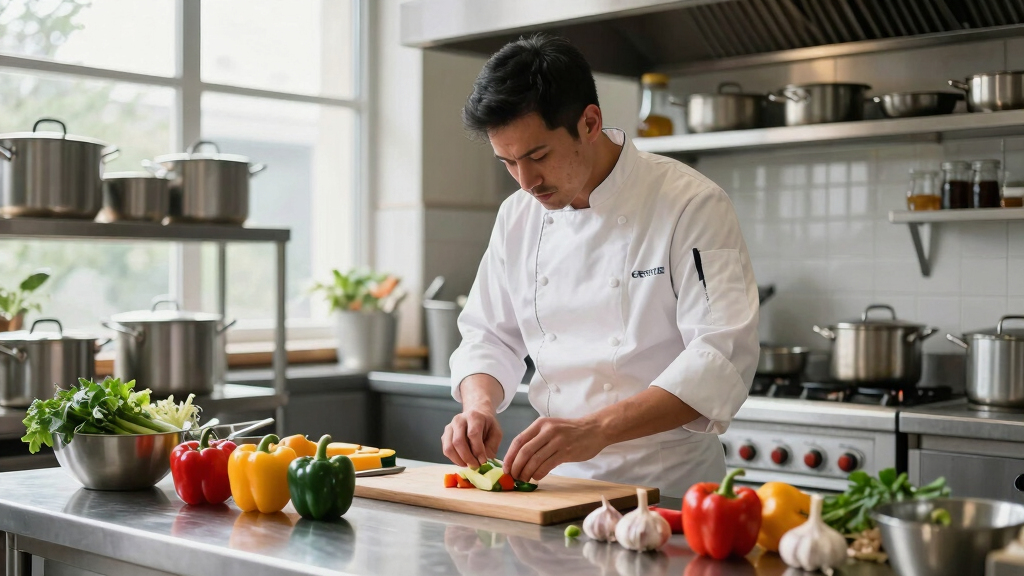
In recent discussions, professional chefs have highlighted that ‘The Bear’ effectively captures the intense pressure, fast-paced environment, and teamwork required in professional kitchens. Chefs note that scenes depicting the chaos of service and the importance of communication are largely accurate, reflecting real experiences in high-end restaurants.
However, critics also point out several inaccuracies. Some chefs argue that the show’s portrayal of certain food preparation techniques and kitchen hierarchies tend to be exaggerated or simplified for dramatic effect. For example, the depiction of the head chef’s authority and the speed of certain culinary processes are considered unrealistic by some industry insiders.
Additionally, some culinary professionals have expressed concern that the show’s dramatization might reinforce stereotypes or misconceptions about kitchen work, such as the prevalence of yelling and high-stress environments as the norm rather than exceptions. Despite these criticisms, many agree that ‘The Bear’ offers a compelling, if sometimes exaggerated, glimpse into the culinary world.
Why Chefs’ Opinions Matter for Viewers
This analysis matters because it influences public perceptions of professional kitchens and culinary careers. Accurate portrayals can educate viewers about the realities of restaurant work, while exaggerated depictions might perpetuate stereotypes or misconceptions. Understanding what is true versus dramatized helps viewers appreciate the complexities of culinary professions and sets realistic expectations for aspiring chefs.
professional chef kitchen tools
As an affiliate, we earn on qualifying purchases.
As an affiliate, we earn on qualifying purchases.
Background on ‘The Bear’ and Its Cultural Impact
Since its debut, ‘The Bear’ has gained popularity for its intense portrayal of restaurant life, drawing praise for its realism by some viewers and critics. The series depicts a high-stress kitchen environment, focusing on the personal and professional struggles of chefs. Industry insiders and culinary professionals have since weighed in on its accuracy, providing a nuanced perspective on its depiction of kitchen realities versus entertainment-driven dramatization. This ongoing evaluation reflects a broader conversation about authenticity in culinary media and its influence on public understanding of the profession.
“The show captures the chaos and pressure of a busy kitchen very well, but some of the techniques and hierarchies are simplified for drama.”
— an anonymous chef
high-quality chef knives
As an affiliate, we earn on qualifying purchases.
As an affiliate, we earn on qualifying purchases.
Unverified Aspects of ‘The Bear’s’ Culinary Accuracy
It is not yet clear how widespread these opinions are among chefs or if the show’s dramatizations significantly influence public perceptions of culinary work. Further industry feedback and viewer studies are needed to assess its overall impact.
restaurant kitchen equipment
As an affiliate, we earn on qualifying purchases.
As an affiliate, we earn on qualifying purchases.
Future Industry Feedback and Viewer Perception Studies
Experts anticipate ongoing reviews from culinary professionals and possibly more detailed viewer surveys to gauge how accurately ‘The Bear’ reflects real kitchen life. Additionally, creators may consider incorporating industry feedback into future seasons to enhance authenticity or clarify dramatizations.
professional cooking utensils
As an affiliate, we earn on qualifying purchases.
As an affiliate, we earn on qualifying purchases.
Key Questions
What specific kitchen techniques in ‘The Bear’ are considered accurate?
Many chefs agree that scenes depicting the chaos of service, teamwork, and communication are realistic. The depiction of high-pressure environments and the importance of timing reflect actual kitchen dynamics.
Which aspects of ‘The Bear’ do chefs consider exaggerated or inaccurate?
Chefs point out that some food preparation methods, hierarchy dynamics, and the speed of certain processes are simplified or dramatized for entertainment, which may not reflect everyday kitchen realities.
How might ‘The Bear’ influence public perceptions of culinary careers?
If viewers take the show’s dramatized elements as typical, it could reinforce stereotypes of kitchens being overly chaotic or aggressive, potentially affecting aspiring chefs’ expectations.
Will chefs or industry insiders provide more feedback on the show?
Yes, ongoing reviews and discussions are expected as more industry professionals watch the series and share their perspectives, which could influence how future seasons are portrayed.
Source: rss