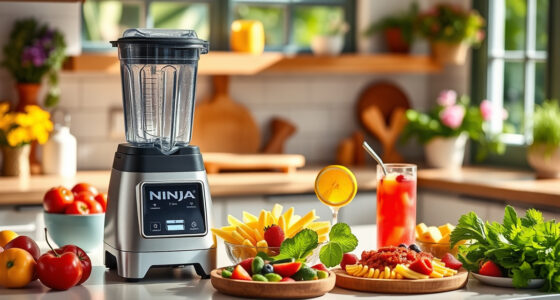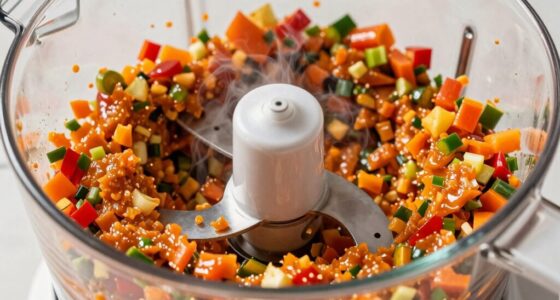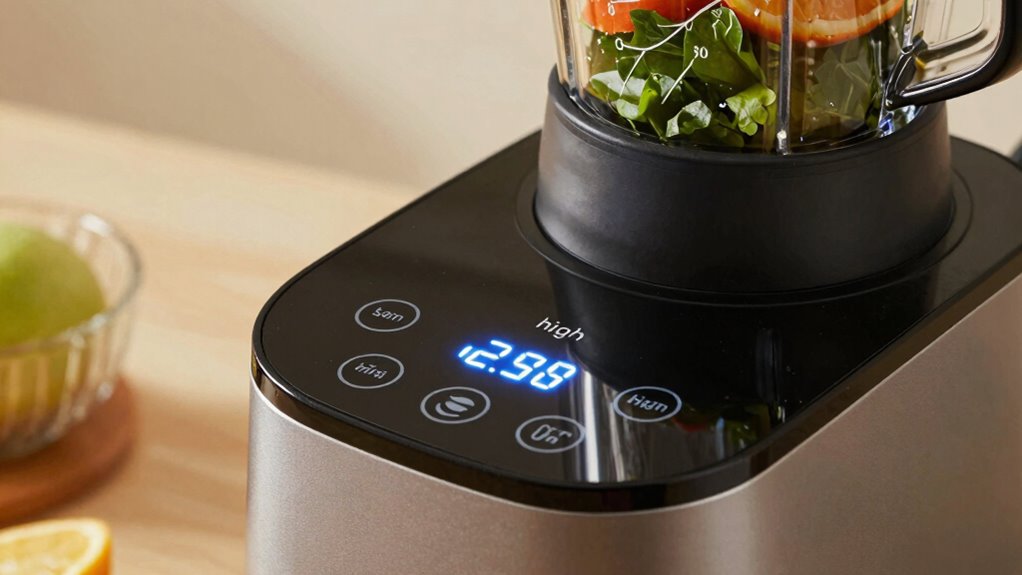

Most home cooks tend to overuse the high-speed setting on blenders, which can strain the motor and cause premature wear. Constantly blending at maximum speed increases the chance of overheating, uneven blending, and damage over time. Using lower or medium speeds for different tasks helps preserve your blender and improves results. If you’re curious about how to blend more efficiently and extend your appliance’s life, keep exploring proven tips and tricks.

Get kitchen staples and gadgets delivered free — and shop member deals
- Fast, free delivery on millions of items
- Access to Prime Big Deal Days deals on October 6–7
- Prime Video, Amazon Music and more included
Key Takeaways
- Many home cooks default to maximum speed, risking motor damage and inconsistent blending results.
- Using high speeds unnecessarily increases motor strain and shortens the blender’s lifespan.
- Properly adjusting speed for ingredients ensures better texture and prevents over-processing.
- Over-relying on high speed can cause uneven ingredient mixing and overheating.
- Using appropriate, lower speeds improves blending quality and extends appliance durability.
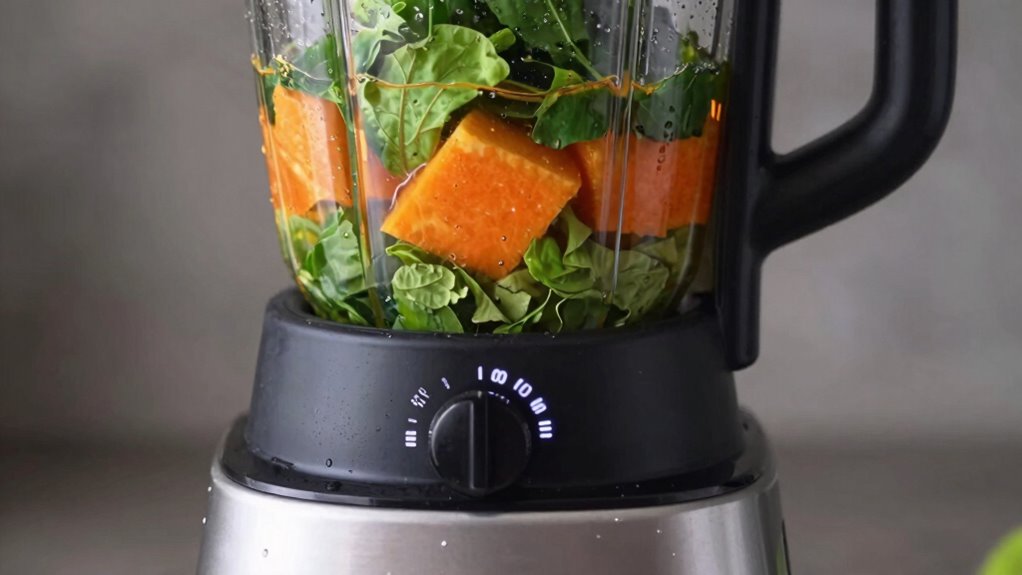
Many home cooks make the mistake of defaulting to the highest speed setting on their blenders without considering the task at hand. This habit can have a significant impact on your blender’s motor lifespan and the consistency of your ingredients. While it might seem like a quick way to get things done, using the maximum speed all the time isn’t ideal. High speeds put unnecessary strain on the motor, causing wear and tear that can shorten your blender’s longevity. Instead, adjusting the speed appropriately based on what you’re blending helps guarantee your machine lasts longer and performs better over time. Proper blender maintenance can also extend its lifespan and ensure optimal performance.
Using the highest blender speed constantly can damage your motor and affect blending quality. Adjust speeds for better results and longevity.
Choosing the right speed is also vital for achieving ingredient blending consistency. When you blast everything at full speed, you risk over-pulsing some ingredients while leaving others inadequately processed. For example, soft fruits, liquids, or delicate herbs don’t need the same high speed as tougher ingredients like ice or nuts. Using lower or medium speeds allows you to control the blending process better, resulting in smoother, more uniform textures. This control helps prevent over-processing, which can lead to a watery smoothie or a puree that’s too fine, depending on what you’re aiming for.
Many people underestimate how much the motor has to work at high speeds. Constantly running your blender at its maximum setting can cause the motor to heat up faster, which accelerates wear and can lead to motor failure. Not only that, but blending at high speeds often results in uneven ingredient distribution, making it more challenging to get a consistent blend. For example, when making a creamy sauce or a silky smoothie, the right speed ensures all ingredients are evenly broken down, giving you a professional-quality result without extra effort. Recognizing the importance of motor strain helps you make smarter choices and preserve your appliance longer. Additionally, understanding the importance of task-specific speeds can help you optimize your blending process for better results.
As an affiliate, we earn on qualifying purchases.
Frequently Asked Questions
How Do I Know the Best Speed for Different Ingredients?
You should start by considering the ingredient texture and your blender’s efficiency. For soft ingredients like smoothies or soups, use a lower speed to blend smoothly without overworking your blender. For tougher ingredients like ice or nuts, increase the speed gradually to break them down efficiently. Adjust the speed based on how well your blender handles the task, ensuring you’re not overdoing it or under-blending.
Does Blender Speed Affect Nutrient Retention?
Using a high speed on your blender can increase nutrient degradation, reducing the health benefits of your smoothies. For example, blending leafy greens at a very high speed may break down nutrients faster, while a moderate speed preserves more vitamins. Speed affects blending efficiency, with lower speeds often maintaining nutrient integrity better. So, adjusting your blender speed thoughtfully helps maximize nutrient retention while ensuring smooth, well-blended results.
Can Using the Wrong Speed Damage My Blender?
Using the wrong blender speed can damage your appliance. Running it at high speeds for extended periods can cause motor overheating, which may lead to motor burnout. Additionally, operating at overly aggressive speeds can accelerate blade wear, reducing your blender’s lifespan. To avoid this, use the appropriate speed for your task and give your blender breaks between heavy-duty blends, protecting both the motor and blades.
How Often Should I Clean My Blender’s Speed Settings?
You should clean your blender’s speed settings after every use to keep it running smoothly. Regular cleaning prevents residue buildup, preserves motor life, and guarantees consistent blending. Follow maintenance tips like wiping down control panels and avoiding water intrusion in the motor base. This routine keeps your blender in top shape, reduces wear, and extends its lifespan. Make cleaning frequency part of your regular maintenance tips for peak performance.
Are There Specific Speed Settings for Crushing Ice?
For ice crushing, you should use the blender’s high or pulse speed setting, as these provide the power needed for effective ice breakdown. Proper speed calibration is key—starting slow and increasing gradually helps prevent splattering and guarantees smooth results. Avoid using low speeds, which won’t generate enough force. Keep in mind, pulse mode gives you more control and is ideal for short bursts of ice crushing, preventing over-processing.
As an affiliate, we earn on qualifying purchases.
Conclusion
Next time you reach for your blender, ask yourself: are you truly using the right speed for your ingredients? Most home cooks stick to one setting, but adjusting the speed can make all the difference in texture and flavor. Imagine blitzing your smoothie to silky perfection or chopping nuts just right—wouldn’t that be worth experimenting with? So, don’t settle for the usual—try different speeds and unleash your blender’s full potential!
As an affiliate, we earn on qualifying purchases.
As an affiliate, we earn on qualifying purchases.
Fall Picks
fall essentials
As an affiliate, we earn on qualifying purchases.