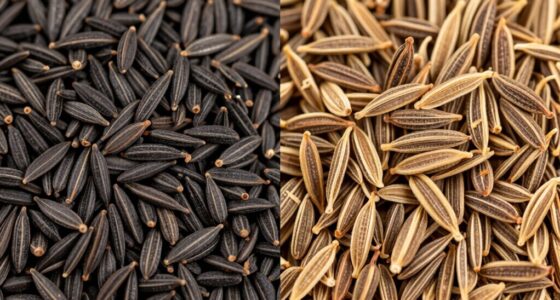
The label trick most people miss is that many products labeled simply as “cinnamon” are actually cassia, which is cheaper and riskier. Authentic Ceylon cinnamon is often sold with specific labels like “true cinnamon” or “Ceylon,” so paying close attention to the wording, color, and aroma can help you spot the difference. If you want to avoid buying adulterated or unsafe cinnamon, keep these clues in mind as you explore further.
Key Takeaways
- Many labels simply say “cinnamon,” often referring to cheaper cassia instead of true Ceylon cinnamon.
- Authentic cinnamon labels specify “Ceylon” or “true cinnamon,” while vague labels hide the true type.
- Vague or generic “cinnamon” labels can mislead consumers into purchasing adulterated or inferior cassia.
- Look for labels that highlight origin, such as “Ceylon” or “Sri Lanka,” to ensure genuine cinnamon.
- Visual cues like lighter color and delicate texture, combined with specific labeling, reveal authentic cinnamon and expose label tricks.
Are All Cinnamon Products the Same?
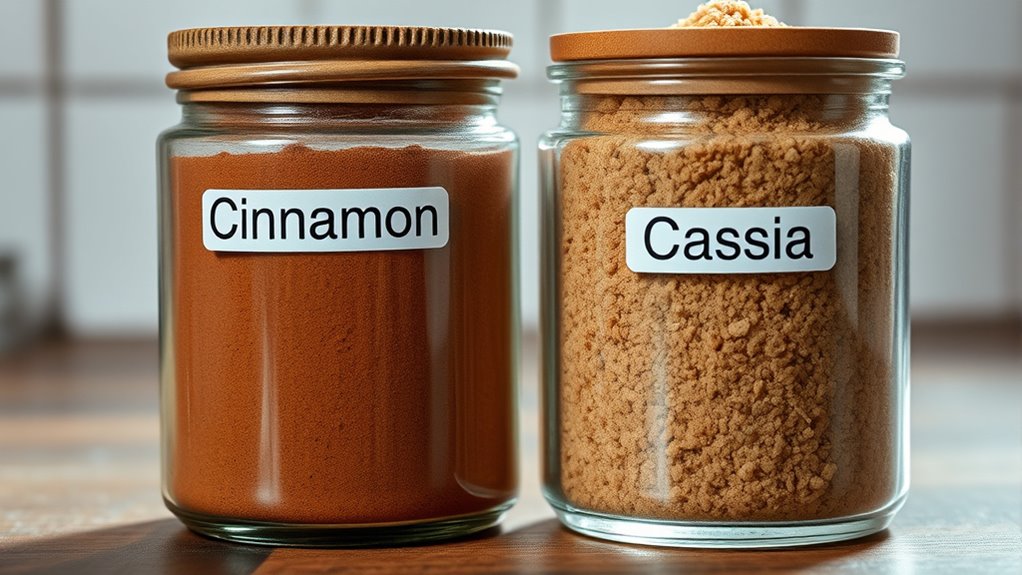
Not all cinnamon products are created equal, and understanding the difference can help you make better choices. Many products use labeling tricks to appear authentic, but not all cinnamon is pure or high quality. Some packages claim to contain “cinnamon” but are actually adulterated with cheaper fillers or synthetic substitutes. Learning how to spot adulteration detection methods can save you from buying inferior or contaminated products. For example, check the labeling for terms like “Ceylon cinnamon” versus “cassia” or “Saigon cinnamon,” which often indicate adulteration. Genuine Ceylon cinnamon has a distinct aroma and a softer texture, making it easier to identify. Being aware of these subtle cues helps guarantee you’re getting real cinnamon and not a lower-quality imitation. Additionally, vetted products can provide assurance of safety and quality, helping you avoid products with hidden fillers or potentially harmful ingredients. Recognizing adulteration signs, such as unusual color or texture, can further protect you from purchasing inferior options. Paying attention to quality indicators like aroma, texture, and labeling can also guide you toward authentic cinnamon. Moreover, understanding regulatory differences in labeling can help you discern genuine products from deceptive ones, ensuring you make informed choices. Being familiar with authentic cinnamon varieties can further assist in identifying genuine products and avoiding common pitfalls.
What Are the Main Differences Between Cinnamon and Cassia?
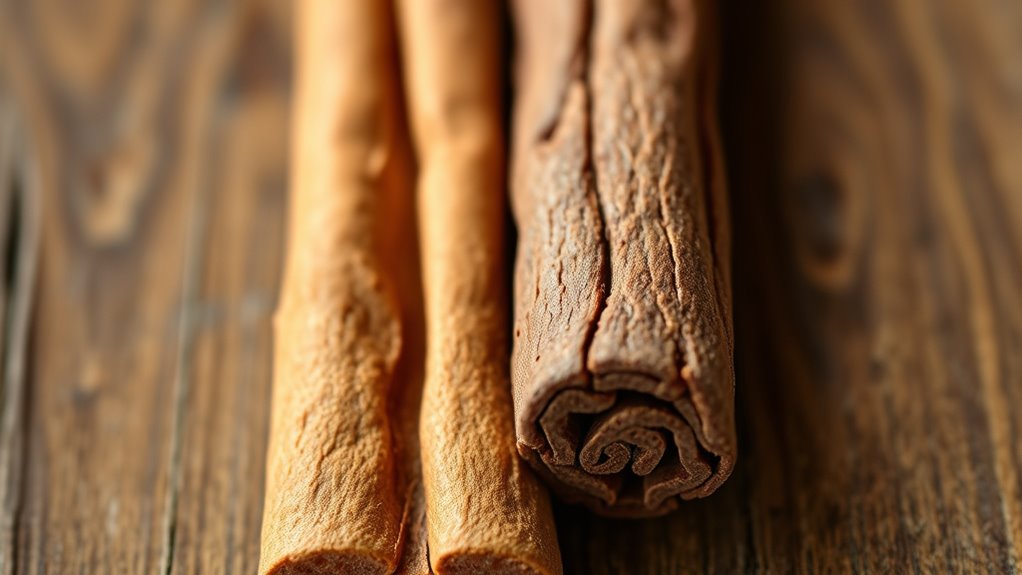
While many products label themselves simply as cinnamon, it’s important to recognize that not all cinnamon is the same. True cinnamon, or Ceylon cinnamon, comes from the cinnamon cultivation of specific varieties and is harvested carefully to preserve its delicate layers. Cassia, on the other hand, is usually more robust and comes from a different species of the cinnamon tree. During cassia harvesting, thicker bark is stripped from the tree, resulting in a coarser, darker spice. These differences affect flavor, aroma, and safety. Cassia tends to be stronger, with a more pungent taste, while true cinnamon offers a sweeter, gentler profile. Understanding these distinctions helps you make informed choices and avoid confusion caused by labeling tricks. Color accuracy and proper harvesting methods also influence the quality and safety of cinnamon products available on the market. Additionally, harvesting techniques play a significant role in maintaining the authentic qualities of true cinnamon. Furthermore, species variation impacts not only flavor but also potential health considerations associated with each type. Recognizing the origin and source of cinnamon can help consumers select safer and higher-quality options. Being aware of labeling tricks used by some brands can further aid in making accurate selections.
How Can You Tell Real Cinnamon From Cassia?

To tell real cinnamon from cassia, start by checking the label for its origin and type. You can also recognize the difference by looking at the color—true cinnamon is lighter and more delicate— and by smelling its aroma, which is sweeter and more fragrant. Paying attention to these clues will help you identify genuine cinnamon more easily.
Check The Label
Wondering how to tell real cinnamon from cassia? The key is to check the label carefully. Look for label accuracy and ingredient transparency—trustworthy brands clearly state “Ceylon cinnamon” or “true cinnamon” instead of generic “cinnamon.” If the label simply says “cinnamon,” it’s often cassia, which is cheaper and less delicate. Be cautious of vague or ambiguous descriptions, and avoid products with unclear ingredient lists. Reputable brands will specify the type of cinnamon they use, helping you make an informed choice. Reading ingredient labels can help you confirm the authenticity of the cinnamon you purchase. Additionally, understanding the appliance labels used by manufacturers can provide insight into product quality and safety standards, ensuring you’re selecting genuine and reliable products. Recognizing quality standards in labeling can further help you distinguish authentic cinnamon from imposters. Since cinnamon can sometimes be contaminated or adulterated, paying attention to certifications and quality marks can be a useful step. Remember, a transparent label isn’t just about marketing—it’s your best tool to ensure you’re getting genuine cinnamon and avoiding the cheaper, less desirable cassia. Always scrutinize the label for clarity and honesty. Moreover, being aware of Glycolic Acid Benefits can help you understand the importance of choosing high-quality, pure products free from adulterants.
Recognize The Color
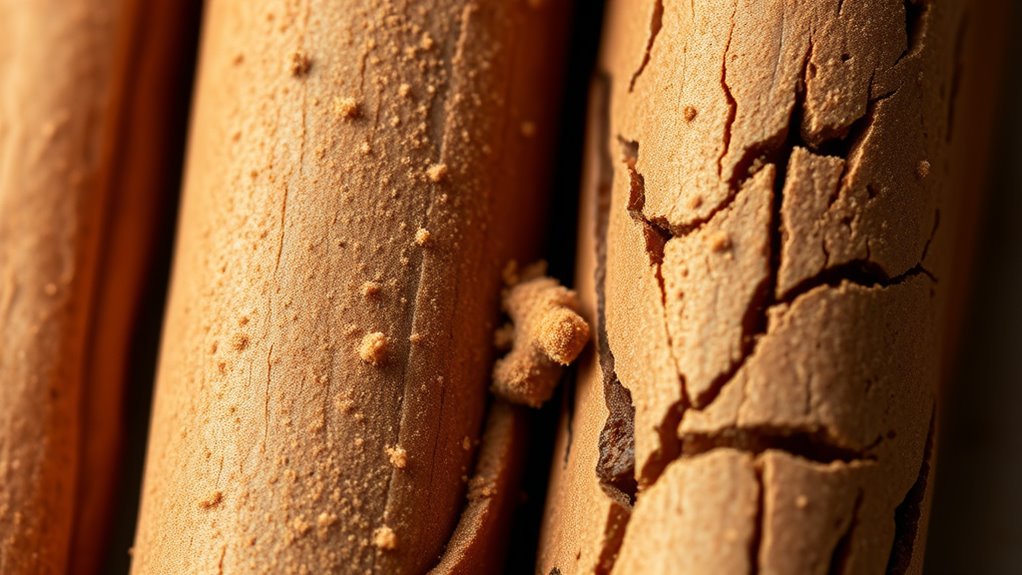
The color of cinnamon can help you distinguish genuine Ceylon cinnamon from cassia. Visual identification relies on observing their natural hues. Ceylon cinnamon typically appears lighter, with a soft, tan-brown shade, while cassia is darker, with a deeper, reddish-brown tone. Recognizing these subtle differences through color recognition can prevent mislabeling. Here’s a quick reference:
| Cinnamon Type | Typical Color | Visual Clue |
|---|---|---|
| Ceylon | Light tan-brown | Softer, almost cinnamon-colored |
| Cassia | Dark reddish-brown | Richer, more vibrant hue |
| When in doubt, | Look for a more delicate shade | Use color as an initial guide |
| Note: | Color can vary slightly | Always verify with other indicators |
Being aware of visual identification techniques is especially important because labeling can sometimes be misleading. Recognizing the natural hues of cinnamon helps consumers make more informed choices, especially in markets where mislabeling is common.
Smell The Aroma
Have you noticed how the aroma of cinnamon can reveal its true origin? Aroma detection is key when distinguishing real cinnamon from cassia. Genuine cinnamon has a sweet, warm, and slightly spicy scent with subtle citrus undertones. Cassia, on the other hand, emits a stronger, more pungent aroma that’s sharper and less refined. To identify the difference through scent, take a moment to smell the spice closely. Real cinnamon’s aroma feels nuanced and inviting, while cassia’s scent can seem overpowering or harsh. Trust your sense of smell for scent identification—if it smells overly intense or medicinal, it’s likely cassia. Recognizing these aromatic nuances helps you avoid misleading labels and ensures you’re choosing authentic cinnamon. Your nose is a powerful tool in this simple but effective test. Additionally, understanding spice quality can help you select the best products and avoid adulteration. Being aware of herbal adulterants can further protect you from purchasing inferior or mixed spices.
How Do Labels Trick Most Buyers Into Buying Cassia?

Many labels can be misleading, making it hard to tell whether you’re buying real cinnamon or cassia. Brands often use confusing names or omit key details to hide the difference. As a result, most buyers unknowingly purchase cassia when they think they’re getting cinnamon. Additionally, understanding labeling practices can help consumers make more informed choices. Recognizing authentic cinnamon versus cassia based on the label can prevent unintentional purchases of the less desirable variety. Being aware of affiliate disclosures can also give consumers insight into potential biases in product recommendations. Familiarity with vetted wave and wind can further assist buyers in understanding product authenticity and quality.
Misleading Ingredient Labels
Because ingredient labels often lack transparency, most buyers are tricked into purchasing cassia instead of true cinnamon. Labeling tricks, such as listing “cinnamon” without specifying the type, create ingredient confusion. Many products simply state “cinnamon” on the packaging, leading you to believe you’re buying authentic Ceylon cinnamon. However, manufacturers often use cheaper cassia and label it as cinnamon to cut costs. This ambiguity allows cassia to slip past buyers who trust the label without scrutinizing the fine print. Without clear distinctions, you might unknowingly consume a less desirable, potentially harmful variety. Recognizing these labeling tricks is key to making informed choices. Always read ingredient lists carefully and look for specific terms like “Ceylon” or “true cinnamon” to avoid falling for misleading ingredient labels.
Confusing Name Similarities
How do labels trick most buyers into choosing cassia over true cinnamon? The confusing similarity in names plays a big role. Many products simply list “cinnamon” without specifying the type, leading to misleading packaging that suggests authenticity. This ingredient deception makes it easy to mistake cassia for true cinnamon, especially when the label omits details or uses vague language. Stores often display cassia alongside true cinnamon, blurring the lines and making it hard for consumers to distinguish between the two. Without careful reading, you might assume you’re getting the high-quality cinnamon, but the label’s ambiguity masks the truth. This clever naming trick exploits your trust, making it more likely you’ll purchase cassia unknowingly.
What Are the Health Risks of Consuming Cassia Instead of True Cinnamon?
Consuming cassia instead of true cinnamon can pose health risks due to its higher levels of coumarin, a naturally occurring compound that can be be harmful in large quantities. Excess coumarin intake has been linked to liver damage, kidney issues, and increased bleeding risk. While cinnamon health benefits are well-known, cassia risks should not be ignored, especially if you consume it regularly or in large amounts. Many people are unaware that the cinnamon labeled as “cinnamon” in stores is often cassia, which contains considerably more coumarin than true cinnamon. Prolonged exposure to high coumarin levels can lead to serious health problems, making it essential to choose true cinnamon for safer consumption and to reduce cassia’s potential health risks. Understanding cinnamon varieties helps consumers make informed choices and avoid unintended health issues.
Which Cinnamon Is Better for Cooking and Baking?
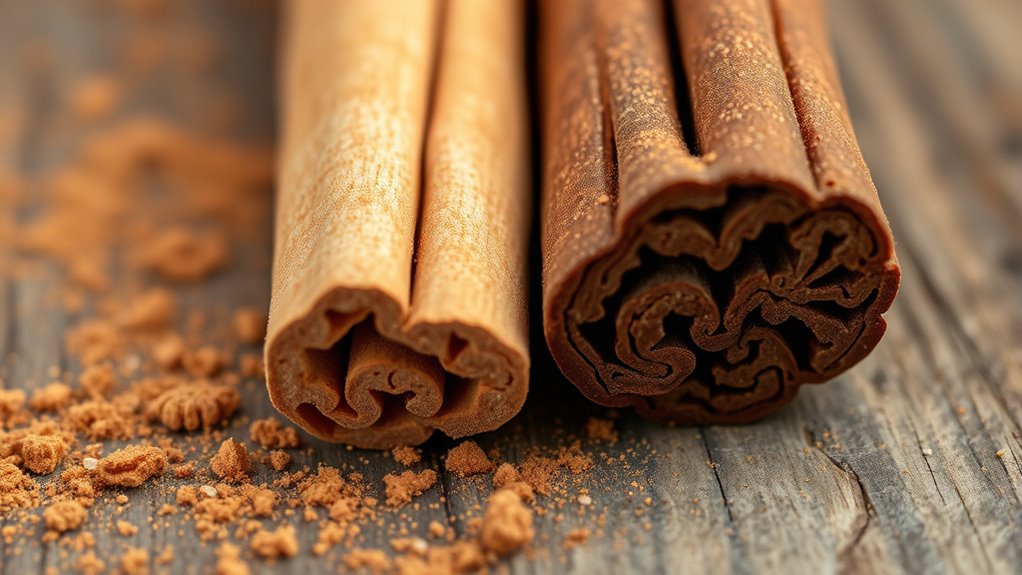
When choosing cinnamon for your recipes, consider how its flavor profile and warmth will complement your dishes. You should also think about its versatility in different culinary uses and how health benefits or risks might influence your choice. Ultimately, selecting the right cinnamon depends on balancing flavor, application, and safety.
Flavor Profiles and Warmth
Cinnamon’s flavor profiles and warmth levels considerably influence its suitability for various cooking and baking applications. You’ll notice aroma differences between true cinnamon and cassia, which contribute to their distinct flavor nuances. True cinnamon offers a gentle, sweet, and slightly citrusy aroma, with a delicate warmth that elevates baked goods without overpowering other ingredients. Cassia, on the other hand, has a stronger, spicier aroma with more intense warmth, making it ideal for hearty dishes and robust flavors. When choosing which to use, consider the desired flavor nuance and warmth level. For subtle desserts or delicate pastries, true cinnamon’s nuanced aroma works best. For bold, spicy recipes, cassia’s more assertive warmth enhances the overall flavor profile.
Culinary Uses and Versatility
Choosing the right type of cinnamon can substantially impact the flavor and success of your dishes. Cassia, with its bold, intense taste, works well in hearty spice pairings and robust recipes, making it a favorite in many culinary traditions worldwide. It adds warmth and depth to baked goods like cinnamon rolls, apple pies, or spice cakes. On the other hand, Ceylon cinnamon offers a sweeter, more delicate flavor, ideal for lighter desserts, teas, and delicate pastries. Its nuanced aroma complements subtle flavors without overpowering them. When selecting cinnamon for cooking and baking, consider the dish’s complexity and your flavor preferences. Cassia’s stronger profile suits bold recipes, while Ceylon’s gentler touch enhances more refined culinary creations.
Health Benefits and Risks
Although both cassia and Ceylon cinnamon offer health benefits, they differ markedly in safety and risk factors. Cassia contains higher coumarin levels, which can harm your liver and kidneys if consumed excessively. Ceylon cinnamon, with its lower coumarin content, is safer for regular use. Both types provide beneficial nutritional content and medicinal properties, such as anti-inflammatory and antioxidant effects. However, for cooking and baking, Ceylon cinnamon is the better choice due to its safety profile. Consider this comparison:
| Aspect | Cassia Cinnamon | Ceylon Cinnamon | Key Takeaway |
|---|---|---|---|
| Nutritional Content | Higher coumarin levels | Lower coumarin levels | Safer for frequent use |
| Medicinal Properties | Anti-inflammatory benefits | Similar benefits, safer | Prioritize for health |
| Safety | Potential health risks | Safer, recommended for daily | Choose wisely for health |
How Do Ceylon Cinnamon and Cassia Compare in Flavor and Quality?

Ceylon cinnamon and cassia differ markedly in both flavor and quality, making it important to understand their distinct characteristics. Ceylon cinnamon, originating mainly from Sri Lanka, has a delicate, sweet, and complex flavor with subtle citrus notes. It’s often considered the higher-quality choice due to its thin, fragile quills and lower coumarin levels. Cassia varieties, including Chinese, Indonesian, and Saigon cassia, tend to have a stronger, more pungent taste with a woody or spicy bite. Their thicker, harder bark results in a coarser texture. While cassia is more affordable and widely available, Ceylon cinnamon’s nuanced flavor and lower coumarin content make it the preferred option for quality-conscious consumers. Understanding these differences helps you choose based on flavor profile and quality standards.
How to Spot Authentic Ceylon Cinnamon at the Store?
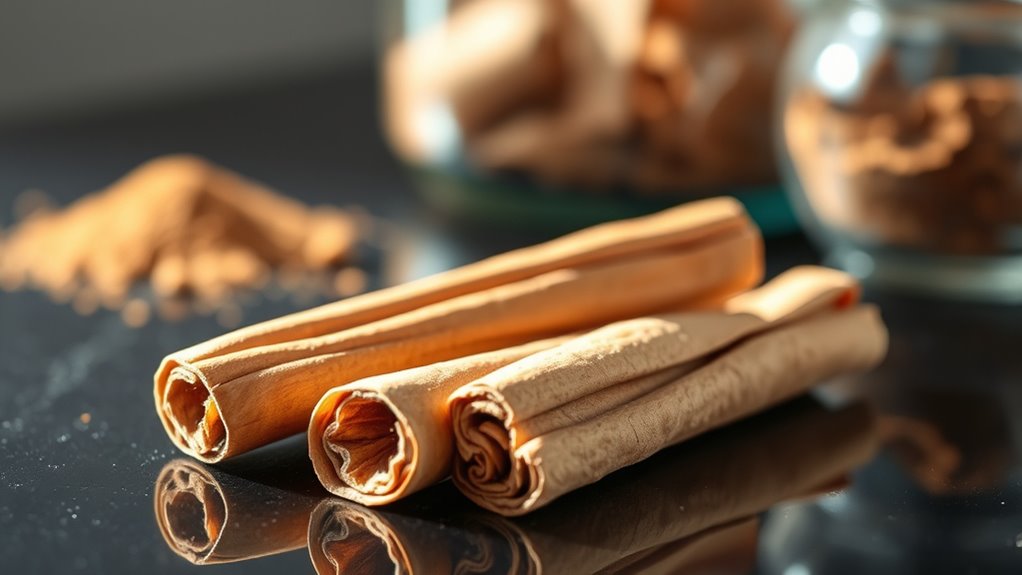
To spot authentic Ceylon cinnamon at the store, start by examining the appearance of the sticks. Genuine Ceylon cinnamon sticks are thin, soft, and easily breakable, with multiple layers resembling paper. This visual clue helps confirm cinnamon authenticity, as true Ceylon has a delicate, flaky structure. Be wary of label deception—many packages claiming “Ceylon” may contain Cassia. Check the label carefully for words like “Ceylon” or “true cinnamon,” and avoid generic “cinnamon” labels without specifics. Authentic Ceylon cinnamon usually lists minimal ingredients, often just cinnamon bark. If the sticks are hard, thick, or uniform, they’re likely Cassia. Recognizing these signs ensures you’re buying real Ceylon cinnamon and not falling for misleading labels.
How Can You Avoid Buying Hidden Cassia When Shopping?
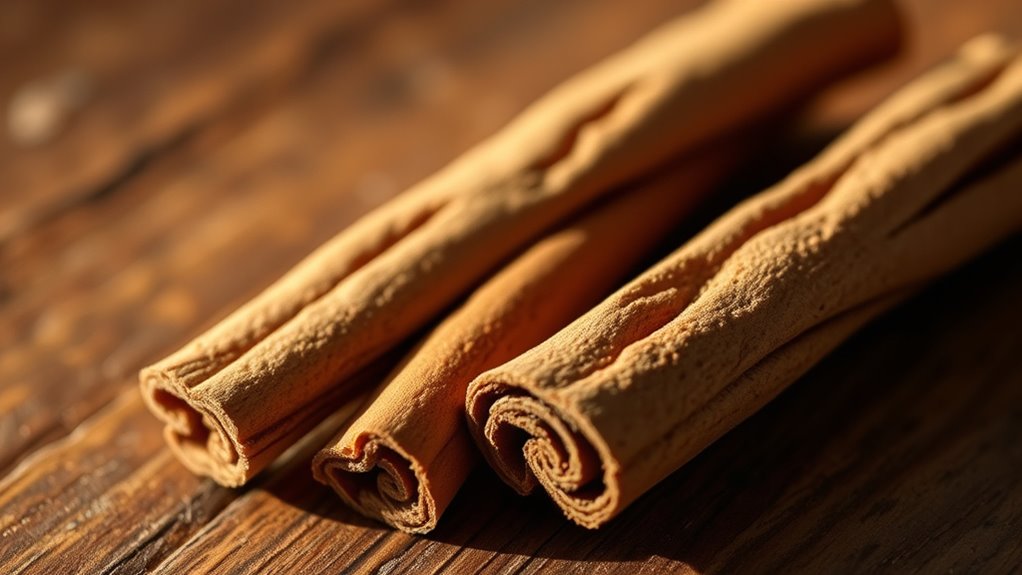
Wondering how to steer clear of hidden Cassia when shopping for cinnamon? The key lies in paying close attention to label accuracy. Reputable brands clearly specify “Ceylon cinnamon” or “true cinnamon,” helping you distinguish it from cheaper Cassia options. Educate yourself on the labels and avoid generic or vague descriptions like “cinnamon” without further detail. Consumer awareness is essential—research brands beforehand and look for certifications or trusted sources. When shopping online, read product descriptions carefully and check reviews for confirmation. By becoming more aware of packaging cues and ingredient lists, you can confidently avoid inadvertently purchasing Cassia. Remember, transparency in labeling is your best defense against hidden additives, so always prioritize products with clear, accurate labels to ensure you’re getting genuine cinnamon.
What Are the Risks of Eating Too Much Cassia?
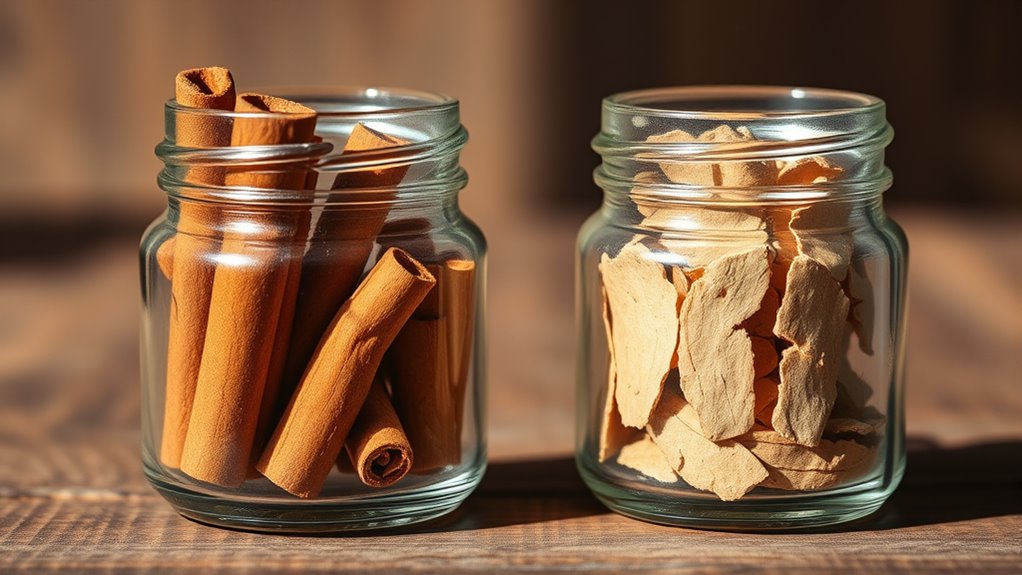
Eating too much Cassia can pose significant health risks because it contains higher levels of coumarin, a natural compound that can be toxic in large amounts. Consuming excessive coumarin may lead to serious health implications, including liver damage and increased bleeding risk. Your dosage concerns are vital because even small amounts of Cassia over time can accumulate and cause harm. If you regularly eat large quantities of Cassia, you might unknowingly expose yourself to these risks. It’s important to monitor your intake and choose Ceylon cinnamon when possible, as it contains much lower coumarin levels. Always be aware of the cinnamon labeling to avoid inadvertently consuming dangerous levels of coumarin, especially if you use cinnamon daily or in high doses.
Frequently Asked Questions
Can Cinnamon Supplements Contain Only True Cinnamon?
Cinnamon supplements can sometimes contain only true cinnamon, but beware of cinnamon adulteration and cassia substitution. Many products labeled as cinnamon may actually include cassia, which is cheaper and often contains higher levels of coumarin. To guarantee you’re getting true cinnamon, always check labels carefully and buy from reputable sources that specify Ceylon cinnamon, which is the genuine variety, reducing the risk of adulteration and cassia substitution.
How Does the Price Indicate Cinnamon Quality?
You can often gauge cinnamon quality through pricing cues; higher prices usually reflect better quality and purity, indicating a premium product with fewer additives and more authentic cinnamon. Market value influences the cost, so if a cinnamon product is considerably cheaper, it might be a lower-quality or adulterated version like cassia. Trust reputable brands and check labels to ensure you’re getting true cinnamon, which justifies its higher price.
Are There Certifications to Verify Cinnamon Authenticity?
Yes, certifications can confirm cinnamon authenticity. Look for labels like Fair Trade, Organic, or specific certification standards such as USDA Organic or EU Organic. These standards help prevent cinnamon adulteration and ensure you’re getting genuine cinnamon, not mixed or fake products. Always check for reputable certification logos on the packaging, so you can confidently select high-quality, authentic cinnamon that meets safety and purity standards.
Does Organic Labeling Guarantee Genuine Cinnamon?
Organic labeling doesn’t guarantee genuine cinnamon, and you should be cautious about organic fraud and labeling deception. Just like a wolf in sheep’s clothing, some products falsely claim to be organic, hiding inferior or counterfeit cinnamon. Always look for trusted certifications and verify the source. While organic labels are a good sign, they aren’t foolproof, so doing your research helps you avoid being duped and ensures you get authentic, high-quality cinnamon.
How Does Cinnamon’s Origin Affect Its Quality?
Your cinnamon’s origin considerably impacts its quality due to botanical differences and geographic influence. For example, Ceylon cinnamon from Sri Lanka offers a delicate, sweet flavor and is considered higher quality, while Cassia from China or Indonesia tends to be more robust and less expensive. The climate, soil, and harvesting methods in each region shape the cinnamon’s aroma, potency, and purity, making origin a key factor in choosing the best cinnamon for your needs.
Conclusion
By choosing authenticity over deception, you become the guardian of your health’s garden. Recognize the beacon of true Ceylon cinnamon amidst the shadows of false labels, and let your knowledge be the lantern guiding you past hidden pitfalls. Every careful choice is a seed you plant for a healthier future, cultivating wisdom that blooms with every mindful purchase. In this delicate dance, your awareness is the key that *unveils* purity and safeguards your well-being.