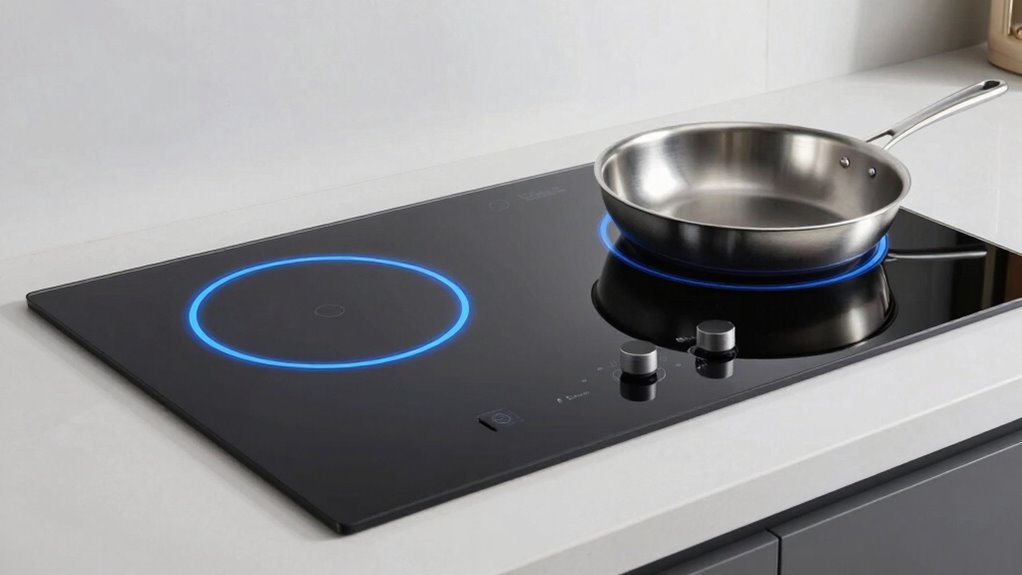

Induction compatibility means your cookware contains magnetic materials like cast iron or certain stainless steels, which respond to the stove’s magnetic field. The stove detects this response with sensors, activating the magnetic field to generate heat. You can test your pots and pans with a magnet—if it sticks, it’s compatible. Understanding what “magnetic” really means helps you choose the right cookware and troubleshoot issues, so keep exploring to learn more about how this works.
Key Takeaways
- “Magnetic” means the cookware contains ferromagnetic materials like cast iron or certain stainless steels that respond to magnetic fields.
- Induction-compatible cookware must be attracted by a magnet, indicating it can generate heat on an induction stove.
- Not all metal cookware is magnetic; appearance alone doesn’t guarantee induction suitability.
- Proper magnetic response ensures efficient heating and safe operation of induction cooktops.
- Conducting a magnet test is the simplest way to verify if cookware is truly induction-compatible.

CAROTE Nonstick Pots and Pans, Induction Titanium Cookware Set 16pcs Kitchen Cooking Sets, Pot and Pan Non Stick w/Frying pan (PFOS, PFOA Free)
Superior Nonstick Performance: Featuring a titanium nonstick coating, our pots and pans set offers exceptional durability and effortless…
As an affiliate, we earn on qualifying purchases.
As an affiliate, we earn on qualifying purchases.
What Materials Are Naturally Compatible With Induction Cooking?
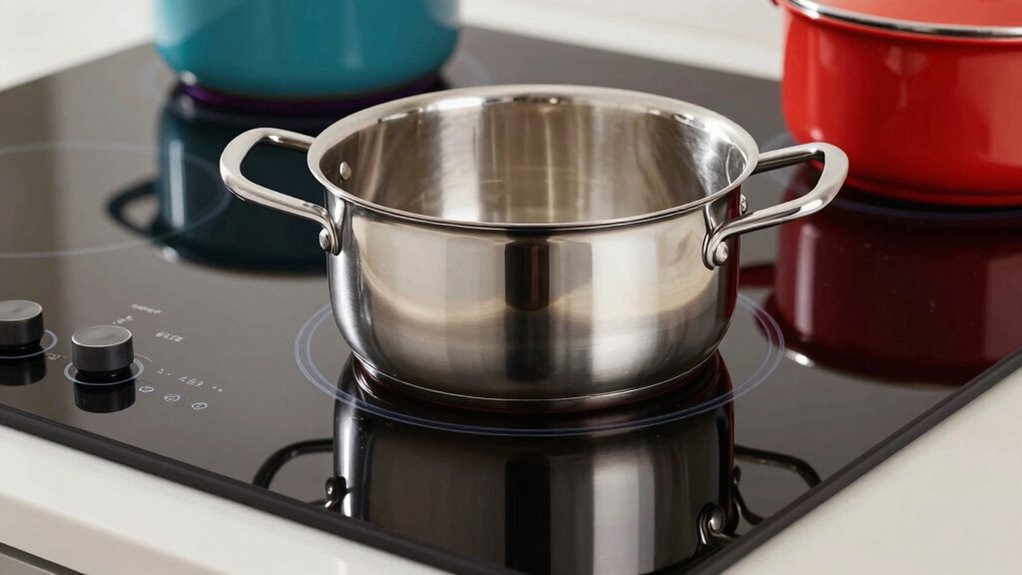
Induction cooking requires cookware that can directly transfer magnetic energy to heat food efficiently. Typically, materials like cast iron and magnetic stainless steel are naturally compatible because they contain ferromagnetic properties. These materials enable you to perform various cooking techniques seamlessly, ensuring quick and even heating. When choosing cookware, consider its magnetic responsiveness to avoid frustration or wasted energy. Proper appliance maintenance, such as keeping the cooktop surface clean and inspecting the cookware for warping, helps maintain efficiency and safety. Using compatible materials not only enhances your cooking experience but also prolongs the lifespan of your induction stove. Testing with a magnet can quickly confirm if your cookware is suitable for induction cooking, which is especially important given the specific material requirements of induction surfaces. Additionally, selecting cookware with consistent ferromagnetic properties ensures optimal heat transfer and efficient energy use, leading to better cooking results and energy savings. Regularly checking the magnetic responsiveness of your cookware can help prevent issues during cooking. Maintaining the magnetic properties of your cookware is essential for consistent performance over time.

Cuisinart Chef’s Classic 11-Piece Stainless Steel Pots and Pans Set, Cookware Set Compatible with Induction, Electric, Gas Cooktops, Aluminum Core for Even Heat, Cool Grip Handles, Dishwasher Safe
KITCHEN COOKWARE SET: This Cuisinart stainless steel cookware set includes 1.5 qt. & 2.5 qt. saucepans w/glass covers,…
As an affiliate, we earn on qualifying purchases.
As an affiliate, we earn on qualifying purchases.
How Do Induction Stoves Detect Magnetic Cookware?
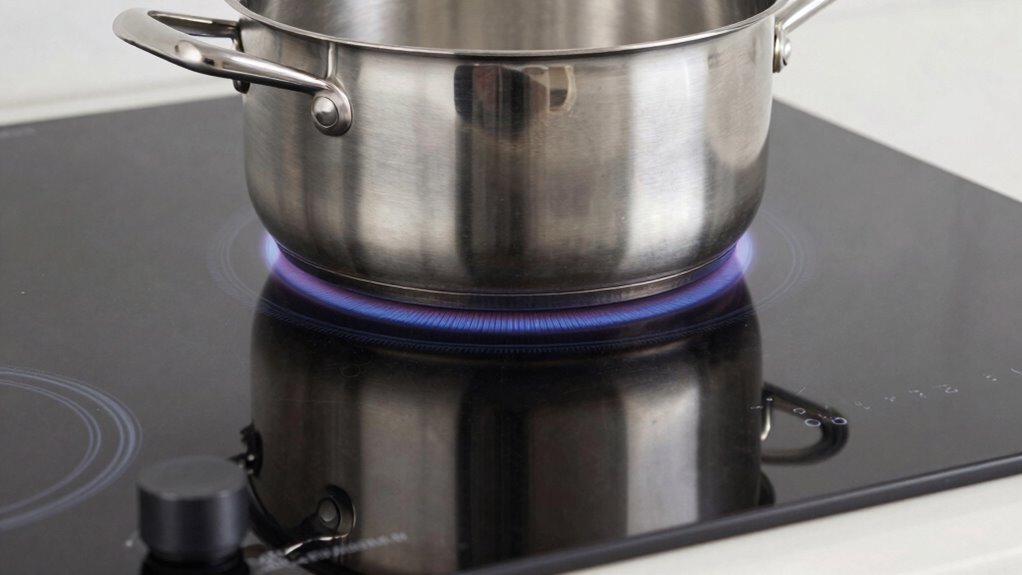
When you place cookware on an induction stove, the device uses a magnetic field to check if it’s compatible. The stove’s coil creates an electromagnetic field, which detects whether the cookware can conduct magnetism. If it does, the stove activates the coil to start heating efficiently. A high-quality detection system ensures accurate identification of suitable cookware, preventing energy waste and enhancing safety. Reliable detection also depends on the material composition of the cookware, ensuring only compatible pieces are heated. Additionally, induction technology relies on precise control of magnetic flux to optimize performance. Understanding the magnetic properties of cookware materials helps explain how induction stoves achieve such effective detection.
Magnetic Field Detection
Magnetic field detection is the key process that allows induction stoves to identify suitable cookware. When you place a pot or pan on the stove, it emits a magnetic response due to its ferromagnetic properties. The stove detects this response through sensors, confirming the cookware’s induction safety. The stove prevents energy from flowing into non-compatible materials, ensuring efficient operation and reducing electromagnetic interference. The stove continuously monitors the magnetic field to verify cookware presence before activating. This advanced detection method also enhances cloud security by ensuring only appropriate materials are heated, reducing potential electromagnetic disturbances. Additionally, the magnetic properties of the cookware determine the sensitivity and accuracy of detection, making it vital to use compatible pots and pans.
Coil Activation Process
Once the stove detects a magnetic response indicating compatible cookware, it activates its coil system to generate the necessary electromagnetic field. The induction coil, embedded beneath the cooktop surface, begins to energize, creating a magnetic induction field. This field induces electrical currents directly into the cookware, which heats up quickly and efficiently. The process relies on the cookware’s magnetic properties; if it’s ferromagnetic, the coil’s magnetic induction causes energy transfer, making the pot or pan heat up. If the cookware isn’t magnetic, the stove’s sensors won’t activate the coil, preventing energy waste and ensuring safety. This precise activation ensures that only compatible, magnetic cookware heats on induction stoves, making cooking faster, cleaner, and more energy-efficient. Additionally, magnetic response detection is crucial for the stove’s safety features, preventing accidental activation with non-compatible materials.

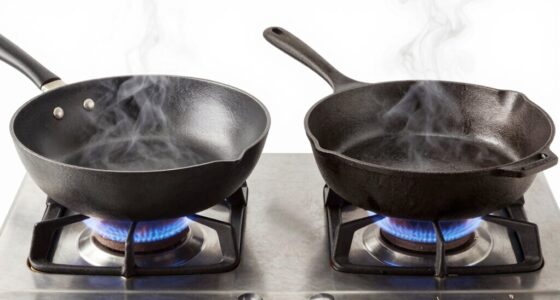
Lodge Seasoned Cast Iron Skillet Set 8, 10.25 & 12 Inches – PFAS-Free, Non-Toxic Cookware – Use with an Oven, Stove, Grill, or Campfire – Naturally Non-Stick & Oven Safe
Quality Cast Iron Frying Pan: The Lodge Seasoned Cast Iron Skillet is loved for its great heat retention,…
As an affiliate, we earn on qualifying purchases.
As an affiliate, we earn on qualifying purchases.
How Can You Test If Your Pots and Pans Are Magnetic?
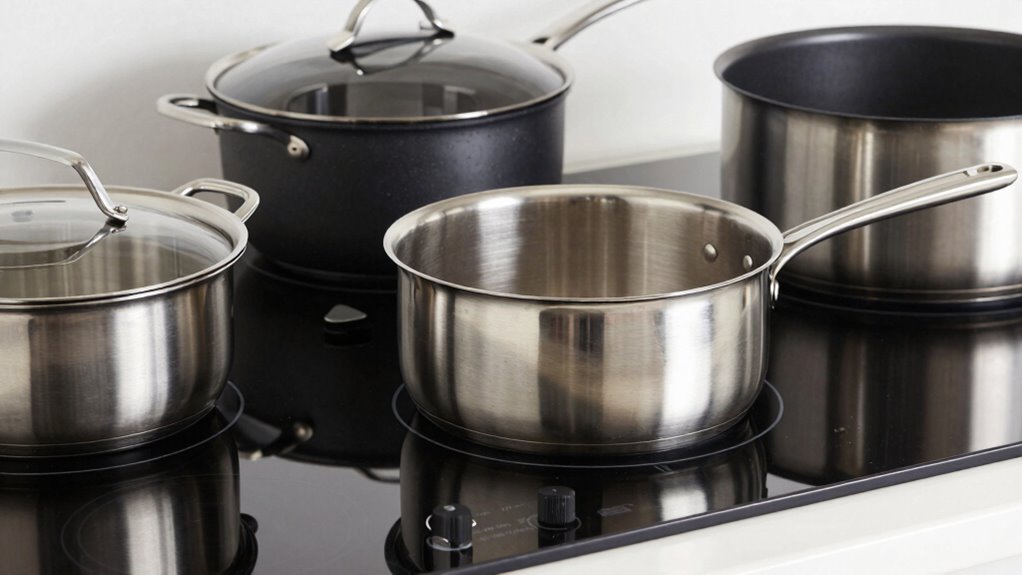
Curious whether your pots and pans are magnetic? To perform simple induction testing, try these steps to check if your cookware magnetic:
- Pick up a magnet—preferably a strong one.
- Place the magnet on the bottom of your pot or pan.
- Observe how it reacts: Does it stick firmly? If yes, it’s likely suitable for induction cooking.
- Test multiple pieces to be sure—some cookware may be only partially magnetic.
- Check the material—metal pots made from ferrous materials are generally suitable, but using a magnetic properties test ensures accurate results.
- Be aware that certain materials, like cast iron and some stainless steels, are more reliably magnetic, so understanding material composition can help you identify compatible cookware more confidently.
- Remember that not all stainless steel is magnetic; verifying with a magnet remains the simplest method for confirmation.
If your cookware magnetic test is positive, you’ve confirmed it’s compatible with induction stoves. Remember, this quick test helps you identify whether your pots and pans are induction-ready without any special tools. Always perform multiple tests to be certain of your cookware’s induction suitability.

Induction Heater Coil Kit 10pcs, Induction Heater Coils with Variety of Sizes, Flexible and Long Life Magnetic Induction Coils, Suitable for Magnetic Induction Heaters Removing Rusty Bolts & Nuts
【Upgrade Induction Heater Coil】Our Induction heater coil kit has been comprehensively upgraded. The reinforced, heat-stable thermoplastic housing has…
As an affiliate, we earn on qualifying purchases.
As an affiliate, we earn on qualifying purchases.
Why Isn’t All Cookware Suitable for Induction Stoves?
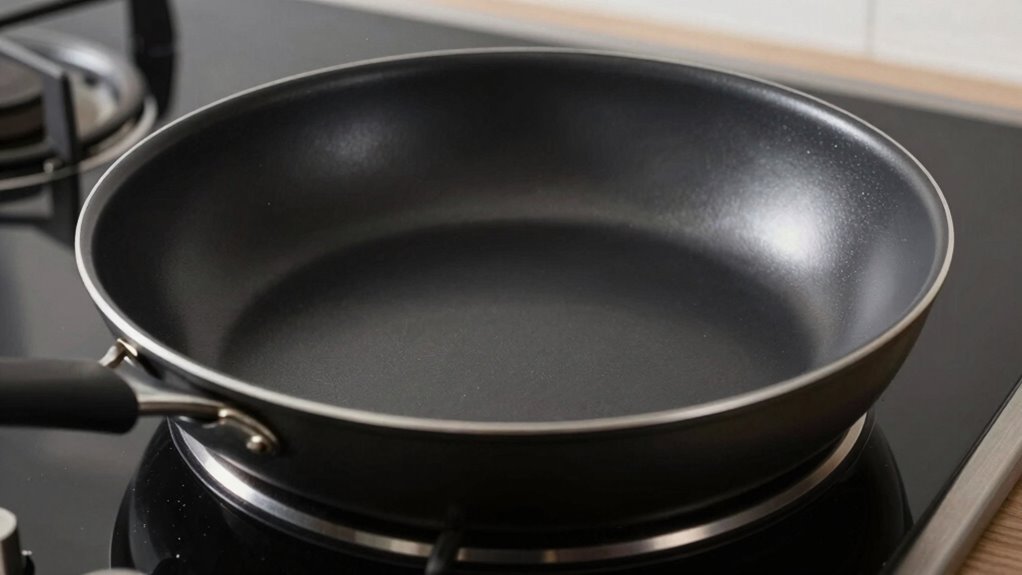
Not all cookware works with induction stoves because they rely on magnetic fields to generate heat, and only materials that are magnetic can effectively transfer this energy. Many induction myths suggest that all metal cookware is compatible, but cookware design plays a vital role. If your pots and pans aren’t made with magnetic materials like cast iron or specific stainless steel, they won’t heat properly on an induction stove. Some cookware may look suitable but lack the necessary magnetic properties, making them incompatible despite their appearance. Understanding these details helps you avoid frustration. The key is ensuring your cookware has a magnetic base, which allows induction stoves to work efficiently and safely. Remember, not every piece of metal is automatically suitable for induction cooking.
Understanding Magnetic Properties in Cookware
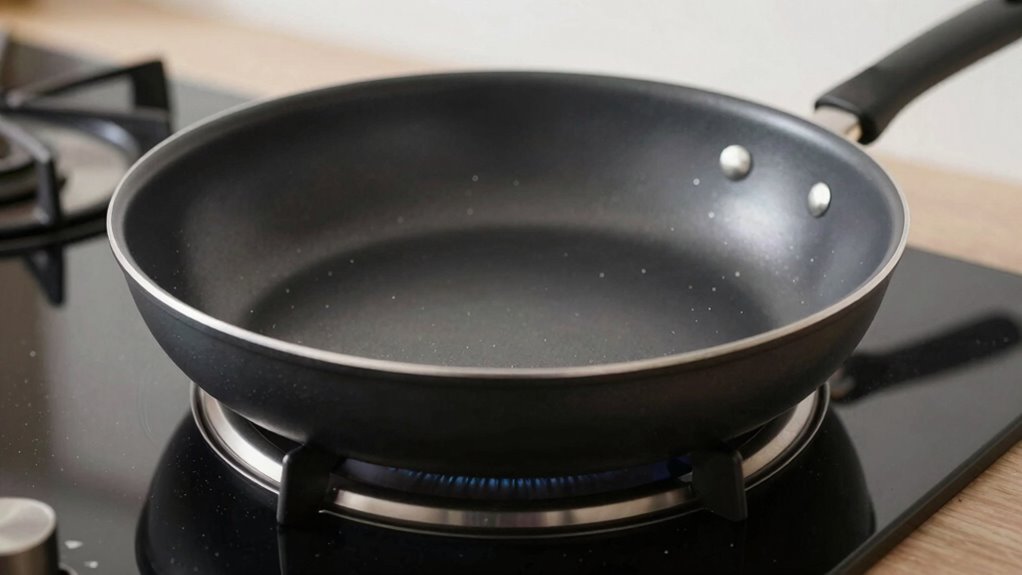
To guarantee your cookware works with induction stoves, understanding its magnetic properties is essential. Magnetic properties determine cookware compatibility with induction technology, ensuring efficient heat transfer. When shopping, consider these key points:
Ensuring your cookware’s magnetic properties guarantees compatibility and efficient performance on induction stoves.
- Magnetic attraction: Your cookware must be attracted to a magnet to work on induction.
- Material composition: Ferrous metals like cast iron and stainless steel typically have strong magnetic properties.
- Layer structure: Some stainless steel cookware has a magnetic base, so check for compatibility.
- Testing: Use a simple magnet test—if the magnet sticks firmly, your cookware likely has the right magnetic properties.
- Understanding material considerations is important, as different metals and alloys have varying magnetic responses, impacting their suitability for induction cooking. Recognizing these factors helps you select cookware with proper magnetic properties, ensuring reliable performance and a smooth cooking experience on induction stoves. Additionally, magnetic response can vary based on the specific alloy composition, making it crucial to verify compatibility before purchase.
Common Reasons Your Cookware Might Not Work on Induction
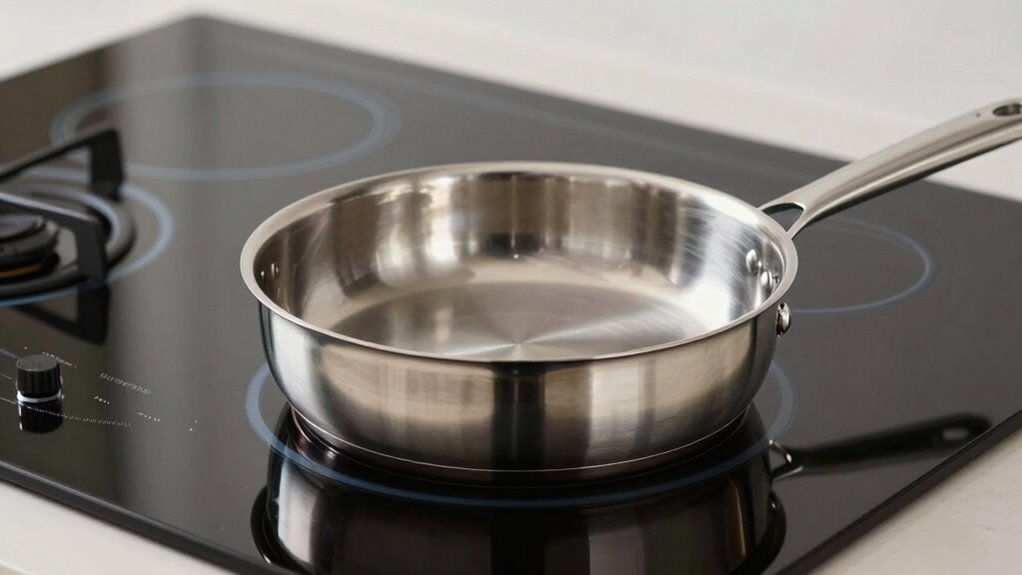
If your cookware isn’t working on your induction stove, it might be due to material compatibility issues. Some pots and pans don’t have the right magnetic properties needed for induction cooking. Additionally, a magnetic base that isn’t properly aligned or made of the correct material can prevent your cookware from heating effectively. Ensuring your cookware has the proper magnetic properties is essential for optimal performance on induction appliances. Regularly checking your cookware with a magnet test can help verify its compatibility.
Material Compatibility Issues
Many types of cookware won’t work on induction stoves because their materials aren’t compatible with magnetic fields. This can be frustrating, especially if you’re enthusiastic to cook safely and efficiently. To verify induction safety and proper cookware maintenance, check your pots and pans. Here are common issues:
- Non-magnetic metals like aluminum or copper won’t heat on induction unless they have a magnetic layer.
- Damaged or warped cookware can interfere with heat transfer.
- Thin or lightweight bases may not activate the induction field properly.
- Some cookware may look compatible but lack the magnetic properties needed for induction.
Understanding material compatibility helps avoid wasted time and money. It also guarantees safe, reliable cooking, ensuring your cookware works perfectly every time.
Magnetic Base Problems
Even when cookware appears compatible with induction, issues with the magnetic base can prevent it from heating properly. Magnetic interference from nearby electronic devices or metal objects can weaken the magnetic field, disrupting heat transfer. Additionally, if your cookware’s base isn’t flat or stable, it won’t make proper contact with the induction cooktop, reducing efficiency. A warped or uneven base can cause gaps that hinder magnetic flux, preventing consistent heating. Ensuring your cookware has a solid, flat bottom improves base stability and maintains strong magnetic contact. Sometimes, the problem isn’t the cookware itself but external interference or poor stability that blocks the magnetic field from functioning correctly. Addressing these issues can help your cookware work as intended on induction surfaces. Proper cookware design plays a crucial role in ensuring effective heat transfer. For better performance, selecting cookware with strong magnetic properties can also make a significant difference in compatibility. Incorporating Indonesian decor masks into your kitchen or living space can also introduce cultural charm and aesthetic appeal while you troubleshoot your cookware issues. Additionally, understanding induction technology fundamentals can help you identify and resolve compatibility problems more effectively.
Tips for Choosing the Right Induction-Compatible Cookware
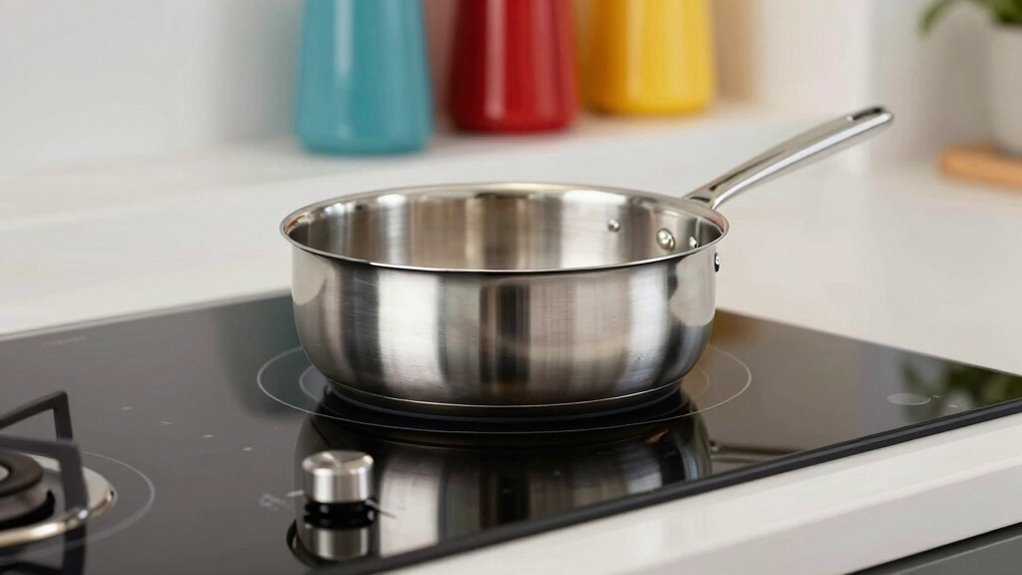
Choosing the right induction-compatible cookware starts with understanding what makes a pan suitable for induction stoves. Prioritize cookware that guarantees induction safety and offers durability you can count on. To pick the best, consider these tips:
Selecting induction-compatible cookware ensures safe, durable, and evenly cooked meals.
- Check for a magnetic base—it’s essential for induction compatibility.
- Opt for sturdy materials like cast iron or stainless steel that resist warping.
- Look for high-quality construction to boost cookware durability over time.
- Ensure even heat distribution for safe cooking and consistent results.
Troubleshooting Non-Magnetic Cookware: What Can You Do?
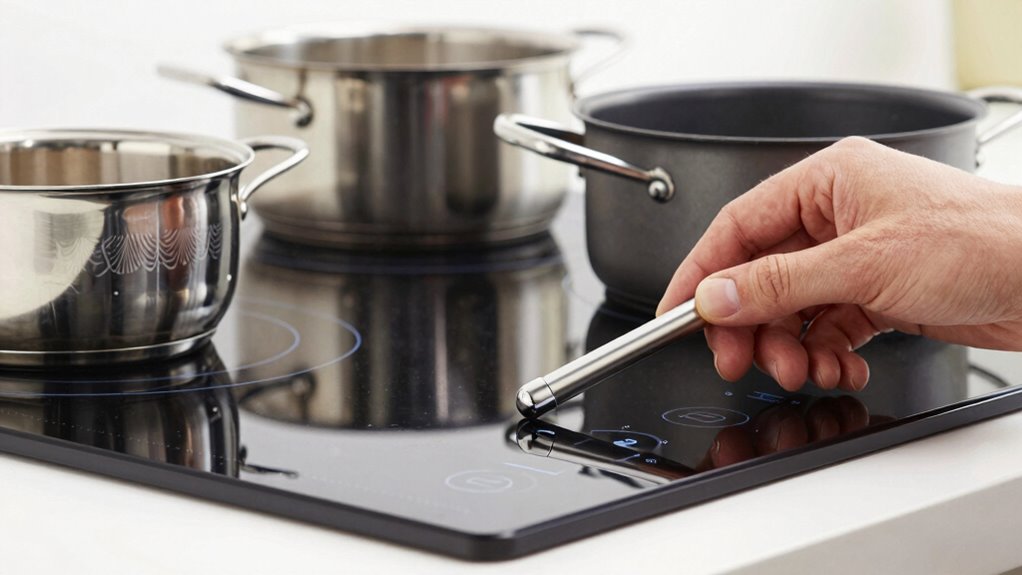
If your non-magnetic cookware isn’t working on your induction stove, don’t panic—there are several steps you can take to troubleshoot the issue. First, perform a magnetic testing by holding a magnet to the bottom of your cookware; if it sticks firmly, it should work. If it doesn’t, consider using alternative cookware made with magnetic materials like cast iron or stainless steel with a magnetic base. Sometimes, cookware labeled as “induction-compatible” may still have compatibility issues due to manufacturing variations. Also, check your stove’s settings and ensure the cookware is properly positioned on the burner. If all else fails, switching to alternative cookware designed explicitly for induction use guarantees better results and avoids frustration.
Frequently Asked Questions
Are There Any Non-Metallic Materials Suitable for Induction Cooking?
You can’t use non-metallic materials like ceramic or glass directly on induction cooktops because they lack magnetic properties. Ceramic durability and glass conductivity make them excellent for cookware, but they don’t generate heat through induction. If you want to cook with induction, you’ll need a magnetic metal layer, such as stainless steel or cast iron, beneath these materials. So, ceramic and glass alone aren’t suitable for induction cooking.
Can Certain Cookware Become Magnetic Over Time?
Did you know that some cookware can develop magnetic properties over time? While induction myths suggest materials are static, certain pans, especially those with layered bases, can become more magnetic as they age or undergo stress. This change might improve induction compatibility, but it’s rare. Usually, cookware’s magnetic properties depend on its initial materials, not time. So, don’t rely on aging to boost your pan’s induction performance.
Does Cookware’s Thickness Affect Induction Compatibility?
Yes, cookware’s thickness can affect its magnetic properties and induction compatibility. Thicker material generally enhances magnetic responsiveness because it provides more ferromagnetic material for the induction coil to interact with. However, if the material is too thick, it might slow heat transfer. You should choose cookware with a balanced thickness to guarantee good magnetic properties and efficient heating, making sure it works well on your induction stove.
Are There Health Risks Associated With Magnetic Cookware?
There are generally no significant health concerns linked to magnetic cookware, making it safe for everyday use. Safety considerations mainly involve avoiding chipped or damaged cookware that could harbor bacteria. As long as you use and clean your magnetic pots and pans properly, you shouldn’t worry about health risks. Just make certain your cookware is in good condition and follow manufacturer instructions to maintain safe, healthy cooking.
How Does Temperature Influence Magnetic Detection?
Did you know that magnetic sensitivity decreases by about 15% when temperature rises? Temperature effects profoundly influence magnetic detection, as higher heat can weaken the magnetic field, making it harder for induction cooktops to recognize compatible cookware. When the temperature increases, magnetic sensitivity drops, which may lead to inefficient heating or cookware not being detected. So, keeping your cookware at ideal temperatures guarantees better magnetic detection and cooking performance.
Conclusion
Think of your cookware as a key, fitting perfectly into the induction stove’s lock. When the metal’s magnetic, it opens a world of efficient, responsive cooking. If your pots and pans aren’t compatible, it’s like a missing piece in your culinary puzzle. By choosing the right magnetic materials, you guarantee your kitchen’s symphony plays smoothly. Embrace this invisible connection, and let your cookware be the bridge that turns sparks into culinary art.