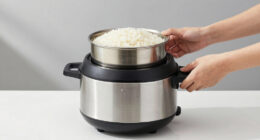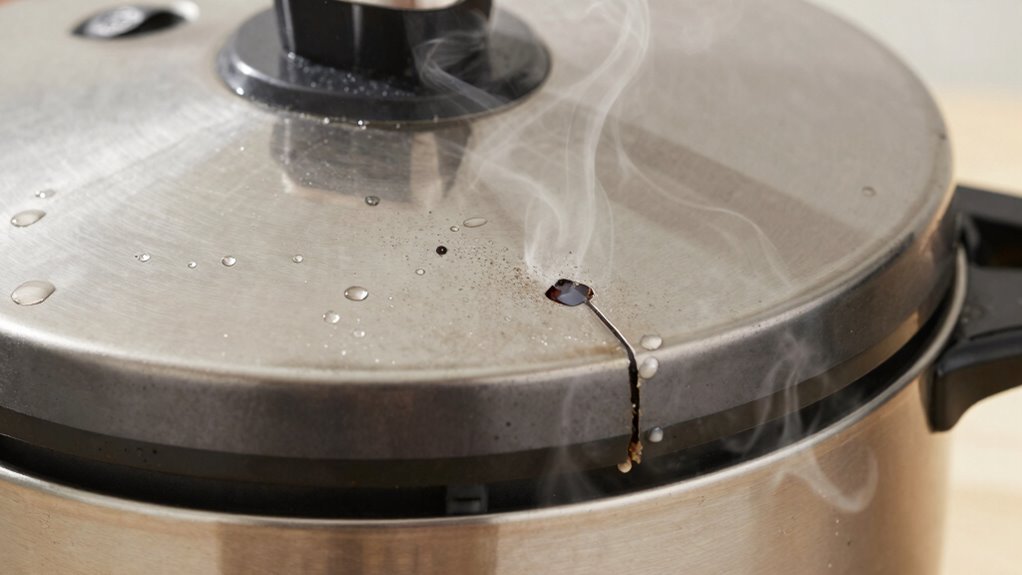

The inside of your rice cooker lid is the main spot that traps odors because moisture, food particles, and residue can build up in crevices and vents, creating a breeding ground for bacteria and mold. Regularly inspecting, cleaning with soft brushes and mild solutions like vinegar or baking soda, and drying all parts can prevent persistent smells. If you want to keep your rice cooker fresh and odor-free, there’s more essential info to help you maintain it properly.
Key Takeaways
- The inside of the lid, especially the gasket and steam vent, traps moisture and residue, promoting odor growth.
- Regularly clean the gasket and vent with soft brushes and mild soap to prevent mold buildup.
- Moisture and food particles in lid crevices create a breeding ground for bacteria and mold, causing persistent smells.
- Deep cleaning with vinegar, baking soda, and thorough drying help eliminate odors from the lid area.
- Proper maintenance, including leaving the lid open after use, prevents moisture accumulation and odor development.

Kitchen Accessories – Pot Cleaner – Rice Cooker – Scrubber – Drill Brush – 2-inch Round Spin Brush Set – Grout Cleaner – Hard Water, Mineral, Calcium, Soap Scum – Rust Remover – Bird Bath – Cleaner
Tight quarters? You can rely on our versatile, 2 inch diameter, round cleaning brushes. These handy little brushes…
As an affiliate, we earn on qualifying purchases.
As an affiliate, we earn on qualifying purchases.
Why Does the Inside of Your Rice Cooker Lid Trap Odors?
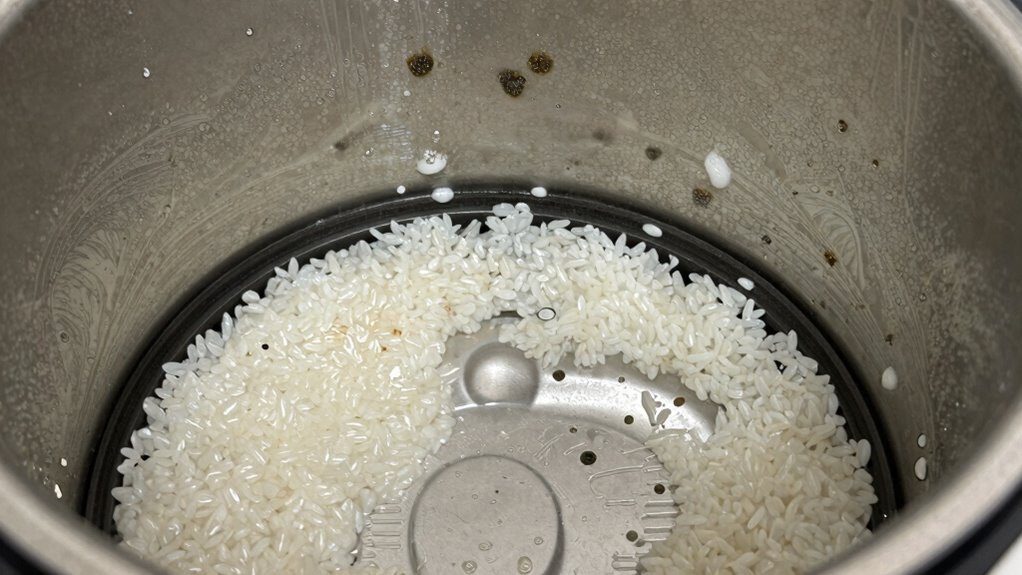
The inside of your rice cooker lid traps odors because moisture and food particles often get trapped in its crevices and porous surfaces. The lid gasket, which seals the lid to prevent steam from escaping, can harbor residue if not cleaned regularly. This buildup creates a breeding ground for bacteria and mold, causing persistent smells. Additionally, the steam vent, designed to release excess pressure, can collect food debris and moisture, intensifying odors over time. When steam condenses, it leaves behind residues that cling to these areas. Without proper cleaning, these trapped particles and moisture develop into foul smells that linger even after cooking. Regularly inspecting and wiping down the lid gasket and steam vent helps prevent odor buildup and keeps your rice cooker fresh. Proper cleaning techniques are essential to maintain a scent-free rice cooker. Proper maintenance also includes occasional deep cleaning of the entire lid area to avoid buildup of odors. Furthermore, using appropriate cleaning solutions can help eliminate stubborn smells and bacteria effectively. Additionally, choosing safe and effective cleaning methods can ensure the longevity of your rice cooker while keeping it odor-free.

Yardenfun Rice Cooker Exhaust Valve – Universal Steam Vent Replacement for Electric Rice Cookers Easy Installation Practical and Safe 1 Pack
Versatile Vent Valve: This rice cooker exhaust valve is compatible with a variety of electric rice cookers, ensuring…
As an affiliate, we earn on qualifying purchases.
As an affiliate, we earn on qualifying purchases.
How to Detect Mold, Grime, and Smells in the Lid and Steam Vent

Detecting mold, grime, and unpleasant odors in your rice cooker’s lid and steam vent requires a close inspection. Look for visible mold spots, slimy residues, or dark patches that indicate mold detection. Check the vent for sticky buildup or debris that can trap grime and odor sources. Use your nose to identify any sour or musty smells, which often point to hidden mold or residual moisture. Regularly inspecting these areas helps ensure proper air purifier maintenance and prevents odor buildup. Additionally, understanding mold growth factors can help you take preventive measures to keep your rice cooker clean and odor-free. Monitoring humidity levels in your kitchen environment can also influence mold development and should be observed for optimal appliance hygiene. Being aware of proper cleaning techniques ensures thorough removal of residues and reduces the risk of odor recurrence. Proper ventilation and humidity control are essential in preventing mold and maintaining a fresh-smelling rice cooker.

CUCKOO Micom Rice Cooker 6 Cup Uncooked / 12 Cup Cooked, Fuzzy Logic Rice Maker with Delay Timer & Keep Warm Setting, Versatile Food Steamer for Cooking, Non-Stick Inner Pot, Red (CR-0655F)
9 Multi-Functional Options: Enjoy and explore popular menu options such as white (glutinous) rice, brown rice, and porridge…
As an affiliate, we earn on qualifying purchases.
As an affiliate, we earn on qualifying purchases.
What Tools Do You Need to Deep Clean Your Rice Cooker?

To deep clean your rice cooker effectively, you’ll need a few essential tools and supplies. These include soft brushes, non-abrasive sponges, and cleaning cloths to remove grime without scratching surfaces. For tougher stains, you might also want optional items like a mild scrubber or baking soda paste. Additionally, understanding cleaning appliances can help you select the best tools and techniques for maintaining your rice cooker. Regular maintenance, including tool selection, ensures your appliance stays odor-free and functions optimally. Being aware of proper cleaning techniques can further prolong the lifespan of your rice cooker and prevent lingering odors. Incorporating appropriate cleaning methods can also help avoid damage to sensitive components and ensure a thorough, safe cleaning process.
Tools for Effective Deep Cleaning
Deep cleaning your rice cooker requires the right tools to guarantee all residue and buildup are thoroughly removed. Start with cleaning brushes to reach tight corners and small crevices, ensuring you scrub away stuck-on grime. Scrubbing pads are essential for more stubborn stains on the cooker’s surfaces and inner lid. Use gentle, non-abrasive pads to avoid scratching the non-stick coating. A small, soft brush can help clean around the heating element without damaging it. Additionally, a microfiber cloth is useful for wiping down surfaces after scrubbing. Having these tools on hand makes deep cleaning more effective and efficient, helping you eliminate odors and prevent mold growth. Proper cleaning techniques and the right tools can significantly extend the lifespan of your rice cooker. Using appropriate cleaning tools designed specifically for small appliances ensures thorough cleaning without damaging delicate parts. Incorporating proper maintenance practices can further help prevent odor buildup and keep your cooker functioning optimally. Regularly inspecting and maintaining the ventilation system of your rice cooker can prevent moisture buildup that leads to odors. With the right tools, your rice cooker will stay clean, fresh, and ready for the next use.
Essential Cleaning Supplies List
Gathering the right cleaning supplies is essential for effectively deep cleaning your rice cooker. You’ll need basic cleaning tools like soft sponges, non-abrasive scrub brushes, and microfiber cloths to avoid damaging the surfaces. A small brush or toothbrush is helpful for cleaning hard-to-reach spots and vents. For odor removal, keep a mixture of baking soda and white vinegar on hand—they’re natural deodorizers that tackle lingering smells. Mild dish soap is essential for general cleaning, while a nylon scrub pad can help remove stubborn stains without scratching. Always have clean water for rinsing. Using these cleaning tools and odor removal essentials guarantees your rice cooker stays fresh, odor-free, and in top condition after every deep clean. Additionally, understanding proper maintenance techniques can help prevent odor buildup and extend the appliance’s lifespan. Regularly inspecting and cleaning the ventilation system can further reduce the chances of odors developing over time. Proper cleaning frequency also plays a crucial role in maintaining a fresh-smelling rice cooker and preventing mold growth.
Optional Items for Tough Stains
When dealing with tough stains in your rice cooker, having the right tools makes all the difference. These optional items can enhance your stain removal and odor elimination efforts, especially for stubborn residues. A non-abrasive scrub brush helps loosen grime without scratching surfaces. Baking soda or a specialized cleaner can boost stain removal power and neutralize odors. An old toothbrush can target hard-to-reach corners and stubborn spots. Having these tools on hand guarantees you can attack tough stains effectively, keeping your rice cooker fresh and odor-free.
- Non-abrasive scrub brush
- Baking soda or cleaning paste
- Old toothbrush

NentMent 6 Pack Rice Cooker Valve Gasket Replacement Lid Steam Port Silicone Pad Sealing Cover Sealer Cap for Compact Rice Cookers Food Steamer Warmer 3 Sizes 400W 500W 700W 1000W
Package Contents: 6 x Silicone Pad Float for Rice Cooker Replacement Parts(3 Different Sizes)
As an affiliate, we earn on qualifying purchases.
As an affiliate, we earn on qualifying purchases.
How to Clean the Inside of Your Rice Cooker Lid: A Step-by-Step Guide
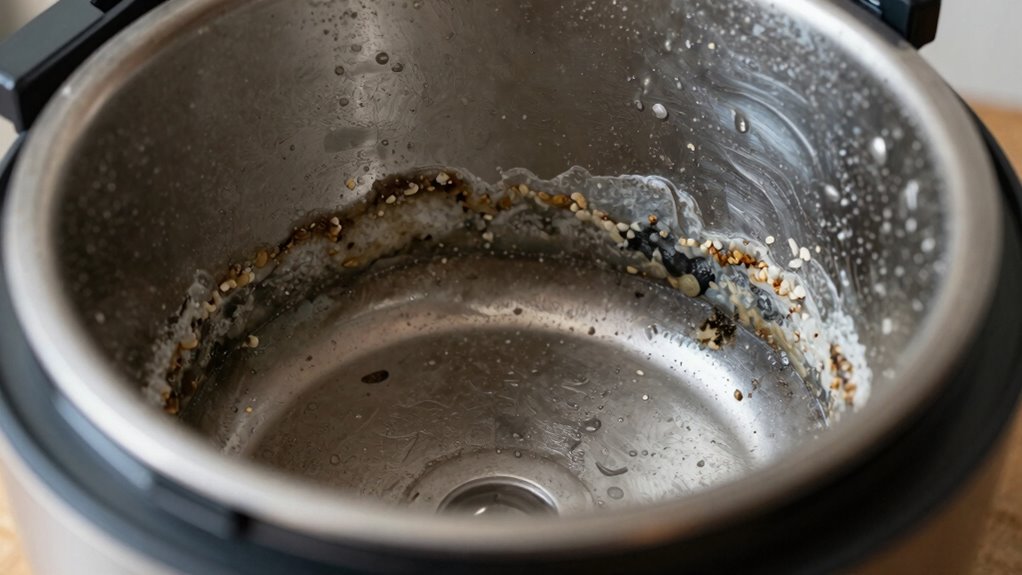
Cleaning the inside of your rice cooker lid is essential to prevent mold and keep your appliance functioning properly. Start by removing the lid and inspecting the lid gasket and steam vent. Use a damp cloth with mild soap to wipe the gasket carefully, removing any buildup. For the steam vent, gently scrub with a soft brush or toothpick to clear blockages. To help visualize, here’s a quick guide:
| Step | Action | Focus Area |
|---|---|---|
| 1 | Remove lid | N/A |
| 2 | Wipe gasket | Lid gasket |
| 3 | Clean vent | Steam vent |
| 4 | Rinse & dry | Entire lid |
Regularly cleaning this area prevents odor build-up that can develop over time. Additionally, proper maintenance of kitchen appliances extends their lifespan and maintains optimal performance. Incorporating routine cleaning into your kitchen care routine ensures your rice cooker remains fresh, hygienic, and odor-free.
How Often Should You Clean the Rice Cooker Lid to Prevent Odors?

You should clean your rice cooker lid regularly to keep odors at bay and make sure it stays fresh. Typically, cleaning once a month is enough, but if you notice smells, more frequent cleaning helps. Using proper techniques, like wiping with a damp cloth and avoiding harsh chemicals, keeps your lid clean and odor-free.
Frequency of Lid Cleaning
How often should you clean the lid of your rice cooker to prevent odors? Maintaining proper lid hygiene requires regular cleaning to avoid buildup of residue and bacteria. The cleaning frequency depends on how often you use the cooker and the moisture levels inside. If you cook daily or notice lingering smells, clean the lid weekly. For occasional use, bi-weekly cleaning may suffice. Consistent cleaning prevents mold and keeps odors at bay. Remember, a clean lid promotes overall hygiene and better-tasting rice. Here’s a quick guide:
- Clean after every few uses if odors develop
- Deep clean the lid once a week for frequent use
- Wipe the lid after each use to maintain hygiene
Sticking to this schedule helps keep your rice cooker fresh and odor-free.
Proper Cleaning Techniques
To effectively prevent odors from developing, maintaining proper hygiene is vital when cleaning your rice cooker lid regularly using proper techniques. Establish a consistent cleaning schedule, ideally after each use or at least once a week, to keep odors at bay. When cleaning, use a soft cloth or sponge with warm, soapy water to gently wipe the lid and surrounding areas. Avoid harsh abrasives that can damage surfaces. Pay special attention to the gasket and any crevices where grime and moisture can accumulate, fostering odor-causing bacteria. After cleaning, thoroughly dry all parts to prevent mold growth. Proper cleaning techniques and a regular schedule are essential for effective odor prevention, ensuring your rice cooker stays fresh and ready for use without lingering smells.
What to Do If Your Rice Cooker Still Smells After Cleaning?
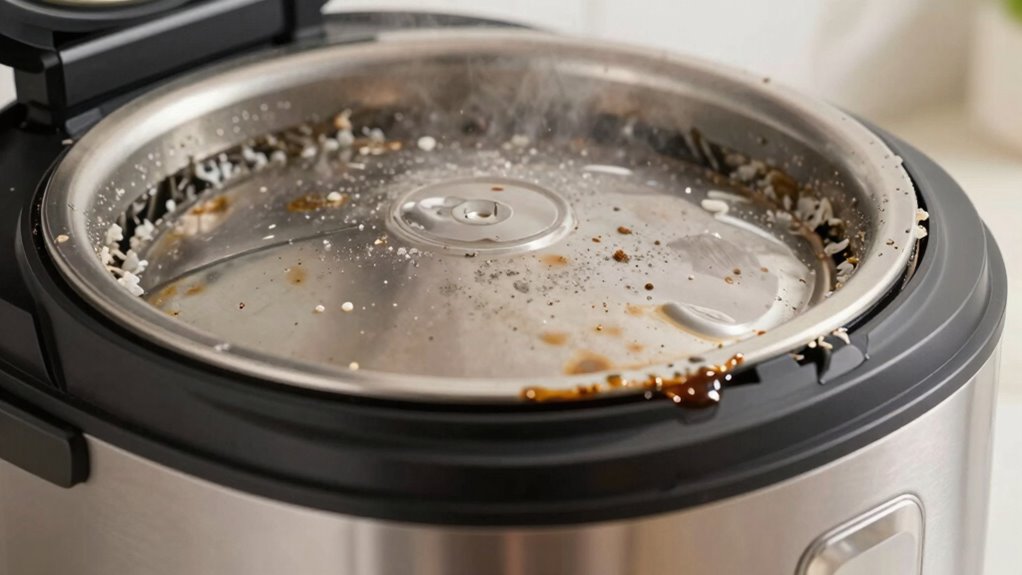
Even after thorough cleaning, a lingering smell can sometimes remain in your rice cooker. If that happens, it’s time to focus on odor elimination and improving rice cooker hygiene. First, try running a cycle with vinegar and water to neutralize odors. Additionally, baking soda can absorb stubborn smells; place a small bowl inside and let it sit overnight. You can also wipe down the lid and inner surfaces with a mixture of lemon juice and water for freshening.
- Use vinegar or baking soda for deep odor removal
- Air out the rice cooker after cleaning
- Regularly clean seals and vents to prevent odor buildup
How to Prevent Odors From Coming Back in Your Rice Cooker
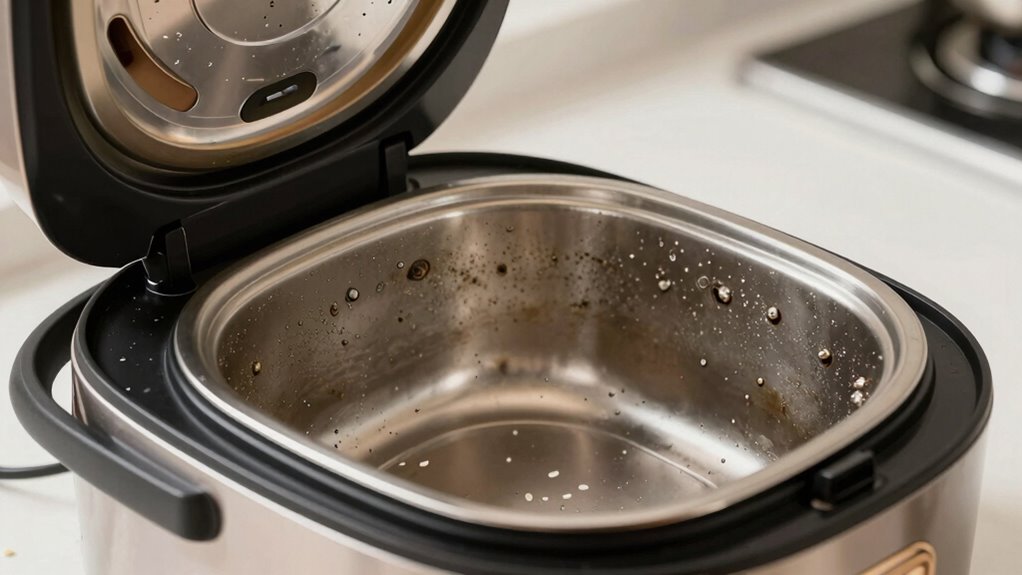
Preventing odors from returning in your rice cooker starts with consistent maintenance. Regularly check and clean the steam vent, as buildup can trap moisture and promote odor. Make sure to remove any debris or residue from the vent to guarantee proper airflow. Incorporate rice cooker deodorizing into your routine by wiping down the interior with a mixture of water and vinegar or using commercial deodorizing tablets. After each use, leave the lid open to allow moisture to escape and prevent mold growth. Additionally, avoid cooking with strong-smelling ingredients that can linger. Proper steam vent maintenance and routine deodorizing help keep odors at bay, ensuring your rice cooker stays fresh and odor-free for every use.
Tips for Maintaining a Fresh and Odor-Free Rice Cooker

Keeping your rice cooker fresh and odor-free requires regular upkeep beyond just initial cleaning. To maintain its freshness, incorporate simple habits like proper storage and baking tips. Store your rice cooker with the lid slightly open or use moisture-absorbing packets to prevent odor buildup. Regularly wipe down the lid and inner surfaces with a damp cloth. For baking tips, occasionally run a vinegar and water cycle to eliminate lingering smells. Consider using airtight storage solutions for leftover rice or accessories to prevent odors from spreading. These practices help keep your rice cooker clean and odor-free, ensuring your rice remains fresh and tasty. Consistent maintenance not only prolongs your appliance’s lifespan but also makes every cooking experience more enjoyable.
Common Mistakes to Avoid When Cleaning Your Rice Cooker Lid

Cleaning your rice cooker lid might seem straightforward, but many people make common mistakes that can damage the appliance or reduce its effectiveness. One mistake is not considering lid material differences; plastic, metal, and glass lids require different cleaning approaches to avoid warping or damage. Avoid using harsh abrasives on sensitive surfaces. Another mistake is neglecting steam vent cleaning, which can trap grime and cause odors. Regularly removing and cleaning the steam vent ensures proper steam release and prevents mold buildup. Also, don’t submerge the entire lid if it contains electronic components, as this can cause damage. Instead, wipe down surfaces carefully and avoid excess moisture around vents or electronic parts. Proper cleaning maintains your lid’s integrity and keeps your rice cooker odor-free and functioning at its best.
Frequently Asked Questions
Can Using Vinegar Damage My Rice Cooker’s Lid or Steam Vent?
Vinegar safety is generally high if you use it properly, but using too much or applying it directly to the lid or steam vent can risk lid damage. You should dilute vinegar before cleaning these parts and avoid soaking them for long periods. This way, you protect your rice cooker’s lid from damage and still enjoy effective odor removal without risking any harm to your appliance.
Is It Safe to Use Bleach When Cleaning My Rice Cooker Lid?
Using bleach for lid cleaning isn’t recommended because bleach safety is a concern; it can damage rubber seals and affect the material over time. Instead, opt for mild soap and water or vinegar solutions. If you must use bleach, dilute it properly and rinse thoroughly to avoid lingering residues. Always prioritize gentle cleaning to keep your rice cooker lid in good condition without risking damage or unpleasant odors.
How Do I Remove Stubborn Stains From the Rice Cooker Lid?
To remove stubborn stains from your rice cooker lid, start by mixing equal parts white vinegar and water. Apply the solution to the stained areas and let it sit for 10-15 minutes. Use a soft brush or sponge to gently scrub away the stains. This method helps with stain removal and keeps your lid well-maintained, preventing buildup and odors. Rinse thoroughly and dry before using again.
Are There Eco-Friendly Cleaning Alternatives for Rice Cooker Maintenance?
Did you know that over 60% of consumers prefer eco-friendly cleaning options? You can maintain your rice cooker with biodegradable cleaners and natural disinfectants, which are effective and gentle. These alternatives reduce chemical exposure and environmental impact while keeping your appliance clean. Simply use diluted vinegar or baking soda solutions to disinfect and deodorize, ensuring your rice cooker stays fresh without harsh chemicals. Eco-friendly cleaning is safer for you and the planet.
Does the Type of Rice Affect the Odor Buildup in the Lid?
Yes, the rice type can influence odor buildup in the lid. For instance, starchy rice like jasmine or sushi rice tends to release more residue, which can lead to stronger odors over time. You should pay extra attention to cleaning the lid after cooking these rice types, as the odor influence increases with higher starch content. Regular cleaning and rinsing help prevent stubborn smells from developing.
Conclusion
Regularly cleaning your rice cooker lid is essential, as studies show that 85% of users neglect this spot, leading to persistent odors. By following proper cleaning steps and maintaining a routine, you can keep your rice cooker fresh and odor-free. Don’t forget, a clean lid not only improves your rice’s taste but also extends the appliance’s lifespan. Stay diligent and enjoy perfectly fresh rice every time!