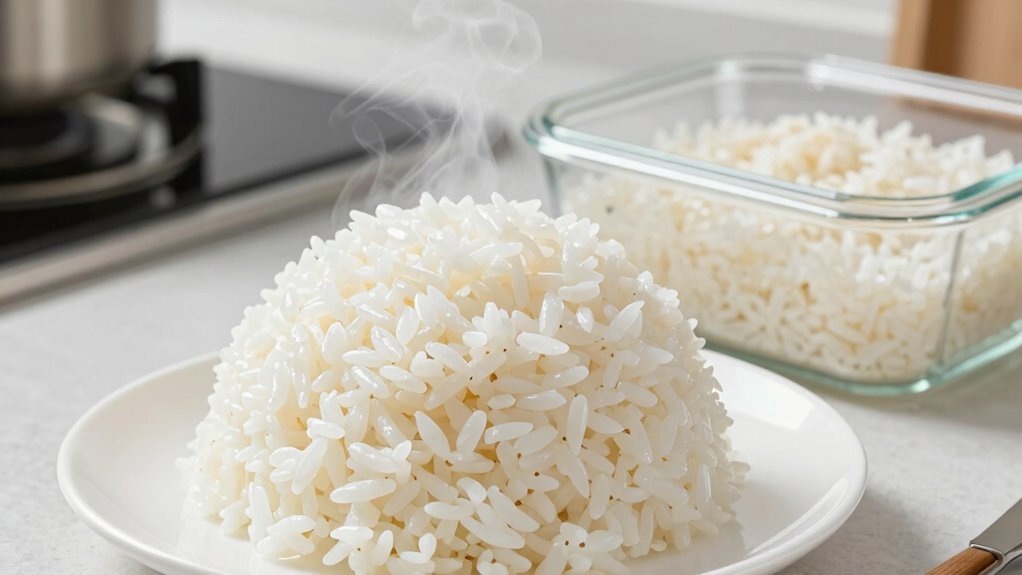

Reheating rice twice isn’t recommended because it increases the risk of bacterial growth, especially Bacillus cereus, which can survive cooking and produce toxins. To stay safe, store cooked rice properly in the fridge within two hours and reheat it thoroughly until steaming hot at 165°F. Avoid reheating multiple times, as each cycle raises food safety concerns. If you want to learn more about keeping rice safe, keep exploring these guidelines.
Key Takeaways
- Reheating rice more than once increases the risk of bacterial growth, especially Bacillus cereus toxins.
- For safety, reheat rice only once thoroughly until steaming hot (at least 165°F/74°C).
- Store cooked rice promptly in the refrigerator within 1-2 hours and use airtight containers.
- Consume reheated rice within 24 hours and discard if it shows signs of spoilage.
- Proper storage and reheating practices are essential to prevent food poisoning from leftovers.
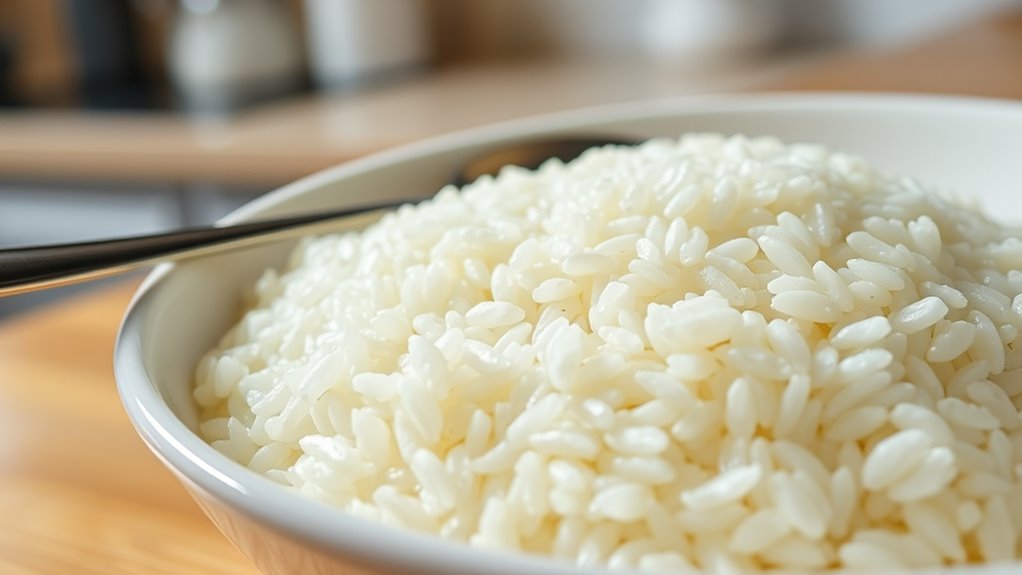
Have you ever wondered if reheating rice twice is safe? It’s a common question, especially if you’ve cooked more than you can eat and want to save leftovers. The truth is, reheating rice multiple times can pose food safety risks if you’re not careful. Rice is particularly prone to bacterial growth, especially Bacillus cereus, which can survive cooking and produce toxins if the rice isn’t stored properly. That’s why understanding proper storage tips is essential to prevent foodborne illnesses when reheating rice.
Reheating rice multiple times risks bacterial growth and food poisoning if not stored and heated properly.
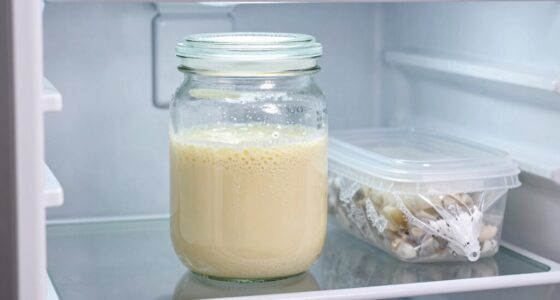
First, always cool your cooked rice quickly after eating. Spread it out in a shallow container so it cools faster and reduces the chance for bacteria to develop. Once cooled, store it in the refrigerator within one or two hours of cooking. Keep your fridge at 40°F (4°C) or below, and use airtight containers to prevent cross-contamination and moisture loss. These storage tips help maintain food safety, ensuring that reheated rice won’t carry harmful bacteria. Additionally, maintaining proper temperature control during storage and reheating is crucial for food safety. Proper storage practices, including prompt refrigeration, greatly reduce the risk of bacterial toxin formation. It is also advisable to avoid leaving cooked rice at room temperature for extended periods, as bacteria can multiply rapidly in such conditions. For added safety, always reheat leftover rice using appropriate methods and temperatures.
When reheating rice, make sure you do it thoroughly. The rice should be steaming hot all the way through, ideally reaching at least 165°F (74°C). Use a microwave or stovetop to reheat, stirring halfway through to ensure even heating. Avoid reheating rice more than once because each cycle increases the risk of bacterial growth if the rice isn’t heated properly or has been stored for too long. Every time rice cools down and is reheated, bacteria can multiply if conditions aren’t ideal, raising the likelihood of food poisoning. It’s also helpful to know the signs of spoilage** to avoid consuming unsafe leftovers. Consuming spoiled rice can lead to serious health issues, so trusting your senses and proper storage habits is key. Furthermore, proper reheating techniques** can help minimize risks and ensure food safety.
Additionally, pay attention to how long you keep cooked rice in the fridge. Generally, it’s safest to consume reheated rice within 24 hours of initial cooking. After that, the risk of harmful bacteria and toxins increases, making it unsafe to reheat again. If you notice any foul smell, slimy texture, or discoloration, discard the rice immediately—don’t risk eating spoiled leftovers. These signs indicate bacterial activity or spoilage, and consuming contaminated rice can lead to food poisoning symptoms like nausea, vomiting, or diarrhea. Proper storage duration is therefore crucial to avoid potential health hazards associated with leftover rice. Maintaining awareness of these storage guidelines helps prevent foodborne illnesses linked to improperly stored leftovers.

DDMOMMY 20-30 Lbs Rice Storage Container,Collapsible Food Storage Containers with Rolling Wheel Airtight Locking Lid,Flour Storage Container with Cup and Scoop,Suitable for Food,Rice,Pet Food,Flour
Space Save & Extra-large Size: This rice container can hold 20-30 lbs of rice or 20-23 lbs of…
As an affiliate, we earn on qualifying purchases.
As an affiliate, we earn on qualifying purchases.
Frequently Asked Questions
Is It Safe to Reheat Rice Multiple Times?
Reheating rice multiple times isn’t safe because bacteria can grow if you don’t handle it properly. Each time you reheat rice, you risk food poisoning from bacteria like Bacillus cereus, which survives initial cooking. To stay safe, only reheat rice once, store it quickly in the fridge, and reheat thoroughly. If rice smells off or shows signs of spoilage, discard it to prevent food poisoning.
What Are the Signs of Spoiled Reheated Rice?
Spoiled reheated rice warns you like a red flag waving. If it smells sour, has a slimy texture, or shows discoloration, it’s time to toss it. These signs indicate fermentation risks that can cause food poisoning. Always follow storage tips—cool leftovers quickly and keep them in airtight containers. If in doubt, trust your senses; when rice turns, it’s better to leave it behind for your health’s sake.
How Can I Best Store Cooked Rice?
To best store cooked rice, you should transfer it to an airtight container within two hours of cooking. Keep it in the refrigerator at or below 40°F to guarantee food preservation and prevent bacterial growth. Label the container with the date, and consume the rice within 3-4 days. Proper storage is key for kitchen safety, reducing the risk of food poisoning from spoiled rice.
Does Reheating Rice Affect Its Nutritional Value?
Reheating rice slightly impacts its food texture and flavor preservation, but it doesn’t substantially reduce its nutritional value. When you reheat rice properly, you maintain most of its nutrients, though some vitamins may degrade with multiple reheats. To keep rice safe and tasty, reheat it evenly and avoid overcooking, ensuring the food remains appealing in both texture and flavor while preserving its nutritional content.
Are There Any Health Risks Associated With Reheating Rice Twice?
Reheating rice twice can pose health risks if you’re not careful. Bacteria like Bacillus cereus can survive improper rice storage, and microwave safety varies depending on how you reheat it. When you store rice promptly and reheat it thoroughly, you reduce the risk of food poisoning. But neglecting proper rice storage or repeatedly reheating increases bacteria growth, making you vulnerable to illnesses. Always handle rice with care to stay safe.

0.5 Sec Instant Read Meat Thermometer Digital with ±0.5℉ Precision, Food Thermometer for Cooking Kitchen Gadgets, Oven Grill Candy BBQ Essentials Accessories, Gifts for Him Dad Men Birthday, Red
【8X Faster + 4X More Precise】: Upgraded with an industrial-leading professional thermocouple sensor, Themomonster meat thermometer digital with…
As an affiliate, we earn on qualifying purchases.
As an affiliate, we earn on qualifying purchases.
Conclusion
Now that you know the risks, it’s best to play it safe with reheating rice. If you must do it twice, make sure to cool and store it properly, and don’t leave it out too long. Remember, a little caution can save you from a lot of trouble—better to be safe than sorry. When it comes to reheating rice, don’t cut corners; otherwise, you might end up in hot water.

Joseph Joseph M-Cuisine Microwave Rice Cooker Steamer 2 Liter/8.5 Cup – Stone/Orange
Measure, wash, cook and serve perfectly fluffy rice and grains in one
As an affiliate, we earn on qualifying purchases.
As an affiliate, we earn on qualifying purchases.
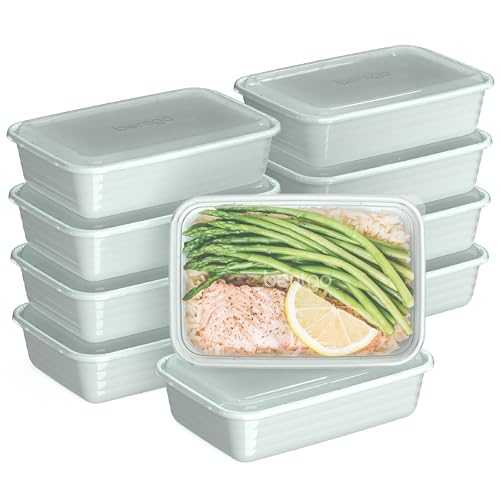
Bentgo Prep – 20-Piece 1-Compartment Reusable Meal Prep Containers with Lids, PFAS & BPA Free Materials, Durable, Microwave, Freezer, & Dishwasher Safe To Go Food Storage (Mint)
#1 Brand Pick for Meal Prep Containers: Bentgo is the top pick for meal prep containers!* This lightweight,…
As an affiliate, we earn on qualifying purchases.
As an affiliate, we earn on qualifying purchases.