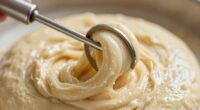
The order in which you combine dry and wet ingredients is essential because it affects your baked goods’ texture, structure, and overall success. Mixing dry ingredients first ensures even distribution, while adding wet ingredients gradually helps prevent overmixing and tough textures. Proper sequence allows ingredients to hydrate and activate correctly, leading to tender, airy results. Keep this in mind, and you’ll see how small changes can make a big difference—there’s more to discover if you keep going.
Key Takeaways
- Proper mixing order ensures even distribution of dry and wet ingredients, preventing dense or uneven baked goods.
- Mixing dry ingredients first helps distribute leavening agents and stabilizers uniformly.
- Combining wet ingredients separately before adding dry prevents overmixing and tough textures.
- Following the correct sequence aids in proper hydration and activation of ingredients for optimal results.
- The order of addition influences texture, rise, and overall success of baked items.
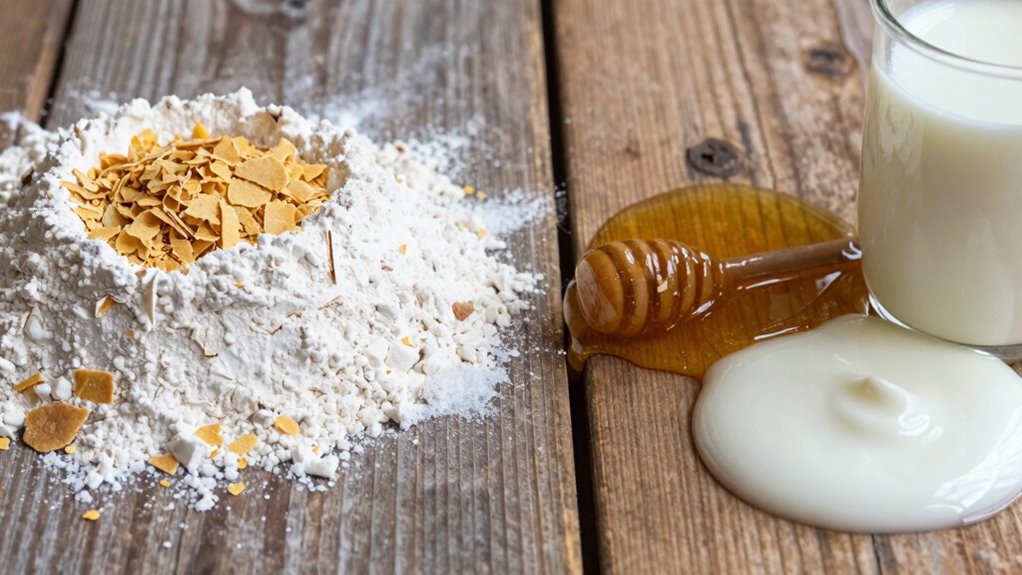
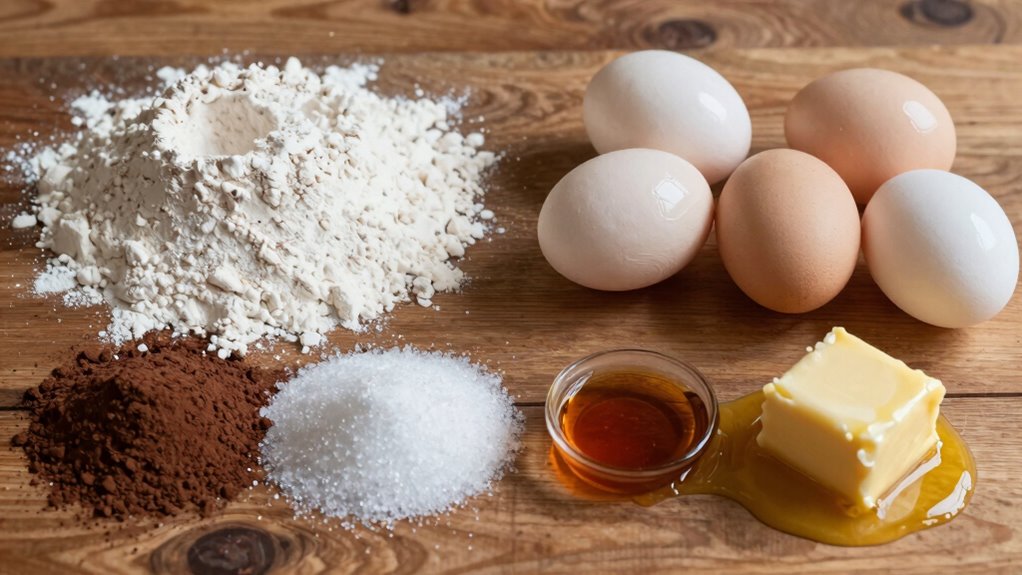
When baking or cooking, understanding the difference between dry and wet ingredients is vital, as each plays a unique role in your recipes. Knowing how to handle these ingredients properly can impact the texture, flavor, and success of your dish. One key aspect is the order in which you add them, which often matters more than you might think. Dry ingredients like flour, baking soda, and sugar provide structure and stability, while wet ingredients such as eggs, milk, and oils give moisture and tenderness. If you mix or combine them in the wrong order, you risk ending up with dense baked goods or uneven textures.
In baking, ingredient substitutions are common, especially when you’re missing a specific dry or wet component. For example, if you need buttermilk for a recipe and don’t have any, you can substitute with milk and vinegar or lemon juice, which adds the necessary acidity. But you must also consider how adding these substitutions affects your overall baking measurements. Precise measurements are vital in baking because even small deviations can alter the outcome. When substituting, you should adjust your dry and wet ingredient ratios accordingly to maintain the right batter consistency. If your batter becomes too thick or too runny, the end results may be compromised, leading to dense muffins or flat cakes.
The order of combining dry and wet ingredients impacts how well they blend and react. Typically, you start by mixing your dry ingredients thoroughly, ensuring even distribution of leavening agents and spices. Then, in a separate bowl, you whisk your wet ingredients before gradually incorporating them into the dry mixture. This process helps prevent overmixing, which can develop gluten and make baked goods tough. Properly following this order ensures your ingredients interact correctly, producing a tender, airy texture.
Paying attention to the sequence also helps with ingredient measurements. For instance, when measuring dry ingredients, use level scoops or a straight edge to get accurate amounts. Wet ingredients often require measuring cups with pouring spouts for precision. Combining these in the correct order allows the ingredients to hydrate or activate as intended, leading to consistent results. Ultimately, understanding the importance of ingredient order and measurements helps you troubleshoot and adapt recipes confidently, especially when modifying ingredients or adjusting for different baking conditions.
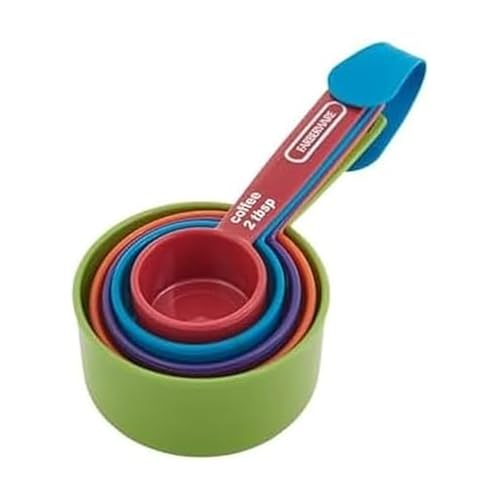
FARBERWARE 5-Piece Measuring Cup Set with Coffee Scoop, Durable Plastic Nesting Measuring Cups with Easy-Read Markings, BPA-Free, Dishwasher Safe
COMPLETE MEASURING SET: Includes 1/4 cup, 1/3 cup, 1/2 cup, and 1 cup measurements plus bonus coffee scoop…
As an affiliate, we earn on qualifying purchases.
As an affiliate, we earn on qualifying purchases.
Frequently Asked Questions
Can I Substitute Dry Ingredients With Wet Ones in Recipes?
You can’t directly substitute dry ingredients with wet ones because ingredient ratios and substitution principles differ. Wet ingredients add moisture and alter texture, while dry ingredients provide structure. If you try, your recipe might turn out too dense or too runny. To adjust, reduce the liquid or dry ingredients accordingly, and always consider the purpose of each ingredient. Proper balancing guarantees your baked goods turn out just right.
How Does Ingredient Temperature Affect Mixing and Final Results?
Temperature sensitivity greatly influences mixing consistency and your final results. When ingredients are too cold or warm, they don’t blend smoothly; cold butter, for example, can cause clumps, while warm eggs may make batter too runny. By bringing ingredients to room temperature, you guarantee better incorporation, resulting in a uniform mixture. This balance helps achieve the desired texture and structure, making your baked goods turn out perfectly.
Are There Specific Tools Better Suited for Dry Versus Wet Ingredients?
You’ll find measuring spoons are ideal for dry ingredients like spices and baking powder, ensuring precise measurements. Mixing bowls are versatile for both wet and dry ingredients, but using different sizes helps you organize your prep better. For wet ingredients, opt for sturdy, heat-resistant bowls that won’t stain or warp, making mixing and pouring easier. Having dedicated tools streamlines your baking process and improves your final results.
Do Ingredient Order Differences Impact Gluten Development or Texture?
Yes, ingredient order differences do impact gluten development and texture consistency. When you add dry ingredients first, gluten structure forms more gradually, leading to a tender crumb. Mixing wet ingredients early can activate gluten quickly, resulting in a tougher texture. By paying attention to the order, you control how gluten develops, ensuring a softer or chewier texture as desired. Proper sequencing helps you achieve the perfect balance in your baked goods.
How Does Humidity Influence the Mixing Process and Ingredient Behavior?
Humidity impact profoundly influences your mixing process and ingredient behavior. Higher humidity levels cause ingredients, especially dry ones, to absorb more moisture, which can alter their texture and how they combine. You might notice wetter dough or batter, making mixing more challenging. To adapt, you may need to adjust your dry-to-wet ingredient ratios or add a bit more flour or liquid to achieve the desired consistency.

HillSpring 3 Sizes of Glass Prep Bowl Sets, Clear Small Pinch Bowls for Salt, Spices and Chopped Ingredients, 1.5oz/2.5oz/3.5oz, Set of 12
Made of strong, clear glass with thick rim
As an affiliate, we earn on qualifying purchases.
As an affiliate, we earn on qualifying purchases.
Conclusion
Remember, the order in adding dry and wet ingredients isn’t just about mixing; it’s about harmony. Think of each ingredient as a note in a symphony—when placed correctly, they create beautiful music. Mishandle the sequence, and the melody falls flat. In baking, as in life, timing and balance matter. Respect the rhythm, and you’ll craft not just a perfect dish, but a masterpiece that resonates long after the last bite.

Etekcity Food Kitchen Scale, Digital Grams and Ounces for Weight Loss, Baking, Cooking, Keto and Meal Prep, LCD Display, Medium, 304 Stainless Steel
𝗘𝗳𝗳𝗼𝗿𝘁𝗹𝗲𝘀𝘀 𝗪𝗲𝗶𝗴𝗵𝗶𝗻𝗴: Supports 5 units (oz/lb:oz/fl'oz/g/mL), tare function, and includes 2 AAA batteries for hassle-free operation
As an affiliate, we earn on qualifying purchases.
As an affiliate, we earn on qualifying purchases.

ChefAide 5 Pieces Silicone Spatula Set, Food Grade Rubber Spatula, Upgrade Strong Handle with Ergonomic Grip, Heat Resistant Up to 600°F for Nonstick Cookware, Cooking
Premium 100% Food Grade Silicone: The silicone spatula set is made of healthy and friendly material, resistant to…
As an affiliate, we earn on qualifying purchases.
As an affiliate, we earn on qualifying purchases.