Adding the right acids to your cooking instantly boosts flavor, balances richness, and makes ingredients more tender. Acid lifts bland dishes, enhances depth, and sharpens tastes, while also preserving and fermenting foods. By understanding how acids work, you can create more vibrant, well-rounded meals. Whether you’re marinating, seasoning, or preserving, incorporating acids can transform your results. Keep exploring, and you’ll uncover even more ways to elevate your culinary creations with this secret weapon.
Key Takeaways
- Acids brighten flavors and balance sweetness or richness in dishes, elevating overall taste.
- Using acids like vinegar or lemon juice enhances tenderness and moisture in meats and beans.
- Acids act as natural preservatives, extending shelf life in pickles, salsas, and fermented foods.
- Proper acid application helps control flavor profiles, making dishes more nuanced and sophisticated.
- Mastering acidity allows for precise flavor adjustments and improved texture in culinary creations.
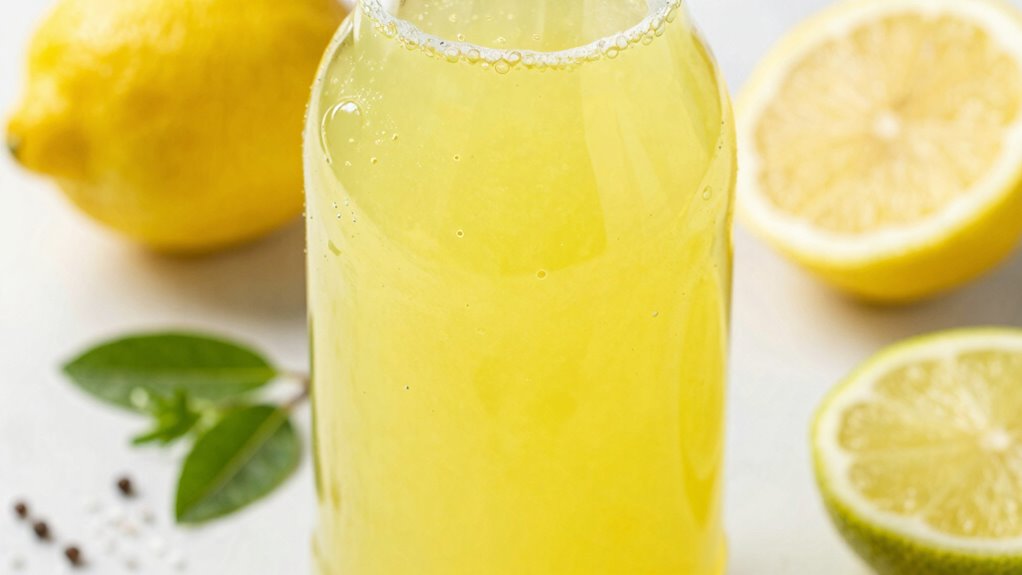
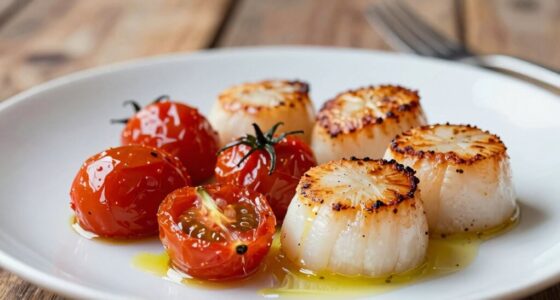
Acid plays a crucial role in cooking by enhancing flavors, tenderizing ingredients, and preserving foods. When you add a splash of vinegar, a squeeze of lemon, or a dash of wine, you’re not just changing the taste — you’re revealing a deeper layer of flavor that transforms your dishes from good to memorable. Acid enhances flavors by balancing sweetness, dullness, or richness, creating a more vibrant and complex profile. For example, a drizzle of lemon juice brightens a creamy chicken piccata, while a splash of vinegar can elevate a hearty stew, making the flavors pop and feel more lively.
Beyond flavor enhancement, acids are essential in preservation techniques. They inhibit microbial growth, extending the shelf life of your homemade pickles, salsas, and fermented foods. When you brine vegetables in vinegar or ferment cabbage into sauerkraut, you’re relying on acid’s natural preservative qualities. These techniques aren’t just about safety; they also intensify flavor over time, giving you a tangy, more refined product. Understanding how to leverage acidity in preservation can help you create tart, flavorful condiments and side dishes that keep well and taste fantastic.
In your cooking, mastering the use of acids means you can adjust the profile of your dishes to suit your taste perfectly. A squeeze of lime can lift a bland salad, while a splash of balsamic vinegar can add depth to roasted vegetables. Using acids judiciously, you can tame overly fatty or sweet ingredients and introduce a fresh, crisp note that balances the entire plate. This control over flavor is especially useful in balancing dishes with rich proteins, creamy sauces, or sweet components, making your meals more harmonious. Additionally, understanding acid’s role in flavor balance can help you develop more nuanced and sophisticated dishes. Recognizing the importance of acidity in flavor can also guide you in creating more balanced and appealing dishes.
Additionally, acids help in tenderizing ingredients, especially meats and beans. They break down proteins, making tough cuts more palatable and softening beans without overcooking them. A marinade with citrus juice or vinegar can turn a chewy piece of meat into something much more tender and flavorful. This technique not only improves texture but also allows the flavors to penetrate deeply, creating a more flavorful bite. Incorporating acid’s tenderizing properties can be a game-changer in your culinary repertoire, ensuring more consistent results. Moreover, understanding the science behind acid tenderization can help you perfect your marinating techniques for various ingredients.
balsamic vinegar for cooking
As an affiliate, we earn on qualifying purchases.
As an affiliate, we earn on qualifying purchases.
Frequently Asked Questions
Can Acid Change the Texture of My Dishes?
Yes, acid can change the texture of your dishes. It acts as a flavor enhancer and can also modify textures by tenderizing meats or brightening vegetables. When you add an acid like lemon juice or vinegar, it breaks down proteins and cell walls, resulting in a softer, more appealing mouthfeel. Incorporating acids thoughtfully helps you achieve the perfect balance of flavor and texture in your cooking.
What Are Some Common Household Acids Used in Cooking?
Think of household acids as the key to revealing vibrant flavors in your cooking. Common ones like lemon juice and vinegar bring that sour flavor, brightening dishes and balancing richness. You can also use lime juice, apple cider vinegar, or yogurt as acid substitutions depending on the recipe. These acids add depth, enhance textures, and elevate your dishes, making them more complex and satisfying with just a simple splash.
How Does Acid Affect Food Preservation?
You can use acid to extend your food’s shelf life through fermentation processes, where acidity prevents harmful bacteria from growing. Acid also helps in pH control, creating an environment unfavorable for spoilage organisms. By adjusting the pH levels with acids like vinegar or citrus, you effectively preserve foods like pickles and fermented vegetables. This method not only enhances flavor but also boosts food safety and longevity.
Is It Safe to Use Excessive Acid in Cooking?
Using excessive acid in cooking isn’t inherently unsafe, but it can negatively affect your dish’s pH levels and flavor. Too much acid may overpower other flavors, making the dish overly tangy or sour. It’s best to add acid gradually, tasting as you go, to achieve the desired flavor enhancement without compromising safety or balance. Keep an eye on pH levels to maintain ideal texture and taste.
How Do I Balance Acidity in Recipes?
Balancing acidity in recipes is like tuning a musical instrument—you want harmony, not chaos. To do this, taste as you go and adjust with sweetness, salt, or fat to enhance flavor without overpowering. Use ingredient pairing wisely; cream or oil can mellow acidity, while sugar can brighten it. Remember, small changes make a big difference in achieving the perfect balance. Keep experimenting until your dish sings!
lemon juice for marinades
As an affiliate, we earn on qualifying purchases.
As an affiliate, we earn on qualifying purchases.
Conclusion
Think of acid as the secret spark that transforms your cooking from good to unforgettable. It’s like a splash of sunlight in a cloudy day, awakening flavors and balancing richness. Don’t shy away from lemon juice, vinegar, or even a dash of yogurt—these simple additions can turn a dull dish into a vibrant masterpiece. Embrace acid as your culinary compass, guiding your dishes to new heights of flavor and excitement.
food preservation vinegar
As an affiliate, we earn on qualifying purchases.
As an affiliate, we earn on qualifying purchases.
acidic salad dressings
As an affiliate, we earn on qualifying purchases.
As an affiliate, we earn on qualifying purchases.