Buttercream can split if fats and liquids separate due to improper mixing, temperature issues, or ingredient imbalance. Cold ingredients or rushing additions at the wrong temperatures make it harder to emulsify properly. Overbeating or environmental factors like heat also cause splitting. To fix it, gently add warm milk or cream, or re-blend using a warm water bath. Keep conditions consistent. For more detailed tips, explore how to prevent and fix split buttercream effectively.

Get kitchen staples and gadgets delivered free — and shop member deals
- Fast, free delivery on millions of items
- Access to Prime Big Deal Days deals on October 6–7
- Prime Video, Amazon Music and more included
Key Takeaways
- Buttercream splits when fats and liquids separate due to improper mixing, temperature issues, or overbeating.
- Recognizing split buttercream involves noticing a greasy, grainy, or dull appearance and difficulty spreading.
- To fix split buttercream, gently incorporate warm milk or cream and re-beat until smooth.
- Prevent splitting by using fresh ingredients, maintaining correct temperatures, and adding ingredients gradually.
- Avoid overmixing and rapid ingredient addition, and consider stabilizers or alternative decorations for better stability.
As an affiliate, we earn on qualifying purchases.
What Is Buttercream and How Do You Know When It’s Splitting?

Have you ever wondered what buttercream really is and how to tell if it’s splitting? Buttercream is a smooth, creamy frosting essential for cake decorating. When it’s at its best, it spreads easily and holds its shape well. However, if it starts to split, you’ll notice a greasy appearance, with a separation of fats from the rest of the mixture. This can happen if you add ingredients too quickly or use incorrect temperatures. For fondant troubleshooting, smooth, stable buttercream is *vital* before covering cakes. A split buttercream not only affects the look but also makes decorating more difficult. Recognizing the signs early helps you fix the problem or prevent it altogether, ensuring your cake decorating efforts stay flawless and your frosting remains luscious. Additionally, understanding how temperature control affects buttercream stability can help prevent splitting before it happens. Proper techniques for tempering fats are essential to maintaining the right texture and preventing issues during preparation. Being mindful of ingredient integration techniques can also significantly improve the consistency of your buttercream.
Furthermore, incorporating emulsification techniques can help stabilize your buttercream and reduce the likelihood of splitting during mixing.
As an affiliate, we earn on qualifying purchases.
Why Does Buttercream Split? Common Causes Explained

Buttercream can split for several reasons, and understanding these causes helps you fix the problem. Temperature fluctuations, incorrect ingredient ratios, and overmixing or undermixing are common culprits. Recognizing these issues allows you to troubleshoot and achieve a smooth, perfect frosting every time. Incorporating curiosity about culinary techniques can also improve your troubleshooting skills and enhance your overall baking experience. For example, understanding ingredient interactions can help you adjust recipes more effectively to prevent splitting. Additionally, being aware of proper techniques for temperature control can make a significant difference in maintaining frosting stability.
Temperature Fluctuations
Temperature fluctuations are a common culprit behind buttercream splitting, especially when the weather shifts unexpectedly. Sudden changes in temperature can cause the fats and liquids to separate, making your frosting look curdled or greasy. Ambient humidity also plays a role, as high humidity can soften buttercream and lead to instability. You might notice your buttercream becomes greasy or starts to crack if exposed to drastic temperature swings. According to Gold IRA Markets, maintaining a stable environment is key for sensitive investments, similar to how stable temperatures are vital for buttercream. Be alert to these warning signs: – Buttercream becoming overly soft or runny – Cracks forming on the surface – Separation of fats and liquids. Additionally, understanding emulsion stability can help prevent splitting by ensuring ingredients are properly combined. Properly incorporating ingredients and avoiding rapid temperature changes can enhance fondant adhesion and overall texture. Maintaining a consistent temperature helps prevent fats and liquids separation, which is crucial for a smooth finish. To prevent this, store your buttercream in a cool, stable environment and avoid exposing it to direct sunlight or sudden temperature changes. Temperature control is crucial in maintaining the desired consistency and preventing splitting. Proper handling keeps your frosting smooth and perfect.
Incorrect Ingredient Ratios
Incorrect ingredient ratios are a common reason your buttercream might split or become unstable. If you add too much liquid or too little fat, the mixture can curdle or refuse to hold its shape. Balance is key for smooth texture and reliable decorating techniques. Ensuring the right ingredient proportions helps maintain consistency and prevents splitting. Here’s a quick reference:
| Ingredient Type | Common Mistakes |
|---|---|
| Fat (butter, shortening) | Too little causes dryness, too much makes it greasy |
| Liquid (milk, cream) | Excess causes splitting, too little affects consistency |
| Sugar (powdered sugar) | Not enough weakens stability, too much creates stiffness |
Pay attention to flavor pairing, as improper ratios can dull taste. Correct proportions guarantee your buttercream remains luscious and easy to work with.
Overmixing or Undermixing
Overmixing or undermixing your buttercream can easily cause it to split, making it difficult to achieve a smooth, stable texture. When you overmix, the butter and sugar can break down, creating a greasy or curdled appearance. Undermixing leaves the buttercream grainy or lumpy, which affects flavor pairing and decorating tips. To prevent splitting:
- Pay close attention to mixing times to avoid overworking the ingredients.
- Use the right speed—medium for general mixing, slow for gentle blending.
- Test the consistency frequently, stopping when it’s silky and uniform.
- Being aware of passive voice in your writing can help improve clarity and engagement.
Properly mixed buttercream provides a luscious base for creative decorating tips and ensures your flavor pairing shines without splitting. Mastering this step boosts your confidence and elevates your cakes’ overall look and taste.
cake decorating buttercream spatula
As an affiliate, we earn on qualifying purchases.
As an affiliate, we earn on qualifying purchases.
How Ingredients and Environment Affect Buttercream Stability
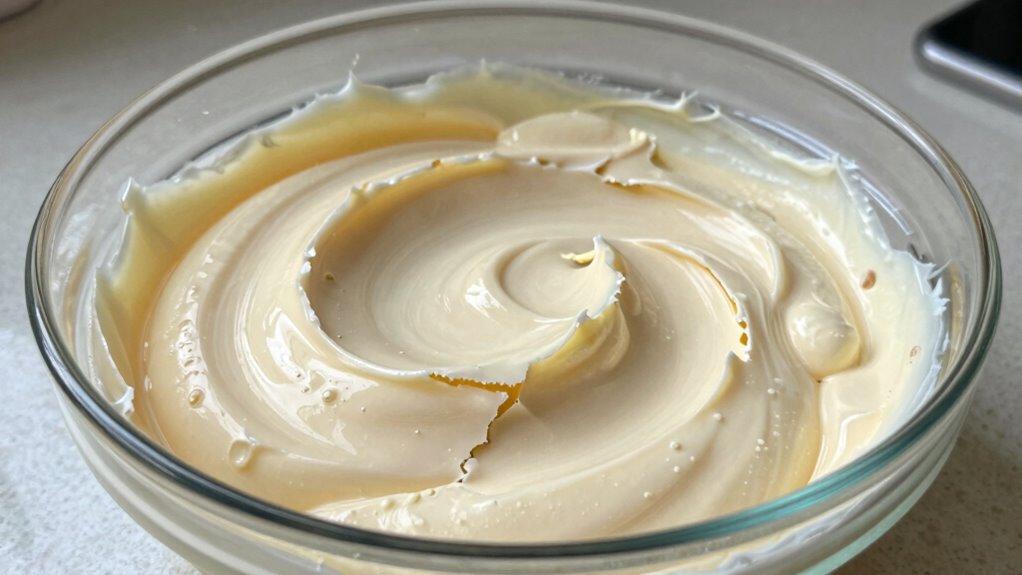
The right ingredient ratios are key to keeping your buttercream stable, so measure carefully. Humidity and temperature can cause it to soften or crack, especially in hot or moist conditions. Paying attention to these factors helps guarantee your buttercream stays smooth and firm. Additionally, understanding ingredient quality and how it impacts your results can save you time and money in the long run. Being aware of environmental factors can also help you prevent unwanted changes in texture and appearance. Proper storage methods and storage conditions are equally important to maintain consistency over time. Monitoring climate control within your workspace can further enhance the stability of your buttercream.
Ingredient Ratios Matter
Getting the ingredient ratios right is essential for creating stable, smooth buttercream. When proportions are off, your frosting can split or become too soft. Accurate ratios help you achieve desired textures and flavors, whether you’re making classic vanilla or adventurous flavor variants. Remember, the balance of butter, sugar, and liquid influences stability and taste. Proper water content also plays a crucial role in maintaining the ideal consistency and preventing splitting. Keep these in mind: – Even small adjustments can dramatically impact texture and flavor. – Proper storage tips preserve consistency and prevent spoilage. – Precise ratios give you control, making decorating easier and more beautiful. Additionally, understanding market trends can inspire new flavor combinations and techniques to enhance your buttercream creations. Recognizing ingredient interactions is key to troubleshooting and perfecting your frosting every time.
Humidity and Temperature Effects
Humidity and temperature can considerably influence buttercream stability, often causing it to behave unpredictably if not managed properly. High humidity can lead to buttercream becoming too soft or even melting, making it difficult to work with and risking separation. Temperature fluctuations can cause buttercream to seize or develop cracks. When reheating, microwave reheating can accelerate spoilage or alter texture if you’re not careful. Additionally, environmental factors affect flavor variations; warm conditions may intensify certain flavors while dulling others. To maintain stability, store buttercream in a cool, dry place and avoid exposing it to humidity or direct sunlight. Adjust recipes accordingly for warmer environments, and always monitor ambient temperature during decoration or serving to ensure your buttercream stays smooth and flavorful. Understanding indoor air quality can also help prevent excess humidity that affects buttercream stability. Moreover, controlling air circulation in your workspace can help regulate humidity levels and improve buttercream consistency.
temperature control for frosting
As an affiliate, we earn on qualifying purchases.
As an affiliate, we earn on qualifying purchases.
Choosing the Right Buttercream Type for a Stable Finish
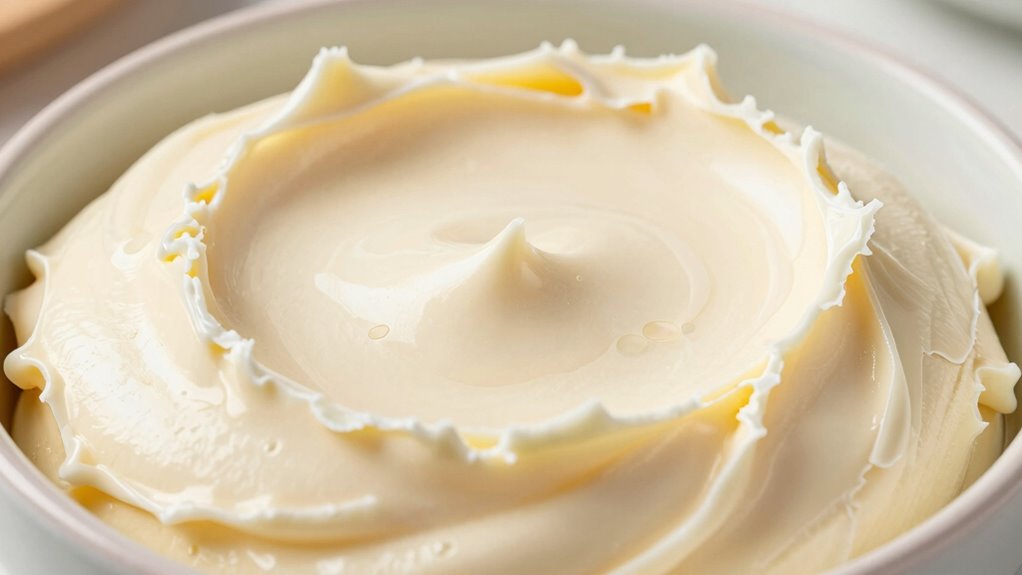
Choosing the right buttercream type is essential for achieving a stable, smooth finish on your cakes. The best choice depends on your desired flavor variations and how well the icing maintains color stability over time. For example, Swiss meringue buttercream offers a silky texture and stable colors but may be more delicate in hot weather. American buttercream provides bold flavors and vibrant hues but can be more susceptible to splitting if not prepared properly. Italian buttercream combines stability with a smooth texture, perfect for intricate decorations. When selecting, consider these factors:
Choosing the right buttercream ensures a stable, smooth, and vibrant finish tailored to your cake’s needs.
- Achieving consistent, vibrant colors that won’t fade
- Ensuring flavors complement your cake
- Maintaining a stable, crack-free surface even in warm environments
Choosing wisely will give you a beautiful, professional-looking finish every time.
Tips for Making Smooth, Stable Buttercream From Scratch

To make smooth, stable buttercream from scratch, start with softened butter at room temperature to guarantee even mixing and a silky texture. Achieving the right cream consistency is essential; it should be fluffy but not greasy. Gradually add powdered sugar, mixing until fully incorporated to prevent lumps and ensure stability. For flavor variations, incorporate extracts, cocoa powder, or fruit purees, but add these gradually to maintain the buttercream’s smoothness. Avoid overmixing once all ingredients are combined, as this can cause the buttercream to become too soft or split. Keep your tools clean and dry to prevent unwanted moisture. By following these tips, you’ll create a buttercream that’s not only smooth and stable but also versatile enough for any cake or cupcake.
How to Fix Split Buttercream: Step-by-Step Instructions

When your buttercream splits, it’s usually because the fats and liquids have separated, creating a curdled or greasy appearance. Don’t worry—rescuing it is simple. First, try adding a small amount of warm milk or heavy cream, whisking gently until smooth. If that doesn’t work, place the bowl over a warm water bath and beat until it comes together. Once fixed, you can add flavor variations to mask any slight texture issues, or experiment with decorating techniques that hide imperfections. Remember, splitting buttercream is frustrating but fixable. Your confidence grows each time you recover it, making your cake decorating skills stronger. Keep practicing, and soon you’ll handle any split buttercream with ease, creating stunning designs and delicious flavors every time.
Preventing Buttercream From Splitting in the First Place

To keep your buttercream smooth and stable, start with fresh ingredients and keep everything at the right temperature. Make sure to incorporate stabilizers if needed, as they help prevent splitting over time. Paying attention to these details can save you from fixing issues later on.
Use Fresh Ingredients
Using fresh ingredients is essential for preventing buttercream from splitting. When you start with ingredient freshness, you set the foundation for a smooth, stable frosting. Old or stale ingredients can cause inconsistency, making your buttercream prone to separation. Always choose high-quality, fresh butter and eggs, and avoid products past their prime. Fresh ingredients not only improve flavor but also promote better emulsification.
- Feel confident knowing your buttercream will turn out silky and luscious
- Avoid the frustration of wasted time and ingredients due to splitting
- Create beautiful, professional-looking cakes that delight every guest
Maintain Proper Temperature
Maintaining the right temperature while making and storing buttercream helps prevent it from splitting before you even begin decorating. Proper temperature control ensures that the fats and liquids in your ingredients stay balanced, promoting ingredient consistency. If butter or other ingredients are too warm, they can become greasy or separate, causing your buttercream to split. Conversely, if they’re too cold, they won’t blend smoothly. To avoid this, work in a cool, draft-free environment and allow ingredients to come to room temperature before mixing. Keep your utensils and bowls slightly chilled if needed. Consistently monitoring temperature and adjusting as necessary helps your buttercream stay stable and creamy, making it easier to whip, spread, and decorate without splitting.
Incorporate Stabilizers
Incorporating stabilizers into your buttercream helps prevent it from splitting before you even start decorating. Stabilizer options, like commercial additives or natural ingredients, strengthen the buttercream’s structure and improve its stability. By adding these, you reduce the risk of separation, especially in warm environments or when working ahead. Imagine the confidence you’ll feel knowing your frosting stays smooth and perfect, no matter the conditions. Using stabilizers can give you peace of mind and elevate your decorating game.
- Feel the joy of consistently smooth, flawless buttercream
- Avoid the frustration of unexpected splits ruining your design
- Experience the pride of mastering perfect frosting every time
Common Mistakes That Cause Buttercream to Split and How to Avoid Them

One common mistake that causes buttercream to split is adding ingredients too quickly or at the wrong temperature. When you add cold butter or liquid too fast, the frosting’s consistency can become broken, making it difficult to achieve a smooth, creamy texture. This also hampers flavor enhancement, as uneven mixing can mute delicate flavors. To avoid this, add ingredients gradually and ensure they’re at room temperature. Overbeating can also cause the butter to separate, so mix just until combined. Pay attention to the texture; it should be silky and spreadable. Properly balancing ingredient temperature and addition speed helps maintain a stable frosting consistency, preventing splitting. This practice guarantees your buttercream remains smooth, flavorful, and easy to work with.
Troubleshooting Split Buttercream When It Won’t Come Together

When buttercream refuses to come together and remains split, it can be frustrating, but there are effective ways to fix it. First, try gently warming the bowl with your hands or a warm towel to melt the butter slightly, helping the mixture blend smoothly. You can also add a teaspoon of milk or heavy cream to loosen the texture. Additionally, consider adjusting your flavor combinations—sometimes, strong extracts or liquids can cause splitting. Proper storage techniques matter too; keep your butter and ingredients at consistent temperatures to prevent separation. If you’re feeling disheartened, remember:
If your buttercream splits, gently warm, add cream, and adjust flavor to restore smoothness.
- *A little patience can turn a split mess into a silky masterpiece.*
- *Don’t be afraid to experiment with flavor combinations for better stability.*
- *Storing ingredients correctly helps maintain perfect buttercream consistency.*
Best Practices for Perfect Buttercream Every Time
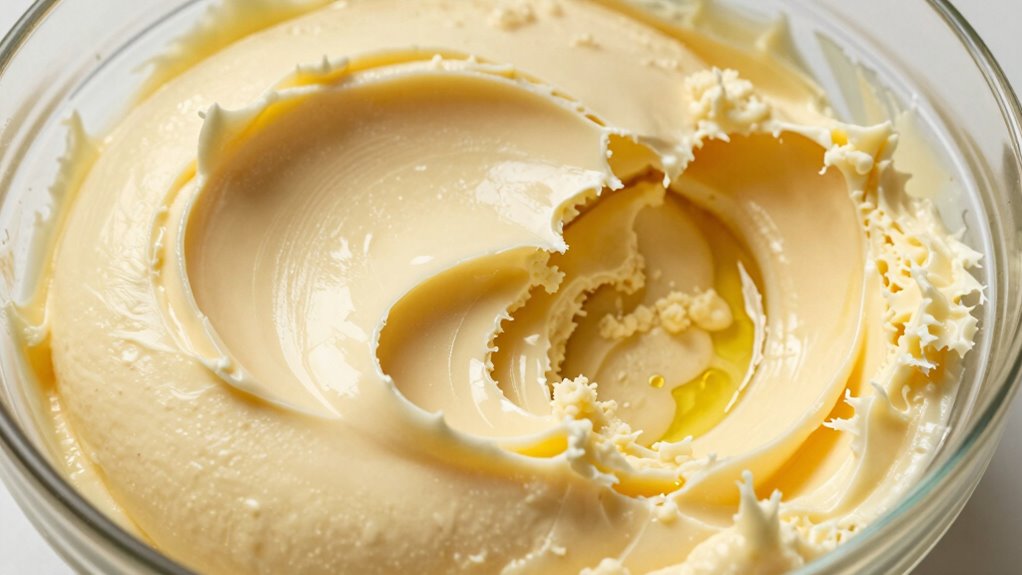
Achieving perfect buttercream every time requires attention to detail and proper technique. First, confirm your ingredients are at room temperature, which helps create a smooth, stable mixture. Use a stand mixer on medium speed, gradually adding powdered sugar and butter to prevent splitting. When you want a polished look, consider fondant alternatives like buttercream-piped rosettes or textured finishes, which can also serve as edible decorations. Keep your bowl and tools clean to avoid introducing moisture that causes splitting. For consistency, sift your powdered sugar and incorporate it slowly. If your buttercream is too soft, refrigerate it briefly before decorating. These practices help you achieve a flawless finish, making your cakes look professional and your buttercream taste delicious every time.
Frequently Asked Questions
Can I Save Over-Whipped Buttercream That Has Split?
Yes, you can save over-whipped buttercream that has split. First, add a teaspoon of cold milk or heavy cream and gently fold it in. If it’s still not smooth, try incorporating a small amount of food coloring or flavor extracts to help bring it back together. Keep mixing on low speed until it reaches the desired consistency, then continue decorating your cake with confidence.
Does Adding More Sugar Help Fix Split Buttercream?
Adding more sugar can help fix split buttercream by reducing sugar crystallization, which can cause it to break. When you incorporate extra sugar gradually, it enhances the texture, making the buttercream smoother and more stable. Just be careful not to add too much at once, or it might become too stiff. Stir well after each addition to ensure even mixing and to achieve a silky, cohesive frosting.
How Does Humidity Affect Buttercream Stability?
It’s no coincidence that humidity impacts your buttercream’s stability. When moisture absorption occurs due to high humidity, your frosting can become runny or weep. Temperature fluctuations also weaken its structure, causing it to split or lose consistency. To prevent this, keep your buttercream in a cool, dry place, and consider using a stabilizer or refrigerating it if humidity levels rise. Proper storage helps maintain its texture and prevents unexpected splitting.
What’s the Best Way to Store Leftover Buttercream?
To store leftover buttercream, place it in an airtight storage container to prevent it from absorbing other odors. You should refrigerate it using proper refrigeration methods, ensuring it’s covered tightly. Before using again, let it come to room temperature and give it a quick stir or whip to restore its smooth texture. This keeps your buttercream fresh and ready for your next decorating project.
Can I Use Alternative Fats to Prevent Splitting?
Yes, you can use alternative fats to prevent splitting in your buttercream. Substituting dietary fats like coconut oil, margarine, or plant-based spreads can help improve stability, especially if you have dietary restrictions. Keep in mind, these substitutions may slightly alter the texture and flavor. Experiment with small batches to find the right balance. Using the right alternative fats can make your buttercream smoother and less prone to splitting.
Conclusion
Understanding why your buttercream splits helps you troubleshoot effectively. Remember, buttercream can split due to temperature changes, ingredient issues, or improper technique. Did you know that nearly 60% of bakers experience splitting at some point? By choosing the right type, maintaining consistent conditions, and following best practices, you can achieve smooth, stable buttercream every time. Keep experimenting and refining your method—you’ll master perfect frosting in no time!
NFL season / tailgating Picks
team gear
As an affiliate, we earn on qualifying purchases.