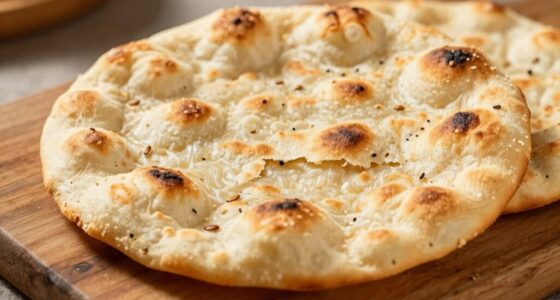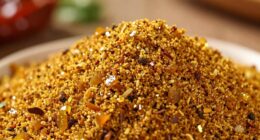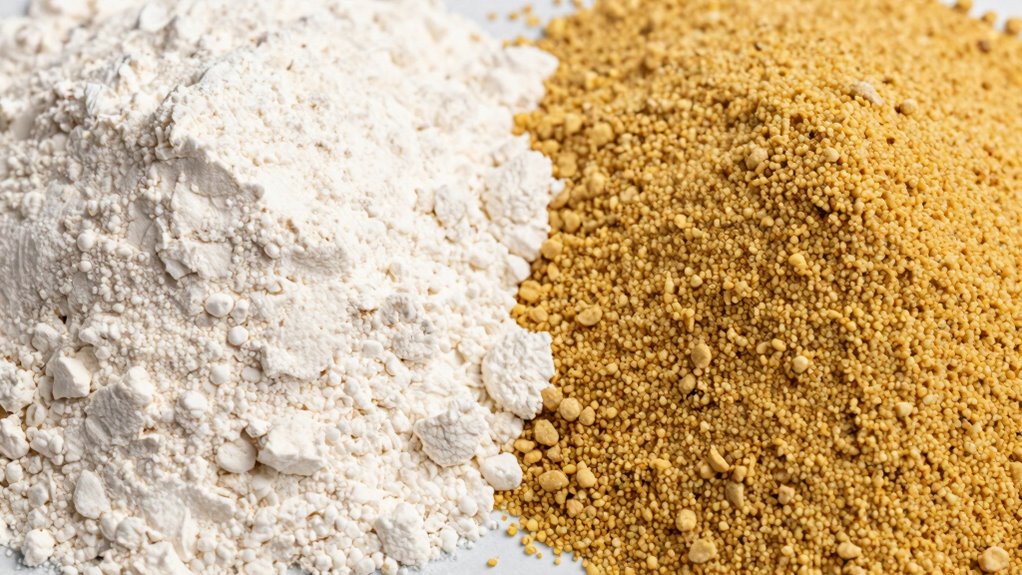

While protein content is important, it’s not the only factor in choosing between atta and bread flour. Atta, made from stone-milled, coarse whole wheat, has more fiber and a different gluten structure, making it ideal for flatbreads like roti. Bread flour, often finer and roller-milled, develops a strong gluten network suited for yeasted loaves. Both have similar protein levels, but their processing shapes their performance—exploring these differences helps you make the best choice.
Key Takeaways
- Milling methods (stone vs roller) influence flour texture, water absorption, and gluten development beyond just protein content.
- Atta’s whole wheat composition includes fiber and germ, affecting water retention, flavor, and dough behavior compared to refined bread flour.
- Coarser atta supports traditional flatbreads with softer gluten networks, unlike finer bread flour designed for leavened, airy bread.
- Protein content alone doesn’t determine dough elasticity; factors like gluten quality, milling, and hydration are equally important.
- Flour origin and processing impact flavor, texture, and baking performance, making protein a single, but not sole, factor in quality differences.
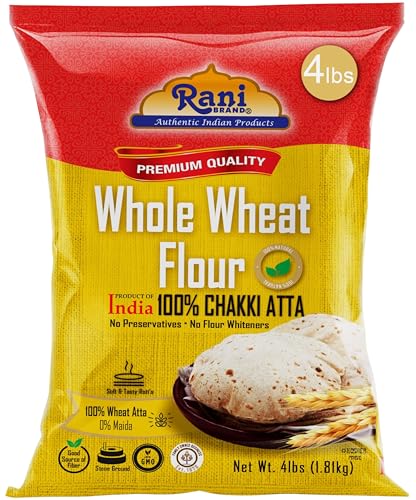
Rani Chapati Flour (100% Pure Whole Wheat Chakki Atta), For Making Roti & Indian Breads 64oz (4lbs) 1.81kg Bulk ~ All Natural | Vegan | No Salt or Colors | NON-GMO | Kosher | Indian Origin
You'll LOVE our Chapati Flour (100% Pure Whole Wheat Chakki Atta) by Rani Brand–Here's Why:
As an affiliate, we earn on qualifying purchases.
As an affiliate, we earn on qualifying purchases.
Which Flour Is Better for Your Baking Needs?

When choosing between atta and bread flour, it’s important to think about what you’re baking and the results you want. Atta is ideal for traditional Indian bread like chapati or paratha, offering a coarse texture that supports proper fermentation effects. Its natural oils and bran can influence how dough ferments, often resulting in a richer flavor and better elasticity. Bread flour, on the other hand, is better suited for yeasted breads, providing higher gluten content for a strong rise and chewy crumb. Storage considerations also matter; atta’s coarse grind and natural oils may spoil faster if not stored in a cool, airtight container, whereas bread flour’s finer texture typically lasts longer. Choosing the right flour also benefits from understanding sustainable food practices, ensuring your baking supports both quality and environmental responsibility. Selecting the appropriate flour depends on your baking goals and how you plan to handle storage, especially considering how different flours maintain freshness over time. Additionally, understanding flour storage tips can help you extend the shelf life of your flour and prevent spoilage. Proper storage methods can minimize exposure to moisture and pests, which is crucial for preserving nutritional quality.

King Arthur Gluten-Free Bread Flour, 1:1 Replacement for Yeasted Recipes, 2 lb (Pack of 1) – Premium GF Flour for Artisan Boules, Bagels, Cinnamon Rolls & Burger Buns – Sorghum & Xanthan Gum
Versatile Replacement: This gluten free flour 1 to 1 substitute for wheat flour can be used in yeasted…
As an affiliate, we earn on qualifying purchases.
As an affiliate, we earn on qualifying purchases.
What’s the Difference Between Atta and Bread Flour?

Atta and bread flour come from different grains and regions, affecting their flavor and characteristics. Their texture and milling methods also vary, which influences how they behave in recipes. Understanding these differences helps you choose the right flour for your specific culinary needs. Additionally, knowing about precious metal IRA markets can provide insights into investment diversification beyond just culinary choices. The protein content alone does not determine the suitability of flour for certain baked goods; factors like grain type and milling process also play a crucial role in the final product’s texture and quality. Recognizing milling techniques can further clarify how flour texture impacts baking performance, ensuring better results in your recipes. Moreover, flour storage methods are important to maintain freshness and prevent spoilage over time, especially considering how auditory processing can influence sensory perception of food textures.
Grain Types and Origin
The primary difference between atta and bread flour lies in their grain types and origins. Atta is made from hard wheat varieties cultivated mainly in India and surrounding regions, giving it a distinct grain origin that influences flavor and texture. Bread flour, on the other hand, typically comes from hard wheat grown in North America or Europe, often with different climate conditions that affect the grain’s characteristics. Milling techniques also differ: atta is stone-milled, which preserves more of the grain’s natural components, resulting in a coarser flour. Bread flour is usually roller-milled, producing a finer, more uniform product. These differences in grain origin and milling methods shape each flour’s unique qualities, influencing how they perform in various recipes. Additionally, the grain types used in each flour impact their protein structure and baking properties, making them suitable for different culinary applications. The milling process also affects the nutritional profile and texture of the final flour, further distinguishing these two types.
Texture and Milling Process
Because of their different milling processes, atta and bread flour have distinct textures that affect how they behave in recipes. Atta is made using stone milling techniques, which grind whole grain varieties more slowly and retain the bran and germ, resulting in a coarse, fibrous texture. In contrast, bread flour is typically produced through modern roller milling, which separates the endosperm from the bran and germ, creating a finer, smoother powder. This difference in milling techniques influences the flour’s consistency and how it absorbs water. Atta’s coarser grind gives it a rougher feel, ideal for traditional Indian breads, while bread flour’s finer texture enhances elasticity and gluten development, making it suitable for leavened baked goods. The grain varieties used also contribute to these textural differences.
Culinary Uses and Applications
Have you ever wondered why some flours are better suited for specific baked goods? Atta and bread flour each have unique culinary applications because of their gluten network strength. Atta’s lower gluten content makes it ideal for soft, chewy flatbreads like roti and chapati, where a more elastic dough is needed. Bread flour, with its higher gluten, creates a stronger structure perfect for yeast-leavened bread, providing a good fermentation process and airy texture. The gluten network in bread flour traps gases during fermentation, helping the dough rise well. Atta’s gluten forms a more tender crumb in Indian breads, while bread flour’s sturdy structure supports more complex rising. Understanding flour properties helps you choose the right flour to achieve authentic textures and suitable baking results. Additionally, the protein content influences not just strength but also the final taste and mouthfeel of baked goods.
Rani Chapati Flour (100% Pure Whole Wheat Chakki Atta), For Making Roti & Indian Breads 64oz (4lbs) 1.81kg Bulk ~ All Natural | Vegan | No Salt or Colors | NON-GMO | Kosher | Indian Origin
You'll LOVE our Chapati Flour (100% Pure Whole Wheat Chakki Atta) by Rani Brand–Here's Why:
As an affiliate, we earn on qualifying purchases.
As an affiliate, we earn on qualifying purchases.
How Does Protein Content Affect Flour Performance?

Protein content plays a crucial role in determining how flour performs in baking. Higher protein levels generally mean more gluten content, which impacts elasticity and structure. But it’s not just about the amount; milling techniques also influence performance by affecting flour texture and enzyme activity. To visualize, consider:
- Flours with higher protein create stronger doughs suited for chewy bread and pizza.
- Lower protein flours produce tender cakes and pastries by limiting gluten development.
- Milling methods can enhance or reduce the flour’s ability to develop gluten, regardless of protein percentage.
- Flour milling techniques can modify the flour’s properties, further influencing baking results. Additionally, milling processes can impact the retention of nutrients and enzyme activity, which also contribute to flour behavior in baking. When selecting flour, understanding both protein content and milling techniques helps bakers optimize their recipes for specific textures and structures, as grain selection influences the overall quality of the final product.

King Arthur High Gluten Flour, Contains Wheat Flour (wheat flour, malted barley flour) High Protein, 3 lb, White, 48 Ounces
King Arthur High-Gluten Flour is ideal for artisan and whole-grain breads, pretzels, bagels and pizza; this flour produces…
As an affiliate, we earn on qualifying purchases.
As an affiliate, we earn on qualifying purchases.
How Gluten Develops in Atta and Bread Flour
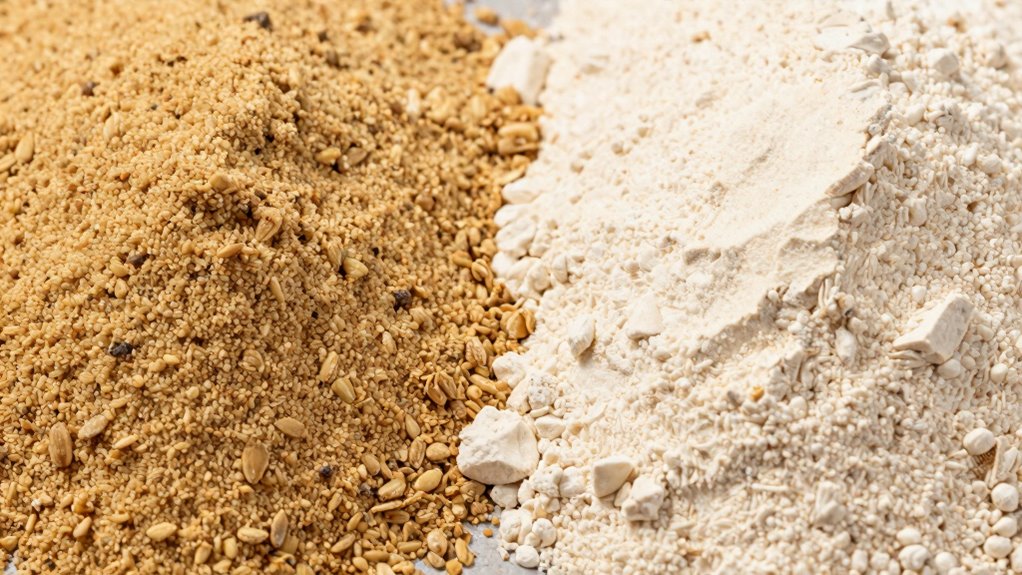
When you mix water into flour, gluten begins to form through protein bonds, creating the dough’s structure. The amount of water you add impacts how well gluten develops, especially in atta versus bread flour. Your kneading technique also influences how strong and elastic the gluten network becomes. Incorporating essential oils for gluten development can enhance the elasticity and strength of the dough, resulting in a better texture. Additionally, understanding the flour protein content helps in choosing the right type of flour for desired baking outcomes. Recognizing how Youngster Choice influences various fields can also provide insights into optimizing ingredient interactions. Moreover, the science of protein interactions plays a crucial role in understanding how gluten forms and varies between different flours.
Gluten Formation Process
As you mix water into Atta and bread flour, gluten formation begins through a process called hydration, where the proteins gliadin and glutenin absorb water and start to bond. This creates a gluten network that gives your dough its structure. As hydration continues, the gluten strands intertwine, increasing dough elasticity and making it more stretchable. To picture it:
- Gliadin and glutenin absorb water, forming individual gluten threads.
- These threads connect, creating a flexible, web-like gluten network.
- The dough becomes elastic and able to trap gases, essential for rising.
This process is vital for the dough’s strength and extensibility. The quality of gluten development directly influences how well your dough can hold shape and produce a desirable texture in baked goods.
Water Absorption Levels
Have you ever wondered why some flours absorb more water than others? Water absorption levels depend on factors like the flour’s particle size and processing methods, which influence gluten development. Atta, made from whole wheat, tends to absorb more water because of its bran and fiber content, leading to firmer doughs. Bread flour, with higher protein but fewer impurities, generally absorbs less water initially but creates a strong gluten network. Fermentation effects can increase water retention as dough relaxes and gluten relaxes, making it more extensible. Storage considerations also matter—exposing flour to humidity can alter its absorption capacity over time. Understanding these differences helps you adjust hydration levels for ideal dough consistency and fermentation outcomes.
Mixing and Kneading
The way you mix and knead your dough directly influences how gluten develops in both atta and bread flour. Proper kneading aligns proteins, forming a strong gluten network that affects fermentation effects and shelf life. Here’s what you should focus on:
- Initial mixing: Ensure even hydration, which helps gluten strands start forming uniformly.
- Kneading duration: Longer kneading develops stronger gluten, improving dough elasticity and fermentation efficiency.
- Resting periods: Allow the dough to rest, letting gluten relax and strengthen, enhancing fermentation effects and extending shelf life.
In atta, gentle kneading preserves softer gluten, suitable for softer textures, while bread flour benefits from vigorous kneading for a chewy crust.
What Other Flour Properties Impact Texture and Flavor?
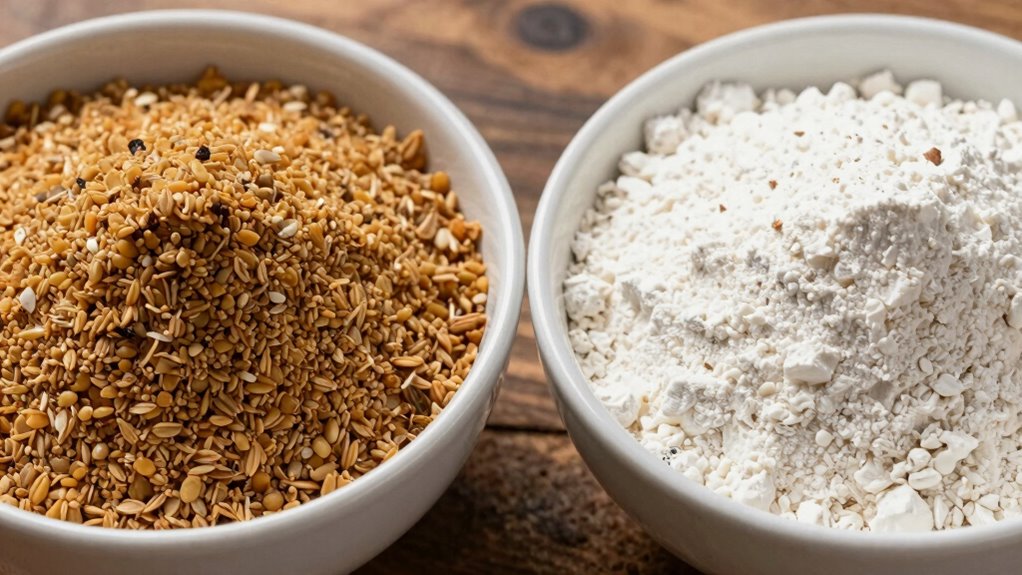
Beyond protein content, several other flour properties influence the texture and flavor of baked goods. Fermentation effects are key—you’ll notice how different flours react during rising, affecting crumb structure and taste. Flours with higher enzymatic activity can produce more complex flavors through fermentation, while others may develop a milder profile. Nutritional differences also matter; some flours contain more fiber, vitamins, or minerals, impacting both health benefits and flavor nuances. For example, whole wheat flour imparts a nuttier taste and denser texture compared to refined options. These properties don’t just affect nutritional value—they shape the overall baking experience, influencing how your dough behaves and how your baked goods taste and feel. Recognizing these factors helps you choose the right flour for your desired outcome.
Can You Substitute Atta for Bread Flour?

Can you swap atta for bread flour in your recipes? While they share similarities, atta’s unique gluten structure influences fermentation effects and dough consistency. Using atta instead of bread flour can lead to a denser crumb and different rise, because its gluten forms a less elastic network. To visualize this:
Atta’s unique gluten affects dough elasticity, fermentation, and bread texture compared to traditional bread flour.
- The dough may require more water due to atta’s absorbency.
- Fermentation might be slower or produce less volume.
- The final bread could have a nuttier flavor and firmer texture.
If you decide to substitute, expect changes in how the dough develops and rises. You might need to adjust kneading time or fermentation periods slightly. While possible, replacing bread flour with atta requires understanding these differences to achieve the best results.
Choosing the Right Flour for Different Baked Goods
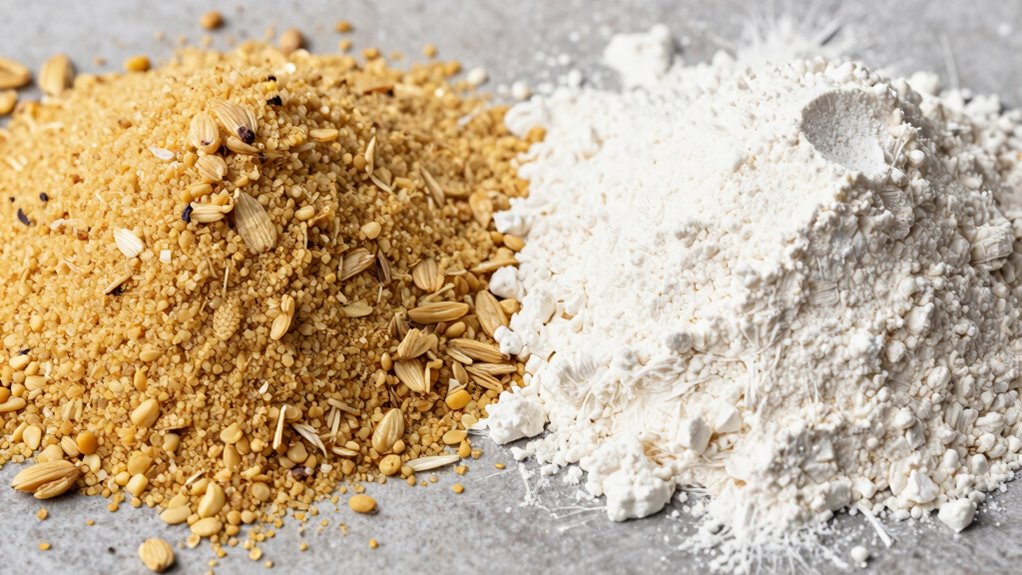
Choosing the right flour is key to achieving the desired texture and structure in your baked goods. Different flours influence the gluten structure, affecting rise and chewiness. For bread, a high-gluten flour like bread flour creates stronger gluten networks, supporting the fermentation process and resulting in a airy crumb. For cakes and pastries, lower-gluten options like cake or pastry flour produce tender textures. Use this table as a guide:
| Baked Good | Recommended Flour |
|---|---|
| Bread | Bread flour |
| Pastries & Cakes | Cake or pastry flour |
| Flatbreads | Atta or all-purpose flour |
| Pizza Dough | Bread flour |
Selecting the appropriate flour ensures ideal gluten development and fermentation, essential for the perfect bake.
Tips for Adjusting Recipes When Using Atta or Bread Flour

When substituting Atta or bread flour in your recipes, you may need to make some adjustments to guarantee the best results. To optimize gluten development and account for fermentation effects, consider these tips:
- Increase hydration slightly, as Atta absorbs more water, helping gluten form properly.
- Extend kneading time to enhance gluten development, especially with Atta’s coarser texture.
- Adjust fermentation time based on flour type; Atta may ferment slower, so allow extra rising time for better flavor and texture.
These tweaks ensure your dough develops the right structure, preventing issues like dense bread or flat loaves. Small adjustments make a big difference in capturing the unique qualities of Atta and bread flour, resulting in improved baked goods.
Frequently Asked Questions
How Does Milling Process Influence Flour Quality?
The milling process directly influences flour quality by shaping milling techniques that determine flour texture. When you choose a gentle, stone milling method, you retain more nutrients and produce a coarser texture. Conversely, roller milling creates a finer flour with a smoother texture. Your selection impacts how the flour performs in baking and cooking, affecting everything from elasticity to absorbency. So, understanding milling techniques helps you pick the right flour for your needs.
Can Alternative Flours Mimic Atta or Bread Flour Properties?
Yes, alternative flours can mimic atta or bread flour properties, but you’ll need to take into account gluten development and nutritional differences. For example, adding vital wheat gluten can boost elasticity in gluten-free options, helping replicate traditional textures. However, keep in mind that nutritional profiles vary; some gluten-free flours lack fiber or vitamins found in wheat-based flours. Adjusting hydration and mixing times can also help achieve desired dough qualities.
What Role Do Enzymes Play in Flour Performance?
Enzymes notably influence flour performance by boosting enzyme activity, which enhances gluten development. When enzymes like amylase break down starches into sugars, they provide more food for yeast, improving fermentation. They also help strengthen gluten networks, resulting in better dough elasticity and structure. By controlling enzyme activity, you can optimize dough strength, rise, and texture. Proper enzyme management ensures consistent results, making your baked goods both flavorful and structurally sound.
How Does Storage Affect Flour Freshness and Baking Results?
If you neglect proper storage, your flour could turn into a dusty, stale nightmare overnight! Poor storage conditions drastically cut its shelf life, making it lose its freshness and baking magic. Keep it airtight, in a cool, dark place, and avoid humidity. Proper storage preserves your flour’s power, ensuring your baked goods stay light, fluffy, and delicious. Don’t let bad storage sabotage your baking brilliance!
Are There Health Benefits Associated With Specific Flour Types?
You might find that certain flour types offer health benefits due to their gluten content and nutrient retention. For example, whole wheat flour retains more fiber, vitamins, and minerals, supporting digestion and overall health. On the other hand, flours with lower gluten levels, like gluten-free options, can benefit those with sensitivities. Choosing the right flour depends on your dietary needs and health goals, ensuring you get the best nutrients from your baking.
Conclusion
Don’t let the protein content alone decide your flour choice. While atta may seem less ideal for some baked goods, its unique qualities can bring a delicious, authentic touch to your recipes. Embrace the experimentation and don’t be discouraged by initial setbacks—your perfect loaf or bread is within reach. With a little patience and adjustment, you’ll discover that every flour has its own magic, making your baking journey truly rewarding.