When you use natural release, the pressure drops gradually, helping foods like meats and potatoes stay tender and moist. Quick release, on the other hand, rapidly releases steam, firming up vegetables and grains. Your choice impacts moisture retention and texture—natural release keeps dishes softer, while quick release firms them up. To perfect your cooking, discover which method suits different foods and how to master each technique for ideal results.

Get kitchen staples and gadgets delivered free with Prime
- Fast, free delivery on millions of items
- Prime Video, Amazon Music and more included
- Member-only deals all year
Key Takeaways
- Natural release maintains moisture and tenderness, resulting in softer textures, especially for meats and starchy vegetables.
- Quick release causes rapid pressure drop, often firming up vegetables and grains due to immediate stopping of cooking.
- Natural release prevents overcooking and preserves delicate textures by allowing gradual steam escape.
- Quick release can lead to firmer, less tender results, especially for dishes requiring gentle handling.
- The choice of release method directly impacts moisture retention and final food texture.
pressure cooker natural release valve
As an affiliate, we earn on qualifying purchases.
As an affiliate, we earn on qualifying purchases.
How Do Natural and Quick Release Methods Work in Your Pressure Cooker?

When using a pressure cooker, understanding how natural and quick release methods work is essential for safe and effective cooking. During pressure buildup, steam accumulates inside, increasing the pressure. Natural release allows this pressure to decrease gradually as the cooker cools, letting steam escape slowly through the vent valve. This method takes time but helps food retain moisture and tenderness, which is particularly beneficial for dishes like roasts or beans that can benefit from slow depressurization. Additionally, the gradual release minimizes steam loss, preserving flavor and texture. Quick release, on the other hand, involves manually opening the vent to rapidly release steam escape, causing the pressure to drop almost immediately. This method is useful when you want to stop cooking instantly or prevent overcooking, especially delicate foods like seafood or vegetables. Both techniques manage the pressure buildup and steam escape differently, impacting the cooking process and results. Knowing when to use each method and understanding pressure management is key to achieving the desired texture and safety in pressure cooking.
quick release pressure cooker accessory
As an affiliate, we earn on qualifying purchases.
As an affiliate, we earn on qualifying purchases.
How Release Techniques Affect Your Food’s Texture and Moisture
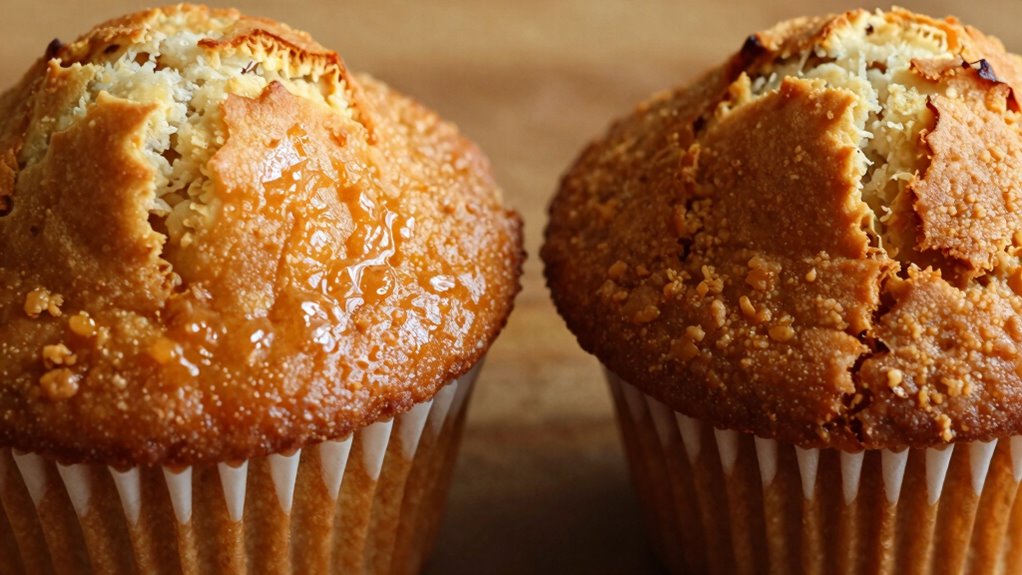
The way you release pressure from your pressure cooker directly influences the texture and moisture of your food. When you choose natural release, the gradual pressure buildup allows steam to escape slowly, helping delicate ingredients stay tender and moist. This gentle process prevents excess moisture loss, resulting in juicier dishes. Conversely, quick release causes an immediate steam escape, halting the cooking process quickly. This method can firm up textures, especially in vegetables or grains, by stopping heat abruptly. The rapid pressure drop also often leads to a different moisture profile, sometimes drying out foods or making them less tender. Your choice of release technique impacts how moisture is retained or lost, which ultimately determines whether your dish remains moist, tender, or firm. Additionally, understanding pressure management can help you better control the outcome of your cooking results. Being aware of how pressure dynamics influence cooking outcomes allows for more precise adjustments and better dish results. Recognizing how cooking techniques interact with pressure release methods can further refine your culinary results. Properly controlling the release method can also reduce the risk of overcooking or undercooking your ingredients.
best pressure cooker for tender meats
As an affiliate, we earn on qualifying purchases.
As an affiliate, we earn on qualifying purchases.
Which Foods Benefit Most From Natural Release?

Starchy vegetables like potatoes and carrots often turn out better with natural release, helping them keep their soft, fluffy texture. Tough cuts of meat tend to become more tender when you wait for the pressure to release naturally. If you want consistent results, understanding which foods benefit most from this method can make a real difference. Additionally, knowing the cooking techniques associated with natural release can help you optimize flavors and textures in your dishes. For example, pressure cooking methods can influence the overall outcome and should be chosen based on the food type. Recognizing the net worth of certain individuals can also inspire better financial planning in your culinary ventures. Mastering pressure release techniques can further enhance your cooking precision and dish quality, especially when you understand the benefits of natural release for specific ingredients.
Starchy Vegetables Texture
Natural release is especially beneficial for starchy vegetables like potatoes, carrots, and turnips because it helps prevent overcooking and preserves their ideal texture. When you use natural release, the gradual cooling process allows starchy vegetables to maintain their firmness and prevent becoming mushy. This method is ideal if you want to keep their structure intact for dishes like salads or roasted preparations. By avoiding rapid pressure drops, you minimize the risk of breaking down the cell walls, which can lead to a soggy or overly soft texture. If you value texture preservation, natural release guarantees your starchy vegetables stay just right—tender yet firm—so they hold their shape and bite. Additionally, natural release aligns with safety and proper pressure management, making it a preferred method for delicate ingredients. This technique is your best choice for achieving perfect consistency.
Tough Cuts Tenderness
Tough cuts of meat, like brisket, chuck roast, or pork shoulder, benefit considerably from natural release because it allows the fibers to relax gradually, resulting in more tender meat. When you give these cuts time to rest, their connective tissues break down gently, enhancing tenderness. Resting techniques are crucial for maximizing flavor and texture. Quick release can cause juices to escape prematurely, making the meat tougher. To illustrate, consider this comparison:
| Cut Type | Ideal Release Method | Resulting Tenderness |
|---|---|---|
| Brisket | Natural Release | Juicier, more tender |
| Chuck Roast | Natural Release | Falls apart easily |
| Pork Shoulder | Natural Release | Moist, tender |
| Ribs | Quick Release | Less tender, drier |
| Short Ribs | Quick Release | Firmer texture |
Choosing natural release for tough cuts guarantees maximum tenderness and flavor. Proper rest and release methods are essential for optimal texture in ensuring the best eating experience.
pressure cooker steam release tools
As an affiliate, we earn on qualifying purchases.
As an affiliate, we earn on qualifying purchases.
When Should You Use Quick Release for the Best Results?
Knowing when to use a quick release is essential for achieving the best results, especially when timing and precision matter. Use quick release when you want to prevent excess pressure build-up, which can lead to overcooked food or safety concerns. It’s ideal when you need to rapidly release steam escape and stop the cooking process immediately. Consider these situations:
- When cooking delicate foods like seafood or vegetables that can become mushy if overcooked.
- When you’re short on time and need to quickly halt pressure buildup.
- When releasing steam could cause splattering or mess, such as with soups or grains.
- Maintaining safety by avoiding the risk of pressure-related accidents and ensuring proper handling of the appliance.
- When working with pressure regulation to keep the cooking process under control and prevent unintended over-pressurization.
Using quick release in these scenarios ensures you maintain control, preserve texture, and avoid unnecessary pressure or steam buildup.
Pro Tips for Consistent Release Technique Results
To achieve consistent release results, it’s important to develop a steady technique that you can rely on every time. Focus on timing precision; know exactly when to initiate the release based on your recipe and equipment. Practice your method to build muscle memory, ensuring you don’t rush or delay unnecessarily. Regular equipment maintenance is essential—clean valves and replace worn parts to prevent unexpected issues that could affect your release consistency. Use a timer or visual cues to help perfect your timing, and always follow a routine to minimize variables. Equipment calibration management also plays a role in maintaining a smooth workflow, as it ensures your browsing experience remains uninterrupted. Additionally, understanding home EV charging fundamentals can help streamline your overall process and reduce downtime. Being familiar with sauna heater operation and troubleshooting can further improve your consistency and safety. By staying attentive to equipment condition and honing your timing, you’ll consistently produce the desired texture, whether you’re opting for natural or quick release. Regularly inspecting your tools can also prevent unexpected malfunctions, further supporting your juice extraction techniques and overall process.
Troubleshooting Texture Problems Caused by Release Choices

Choosing between natural and quick release methods can considerably impact the final texture of your dish, but it can also introduce common problems if not done correctly. One key issue is steam buildup, which can cause overcooked or mushy results if you don’t release pressure properly. Safety considerations are essential—never force open the lid before pressure drops, as that can be dangerous. To troubleshoot texture problems caused by release choices:
- If your dish is too mushy, try quick releasing to stop cooking immediately and preserve firmness.
- For overly dry or undercooked results, opt for natural release, allowing gradual pressure reduction.
- Always check for proper pressure levels before opening to avoid burns or accidents, ensuring safety and ideal texture.
- Understanding how pressure levels influence texture can help you choose the right release method for consistent results.
- Proper oil maintenance and using the right tips can also prevent uneven finishes that may affect your overall cooking process.
Frequently Asked Questions
Can Release Methods Affect the Nutritional Content of Your Food?
Yes, your release method can influence the nutritional content of your food. When you use natural release, pressure retention is maintained longer, which helps conserve nutrients and prevent overcooking. Quick release releases pressure rapidly, potentially leading to nutrient loss due to higher heat exposure. So, choosing the right method ensures better nutrient preservation and overall food quality.
How Does Altitude Impact Pressure Release Times?
Think of altitude effects as trying to open a high-altitude mountain pass; the thinner air makes pressure adjustments take longer. At higher elevations, your pressure cooker needs more time to release steam safely because the atmospheric pressure is lower. You should allow extra pressure release time to prevent accidents. So, always consider altitude effects to adjust your pressure release times, ensuring safe and effective cooking.
Is There a Safety Risk With Quick Release Methods?
Yes, there are safety concerns with quick release methods. You should be cautious because rapid pressure release can cause potential hazards like hot steam or liquid escaping suddenly, risking burns or injuries. Always follow your pressure cooker’s instructions, verify the valve is functioning properly, and never force the lid open. Using quick release carefully minimizes these risks, but always prioritize safety to avoid accidents.
Do Different Pressure Cooker Models Influence Release Effectiveness?
Did you know there are over 50 pressure cooker models on the market? Yes, different models do influence release effectiveness, impacting pressure buildup and safety. You should consider pressure cooker safety guidelines and recipe adaptation, as some models are better at quick releases without risking accidents. Always consult your user manual, as features vary, ensuring you release pressure safely and adapt recipes correctly for ideal results.
Can Release Techniques Alter the Appearance of Delicate Ingredients?
Yes, your release technique can affect the appearance of delicate ingredients. Quick release might cause texture alteration or break apart fragile items, while natural release helps conserve their shape and appearance. If you want ingredient preservation, opt for natural release to gently let pressure out, maintaining the integrity of delicate ingredients. Using the right release method ensures your dish looks appealing while keeping the intended texture intact.
Conclusion
Choosing between natural and quick release isn’t just about timing—it’s about balancing patience with speed. Natural release offers tender, moist textures, while quick release preserves freshness and firmness. Both methods shape your dish’s final character, revealing that patience and urgency work hand in hand. By understanding when to use each, you master your pressure cooker’s potential, transforming simple ingredients into perfectly textured meals—sometimes slow, sometimes swift, but always delicious.
NFL season / tailgating Picks
team gear
As an affiliate, we earn on qualifying purchases.