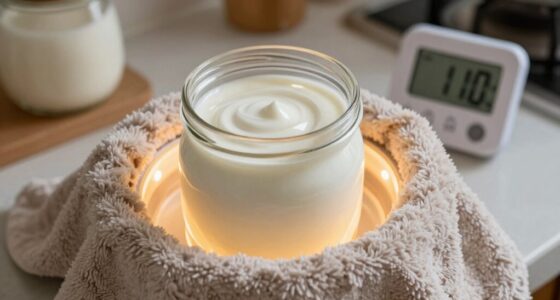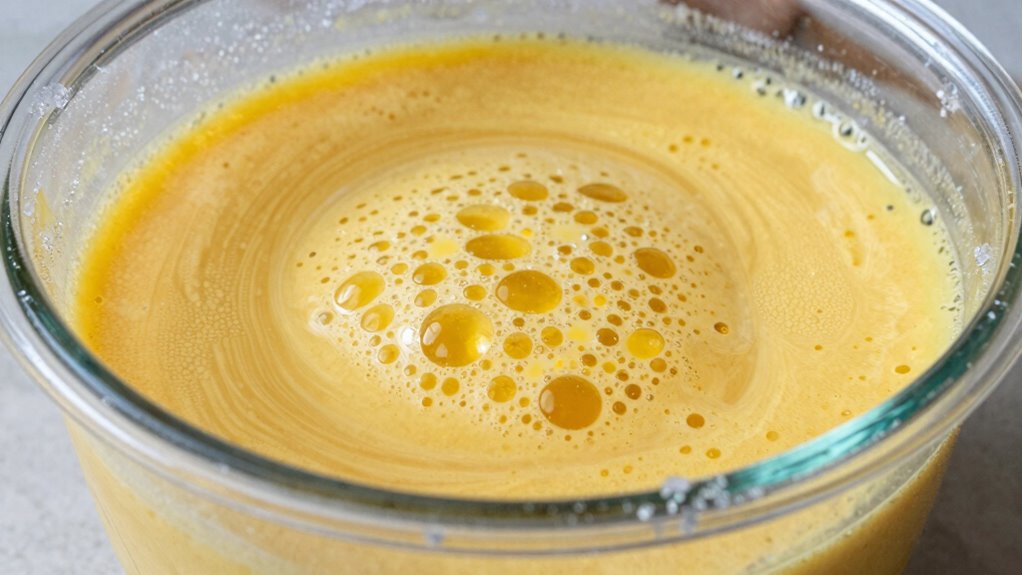

Freezing dosa batter temporarily puts fermentation on hold by slowing down microbial activity, especially yeast and bacteria. It doesn’t completely stop or kill these microbes, but it makes them dormant. When you thaw the batter, fermentation can resume, although it may take longer or be less vigorous. Proper freezing and thawing techniques help preserve yeast viability. To learn more about maintaining perfect fermentation after freezing, keep exploring the details.
Key Takeaways
- Freezing pauses fermentation by halting yeast and microbial activity, but doesn’t completely kill the microbes.
- Yeast becomes dormant at low temperatures, resuming activity after thawing, though initially slower.
- Extended freezing weakens fermentation ability and can alter batter flavor and texture.
- Proper freezing techniques preserve microbial viability and facilitate better fermentation upon thawing.
- Thawing gradually at room temperature helps reactivate fermentation and restore batter’s leavening potential.

Tupperware Super Storer Large 5 Ltrs.
Airtight and liquid-tight lid to keep contents fresh and moisture-free.
As an affiliate, we earn on qualifying purchases.
As an affiliate, we earn on qualifying purchases.
Does Freezing Dosa Batter Halt Fermentation?
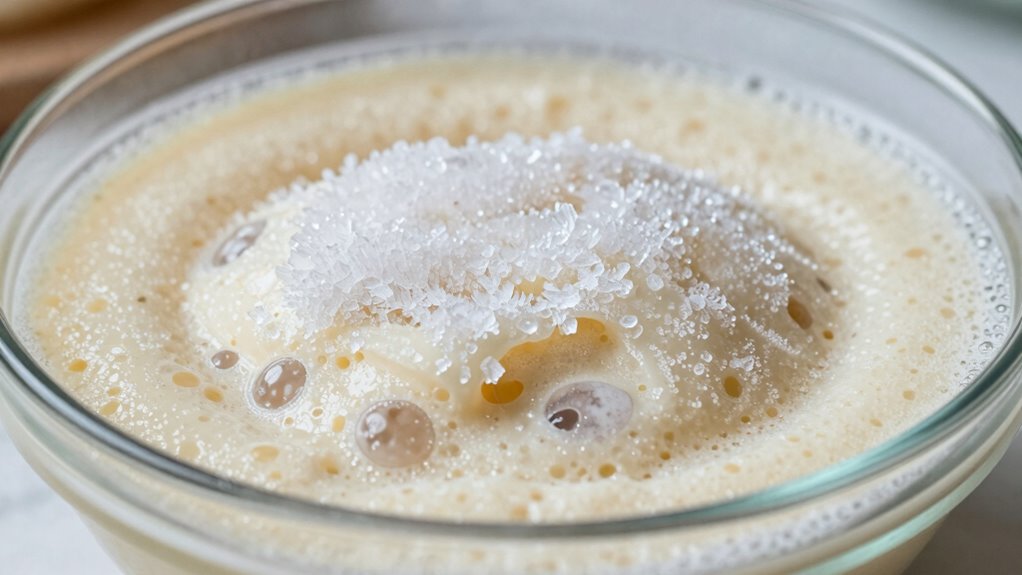
Freezing dosa batter fundamentally pauses the fermentation process rather than halts it completely. When you freeze your batter, the fermentation speed markedly slows down because the cold temperature inhibits the activity of the yeast and bacteria responsible for fermentation. This slowdown means that the batter’s rise and bubble formation reduce drastically, but the microbes aren’t entirely killed. Once you thaw the batter, fermentation can resume, although it may be a bit slower initially. Freezing also affects batter consistency slightly; it can become denser or more watery upon thawing, depending on how it was stored. Additionally, connected equipment and apps can help monitor fermentation status during storage. It’s important to note that proper storage techniques can minimize negative effects and help preserve microbial activity. Consequently, while freezing doesn’t stop fermentation altogether, it puts it on hold, allowing you to pause and continue fermentation later without losing the microbial activity entirely.

Aquarium Thermometer Strips, Adhesive Kombucha Beer Brewing Temperature Strip, Stick On Strip Thermometer Sticker for Fish Tank/Fermentation Jar (39 to 97℉/4 to 36℃) Terrarium Water Temperature Test
【 Displays Degree Centigrade Fahrenheit 】The thermometer strips has a range of 39℉ to 97℉(4℃ to 36℃)with accuracy…
As an affiliate, we earn on qualifying purchases.
As an affiliate, we earn on qualifying purchases.
How Freezing Affects the Flavor and Texture of Dosa Batter
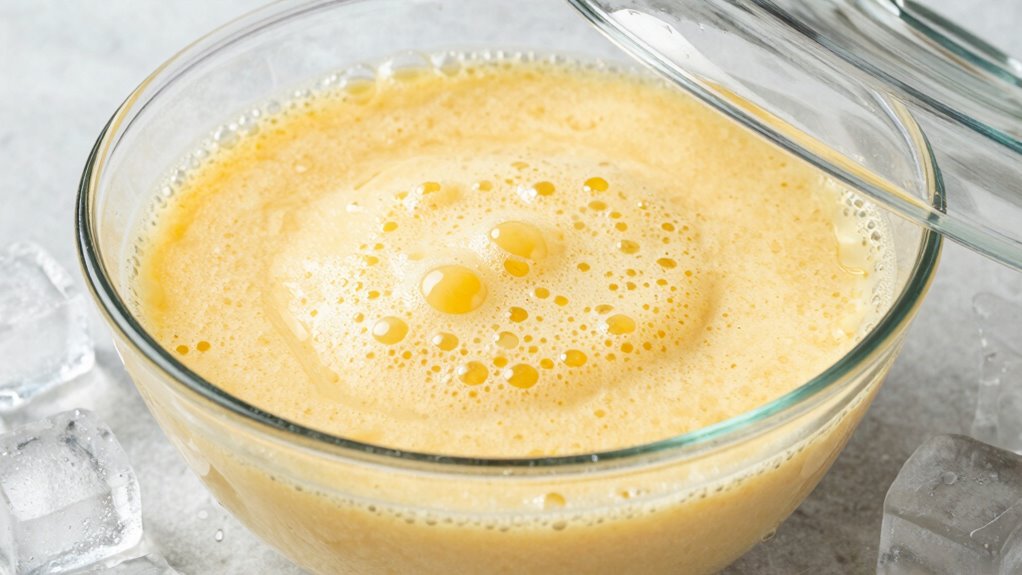
When you freeze dosa batter, it can cause subtle changes to its flavor and texture that may affect your final dish. Freezing slows down the fermentation process, which can slightly alter the batter’s flavor preservation, making it less tangy over time. The texture may also change; the batter might become a bit denser or develop ice crystals that affect how well it ferments when thawed. These changes don’t ruin the batter but can influence the taste and consistency of your dosas. To minimize flavor loss, it’s best to freeze the batter promptly after fermentation and use proper containers. While freezing preserves the batter for longer, keep in mind that some delicate flavor nuances can diminish, impacting the overall quality of your dosas. Additionally, understanding fermentation dynamics can help you better anticipate how freezing will affect your batter’s rise and flavor profile. Proper storage techniques can also help maintain the batter’s quality during freezing. For optimal results, consider how the fermentation process interacts with freezing to maintain the desired qualities of your dosa batter. Recognizing how freezing impacts fermentation enables you to make adjustments and preserve the batter’s best qualities. Moreover, being aware of temperature control can help prevent unwanted changes during storage.
MegaWise Vacuum Sealer Machine | 80kPa Suction Power| Bags and Cutter Included | Compact One-Touch Automatic Food Sealer with External Vacuum System | Dry Moist Fresh Modes for All Saving needs
*80kpaSuction Power* Updated 2023 vacuum sealer uses a DC motor pump with electromagnetics and pure copper for enhanced…
As an affiliate, we earn on qualifying purchases.
As an affiliate, we earn on qualifying purchases.
What Are the Best Ways to Freeze Dosa Batter Without Losing Fermentation?
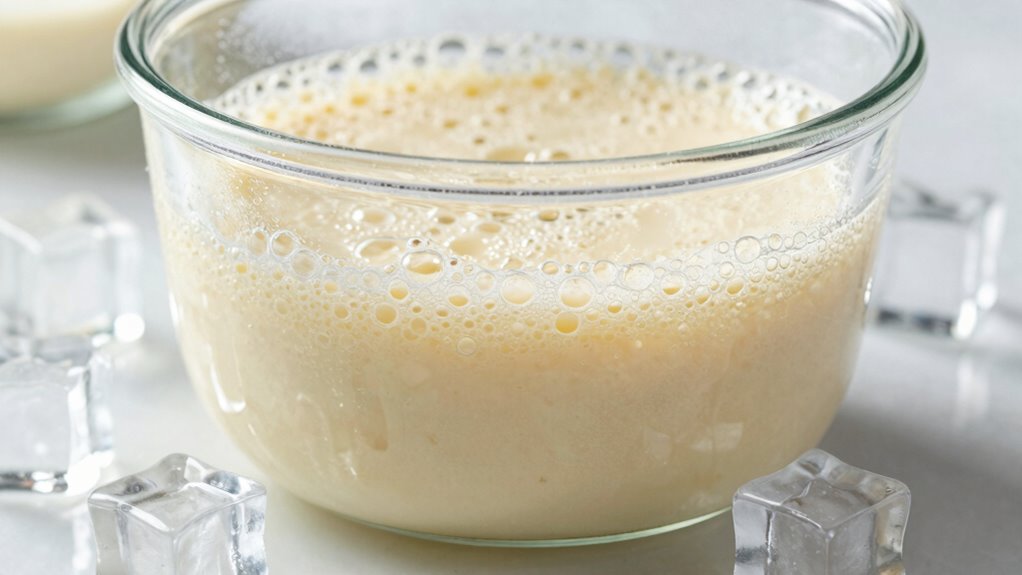
To freeze dosa batter without guaranteeing fermentation, you need proper storage techniques that preserve its active microbes. When thawing, do it gradually and at room temperature to help recover fermentation quickly. Paying attention to these methods ensures your batter stays flavorful and ready for perfect dosas every time.
Proper Storage Methods
Properly freezing dosa batter requires careful handling to preserve fermentation and maintain its quality. Use airtight storage containers designed for freezing to prevent air exposure that can damage the batter. Fill containers just enough to allow expansion during freezing, and leave some space for the fermentation timeline to continue once thawed. Label each container with the date to track freshness. Additionally, consider using Free Floating containers that allow for easier expansion and better air circulation during storage.
Thawing and Fermentation Recovery
Thawing dosa batter carefully is essential to preserve its fermentation and guarantee it remains flavorful and fluffy. When you thaw batter too quickly or at high temperatures, it can cause a fermentation slowdown, making it less airy. To prevent this, thaw the batter in the refrigerator overnight, allowing a gradual temperature increase that minimizes yeast suppression. Once thawed, give the batter a gentle stir to redistribute the fermentation activity. If you notice a slight decrease in fermentation, you can gently revive it by adding a small amount of fresh batter or a pinch of yeast and letting it sit at room temperature for 10-15 minutes. This approach helps restore the batter’s rise and ensures your dosa stays light and flavorful. Controlling temperature during thawing is crucial for maintaining the batter’s natural fermentation process and achieving optimal results.

2 Pack Kombucha Heating Pad with Digital Temperature & Timer Kombucha Sourdough Carboy Starter Fermentation Heat Mat for 1-3 Gallon Vessels 2 in 1 Plug Home Brewing Essential
Versatile Fermentation Solution: Ensure optimal growth for your kombucha, sourdough starter, kefir, yogurt, and vegetables with this 2…
As an affiliate, we earn on qualifying purchases.
As an affiliate, we earn on qualifying purchases.
How Long Can You Safely Freeze Dosa Batter?
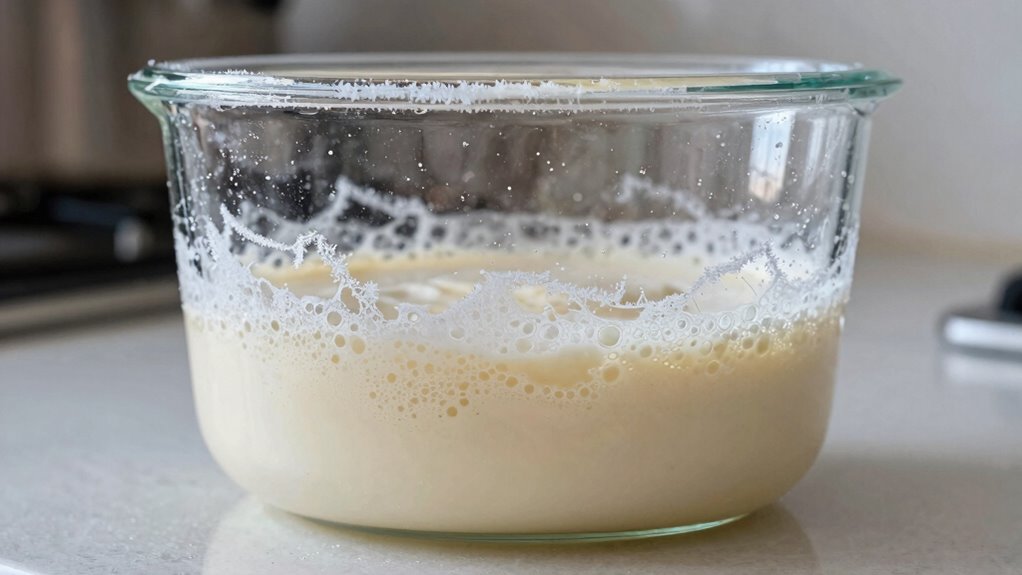
You can safely freeze dosa batter for up to three months without substantially affecting its quality. The freezing duration plays a key role in maintaining the batter’s fermentation timeline and ensuring it remains workable. After this period, the batter may experience changes in texture and flavor, but it can still be used. To preserve its best quality, label the container with the date you froze it. Longer freezing times can lead to a decline in leavening ability and taste. Remember, rapid freezing helps prevent ice crystal formation, which can damage the batter’s structure. While the batter remains safe beyond three months, its fermentation and overall quality may diminish, making it less ideal for traditional dosas. Stick to the three-month guideline for excellent results. Proper freezing techniques are essential to maintaining the batter’s integrity during storage.
How to Thaw and Restore Fermentation in Frozen Dosa Batter
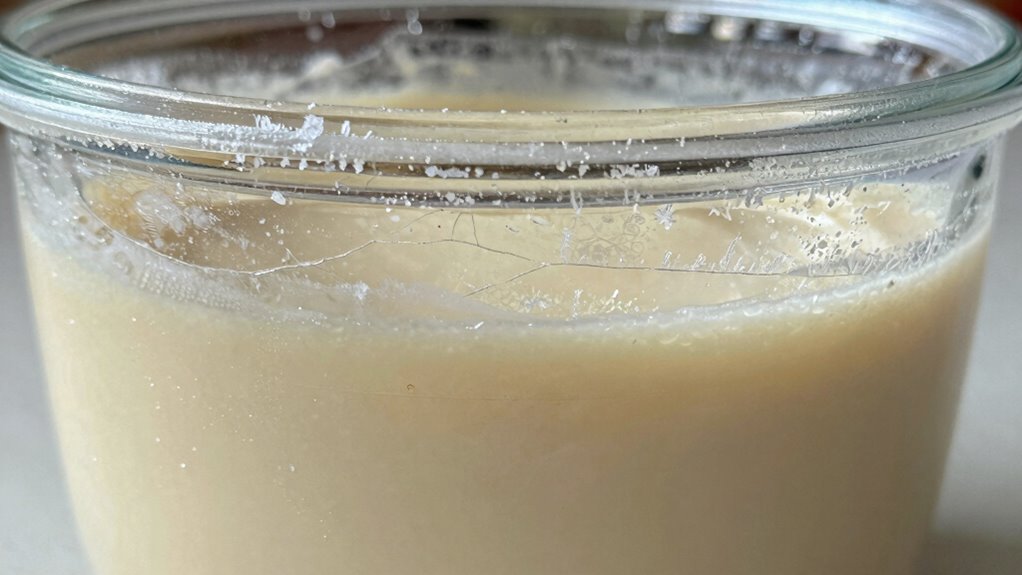
When you’re ready to use frozen dosa batter, the key is to thaw it slowly to preserve its texture and fermentation potential. Place the frozen batter in the refrigerator for several hours or overnight, allowing it to thaw gradually. Once thawed, gently stir the batter to encourage fermentation restart, as this helps reactivate the natural fermentation process. If the batter seems less bubbly or slightly flat, you can give it a dough revival by adding a small amount of fresh batter or a pinch of cooked rice to jump-start fermentation. Keep the batter at room temperature for about 30 minutes, which encourages bubbles to form and fermentation to resume. Additionally, using proper storage practices can help maintain the batter’s fermentation quality over time. Proper storage is especially important for maintaining the net worth of your ingredients and ensuring consistent results. Being mindful of temperature control during storage can significantly impact the fermentation process and batter quality. Implementing consistent temperature management can help prevent over-fermentation or spoilage, safeguarding your ingredients’ freshness. With patience, your thawed batter will regain its proper consistency and fermentation, ready for delicious dosas.
Troubleshooting: Why Isn’t My Frozen Dosa Batter Fermenting Properly After Thawing?
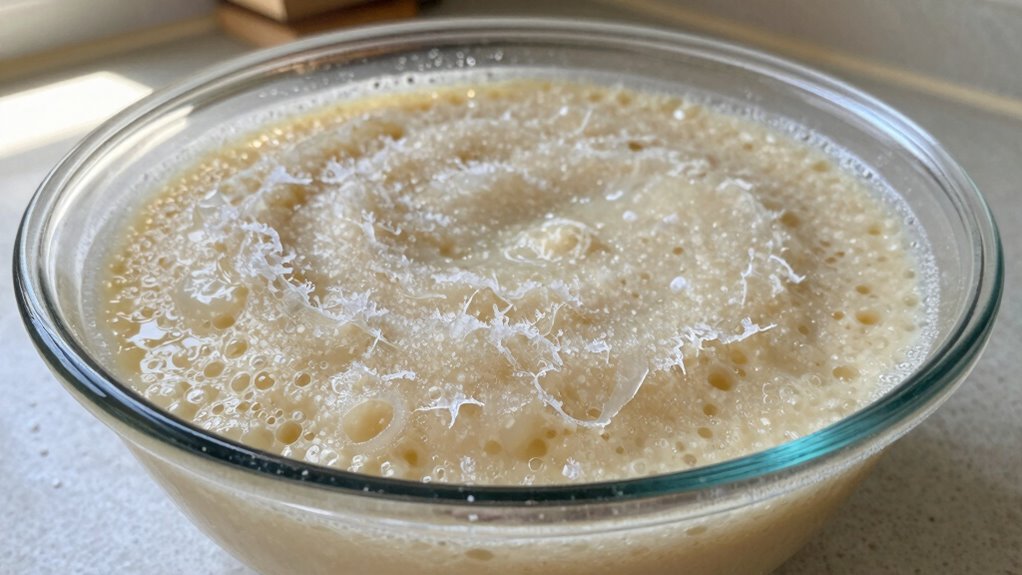
If your thawed dosa batter isn’t fermenting, it could be due to suppressed yeast activity or improper storage conditions. Cold temperatures or prolonged freezing might hinder fermentation, making it harder for the batter to rise. Check these factors to identify and fix the issue. Additionally, using proper storage techniques can help maintain the batter’s qualities and promote fermentation after freezing. Maintaining the right fermentation environment is crucial to ensure active yeast and optimal rising of the batter.
Yeast Activity Suppression
Yeast activity can be markedly suppressed during freezing, which can lead to fermentation issues once the batter is thawed. This yeast suppression occurs because cold temperatures slow down yeast metabolism considerably, causing a fermentation pause. As a result, when you thaw your frozen dosa batter, the yeast may not immediately resume activity, delaying or preventing fermentation. The yeast’s dormant state during freezing reduces its ability to produce the carbon dioxide needed for proper leavening. To improve fermentation after thawing, you might need to give the batter additional time at room temperature or gently warm it to reactivate the yeast. Additionally, temperature regulation plays a crucial role in yeast activity and fermentation success. Understanding how freezing impacts yeast activity helps you troubleshoot and ensure your dosa batter ferments properly after thawing, especially since yeast viability can be affected by freezing conditions. Proper storage conditions are essential to preserve yeast health and ensure successful fermentation later.
Temperature and Storage Factors
Freezing can considerably impact the storage conditions of your dosa batter, affecting its ability to ferment properly after thawing. Temperature effects and storage duration play vital roles. If the batter is stored too long or at inconsistent temperatures, fermentation may stall. When freezing, keep your batter at a consistent, cold temperature to prevent spoilage. Extended storage can weaken microbial activity, reducing fermentation potential. Proper freezer management helps maintain microbial vitality, ensuring successful fermentation. Here’s a quick emotional overview:
| Storage Time | Temperature Stability | Fermentation Outcome |
|---|---|---|
| Short-term | Consistent cold | Ferments well |
| Long-term | Fluctuates or warms | Fails to ferment |
| Improper handling | Uneven freezing | Unpredictable results |
| Overextended | Freezer burn or thawing | No fermentation |
Keeping these factors in check guarantees your batter remains lively and ready to ferment, and understanding halal certification can also be important for those observing dietary laws in food preparation.
Tips to Keep Your Dosa Batter Fresh and Tasty When Freezing
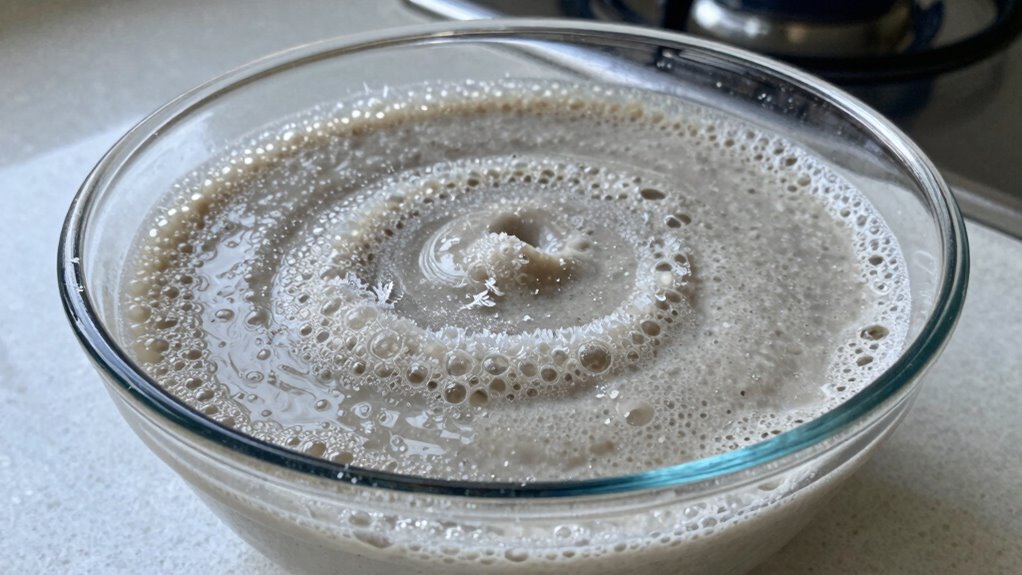
To keep your dosa batter fresh and flavorful when freezing, proper storage techniques are essential. Effective batter preservation relies on good freezing techniques that prevent spoilage and maintain fermentation quality.
Proper freezing techniques keep dosa batter fresh, flavorful, and fermentation-ready.
Here are three tips to help you succeed:
- Use airtight containers or resealable bags to minimize air exposure and prevent freezer burn.
- Leave some space at the top of the container, as batter expands when frozen.
- Label each batch with the date to track freshness and avoid prolonged storage.
Common Questions About Freezing and Fermentation of Dosa Batter
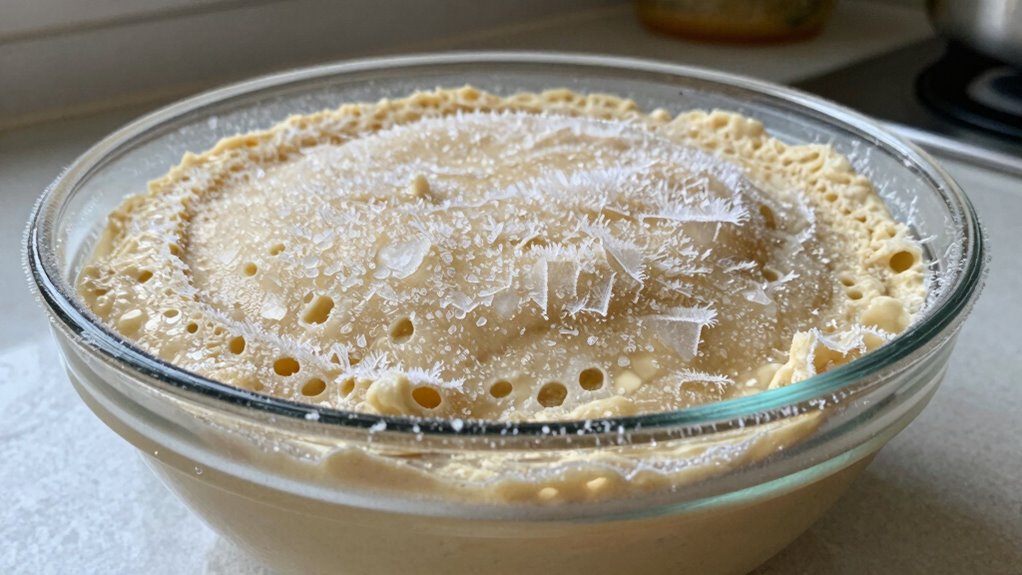
Many people wonder how freezing affects the fermentation process of dosa batter. Freezing slows down fermentation speed appreciably, often halting yeast growth and microbial activity. When you thaw the batter, fermentation resumes, but it may take longer than usual. To maintain ideal fermentation, avoid freezing for too long, as it can weaken the batter’s ability to rise properly. Proper art care and storage techniques help preserve the batter’s quality. Freezing can also impact microbial activity, which is essential for proper fermentation. Here’s a quick comparison:
| Aspect | Effect of Freezing |
|---|---|
| Fermentation Speed | Slowed or temporarily halted |
| Yeast Growth | Minimal or stopped during freezing |
| Thawing Impact | Resumes fermentation gradually |
| Best Practice | Freeze only after initial fermentation |
Understanding these effects helps you plan your batter preparation better and ensures fluffy, well-fermented dosas.
Frequently Asked Questions
Can Freezing Affect the Gut-Friendly Probiotics in Dosa Batter?
Freezing can impact the probiotic stability in your dosa batter, but it doesn’t eliminate all beneficial bacteria. While the fermentation impact is minimal, some probiotics may become less active or die off during freezing. To retain maximum gut benefits, it’s best to consume freshly fermented batter or freeze it shortly after fermentation. When properly stored, freezing helps preserve the batter, but prolonged freezing might reduce the probiotic content.
Does Freezing Alter the Nutritional Value of Fermented Dosa Batter?
Freezing can slightly affect the nutritional stability of fermented dosa batter, but most fermentation effects remain intact. You might see minor changes in vitamins like B and C, but protein, carbohydrates, and minerals stay largely unaffected. When you freeze it properly, the core nutrients stay preserved, ensuring you still get the health benefits. Just be aware that prolonged freezing could cause some nutrient degradation over time.
Is There a Difference Between Freezing Fresh Versus Fermented Batter?
Did you know that freezing fresh batter preserves its enzymes better than fermented batter? When you store batter, whether fresh or fermented, your choice of storage techniques impacts quality. Freezing fresh batter typically maintains its texture and flavor more effectively. Thawing methods like slow refrigeration help retain moisture and prevent over-fermentation. So, yes, there’s a difference: freezing fresh preserves more of the original qualities, while fermented batter may lose some fermentation nuances.
How Does the Type of Container Impact Freezing and Fermentation Preservation?
You should choose a container material that enhances freezing efficiency and preserves fermentation. Glass or stainless steel containers work best because they don’t react with the batter and maintain consistent temperature. Avoid plastic, which may crack or retain odors. Properly sealed containers prevent freezer burn and spoilage, ensuring your dosa batter stays fresh and fermenting well. This way, you can enjoy flavorful, well-preserved batter whenever you’re ready to make dosas.
Can Freezing Change the Fermentation Timeline for Dosa Batter?
Freezing definitely slows down fermentation speed, so it can alter the fermentation timeline for your dosa batter. Freezing effects cause the yeast and bacteria to become dormant, meaning fermentation pauses while frozen. When you thaw the batter, fermentation resumes, but it might take longer than usual. This process can slightly change the batter’s texture and sourness, so keep an eye on it and adjust your timing accordingly.
Conclusion
Think of freezing your dosa batter as sealing a moment in time—a frozen lake holding the promise of spring. When you thaw it, you revive that gentle flow of fermentation, like the first warm breeze awakening the season. With careful handling, you preserve the essence and flavor, allowing your batter to bloom anew. So, treat your batter like a dormant seed—ready to sprout into deliciousness when nurtured with patience and warmth.