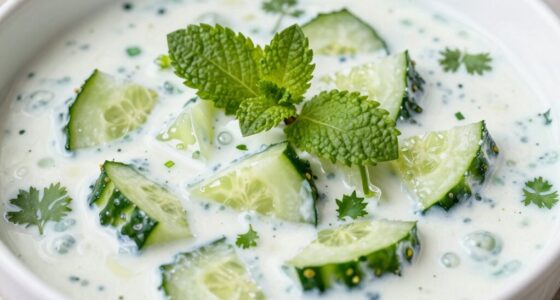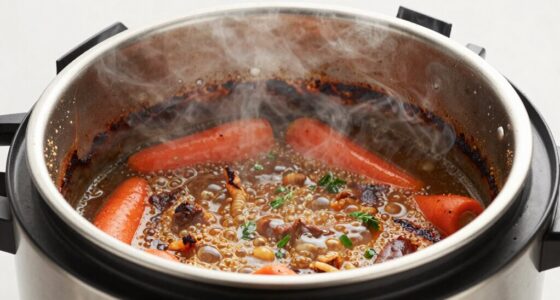
To get that fluffy, airy texture when grinding urad dal, start with fresh, high-quality dal and soak it for 4-6 hours in cold water. Use a wet stone grinder or a high-powered mixer grinder, adding ice-cold water gradually while pulsing to incorporate air and prevent heat buildup. Proper fermentation is key—ferment in a warm spot for 8-12 hours. Keep these tips in mind, and you’ll master the perfect batter in no time.
Play games included with Prime
Start a Prime free trial and play with Amazon Luna on your devices.
As an affiliate, we earn on qualifying purchases.
Key Takeaways
- Use fresh, high-quality urad dal and rinse thoroughly before soaking to ensure smooth grinding and better fluffiness.
- Soak dal for 4-6 hours in warm water to achieve optimal softness and hydration.
- Grind the soaked dal using a wet stone or high-powered mixer grinder, adding ice-cold water gradually for a smooth batter.
- Avoid over-grinding to prevent heat buildup; pulse intermittently to incorporate air and maintain batter lightness.
- Ensure proper fermentation after grinding by keeping batter in a warm, moist environment to develop fluffiness and rise.
As an affiliate, we earn on qualifying purchases.
How Can I Make Fluffy Urad Dal Batter for Perfect Dosas and Idlis?
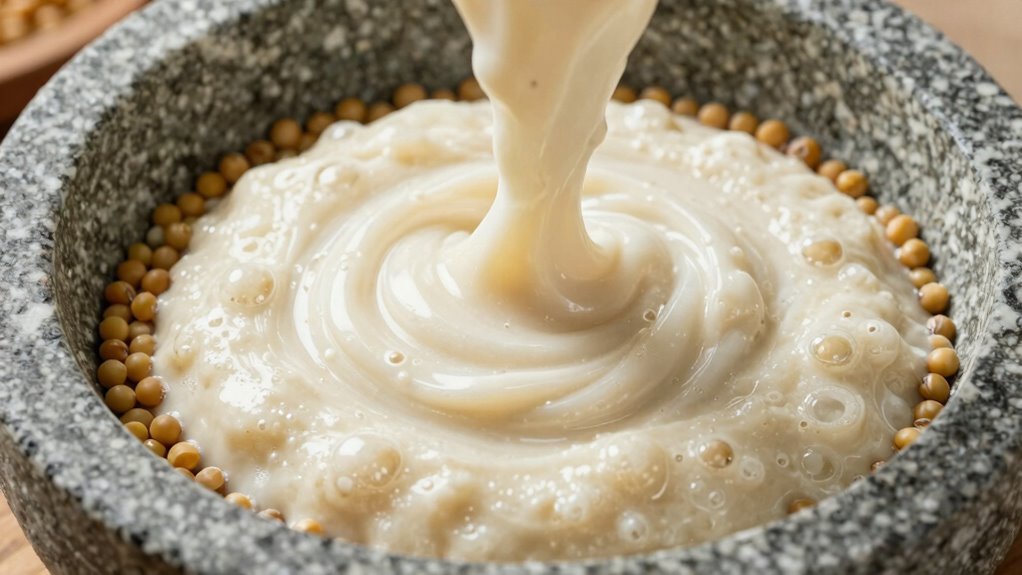
To make fluffy urad dal batter for perfect dosas and idlis, start by thoroughly rinsing the urad dal until the water runs clear. The key to achieving the right texture lies in selecting good-quality urad dal—look for fresh, whole, and evenly sized beans. Once rinsed, soak the dal for at least 4-6 hours or overnight to soften. When grinding, use a wet grinder or high-powered blender to create a smooth, airy batter, adding water gradually. Proper batter storage is essential; keep it in a warm place or refrigerate if needed, and ferment until it doubles in size. This process guarantees a light, fluffy batter that yields soft dosas and idlis every time.
high-powered mixer grinder for batter
As an affiliate, we earn on qualifying purchases.
As an affiliate, we earn on qualifying purchases.
How to Choose the Best Urad Dal for Soft, Fluffy Batter
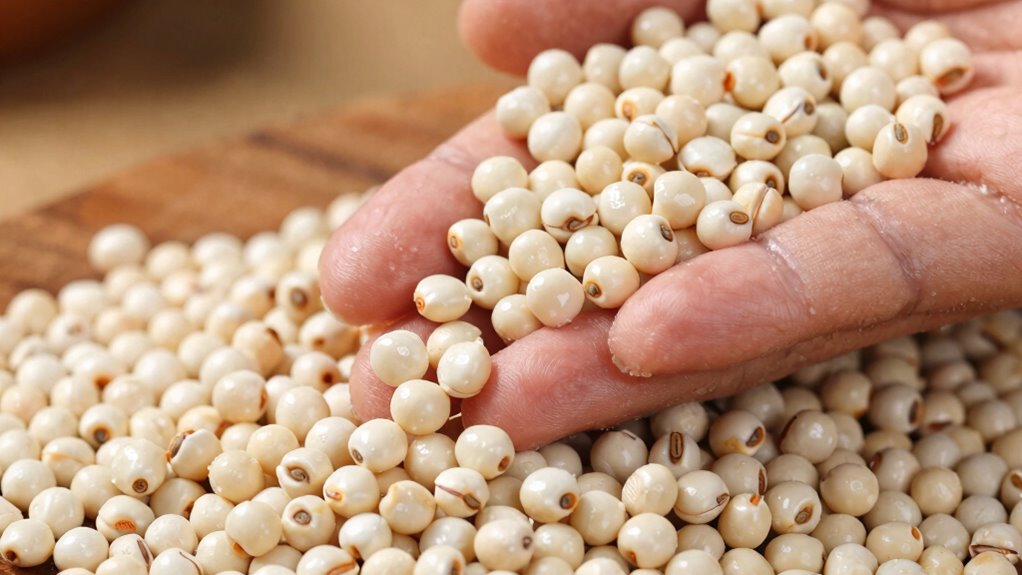
Choosing the right urad dal is essential for making soft, fluffy batter. There are various urad dal varieties, such as split, whole, black, and white, each affecting the batter’s texture differently. For fluffy results, opt for fresh, high-quality split urad dal, which grinds easily and produces a smooth batter. When selecting, check for vibrant color and absence of discoloration or mold. Proper storage tips also matter; keep urad dal in an airtight container in a cool, dry place to prevent moisture and pests. Avoid using old or stored dal that has absorbed humidity, as it can affect the batter’s consistency. Fresh, well-stored urad dal ensures your batter remains light, airy, and perfect for dosas and idlis.
urad dal soaking and grinding tools
As an affiliate, we earn on qualifying purchases.
As an affiliate, we earn on qualifying purchases.
How Long Should You Soak Urad Dal for Ideal Grinding Results?
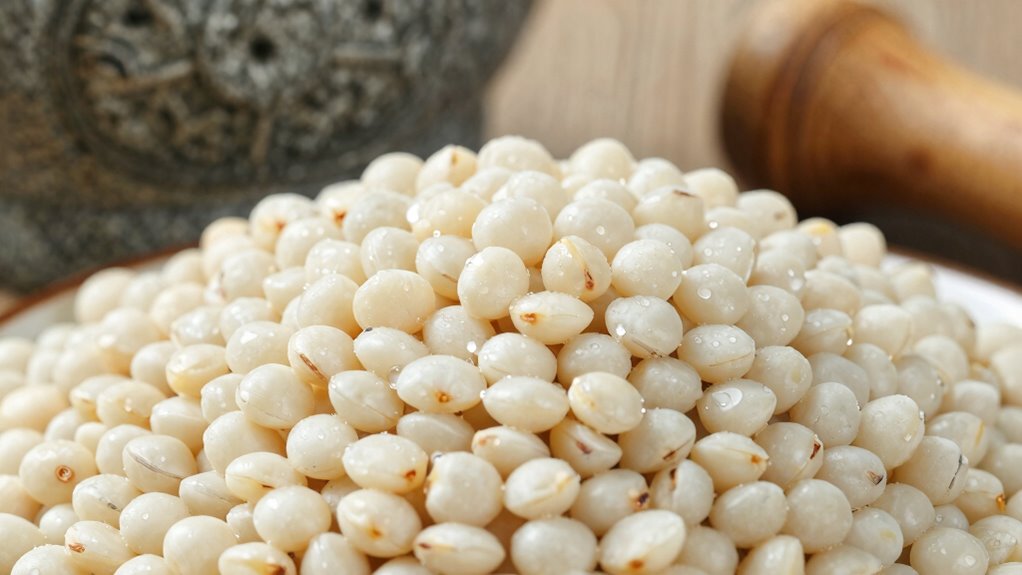
Soaking urad dal for the right amount of time can make a noticeable difference in how smoothly it grinds and how fluffy your batter turns out. Typically, a soaking duration of 4 to 6 hours is ideal, giving the dal enough time to soften without becoming mushy. Water temperature plays a role too; soaking in warm water speeds up the process, while cold water requires more time. If you’re short on time, soaking in warm water for 2-3 hours can work, but for best results, aim for the full 4-6 hours. Proper soaking guarantees the dal absorbs enough moisture, which helps it grind into a smooth, airy batter. Adjust the soaking time based on your water temperature to achieve best fluffy texture. Additionally, the correct soaking duration ensures optimal hydration, leading to a more consistent and fluffy batter, especially when considering soaking techniques that improve overall results. Incorporating proper hydration methods can further enhance the fluffiness and texture of your urad dal batter. Understanding the impact of soaking time on the batter’s consistency can help you refine your process for perfect results every time.
fermentation container for idli batter
As an affiliate, we earn on qualifying purchases.
As an affiliate, we earn on qualifying purchases.
What Are the Best Techniques to Grind Urad Dal for Light, Airy Batter?
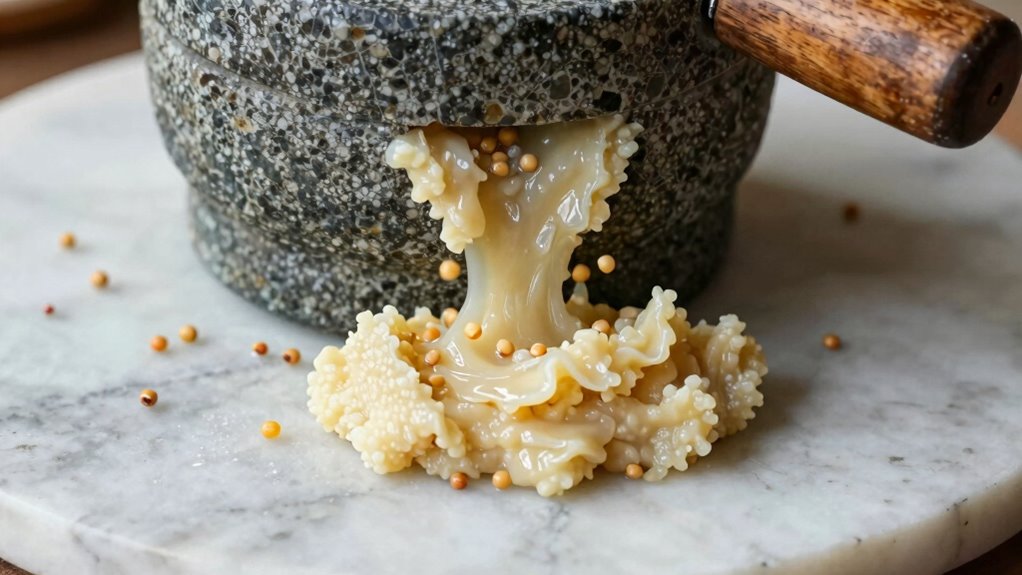
To achieve a light, airy batter, you need to master soaking and rinsing techniques to soften the dal properly. Using the right grinding methods, like grinding in small batches or with chilled water, can make a big difference. Let’s explore the best ways to optimize each step for perfect consistency. Incorporating Free Floating techniques in your process can help ensure an even, fluffy texture without overworking the batter. Additionally, controlling the grinding process by adjusting variables like water temperature and grinding duration can significantly impact the batter’s fluffiness. Proper temperature control during grinding is essential to maintain the batter’s lightness and prevent overworking the dal.
Soaking and Rinsing Techniques
Getting the best, lightest batter from urad dal starts with proper soaking and rinsing. First, choose high-quality ingredients to guarantee ideal results. Soak the dal in cold water for 4 to 6 hours, allowing it to absorb enough moisture to become soft and easy to grind. Rinsing thoroughly removes dirt and excess starch, which can affect the batter’s fluffiness. Use cold water during rinsing to maintain ingredient quality. Proper ingredient selection and handling are crucial for consistent results. Here’s a quick comparison:
| Technique | Effect |
|---|---|
| Soaking duration (4-6 hrs) | Softens dal for easier grinding |
| Rinsing thoroughly | Ensures clean, light batter |
Employ these techniques consistently to achieve a smooth, airy batter ideal for perfect dosas or idlis. Proper soaking and rinsing are essential components of precise preparation, which can significantly influence the final texture of your batter.
Optimal Grinding Methods
For achieving a light, airy batter from urad dal, the key lies in choosing the right grinding method. Your equipment selection plays an essential role—using a wet stone grinder or high-powered mixer grinder ensures smooth, fine grinding that preserves the dal’s freshness. Fresh ingredients grind more easily and develop better volume, so always use freshly soaked dal. When grinding, add small amounts of ice-cold water gradually to help achieve a fluffy texture. Avoid overloading the grinder, as this can lead to uneven results. Pulsing the dal instead of continuous grinding helps incorporate air and prevents heat buildup, which can affect batter quality. By focusing on the appropriate equipment and ingredient freshness, you’ll create a batter that’s light, airy, and perfect for fluffy dosas or idlis.
How Do You Achieve the Perfect Batter Consistency for Dosas and Idlis?
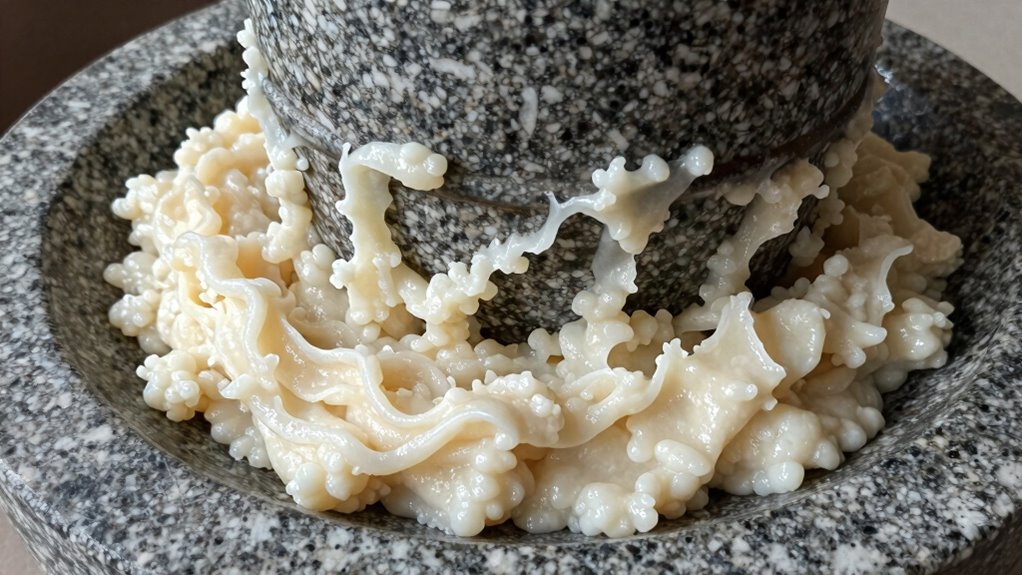
Achieving the perfect batter consistency for dosas and idlis hinges on balancing ingredients and fermentation. Start with fresh ingredients, as ingredient freshness directly impacts grain texture and fermentation quality. The batter should be smooth yet slightly thick, pouring easily without being runny. To visualize, consider this table:
| Batter Texture | Consistency Description | Ideal Use |
|---|---|---|
| Thick | Holds shape, soft | Idlis |
| Pourable | Slightly viscous | Dosas |
| Runny | Thin, watery | Not recommended |
| Sticky | Clumpy, uneven | Avoid |
Achieving the right consistency ensures your dosas are crispy and your idlis are fluffy. Adjust water or rice ratio carefully, and don’t forget to use fresh grains for suitable grain texture and fermentation. Additionally, understanding fermentation process can help optimize batter quality for better results.
Why Does Fermentation Make Your Batter Fluffier and More Delicious?

Fermentation enhances your batter’s fluffiness and flavor by producing carbon dioxide and beneficial acids through natural yeast and bacteria activity. These fermentation benefits lead to batter expansion, making your dosas and idlis light and airy. As the microbes break down starches and sugars, they generate gases that create tiny bubbles, giving your batter its signature rise. The acids also develop a tangy taste, adding depth to the flavor profile. Without fermentation, your batter would stay dense and flat. Proper fermentation guarantees uniform expansion, resulting in a soft, fluffy texture that’s perfect for traditional South Indian dishes. This natural process not only improves the batter’s volume but also enhances its overall taste and digestibility. Fermentation process is essential for achieving the desired texture and flavor in your batter.
What Common Mistakes Prevent Your Batter From Rising Properly?
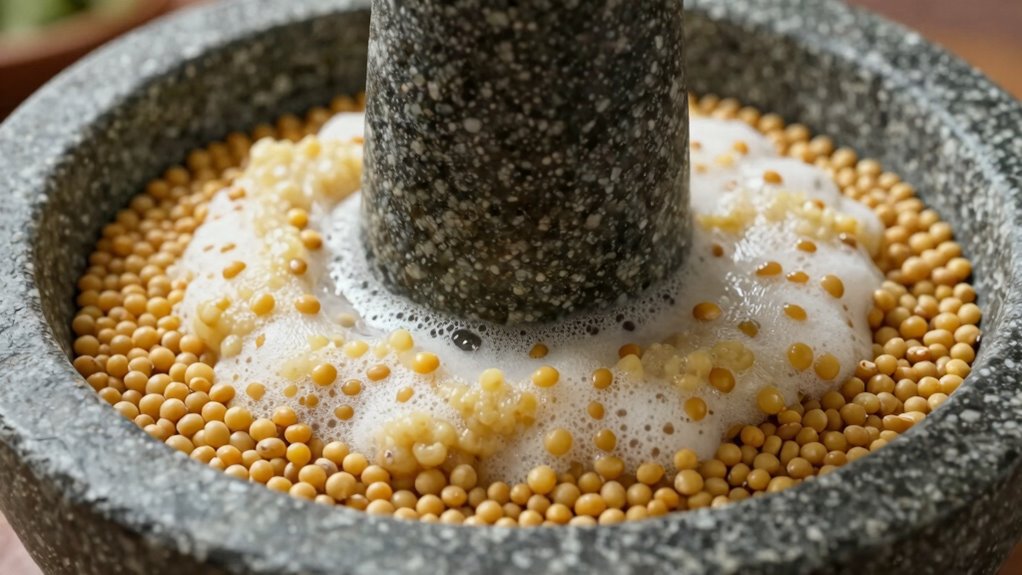
One common mistake is overmixing the batter, which can deflate the air bubbles needed for rising. Using cold ingredients, especially water or urad dal, can hinder fermentation and prevent proper rise. Paying attention to these details helps make certain your batter turns out perfectly fluffy.
Overmixing Batter
Have you ever wondered why your batter doesn’t rise as expected? Overmixing can be the culprit. When you mix the batter too much, you break down the gluten and air bubbles that help it become fluffy and airy. Pay attention to the mixing consistency; stop as soon as the ingredients are just combined. Also, keep an eye on batter temperature—overworking it can generate heat, which deflates the batter’s rise. Use gentle folding instead of vigorous stirring to preserve the air pockets. Remember, the goal is to incorporate ingredients without overworking them. Overmixing results in a dense, flat batter that won’t produce the light texture you’re aiming for. Stick to gentle mixing for a perfectly risen, airy batter every time.
Using Cold Ingredients
Using cold ingredients can hinder your batter’s ability to rise because they slow down the activation of leavening agents like baking soda or baking powder. When you use cold ingredients, especially frozen urad dal, the batter remains chilled, preventing proper fermentation and aeration. Frozen urad dal, if not thoroughly thawed and warmed slightly, can cause uneven mixing and insufficient rising. To get that fluffy, airy texture, guarantee your ingredients are at room temperature or slightly warm. Proper temperature control is essential for optimal fermentation and rising. Avoid adding frozen urad dal directly from the freezer without proper thawing. Warm ingredients promote better fermentation, helping the batter expand and develop lightness. Remember, cold ingredients are a common mistake that prevents your batter from achieving the desired fluffiness and rise.
How Can Climate Conditions Affect Your Batter and How to Adjust?
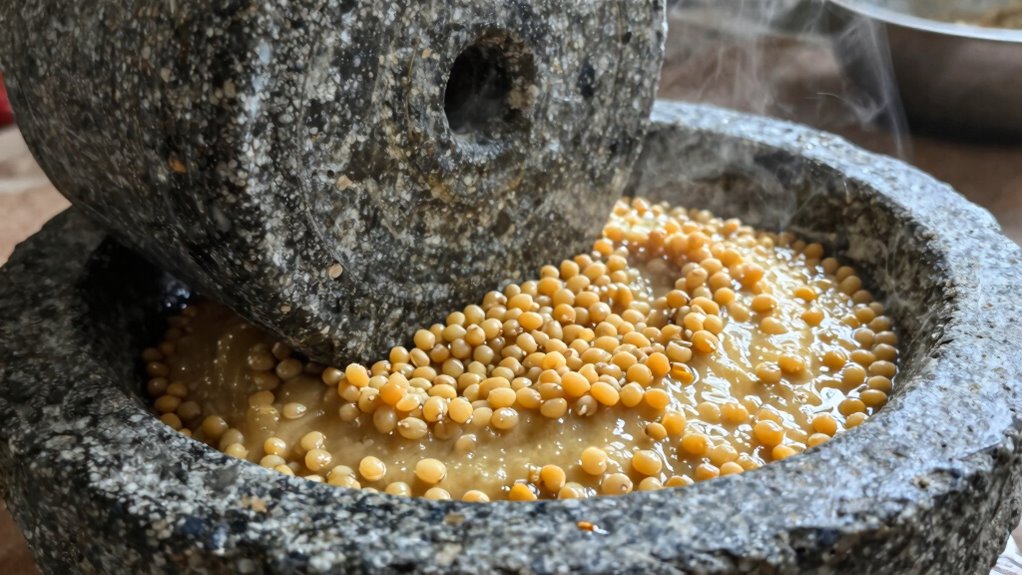
Climate conditions can substantially impact your urad dal batter’s consistency and fermentation process. High humidity can make the batter sticky and harder to ferment, while dry weather can cause it to dry out too quickly. To counteract climate influence, consider these storage tips: 1. Keep the batter in an airtight container to prevent moisture loss or excess absorption. 2. Store in a cool, shaded place to slow fermentation in hot weather. 3. Use a damp cloth to cover the batter if humidity is high, preventing crust formation. Adjust your technique based on climate; in humid areas, add a little extra water, and in dry weather, cover the batter to retain moisture. These steps help maintain the batter’s ideal texture and ensure fluffy, airy results. Additionally, understanding your local climate patterns can help you better predict and manage fermentation times, as climate variability directly influences fermentation rates and batter quality. Being aware of seasonal changes and humidity fluctuations can further refine your adjustments to achieve perfect batter consistency. Moreover, monitoring indoor air quality can also influence fermentation, as cleaner air with balanced humidity levels promotes optimal batter development. Recognizing seasonal shifts can further aid in planning the best times for fermentation and batter preparation.
What Tools Make Grinding Urad Dal Easier and More Effective?
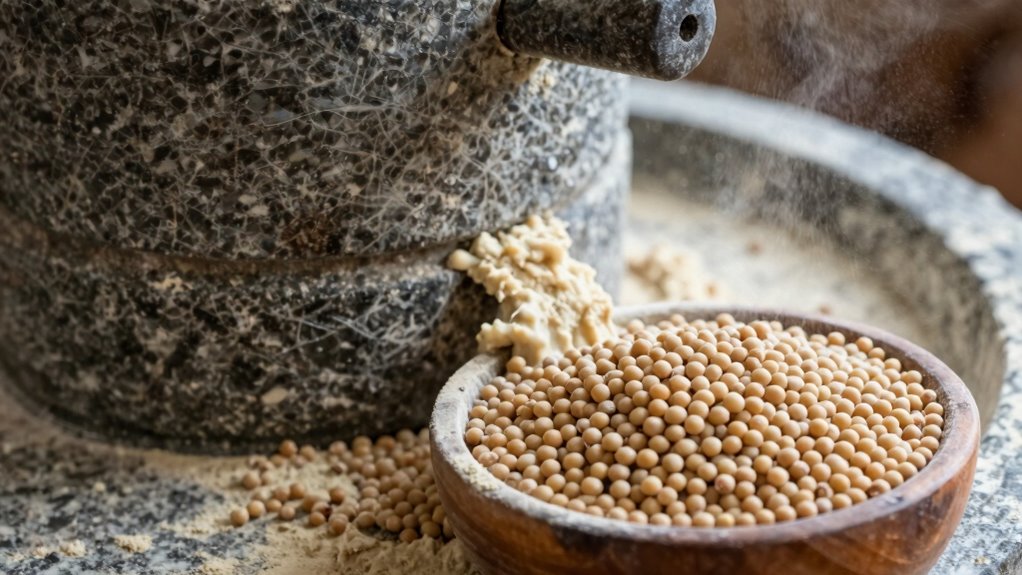
Choosing the right tools can substantially simplify the process of grinding urad dal and improve the final texture. A high-quality wet grinder with a durable stone drum guarantees even grinding, preserving grain quality and leading to fluffy batter. If you prefer a manual approach, a heavy mortar and pestle can work, but it requires strength and patience. For better results, store urad dal in airtight containers away from moisture and sunlight, maintaining its grain quality. Using a grinder with adjustable settings allows you to control the fineness of the dal, making your batter lighter and airier. Proper storage tips also prevent the dal from becoming stale or hard, ensuring consistent grinding performance and excellent texture in your batter. Additionally, selecting a vetted product from trusted brands can ensure safety, durability, and optimal performance during grinding. Incorporating tools with ergonomic design can reduce fatigue during extended grinding sessions and improve efficiency. Furthermore, choosing a grinder with adjustable speed settings can help achieve the desired fineness and consistency effortlessly. To further enhance your grinding process, investing in proper cleaning and maintenance of your tools can prolong their lifespan and maintain optimal performance.
Troubleshooting Fluffy Batter: Why Your Dosas Turn Flat or Idlis Are Dense
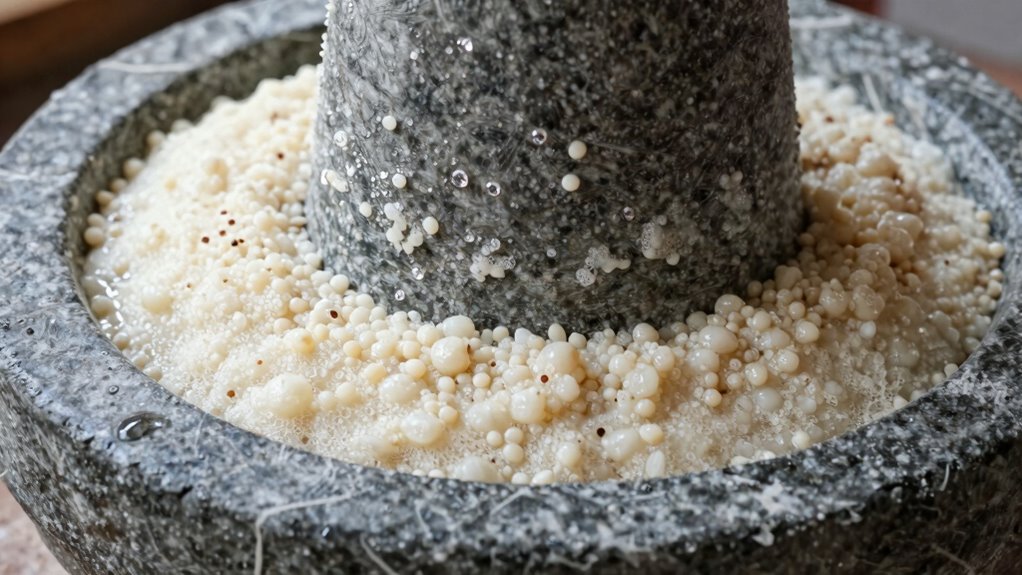
If your dosas turn flat or idlis are dense, the issue might be with your batter’s fermentation timing or grinding technique. Proper fermentation helps develop the right rise, while good grinding guarantees a smooth, airy texture. Pay attention to these steps to achieve fluffy, light results.
Batter Fermentation Timing
Fermentation timing plays a crucial role in achieving fluffy dosas and soft idlis, as improper timing can lead to flat or dense results. To get it right, focus on fermentation duration and temperature control. If you ferment too little, the batter won’t rise enough, making your dosas flat and your idlis dense. If you over-ferment, the batter may collapse, resulting in sourness and poor texture. Proper backup power solutions can help maintain consistent fermentation conditions, especially during power outages that could disrupt your process.
Here’s what to keep in mind:
- Keep the batter in a warm spot—ideally around 30°C (86°F)—for 8-12 hours.
- Check for visible bubbles and a slight increase in volume, signaling readiness.
- Adjust fermentation time based on your local climate; cooler temperatures require longer fermentation.
Mastering these steps ensures your batter develops the perfect airy, fluffy texture.
Proper Grinding Technique
Proper grinding technique is essential for achieving light, fluffy dosas and soft idlis. Start by ensuring your urad dal is fresh; stale grains can lead to dense batter. Proper grain storage keeps the dal dry and prevents moisture absorption, which affects grinding quality. When grinding, use cold water gradually and avoid overloading the grinder, as this can hinder proper aeration. Achieving a smooth, slightly sticky batter with a glossy appearance indicates good fermentation potential. Pay attention to consistency—if the batter is too coarse, the texture will be dense; if too fine, it may turn flat. Consistent ingredient freshness and careful water addition during grinding help develop the batter’s fluffiness, resulting in airy, well-textured dosas and idlis.
Frequently Asked Questions
Can I Use a Blender Instead of a Traditional Grinder for Urad Dal?
Yes, you can use a blender instead of a traditional grinder for urad dal, but be aware that the texture differences matter. A grinder typically produces a finer, fluffier result ideal for airy batters, while a blender may leave a coarser grind, affecting the final texture. To get better results with a blender, pulse in short bursts and avoid overheating the dal, ensuring a smoother, more consistent grind.
Does the Age of Urad Dal Affect Batter Fluffiness?
Yes, the freshness of urad dal considerably impacts batter fluffiness. When you use fresh urad dal, it’s more likely to produce a light, airy batter because the beans retain moisture and natural oils, which help in aeration. Older urad dal tends to be dry and may result in a denser batter. To get that perfect fluffiness, always opt for fresh urad dal, especially when aiming for that airy texture.
How Does Adding Rice Impact the Batter’s Texture?
Adding rice to your batter enhances aeration, making it lighter and fluffier. Rice addition creates tiny air pockets, which help the batter rise better during cooking. It also adds a slight crunch and improves overall texture. To get the best results, soak the rice with urad dal before grinding. This simple step boosts batter aeration, ensuring your dish turns out airy, soft, and perfectly textured every time.
Is It Necessary to Ferment Urad Dal Batter Every Time?
You don’t have to ferment urad dal batter every time, but skipping it can mean sacrificing that perfect, cloud-like fluffiness. Fermentation benefits include improved batter consistency, better flavor, and a delightful airy texture that makes your idlis irresistibly soft. Without fermentation, your batter might be dense or flat. So, for the fluffiest results, embrace fermentation—it’s the secret ingredient to elevating your dish to legendary status!
Can I Store Leftover Urad Dal Batter for Future Use?
Yes, you can store leftover urad dal batter for future use. For batter preservation, transfer it to an airtight container and keep it refrigerated. Use clean utensils each time to prevent contamination. Ideally, consume the stored batter within 24-48 hours for best fermentation and texture. Proper storage techniques help maintain the batter’s freshness, ensuring your upcoming dosas or idlis turn out fluffy and delicious.
Conclusion
With the right technique and patience, your urad dal batter can rise like a symphony reaching its crescendo. Focus on choosing quality dal, soaking just right, and grinding with care to release that fluffy, airy texture you seek. Remember, even the best batter needs a little climate tuning and troubleshooting. Keep experimenting, and soon, your dosas and idlis will dance effortlessly on your taste buds, turning every breakfast into a celebration of perfect fluff.
Fall yard work Picks
leaf blowers
As an affiliate, we earn on qualifying purchases.