Lotus stem, or Kamal Kakdi, is a crunchy and spongy ingredient you’ll love exploring. Its mild flavor and firm texture add a unique twist to salads, stir-fries, and pickles. You can enjoy it raw or cooked, as it absorbs flavors beautifully. Its versatility makes it a great addition to many dishes. Keep exploring, and you’ll discover more exciting ways to use this weirdly amazing ingredient.
Key Takeaways
- Lotus stem, also known as Kamal Kakdi, offers a unique crunchy texture with a spongy interior, making it an interesting ingredient in various dishes.
- Its mild flavor acts as a neutral base, absorbing spices and sauces, enhancing the overall taste and texture of your meals.
- Rich in dietary fiber, vitamins, and minerals, it promotes digestion, immune health, and supports a balanced, nutritious diet.
- Its versatility allows it to be used raw in salads, cooked in stir-fries, pickled, or added to soups, offering diverse culinary possibilities.
- The spongy and crunchy qualities of lotus stem make it a surprising and delightful addition, perfect for experimentation in Asian-inspired recipes.
Have you ever tried lotus stem, also known as Kamal Kakdi? If not, you’re missing out on a vegetable that’s both intriguing and versatile. Its crunchy texture combined with a subtle, mild flavor makes it a favorite in many Asian cuisines. But beyond its unique mouthfeel, lotus stem offers a range of nutritional benefits that make it a smart addition to your diet. Packed with dietary fiber, vitamins, and minerals, it promotes digestion, boosts your immune system, and helps maintain healthy skin. Its low-calorie content makes it ideal for those looking to stay fit without sacrificing flavor or variety. Incorporating lotus stem into your meals isn’t just about health—it’s also about exploring new culinary possibilities. You’ll find it used in salads, stir-fries, pickles, and even soups, thanks to its ability to absorb flavors while maintaining its firm texture. Its neutral taste acts as a blank canvas, allowing spices, sauces, and dressings to shine through, making it adaptable for various recipes. In traditional dishes, lotus stem is often sliced thin and cooked with aromatic spices, adding a satisfying crunch and a subtle sweetness that balances savory ingredients. You can also enjoy it raw in salads or pickled for a tangy snack. Its spongy interior lends itself well to marination, so you can experiment with different flavor profiles, from spicy and tangy to mildly sweet. Whether you’re a home cook or a professional chef, lotus stem’s culinary uses are surprisingly diverse. It’s easy to prepare—simply peel, slice, and cook or serve raw. Its ability to soak up flavors makes it a great ingredient for creating textured, flavorful dishes that stand out. Plus, it’s a healthy alternative to more processed snacks; just slice, season, and enjoy. As you explore its culinary uses, you’ll find that lotus stem can elevate simple dishes into something special. Its crunchy, spongy nature adds a delightful contrast to other ingredients, and its nutritional benefits support a balanced diet. So, next time you’re at the market, consider picking up some Kamal Kakdi. Not only will you enjoy its unique texture and flavor, but you’ll also be nourishing your body with a vegetable that’s both wholesome and versatile. Incorporate it into your meals and discover how this weirdly amazing vegetable can become a regular part of your culinary repertoire.

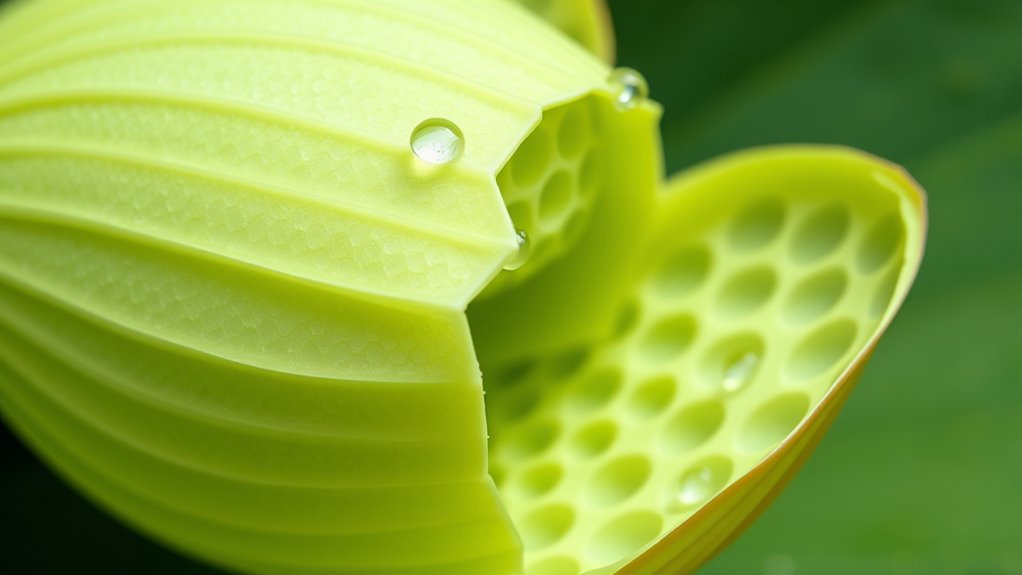
Natural Dried Lotus Pods with Stems 20'' Artificial Long Stems for Home Decor (Mix 3pcs Large and 3pcs Small)
- Authentic Look: Realistic lotus pods and stems
- Natural Materials: Dried lotus pods with flexible stems
- Versatile Decor: Ideal for rustic home, fall, and wedding decor
As an affiliate, we earn on qualifying purchases.
As an affiliate, we earn on qualifying purchases.
Frequently Asked Questions
How Is Lotus Stem Cultivated Commercially?
You cultivate lotus stems commercially through aquatic cultivation in ponds or shallow water bodies. You start by selecting fertile, muddy soil and plant the rhizomes in early spring. Regularly, you monitor water levels and control weeds. When harvesting, you use specific harvesting techniques like gentle digging to avoid damage. This guarantees the stems remain fresh and crunchy, ready for market. Proper management boosts yield and quality of your lotus stems.
What Are the Traditional Medicinal Uses of Lotus Stem?
You’ll find lotus stem working as a natural healer in traditional remedies, thanks to its medicinal properties. It’s believed to soothe digestive issues, boost immunity, and improve skin health. In many cultures, people use it to cool the body and treat inflammation. Its crisp texture hides a treasure trove of benefits, making it a versatile ingredient in age-old medicinal practices that continue to support wellness today.
Can Lotus Stem Be Grown in Home Gardens?
Yes, you can grow lotus stem in your home garden. With DIY planting methods, you’ll need a shallow pond or water container, rich soil, and a warm climate. Plant lotus tubers about 4-6 inches deep, ensuring they’re rooted securely. Keep the area sunny and maintain consistent water levels. Regular care will help your lotus thrive, giving you fresh, crunchy stems right from your garden.
What Are the Common Pests Affecting Lotus Stem?
You’ll often see common insect invaders like aphids, beetles, and caterpillars affecting lotus stems. To manage pests effectively, use pest management strategies such as removing infested parts, introducing natural predators, or applying organic insecticides. Regular monitoring helps catch issues early, keeping your lotus healthy. Implement these strategies consistently to prevent pest damage and guarantee your lotus stems stay crunchy and spongy.
How Does Lotus Stem Impact Local Ecosystems?
Like a modern-day Noah’s Ark, lotus stems bolster local ecosystems by providing vital ecological benefits. You help preserve habitats for fish, birds, and insects, promoting biodiversity. Lotus plants improve water quality and stabilize sediments, reducing erosion. By supporting lotus growth, you contribute to habitat preservation, ensuring a balanced environment. Your actions foster a thriving ecosystem where flora and fauna coexist harmoniously, much like ancient ecosystems that thrived in balance.
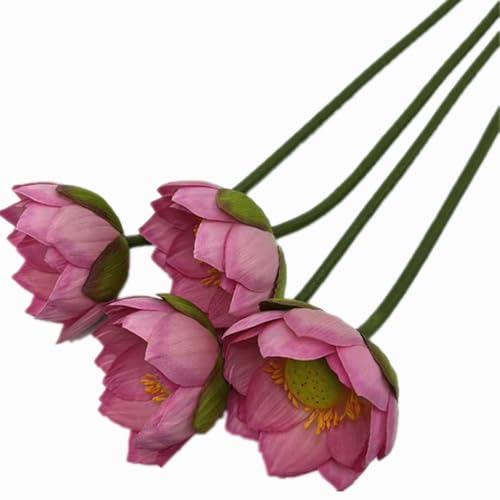
forestmistry 4X Artificial Lotus Flower Stem Faux Water Lily Blossom Branch for Shop Window Office Hotel Floral Decoration (Pink)
- Artificial Lotus Flower: Realistic faux water lily blossom
- Material: Cloth flower head, plastic stem
- Overall Length: Approximately 74cm / 29 inches
As an affiliate, we earn on qualifying purchases.
As an affiliate, we earn on qualifying purchases.
Conclusion
Just like the lotus rising beautifully from muddy waters, trying lotus stem connects you to nature’s hidden wonders. Its crunchy, spongy texture is a reminder that something extraordinary often lies beneath the surface, waiting for you to discover. So next time you bite into Kamal Kakdi, remember you’re tasting a piece of nature’s resilience and grace—an allegory of beauty blossoming from the most unexpected places. Embrace the journey, and let each crunch inspire you.

DAMAICHUHAI Crispy Marinated Lotus Root Slices, Savory and Spicy Snack, 12g/0.42oz Per Pack, 50 Packs Bulk, Low Fat Plant-Based Chips, Asian Style Lotus Root Snack,Chinese Food
- Crunchy and Flavorful: Expertly marinated and crispy lotus root slices
- Bulk Pack Convenience: 50 individual 12g packs for easy sharing
- Plant-Based Snack: Vegan and natural lotus root chips
As an affiliate, we earn on qualifying purchases.
As an affiliate, we earn on qualifying purchases.
As an affiliate, we earn on qualifying purchases.