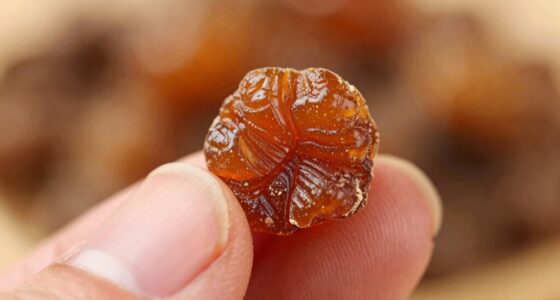

To make your biryani smell truly ‘royal,’ you should incorporate mace, or Javitri, which adds a warm, floral aroma that elevates the dish. Grind a small pinch into a fine powder to release its essential oils, then add it during the cooking process for maximum fragrance. Proper handling and timing are key to balancing its scent with other spices. Keep exploring to discover more tips that will transform your biryani into a regal delight.
Key Takeaways
- Mace, or Javitri, imparts a warm, sweet aroma that elevates biryani’s fragrance to a royal level.
- Properly grinding mace releases essential oils, intensifying its fragrant impact in the dish.
- Adding mace during cooking enhances its aroma, making the biryani smell more luxurious and inviting.
- Balancing mace with other spices creates a layered, sophisticated scent that enhances the dish’s aroma.
- Using small amounts of mace ensures a subtle, elegant fragrance that makes biryani smell truly regal.

Have you ever wondered how a single spice can elevate a flavorful biryani to new heights? That’s where mace, or Javitri, steps in with its captivating aroma and subtle warmth. When you’re cooking biryani, incorporating mace isn’t just about adding fragrance; it’s about mastering cooking techniques that maximize its flavor and understanding its health benefits. Mace is derived from the outer covering of nutmeg seeds, and using it correctly can transform your dish from ordinary to extraordinary.
To access its full potential, you need to handle mace thoughtfully. Instead of tossing in whole pieces, you can grind the spice into a fine powder using a mortar and pestle. This technique releases its essential oils, ensuring the aroma infuses evenly throughout your biryani. When you add mace at the right time—usually during the tempering or when sautéing onions—you allow its warm, sweet notes to blend seamlessly with other spices. This careful timing and preparation enhance the depth of flavor, making your biryani smell ‘royal’ and inviting.
Grinding mace into powder and adding it at the right moment enhances biryani’s aroma and flavor.
Besides elevating the aroma, mace also offers notable health benefits that you might not be aware of. It contains compounds with anti-inflammatory properties, which can help reduce swelling and soothe discomfort. Mace is also believed to improve digestion, easing bloating and indigestion, especially after a rich meal like biryani. Some studies suggest it has antioxidant qualities, helping your body fight free radicals and potentially lowering the risk of chronic diseases. Incorporating a small amount of mace into your cooking not only enhances taste but also contributes positively to your well-being.
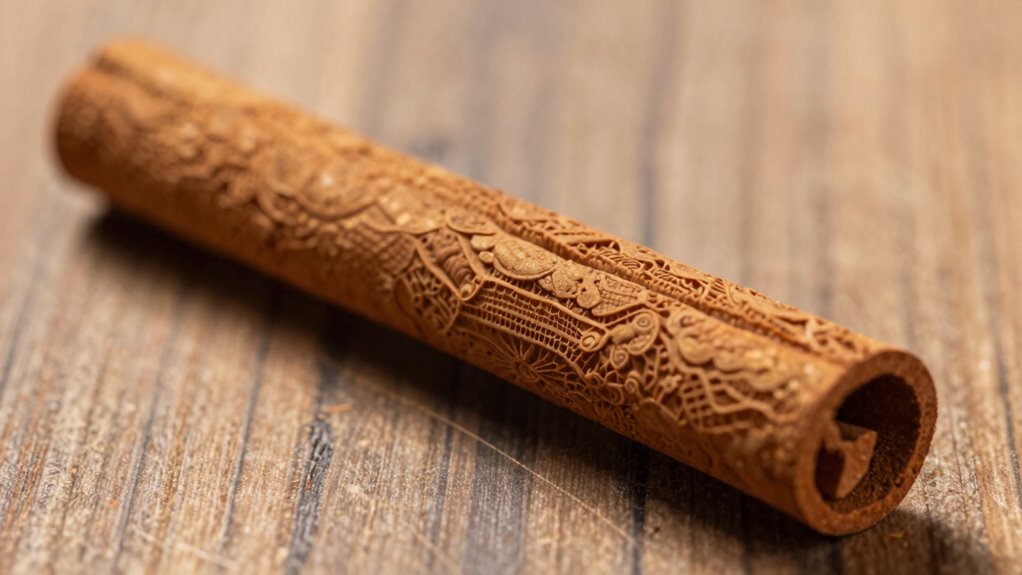
Using mace in your biryani requires finesse. A little goes a long way—just a pinch or two, either in powder form or as small whole pieces, can deliver the desired aroma without overpowering the dish. When you’re boiling rice or preparing the spice mix, adding mace allows it to release its fragrant oils slowly, infusing the entire dish with its signature scent. Remember, the key lies in balancing its strength with other spices like cardamom, cinnamon, and cloves to create that harmonious, layered aroma that makes biryani so irresistible.
Frequently Asked Questions
Can Mace Be Used as a Substitute for Nutmeg in Biryani?
Yes, you can use mace as a nutmeg substitution in biryani, but keep in mind that the flavor comparison is subtle. Mace offers a slightly more delicate, floral aroma, so it may alter the overall taste slightly. Use about half the amount of mace compared to nutmeg, as its flavor is more potent. Adjust to your preference, and you’ll still enjoy a fragrant, flavorful biryani.
What Is the Best Way to Store Mace for Freshness?
To keep your mace fresh, store it in an airtight container away from direct sunlight and heat. Use a cool, dark place like a spice drawer or cupboard. Avoid moisture, which can cause clumping or mold, and grind only what you need to maintain its aroma. Regularly check for freshness, replacing it when it loses its fragrant scent. These storage tips ensure your mace stays potent and flavorful for longer.
Does Mace Have Any Health Benefits or Medicinal Uses?
You’ll find that mace offers notable health benefits and medicinal properties. It contains antioxidants, which help combat free radicals, and has anti-inflammatory effects that may ease pain and swelling. Some studies suggest it can improve digestion and boost immunity. Incorporating mace into your diet or herbal remedies might support overall wellness, but remember to use it in moderation. Always consult a healthcare professional before relying on it for medicinal purposes.
How Does the Quality of Mace Affect Biryani’s Aroma?
Like a maestro conducting an orchestra, the quality of mace directly influences biryani’s aroma enhancement. High-quality mace releases a rich, fragrant scent that permeates the dish, making it smell ‘royal’ and inviting. Poor-quality mace, however, can dull this aroma, resulting in a less vibrant flavor. To achieve the best aroma, always choose fresh, premium mace, as its superior quality elevates the entire biryani experience.
Is Mace Suitable for People With Nut Allergies?
If you have nut allergy concerns or spice allergy considerations, you should be cautious with mace. While mace itself isn’t a nut, cross-contamination during processing could pose risks. Always check product labels for potential nut traces or allergen warnings. If you’re unsure, consult your allergist before adding mace to your dishes. It’s better to be safe than risk an allergic reaction, especially with spices that are often processed in shared facilities.
Conclusion
Next time you savor a flavorful biryani, remember that mace isn’t just for aroma—it’s believed to have medicinal properties, like aiding digestion and boosting immunity. Some theories suggest its presence also symbolizes luxury and tradition, elevating the dish’s royal status. So, when you enjoy that fragrant ribbon of javitri, you’re not only indulging in rich flavors but also connecting with centuries-old culinary artistry and age-old health beliefs, making each bite truly regal.