Kala Namak, or black salt, smells like eggs because of sulfur compounds formed during its traditional processing. These naturally present sulfur chemicals, like hydrogen sulfide and methyl mercaptan, give it that distinctive, pungent aroma and egg-like scent. The mineral impurities in the volcanic rock also enhance this smell. If you want to understand how these sulfur compounds influence its flavor and aroma, there’s more to discover below.
Key Takeaways
- Kala Namak contains sulfur compounds like hydrogen sulfide responsible for its characteristic egg-like smell.
- The volcanic mineral impurities and fermentation process increase sulfur levels in Kala Namak.
- Sulfur compounds naturally emit a pungent, eggy aroma during production and storage.
- The aroma is a result of sulfides and methyl mercaptan, which are common in sulfur-rich mineral salts.
- This sulfurous scent enhances savory flavors and is intentionally used in vegan and Indian cuisine.
What Is Kala Namak and How Is It Made?

Have you ever wondered what gives Kala Namak its distinctive flavor and aroma? This volcanic rock salt, known for its dark color and unique mineral content, is made through a traditional process involving the heating of raw Himalayan salt with herbs and spices. The mixture is then cooled, ground, and sometimes smoked to develop its characteristic taste. Its culinary uses are diverse, often enhancing dishes like chutneys, salads, and chaats with a tangy, sulfurous flavor. Beyond the kitchen, Kala Namak holds cultural significance in Indian and South Asian cuisines, where it’s valued not only for its taste but also for its supposed health benefits. This ancient seasoning’s production method and cultural roots give it its special status worldwide. Additionally, sulfurous aroma is a key component of its distinctive smell, which resembles eggs. The mineral content, including sulfur compounds, contributes significantly to its unique smell and taste. The presence of natural sulfur compounds directly influences the flavor profile and olfactory characteristics of Kala Namak. Moreover, the traditional manufacturing process involves specific techniques that help preserve its mineral richness and distinctive properties.
Why Does Kala Namak Smell Like Eggs? The Sulfur Connection

Ever wonder why Kala Namak has that unmistakable egg-like smell? It all comes down to sulfur compounds, which create that distinct eggy aroma. During its production, sulfur-rich ingredients are present, releasing compounds like hydrogen sulfide and other sulfur derivatives. These compounds are responsible for the pungent, sulfurous scent you notice. Understanding sulfur compounds helps explain why this salt has such a distinctive aroma. Additionally, the presence of natural mineral content contributes to its unique smell and flavor profile. The specific production methods used can influence the concentration of sulfur compounds, further affecting its aroma. Here’s a quick look at the key sulfur compounds involved:
| Sulfur Compound | Effect on Aroma |
|---|---|
| Hydrogen sulfide | Strong, rotten-egg smell |
| Methyl mercaptan | Pungent, egg-like aroma |
| Dimethyl sulfide | Slightly sweet, sulfurous |
| Carbon disulfide | Faint, sulfurous notes |
These compounds give Kala Namak its characteristic smell, making it unique among salts, and their formation is influenced by traditional fermentation processes during production.
Which Minerals Give Kala Namak Its Pungent Aroma?
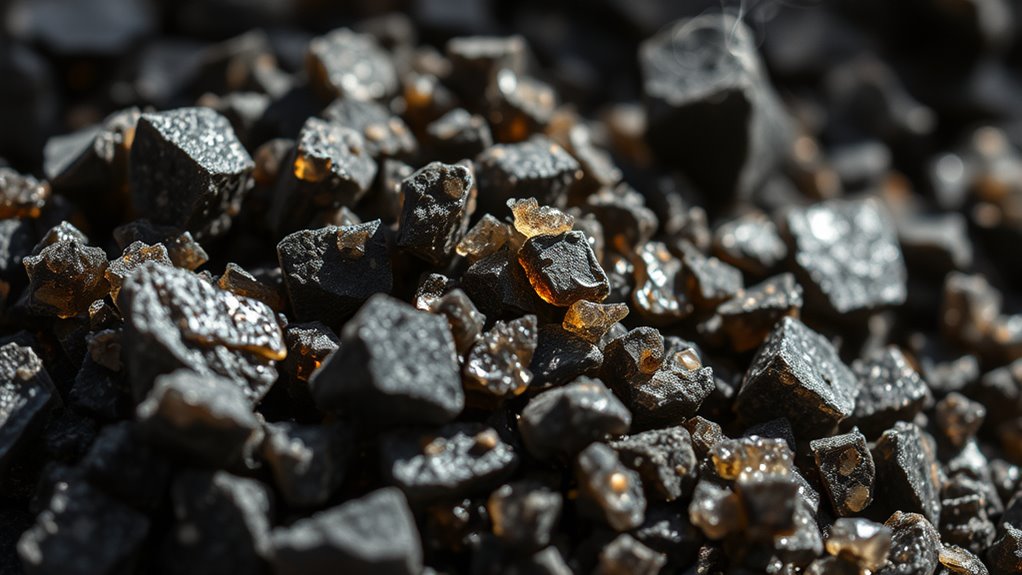
The pungent aroma of Kala Namak primarily comes from its mineral components, which interact with sulfur compounds to create that distinctive smell. Its mineral composition includes elements like sodium, iron, magnesium, and trace minerals, all of which influence its flavor profile. The sulfur compounds, particularly hydrogen sulfide and other sulfur-containing molecules, bind with these minerals, intensifying the pungency. Iron gives Kala Namak its characteristic dark color, while other minerals contribute subtle nuances to its aroma. When you taste or smell Kala Namak, you’re experiencing a complex interplay between these minerals and sulfur compounds. Mineral interactions are crucial in understanding how these elements combine to produce such a distinctive smell. This unique mineral composition is the key reason why Kala Namak has such a strong, egg-like smell that sets it apart from regular salt. Additionally, the presence of best pool heaters can sometimes influence mineral interactions in water, but in the case of Kala Namak, the mineral-sulfur interaction is primarily responsible for its pungent aroma. Understanding the chemical interactions involved can help clarify how these minerals produce such a distinctive smell. Exploring mineral chemistry provides deeper insights into the specific reactions responsible for this unique sensory experience.
How Does Sulfur in Kala Namak Differ From Other Salts?
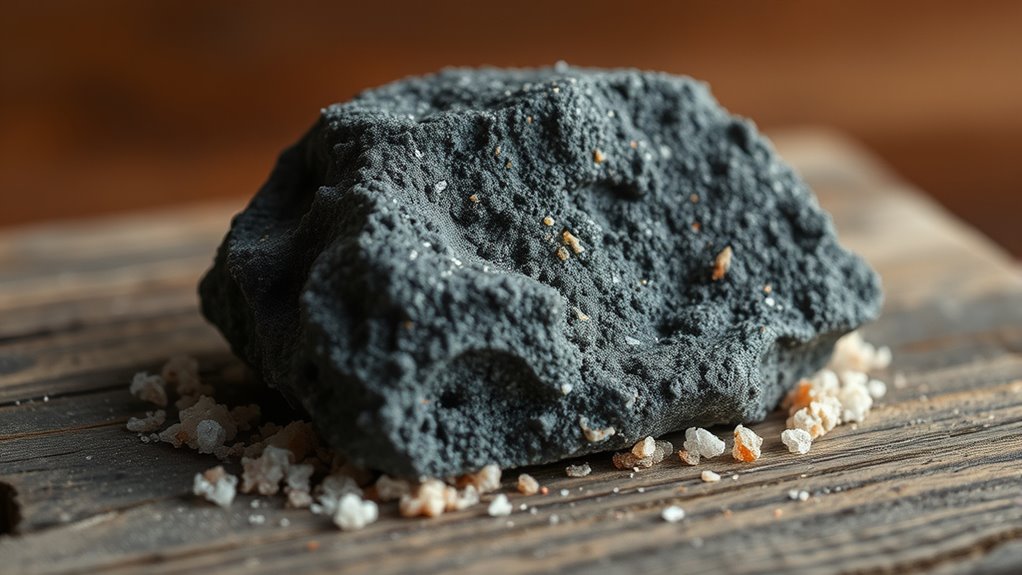
The sulfur content in Kala Namak is higher than in most other salts, giving it its distinctive smell and flavor. This difference primarily comes from its unique mineral composition, which includes trace amounts of sulfur compounds. Understanding these variations helps explain why Kala Namak has its egg-like aroma compared to regular salts. Additionally, the presence of best salt varieties influences its overall mineral profile and sensory properties. The mineral impurities in Kala Namak also contribute to its distinctive taste, setting it apart from other salts used in culinary applications. Furthermore, the geological origin of the salt deposits plays a significant role in its mineral makeup and sensory characteristics. Its mineral content can vary depending on the specific deposits, which further impacts its aroma and flavor. The geological formation process also affects the concentration of sulfur compounds, adding to its unique sensory profile.
Sulfur Content Levels
Unlike regular table salt, Kala Namak contains considerably higher levels of sulfur compounds, which give it its distinctive smell and flavor. This elevated sulfur content markedly influences its minerals composition, setting it apart from other salts. This sulfur compounds contribute to its unique aroma profile, characterized by a pungent, egg-like smell. While common salts like sea or Himalayan salt have minimal sulfur, Kala Namak’s levels are intentionally higher due to traditional fermentation processes. These increased sulfur levels not only create its signature scent but also enhance its culinary applications, especially in dishes where a savory, umami kick is desired. The sulfur content in Kala Namak is a defining feature that impacts both its sensory qualities and its distinctive position among various salts, making it a unique culinary ingredient with specific properties. Patchology.ORG
Mineral Composition Differences
Because of its high sulfur content, Kala Namak’s mineral composition differs markedly from other salts like sea or Himalayan salt. The mineral variation in Kala Namak includes notable levels of sulfur compounds, which give it its distinctive smell and flavor. Unlike common salts that primarily consist of sodium chloride, Kala Namak contains significant amounts of sulfur minerals such as iron sulfates and other sulfur-containing compounds. This unique mineral profile results in the characteristic egg-like aroma and taste. The elevated sulfur content influences not only the sensory experience but also its chemical properties, setting Kala Namak apart from other salts. Its mineral composition reflects traditional fermentation processes, making it a distinctive and culturally significant salt with a complex mineral variation.
Does the Eggy Odor Affect the Flavor of Your Dishes?

Many cooks wonder whether the eggy smell of kala namak influences the taste of their dishes. The good news is that this distinctive aroma doesn’t overpower your culinary applications; instead, it enhances flavor in unique ways. When used in moderation, the eggy scent adds a savory depth, making dishes more flavorful and authentic, especially in vegetarian and vegan recipes. The subtle sulfur notes act as a natural flavor enhancer, mimicking the taste of eggs without actual eggs. Your palate adapts quickly, and the aroma often becomes part of the overall flavor profile. Interestingly, modern kitchen technology such as precision seasoning tools can help you control and balance the salt’s aroma for optimal results. This technology can assist in flavor balance and achieving the desired taste profile. Additionally, understanding the chemical composition of kala namak can help you better appreciate how its sulfur compounds contribute to its unique aroma. This knowledge of chemical compounds can also guide you in adjusting the amount used for different dishes. For example, cloud-based recipe apps can provide guidance on salt quantities based on dish type and personal preferences. So, rather than detracting from your dishes, the eggy smell of kala namak can elevate them, offering a distinctive taste that’s both intriguing and satisfying.
How Do Chefs and Vegetarians Use Kala Namak?

Chefs and vegetarians use Kala Namak to boost flavor and create authentic vegan dishes. It helps mimic the taste of eggs and adds a unique, savory touch to various recipes. You’ll find it as a key seasoning in many plant-based meals, enhancing both flavor and authenticity. Its distinctive smell, reminiscent of eggs, is due to the presence of sulfur compounds that give it that characteristic aroma.
Enhancing Vegan Recipes
Vegan cooks and vegetarians turn to kala namak to replicate the savory, sulfurous flavor of eggs without using animal products. Its cultural significance in South Asian cuisine makes it a versatile ingredient for enhancing vegan recipes, adding depth and umami. You can sprinkle kala namak onto tofu scramble, chickpea salads, or avocado toast to mimic the taste and aroma of eggs. Its distinctive flavor elevates dishes that traditionally rely on eggs, offering a satisfying alternative. Chefs also use it in spice blends and chutneys to bring a unique tang and complexity. By incorporating kala namak, you not only honor its culinary applications but also embrace a flavor profile that enhances your plant-based creations, making them more flavorful and authentic.
Mimicking Egg Flavors
Because of its distinctive sulfurous aroma, kala namak is a go-to ingredient for mimicking the flavor of eggs in plant-based dishes. Its unique profile offers excellent flavor enhancement, making vegan recipes taste richer and more savory. Chefs and vegetarians use kala namak to add depth to tofu scramble, chickpea salads, and vegan omelets. Its culinary versatility allows you to adjust the saltiness and sulfur notes to suit your preferences. Here’s how different dishes benefit:
| Dish Type | Usage Tip | Flavor Effect |
|---|---|---|
| Tofu Scramble | Sprinkle during cooking | Egg-like warmth and aroma |
| Chickpea Salad | Mix in for a savory punch | Enhances umami and sulfuric notes |
| Vegan Omelet | Add to batter before frying | Mimics eggs’ fluffy texture |
This simple addition transforms plant-based dishes, making them taste more authentic.
Adding Unique Seasoning
Since kala namak has a distinctive sulfurous aroma and a salty, umami flavor, it’s often used as a unique seasoning to enhance a variety of dishes. Chefs and vegetarians utilize it to boost flavor enhancement and add depth to their recipes. Here are three ways you can incorporate kala namak creatively:
- Sprinkle it on salads or fruits for a surprising savory twist.
- Mix it into chutneys or dips to amplify their umami richness.
- Use it in vegan egg substitutes or tofu scramble to mimic traditional egg flavors.
This versatility sparks culinary creativity, allowing you to experiment with dishes beyond conventional seasonings. Its distinctive taste elevates simple ingredients, making everyday meals more flavorful and exciting.
Is Kala Namak Safe? Health Benefits and Risks

Kala Namak is generally considered safe for most people when used in typical culinary amounts, but it’s important to be aware of potential health risks. Historically, it has been valued for its medicinal properties and cultural significance across South Asia. Its natural minerals can offer health benefits like aiding digestion and balancing electrolytes. However, consuming excessive amounts might lead to high sodium intake, increasing the risk of hypertension or kidney issues. Pregnant women and individuals with salt-sensitive conditions should exercise caution. While its traditional uses have made it a staple in many diets, moderation is key. Overall, when used appropriately, Kala Namak is a flavorful spice with notable health benefits, but understanding its risks guarantees safe consumption.
How to Identify Authentic Kala Namak in Stores?
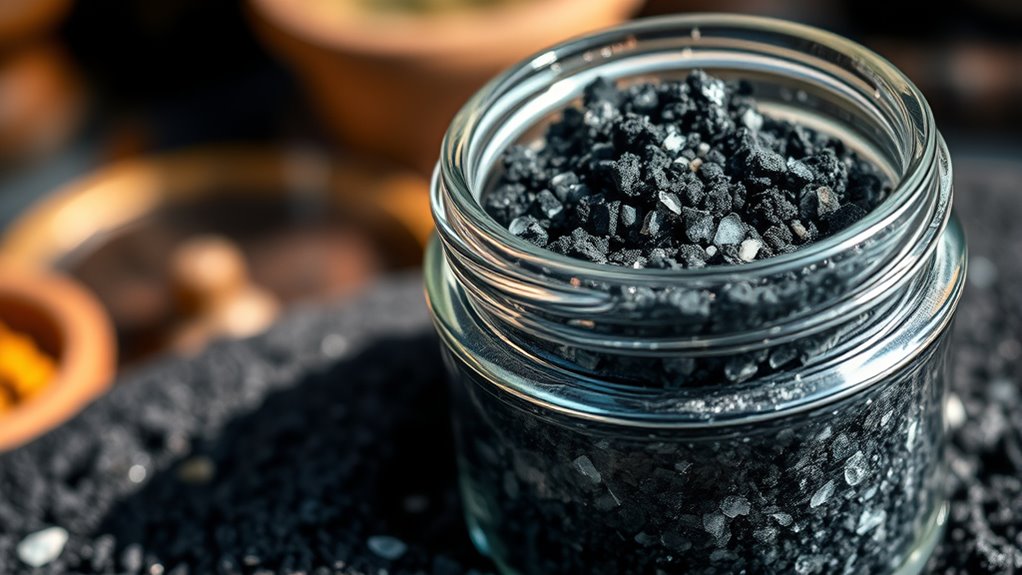
Wondering how to spot authentic Kala Namak in stores? Focus on the salt processing and mineral extraction methods. Authentic Kala Namak usually has these characteristics:
- Color and Texture: It should be dark pink to black with a coarse, flaky texture from natural mineral extraction.
- Smell: Genuine Kala Namak has a distinct sulfurous odor, reminiscent of eggs, due to proper salt processing.
- Label and Packaging: Look for reputable brands that specify mineral extraction processes and traditional salt processing methods. Avoid cheap, overly refined options that may lack authentic mineral content.
Tips for Using Kala Namak and Managing Its Odor?
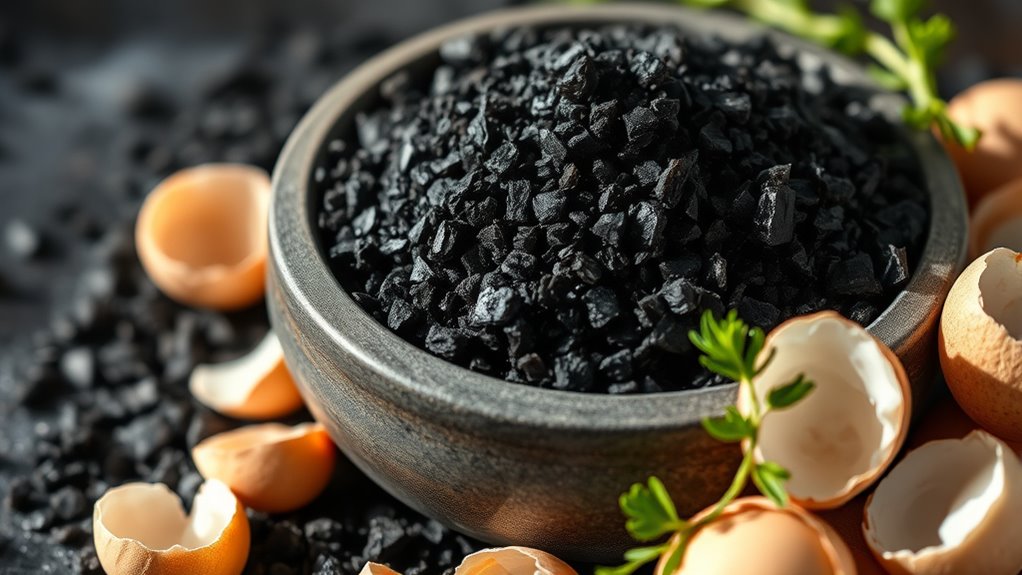
To get the most out of kala namak, store it in an airtight container away from strong odors. You can also mask its eggy smell by adding it to flavorful dishes or using fresh herbs. Remember to start with small amounts to avoid overwhelming your recipes and manage its strong aroma effectively.
Proper Storage Techniques
Proper storage is key to maintaining kala namak’s freshness and controlling its strong odor. To maximize its shelf life and prevent the smell from intensifying, follow these storage tips:
- Keep it in an airtight container to prevent exposure to air and moisture.
- Store it in a cool, dark place away from direct sunlight, which can degrade its quality.
- Avoid storing near strong-smelling spices or ingredients, as kala namak can absorb odors.
Masking Eggy Odor
While kala namak naturally has an eggy smell, you can effectively mask or lessen this odor when using it in cooking. The strong eggy aroma mainly comes from sulfur compounds, which can be overpowering if not balanced properly. To manage this, incorporate ingredients with bold flavors, such as lemon juice, tamarind, or spicy herbs, which help distract from the sulfur scent. Toastting the salt briefly before adding it to your dish can also reduce its pungency. Additionally, combining kala namak with acidic or aromatic ingredients helps diminish the sulfur compounds responsible for the eggy aroma. Remember, a little goes a long way, so start with small amounts and adjust to taste, ensuring the flavor complements your dish without overwhelming it.
Using in Small Quantities
Using kala namak in small amounts is the best way to enjoy its unique flavor without being overwhelmed by its strong odor. When incorporating it into your culinary applications, start with a pinch to enhance dishes subtly. This approach allows you to control the flavor enhancement without overpowering the dish or the senses. To manage its eggy smell, consider these tips:
- Use it sparingly in recipes like salads, chaat, or chutneys.
- Combine it with herbs and spices to mask or balance the odor.
- Add it gradually, tasting as you go, to find the perfect amount for your palate.
What Makes Kala Namak Unique Among Salts and Seasonings?

Kala Namak stands out among salts and seasonings because of its distinctive mineral composition and unique processing methods. Its high sulfur content gives it a pungent aroma and a slightly egg-like flavor, making it unlike common table salt. This uniqueness contributes to its health benefits, such as aiding digestion and balancing electrolytes. Its culinary versatility lets you use it in a variety of dishes, from chaat and chutneys to salads and even fruit bowls. Unlike regular salts, Kala Namak adds a complex flavor profile that enhances both savory and sweet recipes. Its distinctive taste and health perks make it a favored ingredient in Indian cuisine and beyond, offering a flavorful, functional alternative to ordinary salt.
Frequently Asked Questions
Can Kala Namak Be Used as a Natural Remedy for Health Issues?
Yes, you can use kala namak as a natural remedy, thanks to its mineral benefits. Many herbal remedies incorporate black salt to help digestion, balance electrolytes, and improve metabolism. Its unique mineral composition may support overall health, but you should use it in moderation. Consult with a healthcare professional before relying on it for specific health issues, since individual needs and conditions vary.
How Long Does the Eggy Smell Last When Cooking With Kala Namak?
The eggy smell from kala namak usually lasts for a few minutes during cooking. It largely depends on your cooking methods—adding it early in the process may intensify the smell, while adding it towards the end minimizes it. Once you finish cooking, the smell tends to dissipate quickly. If you want to reduce the lasting smell, try simmering with lid on or adding acidic ingredients like lemon juice.
Are There Specific Dishes That Benefit Most From Kala Namak’s Flavor?
You’ll find that spicy snacks and vegan breakfasts benefit most from kala namak’s unique flavor. Its eggy aroma enhances dishes like chickpea scramble, tofu scramble, or avocado toast, adding a savory, sulfurous note that elevates the taste. Incorporate kala namak sparingly to complement the spices and ingredients, creating a depth of flavor that appeals to both vegan and non-vegan palates alike.
Does the Age of Kala Namak Affect Its Sulfur Smell and Taste?
Yes, the age of kala namak can influence its sulfur smell and taste. As salt ages, salt aging processes lead to flavor development, making the sulfur aroma more pronounced or mellow over time. If you notice a stronger egg-like smell, it might be due to longer aging, which enhances the characteristic sulfur notes. Fresh kala namak tends to have a milder flavor, so storing it properly can help maintain its desired profile.
Is Kala Namak Suitable for People With Egg Allergies or Sensitivities?
Are you concerned about egg allergy or sulfur sensitivity? Kala Namak isn’t suitable for you because it contains sulfur compounds that can trigger reactions similar to eggs. Even if you’re not allergic, its sulfur smell might be bothersome. Always check with your healthcare provider before adding new ingredients like kala namak to your diet, especially if you have sensitivities or allergies related to eggs or sulfur.
Conclusion
Despite its strong egg-like smell, Kala Namak is safe and offers unique flavor benefits, especially in vegan dishes. Did you know that the global spice market is valued at over $20 billion, with Kala Namak gaining popularity for its distinctive taste? So, next time you reach for this black salt, remember its sulfur-rich roots and vibrant culinary potential. Embrace its aroma—you might just fall in love with its bold, savory character.